Rifled Slug Barrel Accuracy
Hunting in Iowa's shotgun zones can be a fantastic experience, but there's a common frustration many deer hunters share: wondering just how accurate their trusty slug gun truly is. You've heard the stories, maybe even experienced it yourself – slugs flying wild, groups opening up, and that nagging doubt about whether your setup is truly ready for that crucial shot. This guide is all about demystifying rifled slug barrel accuracy, giving you a realistic picture of what to expect, and walking you through exactly how to maximize your precision in the field.
Understanding Rifled Slug Barrels for Iowa Deer Hunting
For generations, many Iowa deer hunters relied on smoothbore shotguns for their slug seasons. While effective at close range, the accuracy was often a bit… "minute of deer" at anything beyond 50 yards. Enter the rifled slug barrel, a game-changer for those of us wanting to stretch our ethical range.
The Basics of Rifling and Projectile Spin
At its core, rifling is simply a series of spiral grooves cut into the inside of a barrel. When a projectile travels down this barrel, these grooves impart a spin to it, much like a quarterback puts a spiral on a football. This spin is critical for stability. Without it, a projectile tumbles end over end, making its flight path unpredictable and its accuracy abysmal.
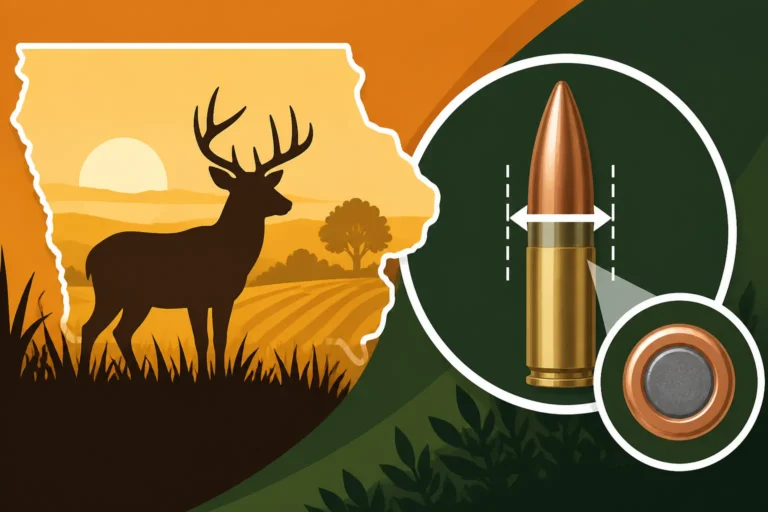
Traditional lead "rifled" slugs for smoothbore barrels actually have fins on their exterior designed to try and catch air to induce some spin, but it's a poor substitute for true rifling. A rifled slug barrel, however, works in conjunction with a specialized projectile called a sabot slug. The sabot (which means "shoe" in French) is a plastic sleeve that encases a smaller, rifle-like projectile, typically made of copper or lead. The sabot engages the rifling, imparting spin to the projectile, then separates from the slug shortly after leaving the barrel. This allows the inner projectile to continue its stable, accurate flight.
Why Rifled Slugs Became Essential for Deer Hunting
Iowa's deer populations are fantastic, and with that comes a lot of interest in hunting them. For many years, hunters in our state's shotgun-only zones felt limited by the range and accuracy of smoothbore slug guns. Trying to make a clean, ethical shot past 75 yards with a smoothbore and traditional rifled slugs was often a gamble, leading to missed opportunities or, worse, wounded animals.
The introduction and widespread adoption of rifled slug barrels, combined with advanced sabot slug technology, dramatically changed the game. Suddenly, hunters had a firearm that could deliver rifle-like accuracy out to 125, 150, or even 200 yards in some cases, all while still adhering to the "shotgun" classification. This expanded ethical hunting opportunities, especially in more open agricultural areas or when hunting larger timber blocks where deer might be spotted at longer distances. It meant fewer limitations and more confidence when that trophy buck stepped out at an unexpected range.
Rifled Barrel Versus Smoothbore Barrel: A Clear Divide
Let's put it plainly: if maximum accuracy for deer hunting with slugs is your goal, a rifled barrel is unequivocally superior to a smoothbore barrel.
A smoothbore barrel is designed to shoot shotshells – a payload of many small pellets – in a spread pattern. It has no internal grooves to stabilize a single projectile. While it can shoot traditional "rifled" slugs (often called Foster slugs), these slugs are not truly stabilized by spin but rather by their weight-forward design and air resistance. Imagine throwing a dart backward; it tries to turn around. Foster slugs work similarly but are limited in their effective range and inherent accuracy. They can be good to 50 yards, maybe 75 on a very good day with a well-matched gun and slug, but beyond that, consistency drops off dramatically.
A rifled barrel, on the other hand, is purpose-built for sabot slugs. The rifling actively spins the projectile, creating gyroscopic stability. This is why a sabot slug fired from a rifled barrel can maintain its trajectory and accuracy over much longer distances, often rivaling the precision of some centerfire rifles at closer ranges. The difference isn't just incremental; it's a fundamental shift in ballistic performance that makes a rifled barrel the go-to choice for serious slug hunters in Iowa.
Factors Affecting Rifled Slug Barrel Accuracy
Even with a dedicated rifled barrel, achieving consistent accuracy isn't just about pulling the trigger. Many variables come into play, from your ammunition choice to your shooting technique. Understanding these factors is the first step toward tightening those groups and increasing your confidence.
Ammunition Selection: Sabots Are King
This is arguably the most critical factor for rifled slug barrel accuracy. You must use sabot slugs. Forget traditional Foster or Brenneke-style slugs; they are designed for smoothbore barrels and will perform poorly, if not dangerously, in a rifled barrel.
Within the world of sabot slugs, there's a vast array of options. Different manufacturers produce slugs of varying weights, bullet designs, and velocities. What works wonderfully in one rifled barrel might shoot terribly out of another. It's a frustrating reality, but every barrel has its own "preference."
Here’s the rub: you're going to need to experiment. Buy a few different brands and types of sabot slugs. Start with common choices like those from Federal, Remington, Winchester, Hornady, or Barnes. Pay attention to bullet weight (e.g., 2¾-inch, 300-grain vs. 3-inch, 385-grain) and bullet construction. You're looking for the slug that consistently produces the tightest groups from your specific barrel. This trial-and-error process is tedious and expensive, but it's non-negotiable for achieving peak accuracy. Many veteran hunters will tell you that finding "the" slug for their gun took several trips to the range and a few boxes of different ammunition. Don't be afraid to put in the time.
Firearm Condition and Fit
While slugs are powerful, your shotgun needs to be in good working order to deliver them accurately.
- Barrel Cleanliness: A dirty barrel, especially one with lead or plastic fouling, can significantly degrade accuracy. Regular, thorough cleaning, especially after an accuracy test or a few hunting trips, is crucial.
- Action Tightness: A loose action on a pump or semi-auto can introduce inconsistencies. Ensure all screws are tight, and there's no excessive play.
- Stock and Forend: Any looseness in the stock or forend can affect your point of impact. Give your gun a good once-over to ensure everything is solid.
- Fit to Shooter: How well the shotgun fits you matters. If the length of pull is off, or the comb height doesn't naturally align your eye with the sights or scope, you'll struggle with consistent accuracy. Sometimes, simple adjustments with shims or a different recoil pad can make a world of difference. This isn't just about comfort; it's about repeatable sight alignment.
Optics and Mounts
A rifled slug barrel with a sabot slug is capable of much more precision than iron sights can fully exploit. A good optic is almost mandatory.
- Scope Choice: A low-power variable scope (e.g., 1-4x, 2-7x, or 3-9x) is ideal for slug guns. You don't need huge magnification, as ethical slug ranges rarely exceed 200 yards. Focus on clarity, durability, and good light-gathering capabilities for those crucial dawn and dusk hours. A Scope Magnification for Slug Guns can help you decide.
- Red Dot Sights: For closer ranges (under 100 yards) or fast-paced hunting scenarios (like drives), a red dot sight can be excellent. They offer quick target acquisition and are incredibly forgiving with eye relief. You can learn more about Red Dot Sights on an Iowa Deer Gun to see if it's right for you.
- Mounts and Rings: This is a weak link for many. Recoil from slugs is substantial, and cheap, flimsy mounts will not hold zero. Invest in robust, high-quality steel or aluminum rings and a solid base. Ensure everything is torqued to the manufacturer's specifications. A scope that shifts, even subtly, will ruin your accuracy. Don't skimp here; it's a common cause of frustration.
Shooter Technique and Practice
Even with the best equipment, the shooter is the ultimate determinant of accuracy.
- Consistent Hold: A consistent and firm hold on the shotgun is essential. Recoil management is a big part of this; anticipate the kick and use proper form to absorb it. A flinch or inconsistent cheek weld will throw shots off.
- Trigger Control: Smooth, deliberate trigger presses are vital. Don't yank or slap the trigger. Practice breathing and squeezing the trigger slowly, surprising yourself when the shot breaks.
- Follow-Through: Maintain your sight picture and hold through the recoil. Don't immediately pull your head up to see where the shot went. This ensures the barrel is still pointed accurately at the moment the slug exits.
- Practice, Practice, Practice: There's no substitute for time at the range. Shoot from various positions you might encounter in the field (sitting, kneeling, standing with support). Practice Practicing Shots From a Treestand or from a ground blind to simulate real hunting scenarios. This builds muscle memory and confidence. The Recoil From a Twelve Gauge Slug can be significant, so pacing your shots and taking breaks is also important.
Environmental Factors
While not as critical as ammunition or technique, environment can play a role.
- Wind: Sabot slugs, especially lighter, faster ones, can be affected by crosswinds. Understand how windage affects your point of impact at different ranges.
- Temperature: Extreme temperature changes can subtly affect powder burn rates and slug performance, though this is usually less pronounced than with high-velocity rifle cartridges. Still, it's worth noting if you're sighting in on a warm day and then hunting in freezing conditions.
- Rain/Snow: While your firearm should be kept dry, extreme weather can affect optics and your ability to maintain a consistent sight picture.
Maximizing Your Rifled Slug Barrel's Potential
So, you've got your rifled barrel, you understand the variables, now how do you pull it all together to consistently put slugs where they need to go when an Iowa whitetail steps out? It comes down to meticulous preparation and disciplined practice.
Choosing the Right Slug for Your Barrel
As mentioned, this is the Holy Grail of slug gun accuracy. Every barrel is unique, and what one barrel "likes," another might despise.
Start by researching popular, highly-rated sabot slugs. Talk to other Iowa hunters; what are they having success with in similar setups? Brands like Hornady SST, Federal Trophy Copper, Remington AccuTip, and Winchester XP3 are often good starting points. Best Slug Loads for Iowa Deer is a great place to start your research.
When you go to the range, bring at least three different brands or types of sabot slugs. Shoot 3-shot groups from a solid bench rest at 50 yards. Allow the barrel to cool between groups, especially with high-recoil slugs, as barrel heat can affect point of impact. After you've identified the best performer at 50 yards, move out to 100 yards and repeat the process. The best slug will consistently give you the tightest groups. It's not uncommon for a "favorite" slug to produce groups half the size of another brand from the same gun. This investment of time and money is worth every penny when it means a clean, ethical harvest. Many hunters find themselves consulting resources like GoHunt to plan out scouting trips that involve range time, ensuring their gear is dialed in before season.
Proper Sighting In Techniques
Once you've found your preferred slug, it's time to sight in your optic meticulously.
- Secure Bench Rest: Use a rock-solid shooting bench and sandbags or a lead sled. Any wobble will be magnified downrange.
- Start Close: Begin at 25 yards to get on paper quickly. Adjust your scope so that your shots are hitting about 1 to 1.5 inches low at 25 yards. This should put you very close to dead-on at 50 or 100 yards, depending on your slug's trajectory.
- Move to 50 Yards: Confirm your zero at 50 yards. For most Iowa hunting, a 50 or 100-yard zero is appropriate. If you zero at 50, you'll likely be slightly high at 100 and then start to drop significantly past that. If you choose a 100-yard zero, you'll be a few inches high at 50, which is perfectly acceptable for deer hunting. You can find detailed steps on Zeroing a Slug Gun at Fifty Yards.
- Confirm at Max Ethical Range: Once zeroed, shoot a few groups at your maximum comfortable and ethical hunting range (e.g., 100 or 150 yards). This confirms your zero and gives you confidence in your setup's capabilities. Remember, slug guns typically have a more rainbow-like trajectory than rifles, so knowing your holdovers (or hold-unders) at various distances is vital. Many find that practicing for Slug Gun Range Limits in Iowa is critical.
- Check Your Zero Annually (and After Bumps): Don't assume your zero holds year after year. Sighting In Before Shotgun Season is a must every year. Bumping your gun, dropping it, or even significant temperature changes can shift your point of impact. A quick check before opening day is cheap insurance. Also, consider when to perform a Checking Zero Before Opening Day if you've done any travel with your firearm.
Consistent Shooting Practice
The range isn't just for sighting in; it's for developing proficiency.
- Shoot from Hunting Positions: Deer rarely stand perfectly broadside at the bench. Practice shooting from kneeling, sitting, and supported standing positions. If you hunt from a treestand, practice shooting from an elevated platform or simulate those angles. This helps build muscle memory for awkward shots.
- Cold Bore Shots: Your first shot from a cold barrel is often the most important in a hunting scenario. Pay attention to where your cold bore shot lands compared to subsequent shots. Sometimes, there's a slight shift, and knowing this can be crucial.
- Pace Yourself: Slugs kick. A lot. Don't try to shoot 20 rounds consecutively. Your shoulder will hate you, and your accuracy will suffer. Shoot 3-shot groups, take a break, let the barrel cool, and allow yourself to recover from the recoil. This will make your practice more productive.
- Focus on Shot Placement on a Whitetail at Twenty Yards and Beyond: Understand deer anatomy and where to aim for a quick, ethical kill. Practice visualizing the vitals at different angles and ranges.
Maintenance and Care
A well-maintained firearm is a reliable and accurate firearm.
- Regular Cleaning: Clean your rifled barrel after every range session or hunting trip. Copper and plastic fouling can build up quickly and degrade accuracy. Use a good bore cleaner and brushes designed for copper fouling.
- Inspect Optics and Mounts: Regularly check that your scope rings and base screws are tight. Recoil can loosen them over time. A small witness mark with a paint pen across the screws and mount can help you quickly identify if anything has shifted.
- Protect Your Optic: Keep your scope caps on when not actively shooting or hunting to protect the lenses from scratches and dirt.
- Store Properly: Store your shotgun in a clean, dry environment to prevent rust and damage.
Common Accuracy Expectations and Realities
When you invest in a rifled slug barrel, you're looking for rifle-like accuracy. But it's crucial to set realistic expectations. While significantly more accurate than a smoothbore, a slug gun isn't a bolt-action rifle, and you shouldn't expect sub-MOA groups.
Realistic Group Sizes for Rifled Slug Barrels
What constitutes "good" accuracy from a rifled slug barrel? This can vary based on the specific gun, barrel, and slug combination, but here's a general guide:
| Range (Yards) | Typical 3-Shot Group (Inches) | Excellent 3-Shot Group (Inches) |
|---|---|---|
| 50 | 1.5 – 2.5 | 0.5 – 1.5 |
| 100 | 2.5 – 4 | 1.5 – 2.5 |
| 150 | 4 – 6 | 2.5 – 4 |
| 200 | 6 – 8+ | 4 – 6 |
For deer hunting, if you can consistently place three shots into a 3 to 4-inch group at 100 yards from a bench, you have a very accurate setup capable of ethical shots out to that range, and likely a bit beyond, especially if you understand your trajectory. A 6-inch group at 150 yards is still well within the vitals of a deer, assuming you hold steady.
Remember, these are groups from a bench rest. Field conditions, adrenaline, and unsteady positions will almost always open up those groups.
Effective Range for Deer: Knowing Your Limits
While some hunters claim 200-yard shots with slug guns, the reality for most is that ethical, consistent performance starts to drop off significantly past 150 yards. The trajectory of a sabot slug, even a fast one, drops considerably beyond this range, and energy retention also becomes a factor.
Your personal "effective range" is the maximum distance at which you can consistently place your shots into a 6-inch circle (the approximate vital zone of a deer) from field positions, not just from a bench. For many, this will be closer to 100-125 yards, even with an excellent rifled slug barrel. Pushing beyond that risks wounding an animal, which is something no ethical hunter wants. Utilize scouting tools like GoHunt to analyze your potential hunting areas and identify areas where your effective range will cover critical shooting lanes.
Beyond the Bench: Translating Range Accuracy to Field Accuracy
Bench rest accuracy is a baseline; field accuracy is what truly matters. It's the difference between a perfect paper target and a successful hunt.
- Practice with Hunting Gear: Wear your hunting clothes, use your backpack as a rest, and practice in conditions that mimic your hunting environment.
- Angles and Obstacles: Practice shooting at varying angles, especially if hunting hilly or timbered terrain. Be mindful of branches or other obstacles that could deflect a slug.
- Quick Shots: While you should always take your time for an ethical shot, deer often don't stand still for long. Practice getting into shooting position and making a clean shot quickly but accurately.
- Confidence is Key: Knowing your gun and your limitations builds immense confidence. When that deer steps out, you won't be second-guessing your equipment; you'll be focused on making the best shot possible. Using a tool like GoHunt to visualize shot distances and plan your approach for Access Routes That Do Not Bump Deer can make a huge difference in having deer present you with ethical shot opportunities within your effective range.
Taking the time to understand, optimize, and practice with your rifled slug barrel will transform your Iowa shotgun season hunts. It turns that old frustration into confidence, and that's a feeling every hunter deserves.
Disclaimer
This article is for general informational purposes only and does not constitute professional advice. Laws, prices and regulations vary by location and change over time. Consult a qualified professional for guidance on your specific situation.