Waterfowl Hunting Iowa River Backwaters
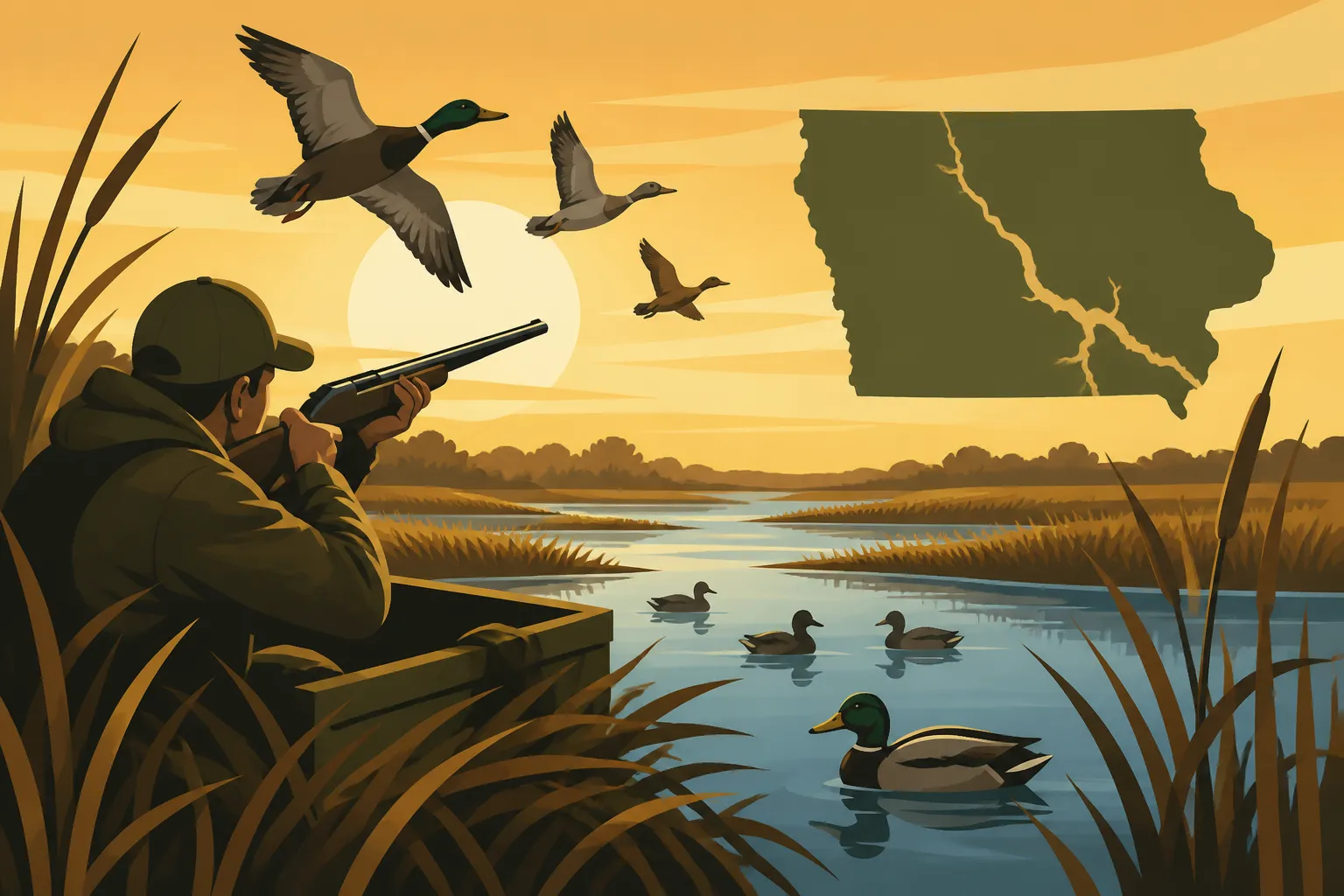
Hunting Iowa's river backwaters for waterfowl can be one of the most rewarding, yet often frustrating, experiences in the state. Many hunters feel overwhelmed trying to locate those prime spots where ducks and geese consistently gather, especially with the ever-changing river conditions. This guide is here to break down the complexities of finding, accessing, and effectively hunting these often-overlooked gems, helping you unlock the secrets of Iowa's dynamic river systems.
Understanding Iowa's River Backwater Ecosystems for Waterfowl
Iowa's rivers, particularly the mighty Mississippi and Missouri, along with their numerous tributaries, are intricate arteries that feed a vibrant ecosystem. Within these systems, the backwaters – those areas off the main channel, often formed by old river bends, sloughs, and oxbows – are absolute magnets for migrating waterfowl. But to consistently find success, you really need to understand what makes these places tick and how they change throughout the seasons. It's more than just looking for water; it's about seeing the whole picture.
The Dynamic Nature of River Systems
River backwaters are rarely static. They are constantly shaped by the push and pull of flood cycles, drought conditions, and the relentless process of sedimentation. One year, a prime slough might be brimming with shallow, duck-attracting vegetation, while the next it could be scoured out by a flood or choked with silt, becoming too deep or too dry to be productive. This constant state of flux is what makes scouting so critical and why what worked last year might not work today. You’ve got to be adaptable, reading the water and the landscape anew each season, sometimes even each week.
These dynamic changes directly impact how waterfowl use the habitat. High water can open up new feeding areas deeper in flooded timber or fields, while low water can expose vast mudflats, creating ideal loafing and feeding grounds that were previously underwater. Understanding these patterns, even generally, gives you a huge leg up. When you see a major rain event or a prolonged dry spell, your first thought should be, "How will this affect the backwaters and where the birds will be?" It's a puzzle, but a solvable one with observation and experience.
Key Habitat Features Attracting Ducks and Geese
Waterfowl are looking for two main things: food and security. River backwaters often provide both in spades, but specific features are more appealing than others. Shallow water is paramount, as most dabbling ducks feed by tipping up, not diving. Areas with water depths between a few inches and a couple of feet are ideal, allowing them to reach submerged aquatic vegetation (SAV) or seeds from emergent plants. Think about those glassy, calm spots where a mallard can easily put its head down and forage.
Beyond just shallow water, the presence of specific vegetation types is crucial. Smartweed, wild millet, sago pondweed, and various sedges are all highly desirable food sources for ducks. These plants thrive in the nutrient-rich soils of backwater areas, especially where water levels fluctuate to promote their growth. Timbered sloughs, old oxbows cut off from the main current, and areas with dense stands of cattails or bulrushes also offer critical loafing cover and protection from predators and strong winds. These are the places where birds feel safe enough to rest and digest, becoming prime hunting locations if you can approach them stealthily.
Scouting and Identifying Productive Backwater Areas
You can’t just show up on opening day and expect to find birds in a random backwater. Successful waterfowl hunting, especially in these often-hidden gems, hinges almost entirely on diligent scouting. It's about combining modern technology with good old-fashioned legwork to piece together the waterfowl puzzle. Don't skip this step; it's where legends are made and skunks are avoided.
Utilizing Maps and Aerial Imagery
Before you even step foot in the mud, spend some serious time with maps and aerial imagery. Online tools like the Iowa DNR Hunter Atlas, GoHunt, and onX Hunt are invaluable. Start by looking for areas adjacent to major rivers that show signs of old oxbows, sloughs, or wetland features. These often appear as crescent-shaped bodies of water, or dark, timbered channels running parallel to the main river. Zoom in and study the details: are there signs of emergent vegetation? What's the surrounding agricultural landscape like (corn and bean fields nearby can be a big draw)?
Pay close attention to historical water levels shown in satellite imagery from different times of the year, if available. Sometimes, a "dry" area on a recent photo might be a flooded timber haven during a typical fall. Look for distinct timber lines, breaks in the levee systems, or small creeks that feed into these backwaters, as these can indicate subtle current or flow, which often keeps water open longer into the season. You're looking for patterns, inconsistencies, and features that scream "duck magnet." For similar methods on land, consider brushing up on E-Scouting Iowa Farm Country From Home.
Boots-on-the-Ground Reconnaissance
Once you've narrowed down some promising spots on your maps, it's time to get out there. "Boots-on-the-ground" scouting, done before the season, is absolutely non-negotiable. This means physically visiting these backwater areas, ideally in the late summer or early fall when water levels might be similar to hunting season. You’re looking for active bird sign: concentrations of feathers, droppings, and most importantly, actual birds. Watch how they enter and exit the area, where they feed, and where they loaf. Are they spooking easily?
Check the water depth firsthand. You might find what looked like a shallow, perfect slough on the map is actually chest-deep in the spot you wanted to set up, or conversely, too shallow to float a decoy spread. Identify potential blind locations, assess current cover, and most importantly, find your access routes. How will you get your gear in? Is it walkable, or will you need a boat? Be mindful of not burning out a spot before the season even starts; observe from a distance whenever possible. This hands-on approach is crucial for understanding the nuances of the terrain and how it will hunt. Think of it as extended Scouting Iowa Public Land Before the Opener, but specifically for waterfowl habitat.
Essential Gear and Setup for River Backwater Hunting
Having the right gear and knowing how to set it up effectively can make all the difference between a memorable hunt and a frustrating cold morning. Backwater hunting presents its own unique challenges, from varying water depths to tricky access, so being prepared is key. Don't just grab a few decoys and hope for the best; think through your entire setup.
Decoy Spreads and Placement
Decoy spreads in backwaters are typically less about massive numbers and more about realism and strategic placement. You're often dealing with more confined spaces and closer shots than open field hunting. Start with a solid foundation of mallard decoys, as they are the most common dabblers, but consider adding a few pintails or teal to vary the look. For larger backwaters that also attract geese, a handful of full-body or shell goose decoys on nearby mudflats or shorelines can also be very effective at drawing attention.
The most effective spreads often mimic natural behavior. A "J-hook" or "U-shape" spread with an open landing zone near your blind is a classic. Always place your decoys into the wind, as real ducks land into the wind. Pay attention to water depth; ensure decoys are sitting naturally, not tipped over or grounded. In timbered sloughs, a few floating decoys tucked into the flooded trees can give the impression of birds resting and feeding naturally. For more in-depth advice on this, you might check out Decoying Ducks on a Backwater Slough.
Blind Options and Concealment
Concealment is absolutely paramount in backwater hunting. Ducks and geese have incredible eyesight, and if they spot you, your chances plummet. Natural blinds are often the best choice: tucked into a stand of flooded timber, behind a thick patch of cattails, or utilizing an existing brush line. The goal is to become part of the natural environment, breaking up your human outline completely. This means using natural vegetation from the area to brush in your position.
If natural cover is sparse, portable options like layout blinds (if you're hunting exposed mudflats or very shallow water) or boat blinds (if you're hunting from a boat) are excellent. For boat blinds, ensure you have plenty of netting and natural materials to truly hide the boat’s outline. Consider using camouflage patterns that match the local vegetation. Remember, even a small amount of movement or a flash of an uncamouflaged face can flare birds at the last second. It's similar to the meticulous process of Brushing In a Ground Blind for deer, but adapted for the water's edge.
Watercraft and Safety Considerations
Getting to those secluded backwaters often requires a boat, and the type of boat matters. Jon boats, canoes, or even kayaks are popular choices due to their stability in shallow water and maneuverability through tight channels. A small outboard motor can save a lot of paddling, but a good push pole or paddle is essential for navigating truly shallow or vegetated areas where an outboard would be useless or get stuck.
Safety should always be your top priority, especially when dealing with cold water. Always wear a PFD (Personal Flotation Device), even if you're an experienced swimmer. Carry an anchor, a long rope, navigation lights (if you'll be out before sunrise or after sunset), and a fully charged cell phone in a waterproof case. Be aware of currents, submerged obstacles like logs, and changing water levels. If you're hunting in late season, keep a close eye on ice formation; thin ice can be incredibly dangerous. Understanding the nuances of Boat Access to Iowa River Islands can provide further context on safe navigation.
Effective Hunting Strategies for Backwater Ducks and Geese
Once you've scouted your spot and set up your gear, the real art of backwater hunting begins. It’s about reading the situation, understanding bird behavior, and employing the right tactics at the right time. Every hunt is a new lesson, but some core strategies consistently put birds in the bag.
Reading the Wind and Water Conditions
The wind is your best friend and worst enemy in waterfowl hunting. Ducks and geese always land and take off into the wind. This knowledge is critical for decoy placement and blind orientation. Your decoys should be set up so that incoming birds will approach them flying into the wind, putting them right over your landing zone and often presenting easy shots. If the wind shifts during your hunt, be prepared to adjust your spread if possible, or at least understand how it will affect bird approach.
Water conditions also play a huge role. Strong currents in larger backwater channels might mean you need heavier decoy weights or a different anchoring system. Pay attention to ice formation. In late season, open pockets of water in an otherwise frozen backwater become extremely attractive to birds seeking refuge and a place to drink. These small, open holes can concentrate birds like nothing else. Understanding how factors like Wind and Thermals in River Breaks affect game movement is a skill that translates across all hunting.
Calling Techniques and Timing
Calling is an art form, not just noise. In backwater scenarios, less can often be more. Start with soft, inviting calls – a simple quack, a contented chuckle, or a soft feed call. Aggressive calling on approach might work on a distant flock in an open field, but in the more intimate setting of a backwater, it can often spook birds that are already close or wary. Observe their reaction; if they turn and commit, tone down the calling. If they seem hesitant, offer a little more.
Vary your calls: a single hen mallard quack, a short greeting call, or a soft comeback call if they're swinging wide. For geese, a deep honk or cluck can get their attention. The goal is to sound natural and confident, like a flock of happy birds already enjoying your backwater spot. Practice is key, and listening to live birds is the best teacher. Learn when to be silent too; sometimes, the best call is no call at all, especially when birds are locked on and coming in.
Early Season vs. Late Season Approaches
The approach to backwater hunting changes significantly between the early season and the late season. Early season (typically September/October) often means warmer weather, more prevalent teal and wood ducks, and larger, more diverse flocks. The focus might be on smaller, vegetated sloughs that hold early migrants. These birds can be less wary, and a simple spread with light calling can be effective. Food sources are abundant, so finding where they prefer to feed is paramount. For more on this, see Iowa Duck Migration Timing.
As the season progresses into November and December, things get serious. Temperatures drop, ice becomes a factor, and the primary species shifts to hardy mallards and Canada geese. These birds have seen it all and are much warier. You'll need more robust gear, better concealment, and often larger decoy spreads. Food becomes scarcer, concentrating birds on reliable food sources or open water. Locating unfrozen pockets, especially those near standing corn or picked bean fields, becomes critical. These larger, late-season flocks, particularly Mallards on Iowa River Backwaters, demand a higher level of precision and patience.
Access and Regulations Specific to Iowa Backwaters
Navigating the rules and access points for Iowa's river backwaters can be a bit of a labyrinth, especially for new hunters. Understanding where you can hunt and what laws you need to follow is just as important as knowing your calling techniques. Don't let a simple misunderstanding ruin your hunt or land you in trouble.
Navigating Public and Private Access Points
Iowa has a fair amount of public land along its major river systems, managed by the Iowa DNR, the U.S. Army Corps of Engineers, and County Conservation Boards. These areas often include numerous backwaters and are generally open to hunting. The Iowa DNR Hunter Atlas is an indispensable tool for identifying these tracts. Look for Wildlife Management Areas (WMAs) and State Forest units that border rivers. It’s also wise to check for specific rules that might apply to certain WMAs, as some may have restrictions on motors or overnight camping.
However, many prime backwater spots are adjacent to or completely surrounded by private land. Always be respectful of private property boundaries. If a backwater area appears to be on private land, you must obtain permission from the landowner before accessing or hunting it. Trespassing is not only illegal but also harms the reputation of all hunters. Understanding basic Iowa Landowner Permission Basics is critical, even when dealing with water access. Always default to seeking permission if there's any doubt, and remember that Public Hunting Land in Iowa can often still require careful navigation to avoid private property.
Understanding Iowa Waterfowl Regulations
Iowa has specific regulations governing waterfowl hunting that all hunters must adhere to. First and foremost, you need a valid hunting license, a migratory bird stamp (state and federal), and to be HIP registered. Non-toxic shot is mandatory for all waterfowl hunting, so leave the lead shot at home. Shotgun gauges allowed are generally 10-gauge or smaller, and your shotgun must be plugged to hold a maximum of three shells (one in the chamber, two in the magazine).
Pay close attention to season dates and bag limits, which vary by species and can change annually. The Iowa DNR website is your authoritative source for current regulations. Shooting hours typically run from one-half hour before sunrise until sunset. Be aware of special seasons, like the early teal season, which has its own specific dates and bag limits. Familiarize yourself with the Iowa Duck Season Zones and ensure your Iowa Duck Stamp and HIP Requirements are up to date.
Post-Hunt Practices and Conservation
A successful hunt doesn't end when the birds hit the water; it continues with responsible post-hunt practices and a commitment to conservation. As hunters, we are stewards of the land and water, and our actions directly impact the future of these precious resources.
Ethical Game Recovery and Handling
Once a bird is downed, your first priority is a swift and ethical recovery. This often means sending your retriever (if you have one) immediately or quickly getting your boat to the downed bird. Leaving a bird in the water contributes to waste and reflects poorly on hunters. If you're hunting in heavy cover, mark the spot where the bird fell meticulously.
Proper game handling ensures delicious table fare. As soon as possible after recovery, field dress your birds to cool them down, especially on warmer days. This typically involves removing the entrails. In colder weather, you can often pluck and breast them out later, but in early season, cooling is crucial. Place them on ice or in a cooler as soon as you get back to your vehicle. This diligence helps preserve the meat and honors the animal you've harvested.
Leaving No Trace and Promoting Conservation
We have a collective responsibility to leave the hunting area better than we found it. This means picking up all spent shotgun shells, any packaging from snacks, drink containers, and certainly any broken decoys or lines. Pack out everything you pack in. Leaving trash behind not only pollutes the environment but also degrades the public perception of hunters and can lead to access restrictions on public lands. This ethic aligns perfectly with the principles of Leaving No Trace on Iowa Walk-In Ground.
Beyond personal responsibility, consider supporting conservation organizations like Ducks Unlimited or the Iowa Natural Heritage Foundation. These groups work tirelessly to preserve and restore critical waterfowl habitat, ensuring that future generations will have the opportunity to experience the thrill of backwater hunting. Buying your federal duck stamp is also a direct contribution to conservation, with 98% of the funds going directly to acquiring and protecting wetland habitat. Our passion for hunting drives our commitment to conservation.
Backwater Hunting Comparison: Early vs. Late Season
| Feature | Early Season (Sept – Oct) | Late Season (Nov – Dec) |
|---|---|---|
| Typical Species | Teal, Wood Ducks, early Mallards, Gadwall | Mallards, Canada Geese, some Divers (e.g., Ringnecks) |
| Weather | Warmer, milder temperatures | Colder, freezing temps, potential for ice |
| Water Levels | Variable, often lower after summer, or rising from fall rains | Can be high from late fall rains/snowmelt, or freezing |
| Vegetation | Abundant emergent aquatic plants, green timber | Deciduous vegetation mostly brown/bare, less emergent |
| Food Sources | Diverse seeds (smartweed, millet), insects, acorns | Waste grain (corn/soybeans), submerged aquatic plants |
| Bird Waryness | Generally less wary, often respond to simpler calling | Highly wary, have been pressured, require stealth/realism |
| Decoy Spreads | Smaller spreads often effective, focus on variety | Larger spreads, focus on mallards/geese, open water |
| Calling | Softer, contented calls, less aggressive | More realistic, nuanced calling, knowing when to be silent |
| Access | Easier navigation through vegetation | Potential for ice, difficult shallow water, more open water needed |
| Clothing | Lighter layers, rain gear | Heavy, insulated, waterproof layers, waders for ice |
| Challenges | Mosquitoes, finding consistent patterns, warm birds | Ice formation, extreme cold, highly educated birds |
Disclaimer
The information provided in this guide is for general informational purposes only and does not constitute legal advice. Hunting regulations, season dates, and access rules can change frequently. Always consult the most current Iowa Department of Natural Resources (DNR) regulations and local ordinances before engaging in any hunting activities. Adhere to all safety guidelines and ethical hunting practices.