Snort-Wheeze on a Cruising Buck
You’ve been there: a monster buck, head down, antlers sweeping through the saplings, cruising through the timber or along a field edge, completely oblivious to your presence. Your heart pounds a frantic rhythm against your ribs, and you know he’s going to walk right out of your life if you don’t do something. That moment of decision can be agonizing. The snort-wheeze, when timed and executed perfectly, can be the aggressive, attention-grabbing call that finally stops him in his tracks and maybe, just maybe, turns him right into your shooting lane. This guide will walk you through mastering this high-stakes deer vocalization, giving you the confidence to deploy it when it matters most in the Iowa woods.
Decoding the Whitetail Snort-Wheeze
Before we even talk about making the sound, it’s crucial to understand what a snort-wheeze actually is in the deer world. It’s not a friendly greeting, and it’s certainly not a plea for company. This isn't a bleat or a social grunt. This is a challenge, a declaration, and a direct threat.
The Sound of Dominance and Aggression
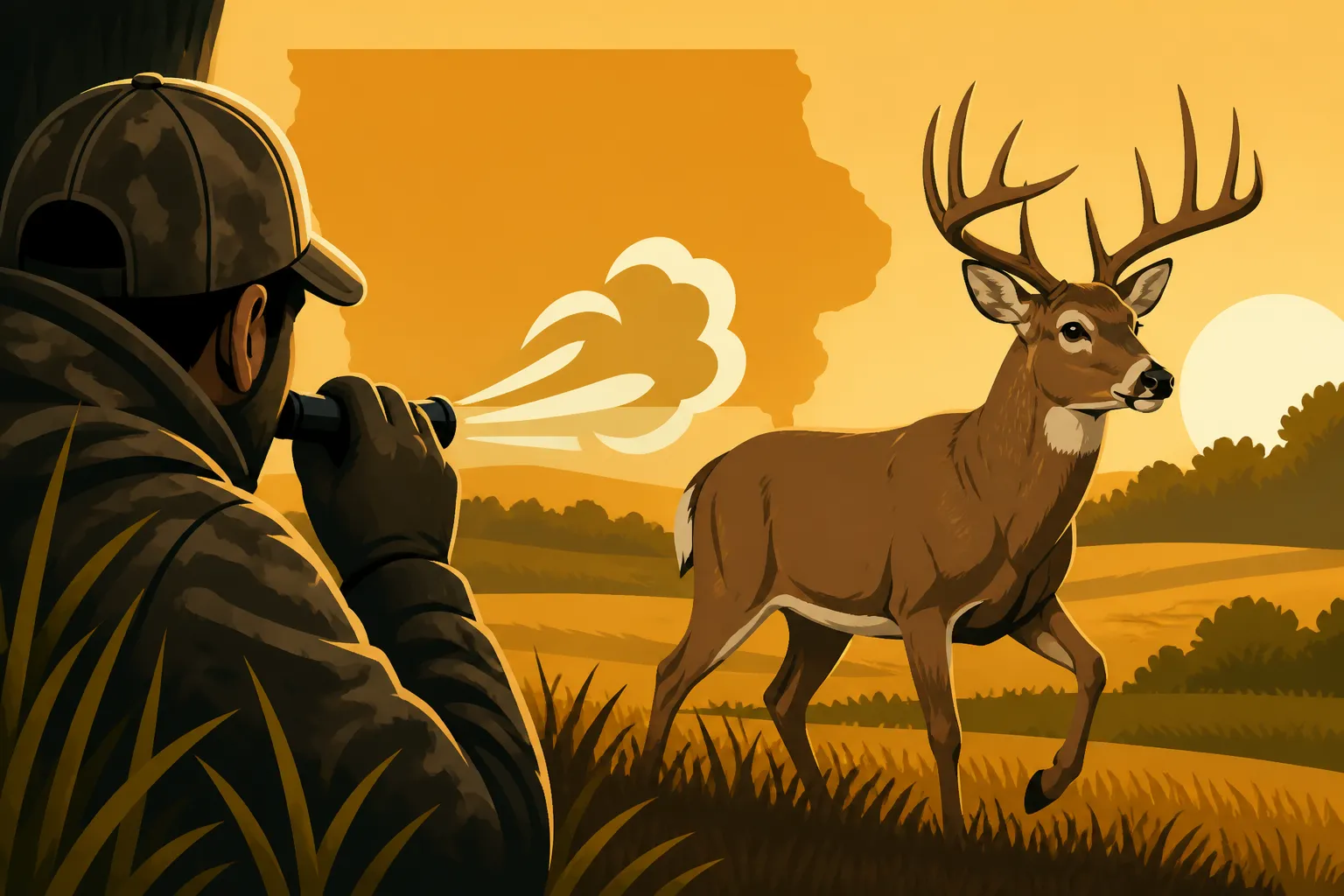
Imagine a sudden, forceful expulsion of air through a buck's nostrils, often punctuated by a distinct, almost whistle-like wheeze. It’s sharp, piercing, and short, usually a series of two to three quick bursts: "Pffft-pffft-pfffft!" It’s quite unmistakable once you’ve heard it in the wild. Think of it as the whitetail equivalent of a human chest-puffing, aggressive "Hey, you! What are you doing here?!"
This isn't a sound a subordinate buck makes to a dominant one. It’s a vocalization reserved for bucks asserting their dominance, warning off intruders, or directly challenging a rival. It’s a bold statement, often a precursor to a confrontation. They're telling another buck, "This is my turf, these are my does, and you better back off."
Why it Stops a Cruising Buck
So, why would such an aggressive sound be the very thing you want to use on a buck that’s simply cruising by, seemingly uninterested in anything but finding a hot doe? It boils down to their primal instincts and the social hierarchy of the whitetail world, especially during the breeding season.
A cruising buck is on a mission, yes, but he's also constantly evaluating his surroundings. He's looking for does, but he's also acutely aware of other bucks. When a dominant buck snort-wheezes, it hits a nerve. It taps into that inherent drive to defend territory and social standing. If he's a mature, dominant buck himself, his ego won't let him ignore it. He'll often stop, raise his head, and try to pinpoint the source of that challenge. He might even turn and march directly towards it, ready for a confrontation. Even a less dominant buck might hesitate, trying to assess if the "aggressor" is someone he wants to tangle with. That hesitation, that moment of turning, is exactly what you’re hoping for.
Pinpointing the Perfect Moment for the Wheeze
Deploying a snort-wheeze isn't something you do willy-nilly. It's a high-reward, high-risk maneuver that demands precise timing and a good read on the buck's body language. Misuse it, and you might just send your target running for the county line.
The Iowa Rut: Your Prime Window
Hands down, the absolute best time to effectively use a snort-wheeze is during the whitetail rut. In Iowa, this typically kicks into high gear from late October through mid-November, with the peak often hitting around the first two weeks of November. This is when bucks are at their most aggressive, territorial, and competitive. Their testosterone levels are through the roof, and their minds are almost solely focused on finding and breeding does, and fending off rivals.
During this period, bucks are covering vast amounts of ground. You'll see them Hunting the Iowa Pre-Rut in Late October and well into November, relentlessly searching, scent-checking, and pushing through areas where does might be. This behavior makes them susceptible to a challenging call like the snort-wheeze. They’re already primed for conflict.
Reading the Cruising Buck
Not every buck deserves a snort-wheeze. This call is designed for a very specific type of buck behavior:
- He's Truly Cruising: This means he's moving with purpose, head often low, sniffing the ground, checking for fresh scent, not dilly-dallying. He's on a mission, but he's not locked down with a doe, nor is he fleeing. He's looking.
- He's Oblivious (or Seems To Be): The ideal scenario is a buck that appears completely unaware of your presence. He’s walking a trail, checking a Timber Point Between Two Fields, or paralleling a fence line, and isn't looking in your direction. If he's already seen you or is acting wary, a snort-wheeze will likely confirm his suspicions and send him scattering.
- He's a Mature Buck: While you might get a younger buck to stop, the snort-wheeze is most effective on mature, dominant bucks. These are the ones who have earned their status and are less likely to back down from a challenge. A 1.5-year-old might just get spooked, but an older buck often takes it personally.
- Within Hearing Range, but Not Too Close: You want him to hear it clearly, but not be so close that he immediately spots you when he turns. A general rule of thumb is anywhere from 50 to 150 yards. If he's closer, a soft grunt might be a safer bet, or just letting him walk.
Using your mapping app, like GoHunt, during your e-scouting can really help here. You can identify potential travel corridors, pinch points, and funnel where bucks are likely to cruise, giving you a heads-up on ideal stand locations and calling distances.
Mastering the Snort-Wheeze: Technique and Delivery
Making the sound is one thing; making it sound convincing and deploying it strategically is another. Like any deer call, practice is paramount.
Tools of the Trade: Mouth vs. Grunt Tube
You have a couple of options for producing a snort-wheeze:
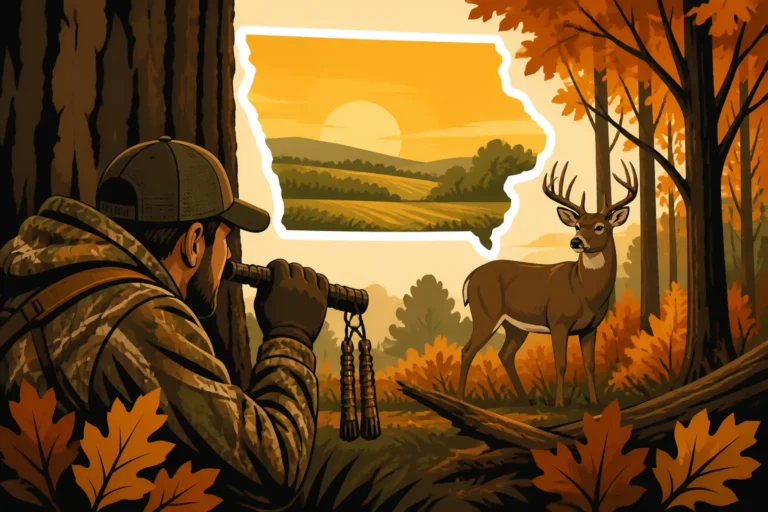
- Mouth Call: This is the most authentic method, as it mimics the deer directly. It requires some practice. You’re essentially creating a short, sharp burst of air through your nose, often with your lips slightly puckered or teeth gently touching to create that characteristic "wheeze." Think of trying to blow air out of your nose very forcefully, almost like a sneeze, but controlled. Some hunters curl their tongue slightly to help create the wheeze. The advantage here is that it's hands-free, allowing you to remain ready for a shot. The disadvantage is it takes serious practice to get it right and consistently loud enough.
- Grunt Tube: Many grunt tubes, like those made by Primos or Flextone, come with a specific reed or mechanism designed to produce a snort-wheeze. These are often easier to learn quickly, as the call does most of the work for you. The downside is that you have to take your hands off your bow or gun to use it, which means precious seconds lost if the buck commits fast. If you go this route, practice drawing your weapon immediately after calling.
Whichever method you choose, practice at home. Record yourself. Listen to real deer snort-wheezes online. You want a sharp, aggressive, slightly snotty "pffft-pffft-pfffft" sound, usually 2-3 short, forceful bursts.
Volume, Cadence, and Timing
Getting the sound right is only half the battle; delivery is everything.
- Volume: This is a loud, attention-grabbing call. Don't whisper it. You need enough volume to cut through the timber or across a field edge. However, don't blow your lungs out either; an unnaturally loud call can sound fake. Find a balance that projects aggression without sounding like a human trying too hard.
- Cadence: Typically, a snort-wheeze consists of 2-3 short, distinct bursts. "Pffft! Pffft! Pfffft!" Pause briefly between bursts. Don't string them out into one long, continuous sound.
- Timing is Everything: This is the most critical aspect.
- Wait for the opportune moment: As the buck is cruising, wait until he's perhaps behind a tree, momentarily out of sight, or has his head down. You don't want him looking directly at you when you call. This gives him a moment to process the sound before he locates its source.
- First call: A single sequence of 2-3 wheezes is often enough. Don't overdo it. If he stops, turns, and looks, be ready.
- Second call (if needed): If the first call doesn't fully commit him, and he continues to move away or seems unsure, you might try a second, slightly softer, shorter snort-wheeze, perhaps combined with a soft grunt. But proceed with extreme caution. Often, one good snort-wheeze is all you get.
- Be ready! As soon as you call, assume he's coming. Get your bow up or your rifle shouldered. You need to be able to make the shot as soon as he steps into an open lane. This might mean only a split second from the time he stops until he turns and bolts.
Remember the cardinal rule of calling: The goal isn't to hold a conversation; it’s to elicit a reaction. Often, that reaction is a sudden stop, a head turn, and hopefully, a path directly into your shooting lane. Being ready for a quick shot, especially if you’re bowhunting, is critical. Think about your Shot Placement on a Whitetail at Twenty Yards the second you press that call to your lips.
Avoiding Common Mistakes and Maximizing Success
The snort-wheeze is a powerful tool, but it's also easy to mess up. Learning from common pitfalls can significantly increase your chances of success.
When NOT to Use a Snort-Wheeze
Just as important as knowing when to use it, is knowing when to keep quiet.
- Wary or Spooked Deer: If a buck has already made eye contact with you, stomped, snorted, or is acting jumpy, a snort-wheeze will almost certainly send him flying. He’s already on high alert, and an aggressive sound will confirm his worst fears.
- Subordinate or Young Bucks: While some young bucks might get curious, many will simply be intimidated and run. You're aiming to challenge a dominant buck's ego, not scare off a yearling.
- Bucks Already Engaged: If the buck is actively breeding a doe, chasing one hard, or locked down, a snort-wheeze is less likely to pull him away. His focus is elsewhere. You might get him to glance, but his primary mission won't be easily interrupted. This is where calls like a tending grunt or even a Doe Decoy Versus Buck Decoys might come into play if you're feeling adventurous.
- Close Range: If the buck is already within 30-40 yards and moving directly towards or past you, calling him might do more harm than good. Any sudden movement or sound could give away your position. Let him come or pass, or consider a very soft grunt to stop him for a shot.
Setting Up for the Shot
Once you make that call, everything changes. The buck might turn and look, he might come investigate, or he might run. You have to be prepared for the first two.
- Visualize the Shot: Before you even call, mentally walk through the shot sequence. Where will he stop? What shooting lanes do you have? Is there a tree you can hide behind for a final draw?
- Be Still, Then Draw/Shoulder: The moment you make the call, freeze. Don’t move a muscle until the buck commits to turning and looking away, or commits to coming in. Once he turns his head, and his eyes are directed away from your position, that's your window to slowly and silently draw your bow or shoulder your firearm.
- Wind Direction is Critical: This is true for all deer hunting, but especially when calling in an aggressive buck. He will almost certainly try to circle downwind to scent-check the "intruder." Always anticipate this. Position yourself so the wind is in your favor, or at least predict his approach to give you a shot before he gets a whiff of you. Understanding Wind and Thermals in River Breaks can be the difference between success and failure here.
Using Technology to Your Advantage
Modern hunting often integrates technology to enhance strategy. While you're in the moment and trying to get a buck to commit, the planning that goes into that moment can be greatly enhanced. Using mapping apps, like GoHunt, is invaluable. Before you even set foot in the timber, you can perform E-Scouting Iowa Farm Country From Home to identify potential bedding areas, travel corridors, and those crucial pinch points where a cruising buck is most likely to show up. This prior knowledge allows you to set up your stand in a location that maximizes your chances of seeing deer within calling range. GoHunt can also help you understand property lines, public access points, and terrain features that might influence how a buck responds to a call.
| Call Type | Primary Purpose | Best Time to Use | Target Buck Behavior | Key Considerations |
|---|---|---|---|---|
| Snort-Wheeze | Aggressive challenge, dominance | Peak rut, pre-rut (late Oct – mid Nov) | Cruising, checking scrapes, curious, rival | Use on mature, confident bucks. Be ready to shoot! |
| Grunt (short) | "Where are you?", social contact | Pre-rut, early rut, calming deer, post-rut | Moving, stopping, looking, distracted | Versatile, less aggressive. Good for stopping deer. |
| Grunt (long/deep) | Seeking does, challenging | Peak rut | Cruising, distant, looking for action | More aggressive than a short grunt, but less than SW. |
| Rattling | Fighting bucks, dominance | Peak rut, pre-rut | Distant, cruising, active searching | Needs cover, best when combined with grunts. |
| Doe Bleat | "I'm lonely", "come find me" | Early season, post-rut, mid-rut when quiet | Bucks ignoring other calls, distant, non-aggr. | Can draw in bucks searching for does. |
Ultimately, the snort-wheeze is a tool for the brave, the patient, and the prepared. When you see that monster Iowa buck cruising, remember this guide, take a deep breath, and deliver that aggressive challenge with confidence. It just might be the sound that brings your trophy buck within range.
Disclaimer
Hunting is an inherently dangerous activity. Always prioritize safety, follow all local and state regulations, and ensure you have proper training and licensing. The information provided here is for educational purposes and should not be taken as a guarantee of success or a substitute for professional guidance. Always respect wildlife and the environment.