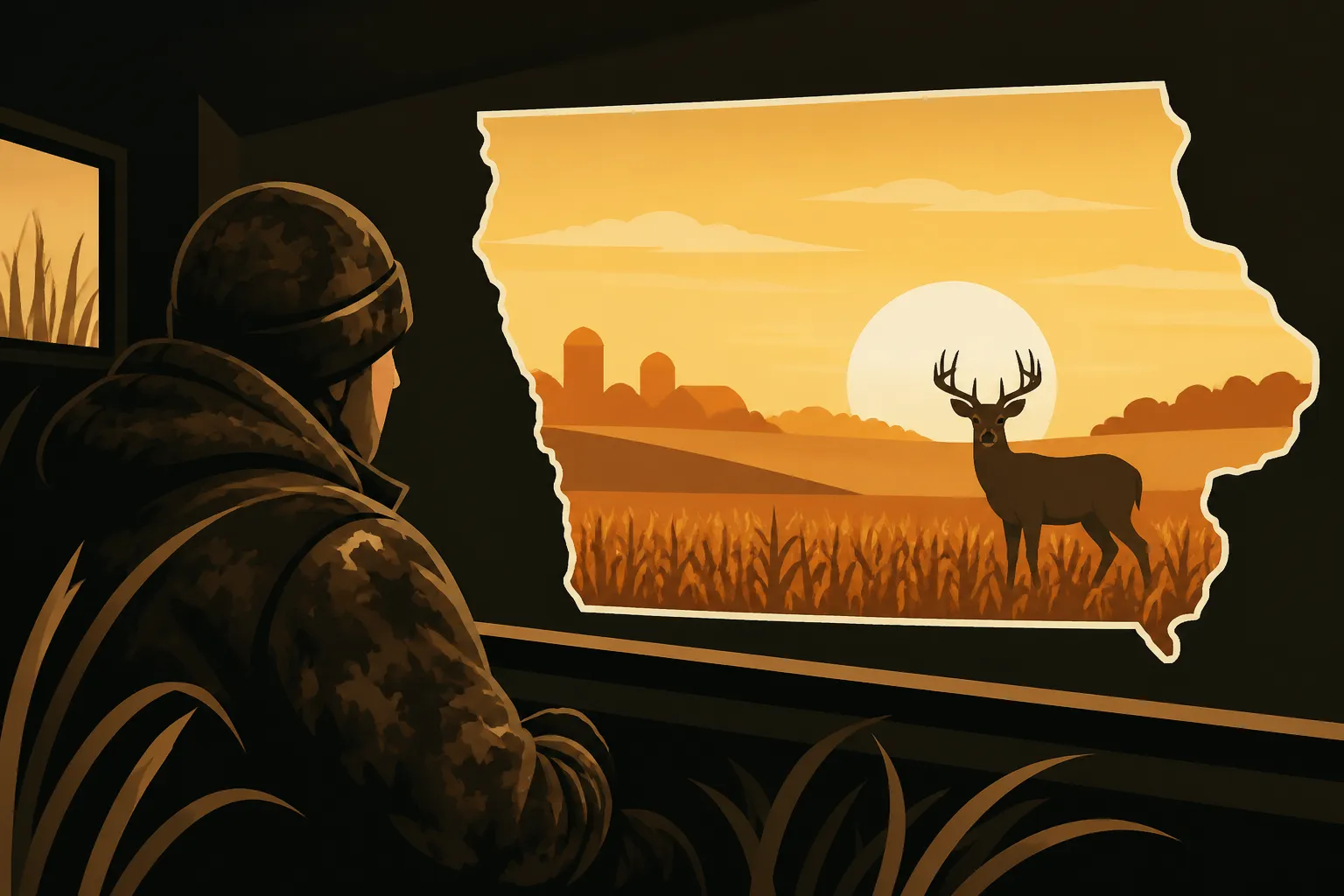
Hunting From a Blind Without Movement
It’s a tale as old as time for many deer hunters: you’re settled into your ground blind, the woods are quiet, and then you see movement. A nice buck is finally coming your way! Your heart pounds, you slowly reach for your bow or rifle, and boom — it spots you. In a flash, it’s gone, leaving you frustrated and wondering what went wrong. The truth is, deer are masters of detecting even the slightest disturbance. This guide will walk you through the art of hunting from a blind without movement, helping you blend in so completely that even the wariest whitetail won't know you're there.
Understanding the Deer's Perspective: Why Movement Matters So Much
Before we can even talk about how to stop moving, we need to genuinely understand why it's such a critical factor for deer. These animals are prey. Their lives depend on their ability to detect predators, and humans in a blind stick out like a sore thumb if we're not careful. Their senses are finely tuned to pick up on anything out of the ordinary, and a flicker of movement against the static background of the woods is a huge red flag.
Deer Eyesight: What They Actually See
A common misconception is that deer have poor eyesight. While they don't see in the vibrant color spectrum that we do, their vision is incredibly good at detecting movement, especially in low light conditions like dawn and dusk when they are most active. Think of it less like a blurry, black-and-white movie and more like a high-contrast motion detector.
Their eyes are positioned on the sides of their heads, giving them a very wide field of view, almost 300 degrees. This panoramic vision means that even a subtle shift of your hand or the turn of your head inside a blind can be picked up, even if you think you're well-hidden. They excel at detecting horizontal movement, which is often unnatural in a vertical forest environment. So, when you reach for your coffee or shift your rifle, that unnatural horizontal motion is exactly what they're looking for. Colors like blue and UV light also stand out to them, which is why scent-eliminating washes that claim to reduce UV glow are popular. The slightest flash of an exposed hand or face, particularly against a dark blind background, can trigger their alarm system.
The Silent Language of the Woods: Sound and Scent
Beyond sight, deer rely heavily on their hearing and sense of smell. Any noise you make inside that blind – the rustle of your jacket, the clink of a coffee mug, the creak of your chair – carries far further than you might imagine in the still timber or across a quiet field. These sounds, particularly when they're abrupt or unnatural, tell a deer that something is amiss. It’s not just loud noises either; consistent, soft shuffling can also alert them over time.
Then there's scent. No matter how still you are, if your human odor is blowing downwind into their path, they'll bust you every time. A deer's nose is thousands of times more sensitive than a human's, capable of detecting the faintest trace of a foreign scent from hundreds of yards away. Wind currents can be tricky in the timber and river bottoms, swirling and carrying your scent in unexpected directions. This is why paying attention to the wind direction isn't just a suggestion; it’s an absolute necessity. Even if you don't move a muscle, if your scent cone reaches them, it's game over.
Setting Up Your Blind for Maximum Concealment
Achieving stillness isn't just about what you do inside the blind; it starts long before, with how you choose your location and set up the blind itself. A well-placed and properly prepared blind will give you a significant advantage, forgiving minor mistakes and making it easier to remain undetected. You can use mapping tools like GoHunt to scout locations remotely, looking for dense cover or natural funnels that dictate deer movement.
Strategic Placement and Brushing In
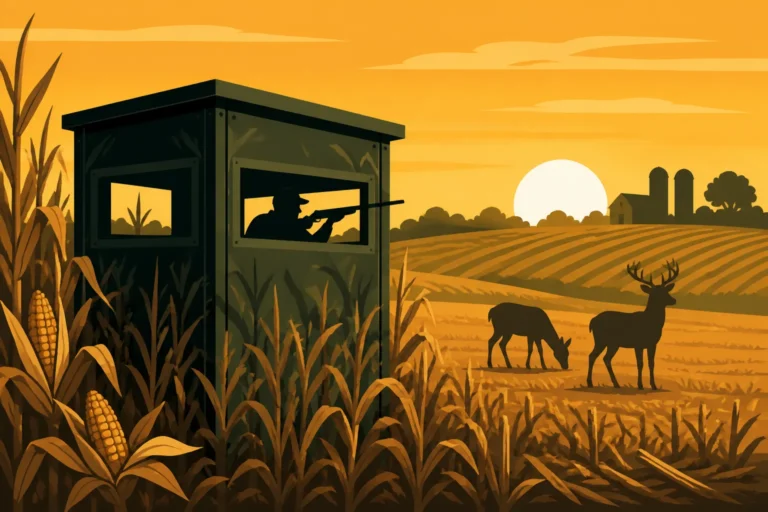
The location of your blind is paramount. Don’t just plop it down in an open field. Look for natural cover that can help break up its outline. The edge of a thick cedar thicket, a dense fencerow, or a small brushy island in a larger field are ideal spots. When Hunting From a Blind Without Movement, the goal is for the blind to become an integrated part of the landscape. Place it where shadows are plentiful, perhaps at the base of a large tree or tucked into a cluster of evergreens. Consider the sun's position throughout the day; you don't want the sun shining directly into your windows, creating glare and silhouetting you.
Once you’ve found that perfect spot, you absolutely must brush in your blind. This isn't optional, it's essential. Gather natural materials from the surrounding area—branches, deadfall, tall grass, corn stalks—and pile them around the blind. The more, the better. Break up the hard lines and rectangular shape of the blind so it doesn't scream "man-made object" to every passing deer. If you're hunting on public ground, make sure to check local regulations about modifying habitat, but generally, gathering dead branches or grass is acceptable. The more time you spend brushing it in, the less likely deer are to focus on the blind itself and the more they'll simply perceive it as another part of the natural environment. Think about how a deer's home range in farm country might interact with your chosen blind spot.
Optimizing the Interior: Light, Layout, and Gear Management
The inside of your blind is just as important as the outside. First, deal with light. A dark interior is your best friend for hiding movement. Many blinds have black interiors for this reason. If yours doesn't, consider hanging dark fabric on the non-shooting windows. Close off any windows you don't plan to shoot out of. This creates a dark void where your movements are less likely to be seen. Remember, a deer's eye is very good at detecting contrast; a bright background behind you or light filtering in can easily give you away.
Next, think about your layout. You want enough room to move slowly and deliberately without bumping into walls or gear. Choose a comfortable, quiet chair that swivels smoothly and doesn't creak. If your chair is noisy, it's already working against you. Arrange all your gear—bow, rifle, binoculars, rangefinder, water bottle, snacks—within easy, silent reach. Nothing screams "hunter" like fumbling around for your grunt call when a buck is staring you down. Consider using a small table or hanging organizer inside. Organize your pack so the most frequently used items are accessible. This preparation means you won’t have to shift awkwardly or stand up to grab something. When scouting Iowa public land before the opener, visualizing your setup in the blind can help determine the best spots.
| Blind Interior Checklist | Action | Why it Matters |
|---|---|---|
| Dark Interior | Close non-shooting windows, use dark fabric. | Minimizes light contrast, making internal movement harder for deer to detect. |
| Quiet Chair | Use a comfortable, swivel chair that doesn't creak or squeak. | Reduces auditory cues that alert deer to your presence. |
| Organized Gear | Place all essential items (weapon, optics, calls, water) within silent, easy reach. | Eliminates the need for large, sudden movements or fumbling, which can easily draw a deer's attention. |
| Clear Shooting Lanes | Ensure windows are clear of obstructions and shooting lanes are pre-cut. | Prevents last-minute adjustments, window opening, or having to shift your body to get a shot, minimizing movement at critical moments. |
| Comfortable Position | Choose a seating position that allows you to sit for long periods without fidgeting or stretching. | Reduces the need for fidgeting, shifting, or restless movements that betray your presence. |
| Eliminate Reflective Surfaces | Cover or remove anything shiny (phone, watch, zipper pulls, reflective optics) that could catch light. | Even a tiny glint of sunlight can catch a deer's eye and instantly put them on high alert. |
Mastering Stillness: Techniques for Inside the Blind
Okay, the blind is set up perfectly, brushed in, and your gear is organized. Now comes the hard part: mastering yourself. This is where the rubber meets the road, and it requires discipline and a deep understanding of deer behavior.
Slow and Deliberate Movements
The key to hiding movement isn't necessarily no movement, but controlled, slow, and purposeful movement. Deer are wired to notice sudden, jerky motions. If you need to raise your binoculars, do it agonizingly slowly. Take several seconds, even a minute, to bring them to your eyes. Break the movement down into tiny, almost imperceptible steps, pausing between each one. Think of it like watching a sloth move – that's the speed you're aiming for.
This applies to everything: raising your bow, shouldering your rifle, even just shifting your weight. Before you move, scan the area around your blind, not just the shooting lane. Are there other deer nearby? Is the target deer looking in your direction? Only move when its head is down, it’s looking away, or it’s behind heavy cover. Remember, deer might not recognize you as a human immediately, but unnatural movement will make them scrutinize your position. You want them to look right through you, seeing only a patch of dense timber or an innocuous pile of brush. Even a slight change in your posture to get a Shot Placement on a Whitetail at Twenty Yards needs to be practiced to be seamless.
Utilizing Gear and Natural Pauses
Your gear should work for you, not against you. If you have a rifle or crossbow, consider using shooting sticks or a bipod. This allows you to rest your weapon, taking the strain off your arms and reducing the likelihood of fatigue-induced twitching. It also means less movement to raise your weapon at the moment of truth.
Furthermore, learn to use natural pauses in deer behavior. When a deer feeds, its head will be down for extended periods. When it walks, its focus is often on its path. These are your windows of opportunity for making small, necessary movements. If a deer is staring intently in your direction, freeze. Don't even blink if you can help it. Wait for it to relax, turn its head, or take a few steps before you initiate any movement yourself. This patience is crucial. When the Iowa rut peaks, bucks are often on the move and less cautious, but they can still pick up movement. Use this knowledge to your advantage.
You can also use the cover of sound. A gust of wind, a distant passing car, or even a flock of pheasants flushing can provide a brief auditory distraction that masks the soft sounds of your repositioning. However, don't rely solely on this; it's a bonus, not a primary strategy. This mindful approach is especially vital on public land where deer may be more wary due to increased Hunting Pressure Patterns on Iowa Public Land.
Managing Distractions and Staying Focused
Staying still for hours on end is mentally taxing. It's easy to get bored, pull out your phone, or fidget. These distractions are your enemy. When Hunting From a Blind Without Movement, every little fidget, every glance at your phone screen, creates movement and potentially light.
Before you even step into the blind, mentally prepare for the long haul. Bring only essential items that won't distract you. Leave your phone on silent and deep in your pack unless it's an emergency or being used for a mapping app like GoHunt to mark deer sign or potential escape routes. Focus your gaze on the surrounding environment. Watch the squirrels, listen to the birds, identify trees. Be present in the moment. This engagement with the natural world can help you maintain focus without succumbing to fidgeting. Hydrate and eat before you sit, and consider smaller, quiet snacks if truly needed. The less you reach into your pack, the better. Consider bringing a thermos with a warm, quiet drink, but pour it slowly and carefully. Dress in quiet fabrics for treestand hunting or ground blind hunting, ensuring no rustling from your jacket or pants.
Practice and Preparation: Building Good Habits
Like any skill, mastering stillness in a blind takes practice. You wouldn't expect to hit a bullseye with a bow on opening day without shooting practice, and the same goes for remaining motionless.
Simulating Hunting Conditions
One of the best ways to practice is to simulate real hunting conditions. Set up your blind in your yard or a secluded spot. Get in it with all your gear, exactly as you would on a hunt. Spend an hour or two just sitting, doing nothing but watching. Practice slowly raising your binoculars, moving your weapon, and scanning for imaginary deer. Have a friend watch you from a distance (20-50 yards) and point out every movement they detect. You might be surprised by how much you move unconsciously. This feedback is invaluable.
Another exercise is to practice drawing your bow or shouldering your rifle inside the blind without any wasted movement. Do it dozens of times. Identify the most efficient, quiet, and slow path for your hands and body to take. The more muscle memory you build, the less you'll have to think about it when a deer is approaching, and the less likely you are to make a sudden, thoughtless movement. Think of it as a dry run for your First Week of November Stand Choice, but in a blind.
Self-Correction and Learning from Experience
Every hunt, successful or not, is a learning opportunity. If a deer spooks, don't just shrug it off. Ask yourself why. Was it movement? Scent? Sound? Where was the deer looking when it busted you? What were you doing at that exact moment? Review your setup. Did you brush in enough? Was the sun causing a glare?
Keep a mental log, or even a physical one, of these experiences. Over time, you'll start to recognize patterns in deer behavior and your own habits. Perhaps you realize you always adjust your hat at a crucial moment, or your calls are too loud. Maybe your Access Routes That Do Not Bump Deer are too close to bedding. This self-correction is critical for improvement. Don't be afraid to adjust your approach, your gear, or your blind placement based on what you learn. The goal is continuous improvement, turning those frustrating busts into successful encounters.
The more you practice and pay attention, the more natural it will become to move with intention and stillness. It's about respect for the animal and dedication to the craft, and it's what truly separates successful blind hunters from those who consistently struggle.
Disclaimer
Hunting is an inherently dangerous activity. Always prioritize safety, adhere to all local, state, and federal hunting regulations, and obtain proper licensing before participating. The information provided in this guide is for informational purposes only and should not replace professional instruction or local wildlife agency guidelines.