First Week of November Stand Choice
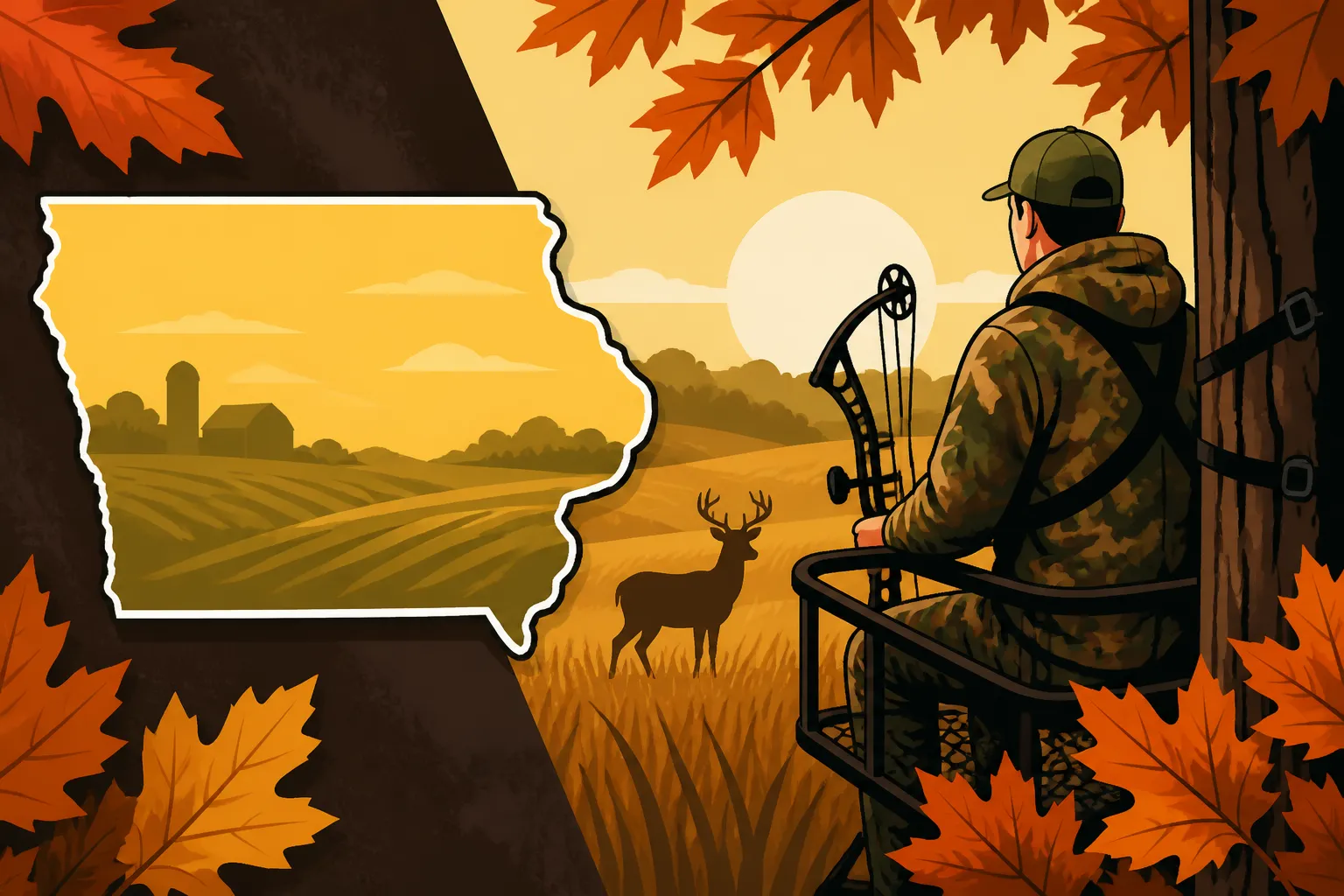
That first week of November in Iowa can feel like the absolute make-or-break moment for many deer hunters. You've put in the time scouting, maybe even had a few decent encounters in October, but now it's prime time, and the pressure is on to pick that perfect stand location. The struggle is real; you don't want to blow it on a bad sit when bucks are on the move. This guide is here to walk you through exactly how to select your best stand choices for that critical first week, ensuring you're in the right spot when a trophy buck cruises by.
Understanding the Dynamics of Early November
The early part of November in Iowa is a magical, yet sometimes frustrating, time to be in the deer woods. It's when the whitetail rut is typically in full swing, or just about to peak, and deer behavior shifts dramatically. This isn't your October food-source hunting; it's a whole new ball game, and your stand choice needs to reflect that.
The Tail End of the Pre-Rut and Early Peak
Think of the first few days of November as the crescendo of the pre-rut, bleeding right into the peak of breeding activity. Bucks, especially those mature ones, are no longer just thinking about food; they're driven by one thing: finding does. This means their travel patterns become far less predictable, and they'll cover a lot more ground than they did even a week or two prior. You might see younger bucks already locked down with does, but those older, more cagey deer are often still cruising, checking scrapes, following scent trails, and covering their core area looking for receptive females. It’s during this window that you’ll often see bucks moving during daylight hours in places they wouldn’t dare step foot in during earlier seasons. Understanding When the Iowa Rut Peaks is crucial for timing your sits.
What this means for us hunters is that traditional food source ambush points, while still having some merit later in the season, are less effective now. A buck on the prowl for a doe is often less concerned with grabbing a quick bite to eat. He's got a mission. This increased daytime movement, especially in areas with good doe populations, is what makes this week so exciting. However, it also means bucks are often moving quickly, sometimes erratically, and you need to be positioned where they're most likely to pass through, even if they're not stopping for a meal.
Shifting Food Sources and Deer Movement
While bucks are primarily doe-focused, food still plays a role, albeit a secondary one. Does still need to eat, and where the does are, bucks will eventually follow. However, the prime food sources often change by early November. Many soybean fields might be harvested, and standing corn may or may not still be in the fields, depending on the year and the farmer. This means deer are often shifting their focus to unharvested crops, acorn flats, or planted food plots that offer late-season nutrition.
When you're Scouting Iowa Timber and River Bottoms, pay close attention to which trees are still holding acorns or if any mast crops are present. If agriculture is your primary hunting ground, look for fields that haven't been picked yet, or consider food plots like brassicas or winter wheat that are highly attractive this time of year. Deer will congregate around these reliable food sources, and bucks will often swing by them, either checking for does or just passing through on their way to other breeding grounds. Your stand choice should account for these general areas where does are still gathering for sustenance, even if the buck's primary driver isn't eating.
Key Stand Placement Strategies for the First Week
Given the unique dynamics of early November, your stand placement needs to be strategic. We're looking for travel corridors, interception points, and areas where bucks are naturally funneled due to the terrain. This is less about catching a deer feeding and more about intercepting a cruising buck.
Focusing on Funnels and Pinch Points
Funnels and pinch points are your absolute best friends during the first week of November. These are geographical features that constrict deer movement into a narrower path. Think about natural bottlenecks where deer have to pass through. This could be a narrow strip of timber between two large open fields, a saddle in a ridge, or a creek crossing. These areas concentrate deer movement and increase your odds dramatically. The narrower the funnel, the better your chances of getting a shot.
One classic example in Iowa is a timber draw that connects two larger blocks of timber or a bedding area to a food source. Bucks will often cruise these draws, scent-checking for does. Another prime example is a Saddles and Benches Deer Cross Daily on a ridgeline. Deer prefer the path of least resistance, and these natural dips in elevation offer exactly that. Using mapping tools like those found on GoHunt can help you identify these features from your couch, highlighting exactly where those natural travel corridors are likely to be. Confirm these spots with boots on the ground, looking for fresh rub lines, scrapes, and well-used trails.
Table: Prime Early November Stand Locations & Considerations
| Location Type | Why it's Effective | Best Conditions | Potential Downsides |
|---|---|---|---|
| Timber Pinch Point | Concentrates cruising bucks, connects bedding/food/doe groups. | Any wind, but critical to play. | Can be narrow, limiting shot opportunities if buck is fast. |
| Ridge Saddle | Natural travel route over terrain, bucks often walk crests scent-checking. | Thermals, crosswinds. | Thermals can be tricky; wind swirls easily. |
| Inside Field Corner | Bucks cruise edges, checking fields for does, especially if unharvested crops. | Wind blowing from field into cover. | Bucks can detect you if too close to open areas. |
| Creek/Ditch Crossing | Deer naturally use these to traverse obstacles; excellent ambush point. | Any wind, but good cover often present. | Can be very thick, limiting visibility and shot lanes. |
| Edge of Heavy Bedding | Bucks will cruise downwind of bedding areas checking for does. | Wind blowing from bedding towards you. | High risk of bumping deer if not careful with access. |
Intercepting Cruising Bucks Around Bedding
During the peak rut, bucks don't just travel from food to bedding. They're actively seeking out does, and a prime place to find does is in or around their bedding areas. Bucks will often cruise downwind of known doe bedding areas, scent-checking for receptive females without having to physically enter the thick cover. This makes setting up on the downwind side of dense thickets, cedar swamps, or CRP fields incredibly effective. You're essentially creating a "scent ambush."
When you're trying to Reading an Iowa Timber Draw for Deer Sign, look for those rubs and scrapes along the edges of bedding areas. These indicate that bucks are frequently passing through, marking their territory, and checking for does. The key here is not to push too deep into the bedding area itself, as you risk spooking deer and ruining the spot. Instead, set up just outside, perhaps 50-100 yards downwind, where you can intercept a buck as he circles the bedding cover. Your goal is to catch him as he uses his nose to identify hot does. This is also a perfect time for aggressive tactics like Rattling and Grunting During the Iowa Rut to bring those cruising bucks into range.
Adapting to Conditions: Wind, Weather, and Pressure
No matter how perfect your stand location looks on a map, if the conditions aren't right, your chances diminish significantly. The first week of November in Iowa often brings volatile weather, and deer, especially mature bucks, are highly attuned to these changes, as well as hunting pressure.
Playing the Wind for Success
This might sound like a broken record to seasoned hunters, but playing the wind is always critical, and perhaps even more so during the rut. Bucks are relying heavily on their sense of smell to find does, and if your scent is blowing into an area you expect a buck to come from, he'll bust you before you even know he's there. Always approach your stand and hunt with the wind in your favor, carrying your scent away from where deer are likely to travel or bed. This often means having multiple stand locations for different wind directions.
If you have a primary funnel you want to hunt, scout it from every angle to identify entry and exit routes that allow you to get in and out undetected, always considering the prevailing wind. For example, if you're hunting a timber point between two fields, you might have one stand for a north wind and another for a south wind. This flexibility is key. When you're dealing with challenging terrain like river breaks, understanding Wind and Thermals in River Breaks becomes paramount, as thermal currents can make consistent wind direction unpredictable. Don't be afraid to change your mind at the last minute if the wind shifts unexpectedly.
Adjusting for Weather Fronts and Pressure
Weather fronts in early November can be a game-changer. A cold front pushing through, especially after a period of warm weather, can ignite deer movement. Deer often feed heavily before a front and then become incredibly active in the days immediately following a sharp temperature drop. Keep a close eye on the forecast and plan your hunts around these fronts. Sometimes, waiting for the ideal conditions can be more beneficial than just heading out whenever you have time.
Unfortunately, early November also brings increased hunting pressure, especially on public land. Other hunters will be out there, and their movements can impact deer patterns. This means you might need to adjust your strategy if your primary spot gets pressured. Consider hunting less accessible areas, deeper into public ground, or using tactics like Mobile Saddle Hunting in Iowa to quickly adapt and set up away from other hunters. Sometimes, the best stand isn't the "hottest" spot on the map, but the one no one else is willing to walk to. GoHunt's mapping features can also help you identify areas with limited access that might hold less pressured deer. Remember, deer quickly adapt to hunting pressure, often becoming more nocturnal or using denser cover during daylight hours. Hunting Pressure Patterns on Iowa Public Land will teach you a lot about how deer react to other hunters.
E-Scouting and Confirming Your Spots
In today's hunting world, using technology to your advantage is non-negotiable, especially when time is precious. E-scouting can save you countless hours and help you pinpoint high-potential areas before you even step foot in the timber.
E-Scouting and On-the-Ground Confirmation
Before the season even begins, or certainly before the first week of November, you should be deep into your e-scouting game. Tools like GoHunt offer incredible aerial imagery, topographical maps, and public/private land ownership layers that are indispensable for identifying prime stand locations. Look for those funnels, pinch points, bedding areas, and subtle terrain features that could concentrate deer movement. You can map out multiple potential stand sites and plan your Access Routes That Do Not Bump Deer well in advance. Identifying potential Inside Corners of Crop Fields is another fantastic e-scouting strategy, as bucks will often cruise these edges looking for does or an easy meal.
However, e-scouting is only half the battle. You absolutely must confirm these spots on the ground. A satellite image can't show you how thick the undergrowth is, the size of the trees for your stand, or the freshness of a rub line. Take a day or two to walk your identified spots, looking for fresh sign: scrapes, rubs, fresh tracks, and well-used trails. This real-world confirmation will either validate your e-scouting choices or help you pivot to a better spot. Sometimes, what looks good on a map just doesn't pan out in reality, and vice-versa. During this ground scouting, if you find new sign, don't be afraid to hang a new stand.
Essential Gear for Long November Sits
Early November can bring a wide range of temperatures in Iowa, from crisp, cool mornings to surprisingly warm afternoons, but generally, it's trending colder. Sitting all day, which is often advisable during the rut, means you need to be prepared for fluctuating conditions. Good Cold Weather Stand Clothing is absolutely essential. Layering is your best friend – a good base layer, insulating mid-layers, and a quiet, waterproof outer shell will keep you comfortable and allow you to adjust as the day progresses. Don't forget insulated boots, hand warmers, and a good facemask or balaclava.
Beyond clothing, a comfortable stand is vital. If you plan to sit all day, a roomy hang-on stand with a comfortable seat or a spacious ladder stand will make those long hours more bearable. A mobile setup, like a saddle, offers incredible flexibility to move if deer patterns shift or pressure increases. Make sure you have your bow or gun sighted in, your broadheads are sharp (for archery), and you've got everything you need for a full day: water, snacks, a headlamp, and a fully charged phone with offline maps. Every little detail counts when you're trying to stay focused and ready for that moment of truth.
Disclaimer
Hunting is an inherently dangerous activity. Always prioritize safety, understand and adhere to all local, state, and federal hunting regulations, and ensure you have the proper training and equipment. The information provided in this guide is for informational purposes only and should not replace professional instruction or local regulations.