Finding Water in Dry Southern Iowa
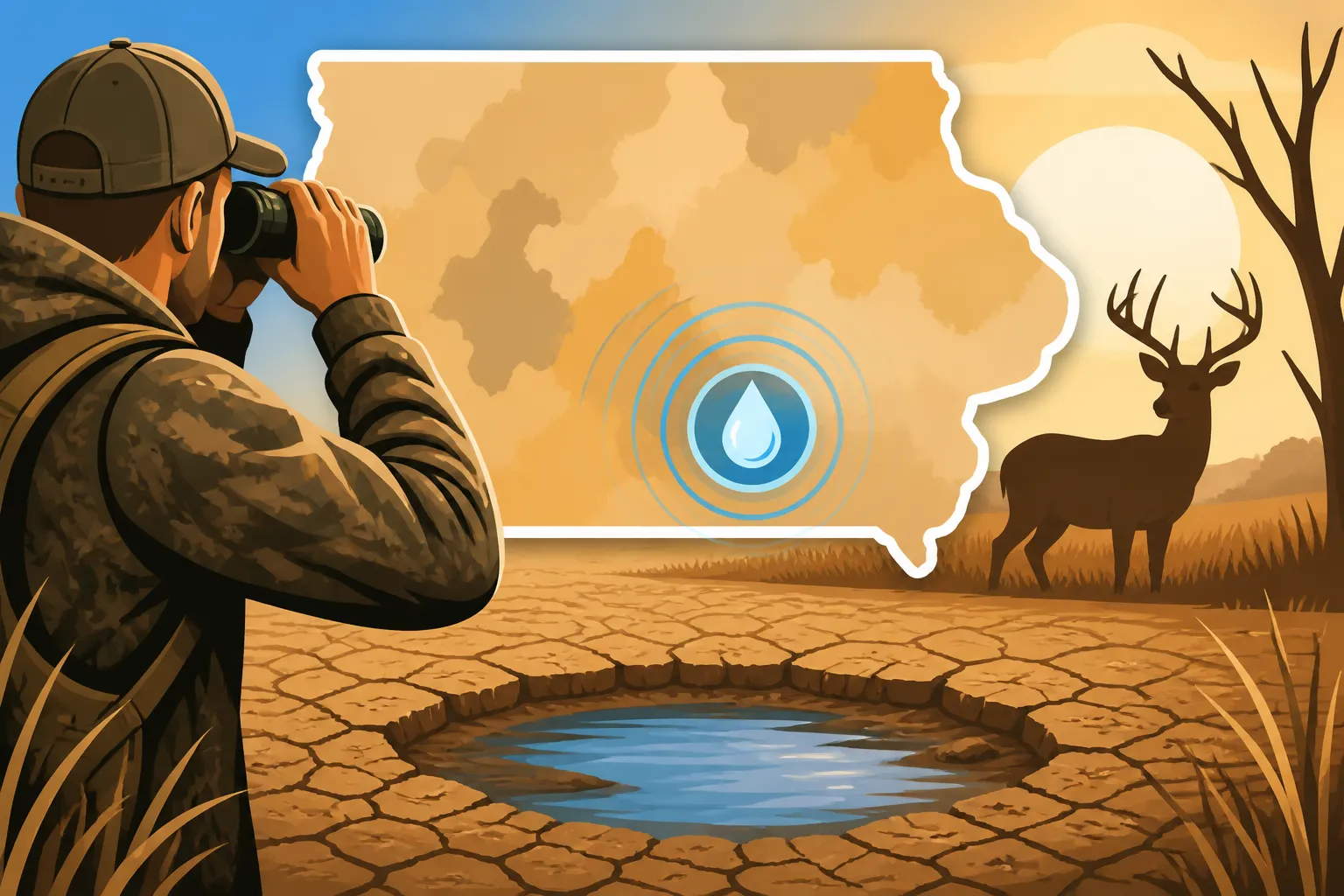
It’s a scenario every Iowa hunter has faced, especially when those late summer and early fall days turn brutally dry: you get out in the woods, the leaves are crunchy, the creek beds are cracked, and you just know every deer in the county is feeling the pinch. Finding water in dry southern Iowa can feel like searching for a needle in a haystack, and when conditions are parched, deer movement can become incredibly unpredictable, making your carefully planned hunts feel futile. This guide is all about helping you pinpoint those precious water sources and adapt your hunting strategy to turn those dry spells into successful hunts.
Why Water Becomes a Magnetic Force in Dry Conditions
When the landscape is suffering from a lack of rain, water isn't just a convenience for deer; it's an absolute necessity. Unlike us, deer don't have the luxury of turning on a faucet. Their survival hinges on finding consistent hydration, and as sources dry up, the remaining ones become veritable magnets, drawing deer from surprisingly far distances. Understanding this fundamental shift in behavior is the first step to patterning them.
Deer Behavior Shifts in Drought
Under normal conditions, deer might grab a drink from numerous small puddles, dew-laden vegetation, or a flowing creek as they go about their daily routines between bedding and feeding. But when drought hits, those casual stops disappear. Deer are forced to travel further and more directly to larger, more reliable water sources. This often means their movement corridors become more defined and predictable, as they prioritize survival. You'll notice a distinct lack of scattered tracks; instead, trails will converge, beaten down by repeated visits to the few remaining oases. This concentration of traffic can be a huge advantage for hunters who know where to look.
Impact on Habitat and Food Sources
Dry conditions don't just affect standing water; they devastate the very food sources deer rely on. Lush, succulent forage becomes brittle and unappetizing. Acorns might drop early and shrivel, and native browse loses its moisture content. Deer still need to eat, of course, but their ability to get hydration from their diet significantly decreases. This puts even more pressure on them to find actual standing water. When the alfalfa fields turn brown and the clover wilts, that hidden seep suddenly becomes more important than a prime food plot, at least for a few hours a day. The deer might even shift their primary feeding times to cooler parts of the day or night to conserve moisture, making the mid-morning or late afternoon drink even more crucial.
Identifying Reliable Water Sources for Deer
Southern Iowa's landscape, with its rolling timber, agricultural fields, and numerous small drainages, can hide water sources that might not be immediately obvious. While major rivers like the Des Moines and Skunk are always options, deer often prefer smaller, more secluded spots, especially during daylight hours. Finding these involves a bit of detective work and understanding the local terrain.
Natural Ponds, Seeps, and Spring-Fed Areas
Beyond the obvious farm pond, southern Iowa is dotted with natural depressions that can hold water even in dry spells. These might be small, shallow ponds tucked into timber blocks, or even just muddy wallows fed by a slow seep. Look for areas where the vegetation remains greener than its surroundings, even when everything else is crispy. These "green spots" are tell-tale signs of underlying moisture. Spring-fed areas, though sometimes harder to find, are goldmines. They often remain wet year-round, even if the actual flow is just a trickle. You might find them at the base of a timbered ridge where groundwater naturally surfaces. These aren't always big, flowing springs; sometimes it's just a perpetually damp, muddy area where deer can paw for a drink. Don't underestimate the smallest, most stagnant-looking puddles, especially those in deep shade. Deer aren't picky when they're thirsty, and these hidden spots offer security. You might find that looking for these areas on an aerial map can guide your initial search, but nothing beats getting boots on the ground to confirm.
Farm Ponds and Livestock Tanks
Southern Iowa is classic farm country, which means an abundance of farm ponds and livestock tanks. These are often the most consistent water sources, but they come with their own set of challenges. Deer will absolutely utilize them, especially under the cover of darkness. The trick is finding out when and how they access them during legal hunting hours. Farm ponds often have specific trails leading to them, but deer may be more wary of open, exposed water. If you're considering hunting near one, always, always get permission from the landowner. Some landowners might be thrilled to have you help manage their herd, especially if deer are impacting their crops. When scouting, pay close attention to the wind direction around these ponds. Deer will approach them from downwind to scent-check for danger. Additionally, tools like the GoHunt app are invaluable for quickly identifying property boundaries, helping you figure out which landowner to contact and ensuring you're not inadvertently trespassing. These apps can also show you topographic features that might funnel deer directly to a secluded corner of a pond.
Ephemeral vs. Perennial Water Sources
It's crucial to understand the difference between ephemeral and perennial water sources. Ephemeral sources are temporary, like rainwater puddles in ditches or shallow depressions that dry up quickly after a rain. Perennial sources, on the other hand, are more consistent, even if they appear low or nearly dry. Think of creeks and streams that might usually flow freely but are now reduced to a series of isolated pools. Even if a creek bed is bone-dry in some sections, there could be deep pockets of water in others, particularly in shaded bends or areas with deeper bedrock. These isolated pools become critical during drought. Walk these creek bottoms, even if they look barren, and keep an eye out for these deeper, darker sections. Often, deer will paw at the edges of these pools, creating muddy banks. Recognizing these more reliable sources helps you focus your efforts on spots that are likely to hold water throughout a dry spell, rather than wasting time on fleeting puddles.
Scouting and Strategic Hunting Around Water
Once you understand why water is so vital and what types of sources to look for, the next step is applying that knowledge to your scouting and hunting strategy. It’s not enough to just find water; you need to understand how deer are using it and how to position yourself for success. This is where combining digital scouting with boots-on-the-ground intelligence really pays off.
E-Scouting for Water Signatures
Your digital mapping tools are your best friend when it comes to locating potential water sources, especially across large tracts of land. Start by looking for blue lines on topographic maps, even if they appear faint or intermittent. These represent creeks and drainages. Even if they are dry on the surface, they often indicate areas where groundwater is closer to the surface or where depressions can hold water. Pay close attention to the confluence of these lines, or where multiple small drainages merge; these low-lying areas are prime candidates for holding water.
Beyond blue lines, examine aerial imagery for "green" signatures. In a dry landscape, any patch of unusually lush green foliage, particularly in a draw or timber block, can indicate a seep or spring. Zoom in and look for any irregular shapes or darker areas within these green patches that might suggest standing water. Contour lines are also key; look for natural bowls, deep valleys, or sharp terrain changes that could collect water. The GoHunt platform offers excellent map layers that can highlight these features, allowing you to mark waypoints for in-person investigation. Consider how deer will E-Scouting Iowa Farm Country From Home can significantly narrow down your physical scouting areas.
Boots-on-the-Ground Verification
No matter how good your e-scouting, nothing replaces actually walking the ground. Once you've identified potential water sources on your map, it's time to lace up your boots. Approach these areas cautiously, especially during the off-season or outside of hunting hours, to avoid disturbing deer. Look for fresh tracks, droppings, and browse lines that confirm deer activity. Pay attention to how deer are approaching and leaving the water. Are there distinct trails? Are they entering from a particular bedding area? Where are the preferred spots they are drinking from?
You might find that a seemingly dry creek bed still has small, muddy pockets where deer have pawed for water. Look for disturbed earth and fresh prints. Check the banks of farm ponds for tracks, paying attention to the densest cover nearby where deer might feel secure enough to approach in daylight. This physical scouting helps confirm your e-scouting theories and allows you to pinpoint the exact locations deer are using and their preferred travel routes. Understanding these access routes is crucial for planning your approach and exit, especially if you're trying to figure out Access Routes That Do Not Bump Deer.
| Water Source Type | Reliability in Drought | Deer Pressure | Scouting Difficulty | Best Time to Hunt |
|---|---|---|---|---|
| Natural Seeps/Springs | High | Low-Moderate | Moderate-High | Midday-Evening |
| Hidden Timber Ponds | Moderate | Low | Moderate | Evening |
| Farm Ponds | High | Moderate-High | Low-Moderate | Evening/Low-Light |
| Creek Pools | Moderate | Moderate | Moderate | Midday |
| Ephemeral Puddles | Low | Low | Low | Very situational |
Strategic Stand Placement Near Water
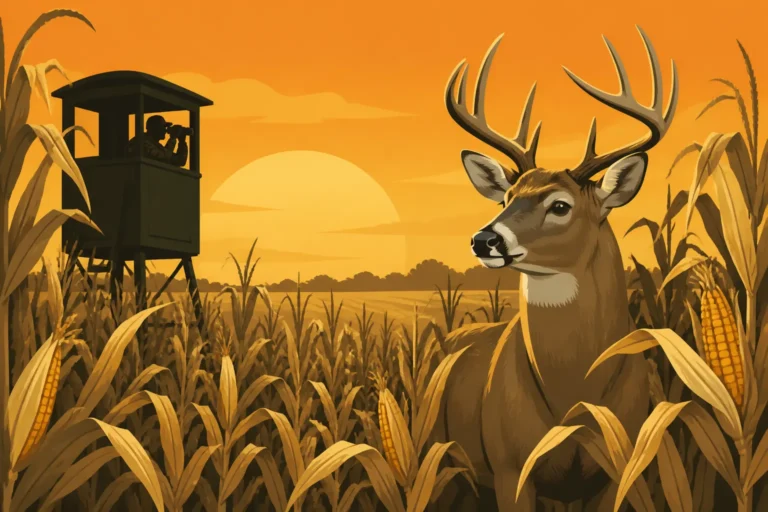
With your water sources identified and deer movement confirmed, the final step is setting up your ambush. Remember, deer will approach water, especially in dry conditions, very cautiously. They’ll use the wind to their advantage, scent-checking for danger. This means your stand placement is paramount. Identify a primary trail leading to the water that offers good shot opportunities. Set up downwind of this trail and the water source. If the wind shifts, you might need an alternative setup. Consider putting up a Ground Blinds in Iowa Farm Country near a well-used pond edge, especially if the cover is sparse, allowing you to brush it in thoroughly.
Also, think about the time of day. In the early season, when temperatures are still warm, deer might visit water mid-morning or mid-afternoon to beat the heat, making a midday sit a good option. As temperatures cool into late October and November, evening visits might become more common as they head from bedding to food, stopping for a drink along the way. If you find a tiny, secluded seep deep in the timber, that could be a fantastic spot for a morning hunt, as deer might grab a quick drink after leaving their bedding before heading to a field. For bowhunters, specifically, Early-Season Bowhunting Over Water is a tactic that can be extremely productive. It's also worth considering where deer might bed nearby, often on a ridge overlooking the water or in a thicket. This way, you can intercept them before they even reach the water, or as they leave. Remember to use a trail camera nearby to help confirm patterns, but always follow rules on Trail Camera Placement on Iowa Public Land. If you're hunting a narrow creek corridor, knowing how deer move along it, even when dry, is critical, as discussed in Hunting a Narrow Creek Corridor.
Disclaimer
Hunting is an inherently dangerous activity. Always prioritize safety, adhere to all Iowa hunting regulations, and obtain proper permissions before accessing private land. This information is for educational purposes only and should not replace official guidance from the Iowa Department of Natural Resources.