Decoying Ducks on a Backwater Slough
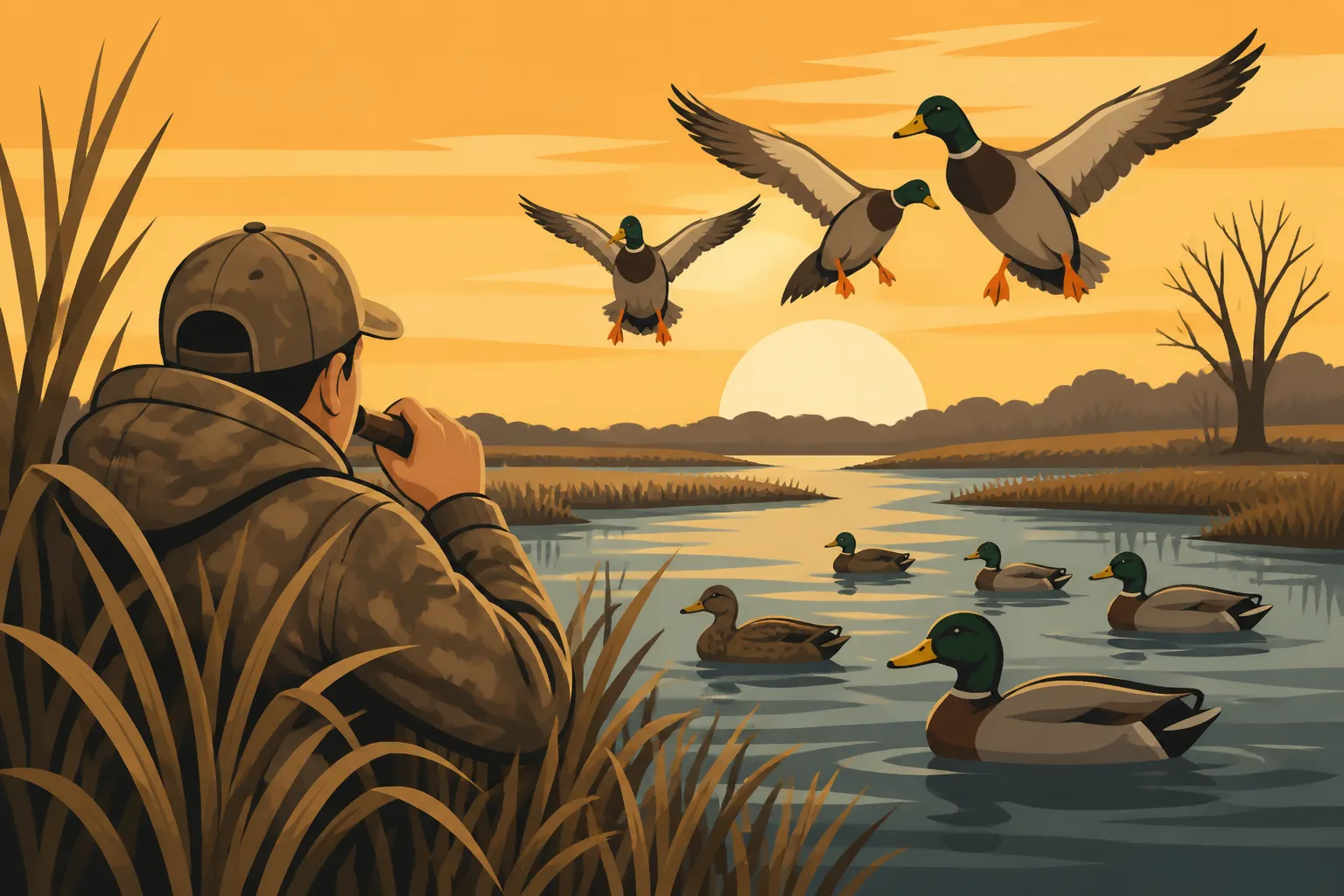
There’s nothing quite like the crisp morning air on an Iowa slough, the anticipation as you set your decoys, hoping to lure in those wary ducks. But let's be real, those backwater ducks can be incredibly finicky, often flaring at the slightest unnatural movement or spread. It's frustrating to put in all that effort, only to watch them buzz your setup at a hundred yards before banking off into the sunrise. This guide is all about overcoming that frustration, helping you craft decoy spreads and tactics specifically designed to confidently bring Iowa ducks into your shooting zone on those tricky backwater sloughs.
Understanding Iowa Backwater Dynamics for Duck Hunting
Hunting ducks on Iowa’s backwater sloughs presents a unique blend of challenge and reward. Unlike the fast-moving currents of major rivers or the wide-open expanse of large marshes, backwaters often feature calmer, more sheltered water, diverse vegetation, and can be critical resting and feeding areas for ducks. However, this tranquility also means ducks often have more time to scrutinize your spread, making realism paramount.
The Allure and Challenges of Slough Hunting
Backwater sloughs are often overlooked gems, offering pockets of excellent duck hunting, especially during mid to late season when birds are seeking refuge from heavily pressured areas or severe weather. These areas, typically formed by old river channels or flood plains, are usually shallower, with more emergent vegetation like cattails, smartweed, and buttonbush. They provide crucial food sources and protected loafing areas. Mallards, wood ducks, and even some diver species like ring-necks and bluebills will use these sloughs extensively.
The allure lies in the potential for unpressured birds and intimate hunting experiences. You might find yourself in a hidden pocket, listening to wood ducks whistle overhead, a world away from the crowded main channels. The challenge, however, is that these same ducks, especially after facing early-season pressure, become exceptionally smart. They've seen every decoy spread, heard every call, and they're quick to identify anything that looks "off." Their approach to a backwater landing zone is often more cautious, circling multiple times, scrutinizing every detail before committing. This means your setup needs to be as natural and inconspicuous as possible. Understanding the local nuances, perhaps by using tools like GoHunt to scout aerial imagery, can give you a significant edge in identifying these key resting and feeding zones.
Reading the Water and Duck Behavior
Before you even think about setting out a single decoy, you need to become a student of the slough itself. Pay attention to water depth, existing vegetation, and any subtle currents. Ducks are creatures of habit, and they’ll often favor certain landing zones within a slough. Look for areas with a little bit of open water, perhaps a natural break in the cattails or a slight bend in an old channel, that offers both protection and easy access to feed.
Observe how the ducks are naturally using the area without hunting pressure. Are they congregating in tight groups or spread out loosely? Do they prefer to land in a specific corner, or do they utilize the entire stretch of open water? Their natural behavior should be your blueprint for your decoy spread. During periods of Iowa Duck Migration Timing, ducks might be more transient, hitting a backwater for a quick rest. Later in the season, during colder weather, they might spend more time there, feeling secure. Knowing these patterns helps you predict their flight path and preferred landing areas, which is crucial for optimal decoy placement. For instance, if ducks are consistently landing short of a visible spread, it might indicate they perceive danger near the main body of decoys, or they prefer shallower water just beyond your current setup. Adjusting your spread to reflect these observations is paramount for consistent success.
Essential Decoy Spreads for Iowa Backwater Ducks
When it comes to decoying ducks on an Iowa backwater slough, less is often more, and realism is everything. You're not trying to attract ducks from miles away with a massive spread; you're convincing wary birds to commit to a landing they've likely scouted from above.
The Classic J-Hook and Funnel Spreads
For backwater sloughs, the most effective decoy spreads are those that create a natural-looking landing zone while subtly guiding ducks into your killing hole.
-
The J-Hook Spread: This is a tried-and-true classic, perfect for many backwater scenarios. Imagine the letter "J" formed by your decoys. The long arm of the "J" extends downwind, with the bend of the hook creating a pocket directly upwind of your blind. Ducks naturally want to land into the wind, so they'll approach the bend of the "J" and land in the open water pocket, putting them right in front of your hide. The decoys in the long arm give them confidence and a visual "landing strip," while the bend clearly defines the safe landing zone. This spread is especially effective for Mallards on Iowa River Backwaters as it mimics their natural flocking and landing behavior. You can enhance realism by placing a few "feeders" (decoys with their heads down) within the hook, suggesting a comfortable, food-rich environment.
-
The Funnel Spread: Similar in principle to the J-hook, the funnel spread uses two arms of decoys that gradually narrow, creating a wide entrance and a tight landing pocket closer to your blind. This is particularly effective in sloughs with limited open water, or if you need to guide birds around specific obstructions. The wider entrance allows ducks to commit early, and as they fly closer, the narrowing funnel directs them precisely where you want them. The key here is to keep the "mouth" of the funnel wide enough to appear inviting, but the "neck" tight enough to concentrate birds for clean shots. In both these spreads, consider the general wind direction. Ducks will typically approach from upwind, so ensure your open pocket is positioned where they can comfortably make their final approach without feeling crowded by decoys or your blind.
Motion Decoys and Natural Presentation
While motion decoys can be incredibly effective, their use on wary backwater ducks requires a delicate touch. Overuse, especially of fast-spinning wing decoys, can often flair birds that have been pressured.
-
Subtle Motion is Key: Instead of high-speed spinners, think subtle, natural movement. A jerk string, operated manually from your blind, is often far more effective. A few gentle tugs on a string can create ripples, make a few decoys "swim," and mimic active feeding or preening ducks. This subtle, intermittent movement is incredibly lifelike and less likely to spook wary birds. Another excellent option is a simple floating-keel decoy that bobs naturally with the breeze or current. Even a single, well-placed motion decoy can add enough realism to seal the deal. When ducks are circling, a quick tug on the jerk string can often be the final convincing factor.
-
Decoy Diversity and Placement: Don't just throw out a dozen mallard field dekes. Incorporate a mix of species that realistically use your slough. A few pintails or widgeon can add variety and confidence to the spread. Consider a few sleeper decoys (heads tucked back) to suggest comfort and security. Pay attention to how real ducks group. They often feed in loose clusters, with a few sentinels looking around. Avoid perfectly symmetrical lines or tight clusters, as these can look artificial. Spacing is crucial; give ducks enough room to land comfortably within your spread without feeling crowded. The right balance between variety, natural spacing, and subtle motion, combined with careful scouting using a hunting app like GoHunt, will significantly increase your success rate.
| Decoy Type | Purpose in Backwater Slough | Best Use Cases | Considerations |
|---|---|---|---|
| Mallard Feeders | Simulate active feeding, builds confidence | Shallow water, within landing zone, upwind | Mix with uprights, use natural head positions |
| Mallard Uprights | Act as sentinels, visible from afar | Perimeter of spread, downwind, higher visibility | Vary head positions, don't line them up perfectly |
| Pintail/Wigeon | Adds diversity, appeals to mixed flocks | Outer edges of main spread, adds "safety in numbers" | Use sparingly, ensure realism |
| Wood Duck Decoys | Crucial for timbered sloughs | Near timber edges, sheltered pockets | Use in small groups, where wood ducks are common |
| Sleeper Decoys | Indicates comfort and security | Scattered throughout, especially in calm areas | Suggests a safe, relaxed environment |
| Jerk String Decoys | Creates ripples, subtle movement | Any part of the spread, focus on realism | Operator must be hidden, use intermittent motion |
| Spinner Decoys | High visibility, can attract attention | Use sparingly, especially with wary birds | Can flair educated ducks, consider dim lighting |
Setting Up Your Hide and Working the Wind
Your decoy spread is only as good as your concealment. Backwater slough ducks often have a clear overhead view, and they'll pick out an unnatural silhouette or movement instantly. Complementing your decoy strategy with an airtight hide and understanding the wind's role is non-negotiable for consistent success.
Concealment is Key
Think of your blind as an extension of the natural environment. You’re not just trying to hide, you’re trying to become part of the landscape. This often means going beyond the basic pop-up blind.
-
Natural Blinds are Best: Whenever possible, utilize existing cover. A cluster of cattails, a downed tree, or a natural bank can offer incredible concealment. Enhance these natural features with additional brush, grass, or reeds from the immediate area. The goal is to break up your outline and blend seamlessly. If you’re building a temporary blind, avoid straight lines and sharp angles. Layer your natural materials so it doesn't look like a solid wall. Remember, ducks are looking down on your position, so overhead cover can be just as important as front and side cover. For more on creating effective hides, you might want to look into Ground Blinds in Iowa Farm Country, as many of those principles apply even in a water setting.
-
Minimizing Movement and Noise: Even the best blind can be compromised by a fidgety hunter. Stay still, keep quiet, and only move when ducks are either far away or fully committed to landing. Educated backwater ducks have incredible eyesight and can pick up the smallest motion, like a hand reaching for a call or a head peeking over the blind. Pay attention to clothing choices too – quiet fabrics are essential to prevent rustling sounds that can carry across calm water. Remember, every little detail adds up when you're dealing with wary birds.
Utilizing Wind and Current for Realism
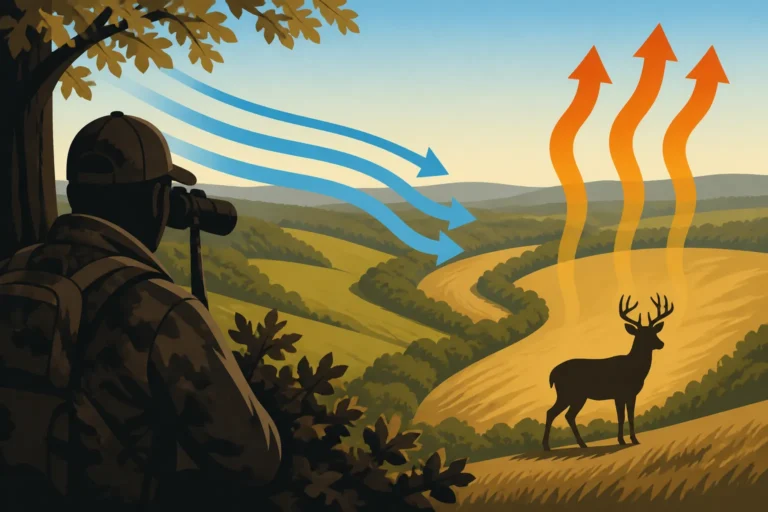
The wind is your best friend when decoying ducks. Ducks almost always land into the wind because it helps them slow down and maintain stability, much like an airplane landing on a runway. Ignoring the wind is a surefire way to have ducks circling endlessly or flaring short.
-
Positioning Your Landing Zone: Your decoy spread's open landing zone must be positioned so that ducks can approach it directly into the prevailing wind. This typically means your blind should be downwind of your spread. The ducks fly past your blind, turn into the wind, and settle in the pocket you've created, bringing them right in front of you. This is a fundamental principle, whether you're hunting small ponds or vast marshes, and directly relates to the importance of Reading Wind on a River Backwater. Always check the wind direction before you start setting decoys, and be prepared to adjust your setup if the wind shifts significantly during your hunt.
-
Leveraging Subtle Currents: While many backwaters have minimal current, some might have a slight flow, especially if they are connected to a larger river system. If there's any perceptible current, use it to your advantage. Place decoys so they're naturally facing into the current. This small detail adds an incredible amount of realism, as live ducks always face into the current. It also helps to keep your decoys from clumping together in unnatural formations. For shallow backwaters, consider using Texas rigs or lighter keel weights on your decoys, allowing them to swing more naturally with any subtle water movement, further enhancing the lifelike appearance of your spread. This thoughtful approach helps create an irresistible scene for passing ducks.
Calling Techniques and In-Hunt Adjustments
Successfully calling ducks on an Iowa backwater slough is an art form that often requires more subtlety than aggression. These birds are often well-educated, and a loud, repetitive calling sequence can do more harm than good.
Subtle Calling for Finicky Birds
When dealing with backwater ducks, think "less is more" and "quality over quantity" when it comes to calling. Your goal isn't to blast them out of the sky but to offer gentle reassurances that your spread is a safe and inviting place.
-
Soft Clucks and Feed Calls: The most effective calls on wary backwater ducks are often soft clucks, contented feeding chuckles, and short, pleading come-back calls. These mimic a flock of happy, undisturbed ducks, which is exactly what a cautious bird wants to see and hear. Save the loud hail calls and aggressive greetings for early season or extremely windy days on larger bodies of water. When ducks are circling, a soft cluck can often be enough to make them cup their wings. Focus on realistic cadence and tone. A lot of hunters tend to overcall; if the birds are working, let them work. If they start to drift, a soft series of clucks might be all it takes to bring them back. Even when ducks are approaching, keeping your calls minimal and natural helps maintain the illusion.
-
When to Call, When to Shut Up: Knowing when to call is as important as how to call. When ducks are far out, a greeting call might get their attention. As they get closer and start to commit, reduce your calling to soft clucks and feeding calls. Once they turn, cup their wings, and are on their final approach, stop calling. Any sudden sound can cause them to flare. Let the visual appeal of your spread do the rest of the work. If ducks are circling high and seem hesitant, a well-timed, soft "come-back" call can sometimes convince them to drop. Remember, your call should be a conversation, not a monologue. You can learn a lot from the principles of Calling a Henned-Up Iowa Gobbler, as the need for subtle, responsive communication applies across species when birds are wary.
Adapting to Changing Conditions
No two hunts are ever exactly alike, especially on backwaters. Being able to read the ducks and adapt your strategy on the fly is a hallmark of a successful hunter.
-
Adjusting to Duck Reactions: Watch how ducks react to your spread and calling. If they consistently flare at a certain point, evaluate what might be causing it. Is your blind too visible? Is a decoy out of place? Are you calling too aggressively? Sometimes, simply removing a bright, flashy spinner decoy can make all the difference. Other times, rearranging a few decoys to open up the landing zone even more will solve the problem. Don't be afraid to experiment during the hunt; if something isn't working, change it. Even subtle shifts in light can affect how visible your blind is, prompting minor adjustments. This adaptability is critical for success throughout the diverse Iowa Waterfowl Zones and Splits.
-
Weather and Pressure Influences: Weather changes can significantly impact duck behavior. On bright, calm days, ducks will be warier and more prone to spotting flaws in your setup. This is when maximum concealment and subtle calling are absolutely vital. On cloudy, windy days, ducks might be more forgiving, flying lower and being less scrutinizing. Similarly, hunting pressure will dictate how wary the ducks are. Early in the season, ducks might be more aggressive, but by mid to late season, they’ve seen it all. Always factor in these external conditions. A hunting app like GoHunt can provide real-time weather data and help you anticipate how ducks might behave based on forecasts, allowing you to prepare your setup accordingly. The more you pay attention to the details and adjust, the more ducks you'll bring to the bag.
Disclaimer
Hunting regulations and conditions can change. Always consult the latest Iowa Department of Natural Resources (DNR) regulations before heading out. Safety should always be your top priority in the field.