Iowa Antlerless Tags and Quotas
Navigating the ins and outs of deer hunting regulations can often feel like trying to untangle a stubborn knot, especially when it comes to specific tags like those for antlerless deer here in Iowa. Many hunters find themselves scratching their heads, wondering which tag they need, when they can buy it, and why the rules seem to change. This comprehensive guide is here to untangle that knot, breaking down everything you need to know about Iowa antlerless tags and quotas, making it significantly easier to plan your next deer season and contribute effectively to wildlife management.
Understanding Iowa's Antlerless Deer Management Philosophy
It’s easy to focus solely on that trophy buck, but a healthy deer herd, particularly in a state like Iowa known for its agriculture, relies heavily on managing the female population. Antlerless deer tags aren't just an extra opportunity to fill your freezer; they're a vital component of the state’s overall deer management strategy.
Why Antlerless Harvest is Crucial
Think about it: a robust deer population needs enough food and habitat to thrive. When deer numbers grow too high, especially in an agricultural state like Iowa, several problems start cropping up. First, you see increased crop damage, which can hit farmers hard in their pocketbooks. Imagine waking up to a field of soybeans mowed down or cornstalks stripped bare—it’s not a pretty sight for anyone. This pressure from an overpopulation can also lead to more deer-vehicle collisions on our roads, creating a safety concern for everyone.
Beyond human-wildlife conflict, an unchecked deer population can suffer internally. Over-browsing can degrade habitat, making it harder for all wildlife, including deer themselves, to find adequate nutrition. This often results in a less healthy herd, smaller body sizes, and bucks with less impressive antler growth over time. By carefully managing the antlerless population, the Iowa DNR aims to keep the herd in balance with the available habitat and human tolerances, ensuring long-term health and sustainable hunting opportunities. It’s about more than just numbers; it’s about the overall well-being of the ecosystem.
The Role of Quotas in Deer Management
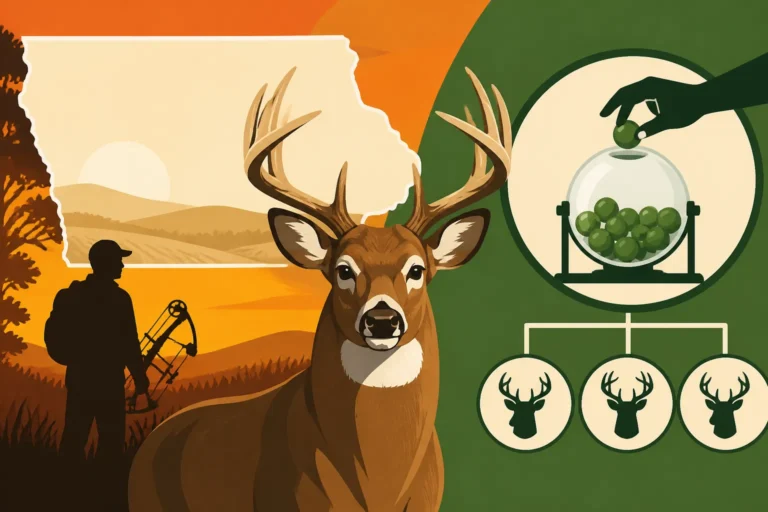
So, how does the state decide how many antlerless deer need to be harvested? It’s not a guessing game. The Iowa Department of Natural Resources (DNR) uses a sophisticated system to set specific quotas for antlerless deer licenses each year. This system is built on a foundation of scientific data, including annual deer population surveys, detailed harvest data from previous seasons, and even reports of crop damage from agricultural communities. They’re constantly gathering information to get the most accurate picture possible of the deer herd’s health and density in various areas.
These quotas are dynamic, meaning they can change from year to year based on current conditions. If, for instance, a particular county experienced a significant EHD (Epizootic Hemorrhagic Disease) outbreak, or if roadside counts indicate a declining population, the DNR might reduce the antlerless quota for that area the following season. Conversely, in areas with persistent high deer numbers or escalating crop damage, quotas might increase. This targeted approach allows the DNR to address localized issues rather than applying a blanket solution across the entire state, offering more precise control over herd management. It's a continuous balancing act to keep our deer thriving while minimizing negative impacts.
Types of Antlerless Tags in Iowa
When you start looking at Iowa’s deer hunting regulations, you’ll quickly notice that not all antlerless tags are created equal. The state offers a few different types, each designed for a specific purpose and season, which can sometimes be a little confusing for new or even seasoned hunters. Knowing the difference is key to planning your hunt effectively.
General Antlerless Deer Licenses
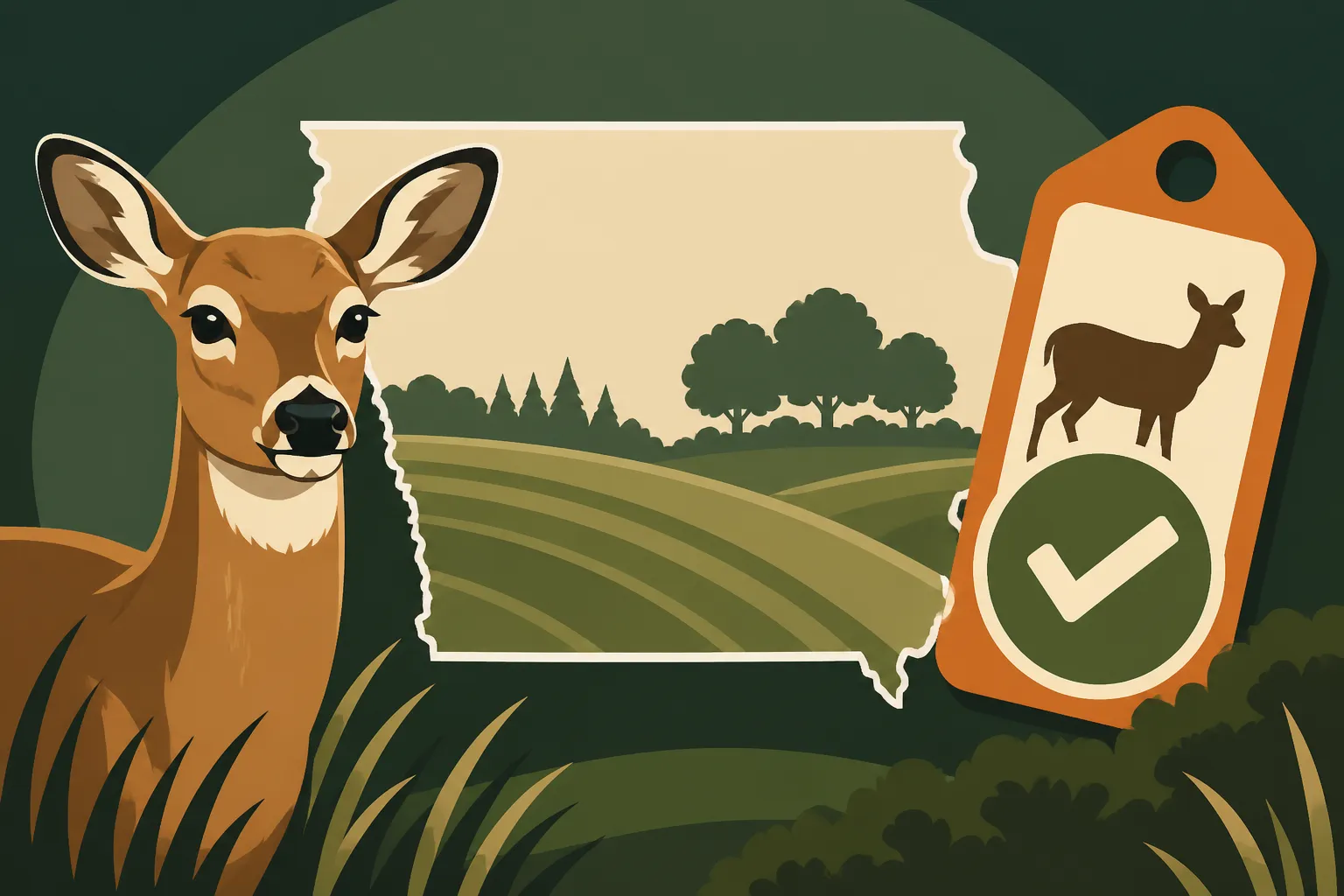
The most common type you’ll encounter are the general antlerless deer licenses. These are the workhorses of the antlerless harvest program. Unlike an "any-deer" license, which allows you to harvest either a buck or a doe (or any legal deer, generally), an antlerless license restricts you to harvesting only a deer without antlers, typically a doe or a fawn. These tags are usually available for purchase during specific seasons, often concurrently with archery, shotgun, or muzzleloader seasons.
The idea behind these tags is to provide additional hunting pressure on the female segment of the herd, which is crucial for population control. For instance, if you’ve already filled your "any-deer" tag with a buck during archery season, but you still want to get out and contribute to herd management (and fill your freezer!), a general antlerless tag allows you to do just that. They’re typically sold on a first-come, first-served basis within county quotas, so understanding when they become available and acting quickly, especially in popular counties, is a smart move.
January Antlerless Only Season Tags
As the calendar flips to January, many hunters assume deer season is over, but Iowa offers a unique opportunity with its January Antlerless Only season. This special late-season segment is specifically designed to provide an additional chance to reduce deer numbers after the primary firearm seasons have concluded. The goal is to maximize the antlerless harvest, particularly in counties identified as needing further population reduction. It's often seen as a final push to bring the deer herd into balance before spring fawning begins.
The tags for this season are, as the name implies, only for antlerless deer. They often become available later in the year, and sometimes, even in counties where quotas were quickly filled during earlier seasons, additional January tags might become available. This makes the January season a fantastic opportunity for hunters who missed out on earlier antlerless tags or simply want more time in the woods. Hunting during the colder months of January requires different tactics, often focusing on late-season food sources and bedding areas. You can learn more about specific approaches in our guide on Iowa January Antlerless Hunts.
Management Zone Antlerless Tags
Beyond the general county-specific quotas, Iowa also implements specialized antlerless tags for what are called "management zones." These zones are typically areas where deer populations present unique challenges, such as within or near urban areas, or in specific locations designated for depredation control. Imagine deer consistently raiding a farmer’s high-value crops or becoming a nuisance in a suburban neighborhood – these management zones provide targeted solutions.
The rules for these management zone tags can differ significantly from general antlerless tags. They might have different application periods, specific boundaries, or even unique weapon restrictions. For example, some urban deer hunts might be archery-only or require special permits. These tags are less about contributing to a statewide harvest and more about addressing localized deer issues that impact public safety, property, or specific agricultural interests. Always make sure to thoroughly read the regulations for any management zone hunt you’re considering, as they are often very specific to the area they cover.
Navigating Iowa's Antlerless Quotas by County and Zone
Understanding that not all antlerless tags are the same is one thing, but figuring out where and when to get them, especially with county-specific quotas, adds another layer of complexity. Iowa's system is designed to be highly localized, which is fantastic for managing the herd precisely, but it can be a bit of a puzzle for hunters trying to secure a tag.
How County Quotas are Determined
The Iowa DNR doesn’t just pull numbers out of a hat when it comes to setting county quotas. This is a science-driven process, rooted in careful observation and data analysis. Each year, wildlife biologists evaluate a multitude of factors specific to individual counties. They look at population density estimates – how many deer are living in a given area. They also heavily factor in reports of crop damage, which is a significant concern in Iowa’s agricultural landscape. If farmers in a certain county are reporting extensive damage, it’s a strong indicator that the deer population might be exceeding the land’s carrying capacity or local tolerance levels.
Furthermore, harvest data from previous seasons plays a crucial role. The DNR tracks how many deer were taken, which seasons they were harvested in, and hunter success rates. This information helps them understand the impact of past quotas and refine future ones. They might also consider other ecological factors, like winter severity and disease outbreaks such as EHD or CWD, which can significantly affect deer numbers. This granular approach ensures that each county's quota is tailored to its unique conditions, aiming for a healthy, balanced deer herd. You can get a sense of these local variations by looking at the Iowa Deer Herd Numbers by County reports the DNR provides.
Zone A and Zone B Counties
One of the most important distinctions to grasp when it comes to Iowa antlerless tags is the difference between "Zone A" and "Zone B" counties. This classification directly impacts when and how you can purchase antlerless tags, particularly for nonresidents. Essentially, the state divides its counties into these two categories based on deer population density and management needs, with Zone B counties typically having higher deer densities or more pressing management concerns.
For residents, this distinction sometimes affects the timing of when antlerless tags become available or if additional tags are offered. For nonresidents, however, the difference is critical. Historically, nonresident antlerless deer licenses are often only available after a nonresident has successfully drawn an "any-deer" license in a Zone A county. Zone B counties, on the other hand, might have different rules, sometimes allowing nonresidents to purchase antlerless tags without first drawing an "any-deer" tag in that specific zone, or offering them earlier. It’s a bit intricate, and the specifics can vary year to year, so always check the most current regulations. Understanding Which Iowa Counties Are Zone B is essential for nonresidents planning their application strategy.
Monitoring Quota Availability and Sell-Out Dates
If you've ever tried to buy an antlerless tag in a popular Iowa county, you know the frustration of finding out they're already sold out. This happens frequently, especially in counties renowned for excellent hunting or those with lower quotas. The tags are sold on a first-come, first-served basis, meaning if you don't act quickly once they become available, you might miss your chance. This is particularly true for nonresident tags, which are often even more limited and highly sought after.
Savvy hunters know the importance of diligent monitoring. The Iowa DNR's licensing system, accessible through Go Outdoors Iowa, will show real-time availability. Websites like GoHunt also often provide tools and information to track these quotas, helping hunters stay ahead of the curve. It's not uncommon for desirable county quotas to be filled within hours or days of becoming available, so marking your calendar for the exact purchase opening date and being ready to buy is paramount. Missing out can mean a complete change of your hunting plans, so consider this step just as important as your scouting efforts.
The Application and Purchase Process for Antlerless Tags
Once you’ve got a handle on the different types of antlerless tags and the quota system, the next logical step is to understand how to actually get your hands on one. The process for acquiring hunting licenses and tags in Iowa is primarily digital, but there are important dates and steps to keep in mind.
When and Where to Purchase Antlerless Tags
Timing is everything when it comes to Iowa deer tags, and antlerless tags are no exception. The specific dates when antlerless licenses become available can vary by season and by residency status. For instance, resident antlerless licenses for the general seasons (archery, shotgun, muzzleloader) typically go on sale much earlier than those for the January Antlerless Only season. Nonresident antlerless licenses often have even more restrictive purchase windows, sometimes tied to the nonresident lottery draw results.
The primary portal for purchasing all Iowa hunting licenses and tags is the "Go Outdoors Iowa" website, managed by the Iowa DNR. This online system is generally user-friendly, allowing you to select your desired county and season, add tags to your cart, and complete the purchase. While the online system is the most common and convenient method, you can also purchase licenses from authorized vendors located across the state, such as bait shops, sporting goods stores, and county recorder offices. Regardless of how you purchase, always double-check the specific sale dates for the type of tag and county you're interested in, as missing a deadline could mean missing a season. Our guide on Applying Through Go Outdoors Iowa provides a step-by-step walkthrough.
Costs and Fees Associated with Antlerless Licenses
Let’s be honest, hunting can sometimes feel like a game of hidden fees. While the core cost of an antlerless tag itself is relatively straightforward, there are a few other expenses to consider that contribute to the overall price, especially for nonresidents. For Iowa residents, the cost of an antlerless deer license is generally quite affordable, designed to encourage participation in herd management. However, you'll still need to ensure you have a valid Iowa hunting license and a habitat fee, both of which are foundational requirements for any hunting in the state.
For nonresidents, the costs escalate. In addition to the higher nonresident antlerless deer license fee, you’ll also need to purchase a nonresident hunting license and the habitat fee. These foundational licenses and fees contribute significantly to conservation efforts in Iowa, supporting habitat projects and wildlife management programs across the state. It's crucial to factor in all these components when budgeting for your hunt. You can find a detailed breakdown of all associated costs in our comprehensive article on Iowa Deer Licence and Tag Costs. Remember, these fees are an investment in the future of Iowa's incredible hunting opportunities.
Understanding Tagging and Reporting Requirements
Congratulations, you've successfully harvested an antlerless deer! But your responsibilities as a hunter don’t end there. Iowa has strict regulations regarding immediate tagging and subsequent harvest reporting, and failing to comply can lead to fines or even loss of hunting privileges. The moment you harvest a deer, you are required to attach a tag to it immediately, before moving the animal. This tag, which comes with your license, must be filled out completely and legibly, providing information like the date and time of harvest.
Once the deer is tagged and removed from the field, the next critical step is to report your harvest to the Iowa DNR. This is typically done online through the "Go Outdoors Iowa" system or by phone. You’ll need to provide information such as the county of harvest, the type of deer (antlerless in this case), and the method of harvest (e.g., archery, shotgun). This reporting isn't just a bureaucratic hurdle; it's how the DNR collects vital data to assess harvest success, monitor deer populations, and adjust future quotas. Accurate and timely reporting by every hunter is essential for effective wildlife management. Don't skip this step! For a detailed guide on the process, check out Iowa Deer Harvest Reporting Rules.
Strategic Considerations for Antlerless Hunting
Harvesting an antlerless deer is more than just checking a box; it’s an opportunity to apply strategic thinking, extend your time in the field, and contribute meaningfully to conservation. Planning your antlerless hunt can be just as rewarding as pursuing a trophy buck.
Maximizing Your Chances in High-Quota Counties
When it comes to securing an antlerless tag, especially in the more popular Iowa counties, a little foresight goes a long way. Some counties consistently have high deer populations and, consequently, higher antlerless quotas. These are often excellent choices for hunters looking to fill their freezers or simply increase their time afield. However, these popular counties are also the ones where tags tend to sell out the fastest. You can check historical sell-out trends on the DNR website or through hunting community forums.
Your best strategy here is proactive purchasing. As soon as the sales window opens for your chosen season and county, be ready to go online and purchase your tag. Don't wait a week or even a few days, especially if you're aiming for a prime county known for its rapid sales. Having a backup plan – identifying a couple of nearby counties with good quotas that might not sell out as quickly – is also a smart move. Remember, even if your primary county runs out, there might still be opportunities close by. Utilizing tools like GoHunt to track real-time availability can give you a crucial edge here.
Combining Antlerless Tags with Other Seasons
One of the great advantages of antlerless tags is their flexibility; they can often be utilized across multiple seasons, significantly extending your hunting opportunities throughout the fall and winter. For example, if you're an archery hunter and you've already arrowed a buck with your "any-deer" tag, you can continue to hunt antlerless deer with a dedicated tag during the remainder of the archery season. This allows you to stay engaged and keep scouting, even after your primary objective has been met.
The same principle applies to the firearm seasons. During Iowa's shotgun seasons, for instance, an antlerless tag allows you to participate in deer drives or stand hunts focused specifically on population management. Combining your efforts with friends for Iowa Shotgun Season Tactics for Party Hunting can be incredibly effective for filling antlerless tags. Similarly, during the Late Muzzleloader Deer Hunting in Iowa season, an antlerless tag provides a chance to hunt during some of the coldest weather, often when deer are heavily focused on available food sources, making them more predictable. This layering of opportunities maximizes your time in the woods and your contribution to herd control.
Ethical and Practical Aspects of Doe Harvest
Successfully harvesting an antlerless deer means you’ve done your part for herd management, but the work isn't quite finished when the shot breaks. Ethical hunting practices and proper meat care are paramount. Just like with a buck, focus on clean, humane shot placement. A broadside or slightly quartering-away shot targeting the vital organs ensures a quick, ethical harvest and minimizes tracking challenges.
Once the deer is down, immediate field dressing is crucial, especially if hunting during warmer periods of the early bow season or mild fall days. Rapid cooling of the carcass prevents spoilage and ensures high-quality venison. If the weather is warm, gutting the deer quickly, getting it out of the field, and into a cooler with ice is critical. For detailed advice on this, refer to our guide on Field Dressing in Warm October Weather. Dragging a deer long distances can also build up body heat, so consider options like deer carts or quartering the animal in the field if you have a long haul back to your vehicle. Respecting the animal and preparing its meat properly is the final, essential step in a responsible harvest.
Common Misconceptions and Troubleshooting Antlerless Tags
The world of hunting regulations can be complex, and antlerless tags are no exception. There are often common questions and misunderstandings that can trip up even experienced hunters. Let’s clear up some of those murky areas.
Can Non-Residents Buy Antlerless Tags?
This is perhaps one of the most frequently asked questions by out-of-state hunters eyeing Iowa's legendary deer hunting. The simple answer is yes, nonresidents can purchase antlerless tags, but there are significant restrictions and a specific order of operations. Unlike residents, nonresidents cannot typically just buy an antlerless tag over the counter at any time. For the general seasons (archery, shotgun, muzzleloader), nonresidents are usually required to first successfully draw an "any-deer" license through the annual lottery system. Once you've secured that primary tag, you may then be eligible to purchase additional antlerless tags, often for the specific zone or county you drew your primary tag in.
There are exceptions, however. The January Antlerless Only season often presents a unique opportunity for nonresidents. In some years, and for certain counties, nonresident antlerless tags for this late season may become available for direct purchase without the prerequisite of having drawn an "any-deer" tag. This is designed to further reduce populations in specific areas. The rules can be nuanced and change, so always consult the current Iowa DNR hunting regulations. Our guide on the Iowa Nonresident Deer Draw Explained will give you a deeper dive into the overall nonresident application process.
What if a County Quota is Already Full?
It’s a scenario many hunters face: you log on, eager to buy that antlerless tag for your favorite county, only to see "Sold Out." It's incredibly frustrating, especially if you've planned your season around it. But don't despair immediately, because you often have a few viable alternatives. Your first step should be to check adjacent counties. Deer don't recognize county lines, and a neighboring county might have a similar deer population and still have available tags. Sometimes, a short drive can open up new opportunities.
Another option is to look ahead to the January Antlerless Only season. As mentioned, tags for this late season often become available later in the year, and sometimes even in counties that sold out quickly during the main seasons. These tags are specifically intended to provide additional harvest pressure, so it's a great second chance. Finally, explore management zones. While these are often more restrictive, they sometimes have unique quotas and opportunities that might still be available when general county tags are gone. It requires a bit more research and flexibility, but your hunting season might not be over just yet.
Rules for Multiple Antlerless Tags
Many hunters wonder if they can purchase more than one antlerless tag to maximize their harvest or extend their hunting season. The answer is yes, under specific circumstances, Iowa hunters can often acquire multiple antlerless tags. For residents, it's generally possible to purchase multiple antlerless tags after the initial sale period, provided there are still tags available within a county's quota. The DNR's system will typically allow you to add additional tags as long as the supply lasts. This allows hunters to target multiple deer throughout the season, further aiding in population control.
However, there are usually limits. While you might be able to purchase several antlerless tags, you often can't purchase an unlimited number for a single season or county. The system will restrict purchases based on the remaining quota and any per-hunter limits that might be in place. For nonresidents, the ability to purchase multiple antlerless tags is even more restricted and almost always hinges on successfully drawing that initial "any-deer" license. Any additional antlerless tags would then typically be limited to the county or zone where their primary tag was issued. Always review the current regulations to understand specific limits on multiple tag purchases for your residency status and the season you plan to hunt.
The Future of Iowa's Antlerless Regulations
Deer management is not a static process. It’s a dynamic, ever-evolving challenge that requires constant adaptation. Understanding the factors that influence future changes in antlerless regulations can help you anticipate shifts and stay ahead of the curve.
Influences on Future Quota Adjustments
Several critical factors weigh heavily on the Iowa DNR’s decisions when it comes to setting future antlerless quotas. One of the most significant is the ongoing battle against Chronic Wasting Disease (CWD). As CWD spreads into new counties or increases in prevalence in existing ones, the DNR may implement higher antlerless quotas in affected areas. This is a common strategy to reduce deer density, which can slow the transmission of the disease within the herd. For more detailed information, our article on Chronic Wasting Disease in Iowa Deer offers extensive insight.
Beyond disease, environmental factors play a huge role. Severe winters can increase deer mortality, leading to reduced quotas in subsequent years to allow the population to recover. Conversely, mild winters and abundant food sources might support higher populations, prompting increased quotas. Outbreaks of EHD also have a profound, albeit often localized, impact on deer numbers, leading to immediate quota adjustments. Finally, public input, including farmer reports of crop damage and hunter observation surveys, continuously informs the DNR’s assessment of herd health and density. It’s a complex ecosystem of data and feedback driving these crucial decisions.
Staying Informed on Regulatory Changes
Given the dynamic nature of deer management and the various factors that can influence antlerless quotas, staying informed is absolutely essential for any serious Iowa deer hunter. Regulations, season dates, and quota availability can and do change from year to year. Relying on outdated information is a surefire way to run into problems or miss out on opportunities.
The single best resource is the official Iowa DNR website. They release annual hunting regulation booklets, often available both digitally and in print, which contain all the current rules, season dates, and quota information. It’s a good practice to download or pick up a new booklet every year. Additionally, subscribing to the DNR's email newsletters or following their social media channels can provide timely updates on emergency changes, quota announcements, or important deadlines. Reputable hunting news outlets and community forums specific to Iowa hunting can also be excellent sources for staying informed and discussing the latest developments. Don't leave your season to chance; make staying informed a priority.
Antlerless Tag Overview Table
To help summarize the various types of antlerless tags available in Iowa, here's a quick overview:
| Tag Type | Purpose | Typical Availability & Purchase | Primary Season Usage | Nonresident Access |
|---|---|---|---|---|
| General Antlerless | Broad population control, freezer filling | County-specific quotas, early purchase advised | Archery, Shotgun, Muzzleloader | After drawing an Any-Deer tag in Zone A, or specific Zone B rules |
| January Antlerless Only | Late-season population reduction | Later sales window, sometimes after general season sell-outs | January Antlerless Only | Often direct purchase in specific counties/years |
| Management Zone | Localized control (urban, depredation) | Specific application/purchase periods, unique rules | Varies by zone, often Archery | Highly restricted, usually tied to specific permits |
Disclaimer
Please remember that hunting regulations, including those pertaining to antlerless tags and quotas, can change annually. The information provided in this guide is intended for general informational purposes only and should not be considered legal advice. Always consult the most current Iowa Department of Natural Resources (DNR) official regulations and publications before planning and participating in any hunting activities. It is the hunter's responsibility to know and abide by all applicable laws and regulations.