Iowa Turkey Licences and Seasons
Trying to figure out Iowa's turkey licenses and season dates can feel like trying to solve a Rubik's Cube blindfolded, especially with the different periods, weapon restrictions, and resident versus nonresident rules. It’s enough to make you just want to stay home, but trust me, the reward of an Iowa gobbler is worth the effort. This comprehensive guide will walk you through every twist and turn, demystifying the Iowa turkey hunting regulations so you can focus on calling in that bird of a lifetime.
Understanding Iowa's Turkey Hunting Landscape
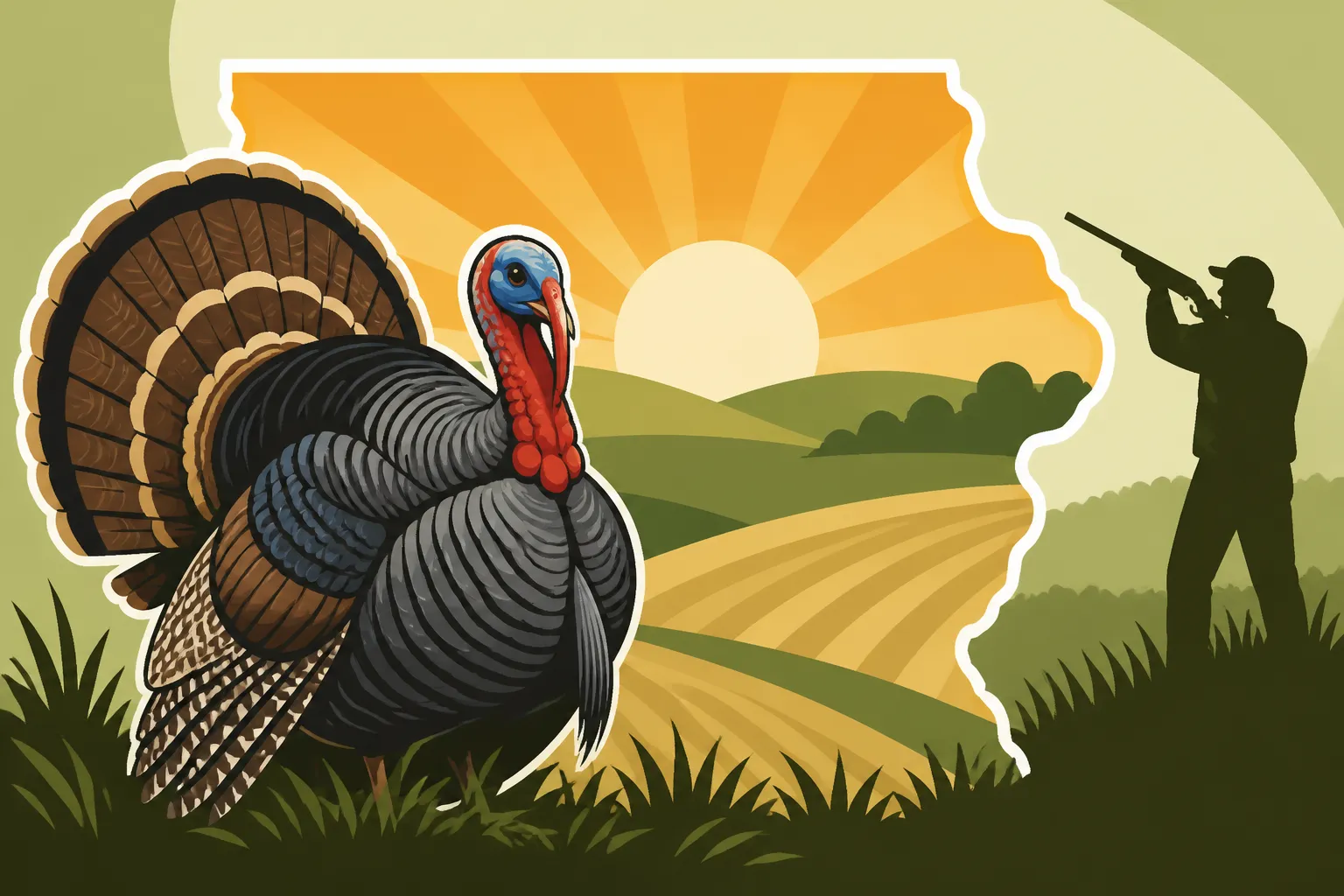
Iowa might be famous for its giant whitetails, but let me tell you, it's also a fantastic state for chasing wild turkeys. The rolling timber, diverse agricultural lands, and river bottoms create prime habitat for these majestic birds, offering some incredible hunting opportunities for both spring and fall seasons. Don't let the process intimidate you; once you understand the lay of the land, you'll see why so many hunters are eager to punch an Iowa turkey tag.
Why Iowa Turkeys Offer Great Opportunities
You know, when folks think Iowa, their minds often jump straight to cornfields and big deer. And while that's certainly true, the state's diverse landscape also supports a thriving wild turkey population. We're talking about a mix of mature timber, brushy draws, river corridors, and those ever-present agricultural fields that provide abundant food sources year-round. This combination leads to healthy turkey numbers and, frankly, some pretty exciting hunting. Many hunters, myself included, find the challenge and reward of an Iowa turkey hunt on par with our deer hunting experiences. The birds are often vocal, responsive, and provide an exhilarating experience, whether you're a seasoned turkey hunter or just starting out.
The management efforts by the Iowa Department of Natural Resources (DNR) also play a significant role in maintaining these robust populations. They set quotas and season structures designed to ensure sustainable hunting pressure while allowing the turkey population to flourish. This thoughtful approach means that when you draw a tag, you're stepping into an environment where your chances of encountering birds are genuinely high, especially if you've done your scouting. It's not just a shot in the dark; it's a well-managed resource that keeps hunters coming back year after year for the thrill of a gobble echoing through the Iowa woods.
Species and Distribution Across the State
When we talk about wild turkeys in Iowa, we're almost exclusively talking about the Eastern wild turkey. These are the classic birds we all picture, with their iridescent plumage, powerful gobble, and keen senses. They're well-adapted to Iowa's mixed hardwood forests, finding everything they need from roosting trees to foraging grounds in our timber blocks and creek bottoms. You'll find them pretty much statewide, wherever suitable timbered habitat exists.
While you might see higher concentrations in certain river drainages or more heavily timbered regions like the southern counties or the northeast's driftless area, turkeys are surprisingly adaptable. They utilize those agricultural fields for foraging, often feeding on waste grain after harvest, then retreating to the timber for roosting and cover. Understanding their general distribution helps you narrow down your scouting efforts, but the truth is, a good patch of woods anywhere in Iowa has the potential to hold a flock of birds. It's all about finding that perfect blend of roosting cover, feeding areas, and water, and Iowa provides that in spades. You might even find them right up against suburban areas, making for some interesting close encounters!
The Allure of the Iowa Spring Gobbler
There's just something magical about chasing a spring gobbler in Iowa. After a long winter, hearing that first booming gobble cut through the crisp morning air is enough to send shivers down any hunter's spine. It's a time of renewal, with the woods coming alive, and the turkeys are certainly putting on a show. The spring season focuses exclusively on bearded birds – typically gobblers, but sometimes a bearded hen – which adds to the trophy aspect of the hunt.
The challenge of calling in a wary tom, mimicking the sounds of a hen to draw him into range, is what hooks so many of us. Whether you're using a slate call, box call, or diaphragm call, that back-and-forth conversation, getting closer and closer, is an adrenaline rush unlike any other. Plus, the sheer beauty of an Iowa spring morning, watching the sunrise paint the sky while you wait for a bird to fly down, is an experience that transcends just pulling a trigger. It’s an immersion in nature, a test of skill and patience, and for many, the absolute highlight of their hunting year. Many hunters dedicate themselves to Iowa Turkey Hunting Tactics for Spring Gobblers just to experience this thrill.
Iowa Turkey Season Structure: Spring vs. Fall
Iowa's turkey seasons are carefully structured to provide ample opportunity while managing the resource effectively. We have distinct spring and fall seasons, each with its own set of rules, license types, and hunting experiences. It's crucial to understand these differences to plan your hunts successfully and avoid any unexpected legal snags.
Spring Season Segments and Dates
The Iowa spring turkey season is a big deal for hunters, and it’s split into several distinct periods, plus a special youth season. This segmentation helps spread out hunter pressure and allows for a more focused experience during the peak of gobbling activity. The season generally kicks off in early April with the youth-only season, offering younger hunters a fantastic opportunity before the main adult seasons begin. This early start gives them a quieter woods and often less wary birds, a really thoughtful way to get kids involved in hunting.
Following the youth season, the main adult seasons typically run through four periods. The first period is usually the shortest, with each subsequent period generally getting a bit longer. Archery hunters have a bit more flexibility, with their season often running concurrently with the first three shotgun/muzzleloader periods. It’s worth noting that nonresidents usually have fewer periods available to them, typically just the last three. These periods are not set in stone and can shift slightly year to year, so always check the current Iowa DNR regulations booklet or their website to confirm exact dates. Planning ahead, especially for When Iowa Turkey Licences Go On Sale, is crucial if you want to hunt during a specific segment.
Here's a simplified look at the typical structure of the Iowa Spring Turkey Season (always confirm current year dates with the DNR!):
| Season Type | Weapon Type | General Dates (Approx.) | License Type | Notes |
|---|---|---|---|---|
| Youth Season | Shotgun, Archery, Muzzleloader | Early April | Youth Tag | Open to hunters 15 & under |
| Archery Season | Bow & Arrow, Crossbow | Mid-April to Mid-May | Archery Tag | Runs concurrently with Shotgun Periods 1-3 |
| Shotgun/Muzzleloader Periods 1-4 | Shotgun, Muzzleloader, Handgun, Archery | Mid-April to Mid-May (4 periods) | Period-Specific Tag | Nonresidents usually limited to Periods 2-4 |
The periods are designed so that the initial segments often coincide with the breeding peak, when gobblers are most active and vocal, providing thrilling interactions. As the season progresses into later periods, turkeys might become a bit more "henned up," meaning they are with hens and harder to pull away, but savvy hunters know how to adapt. Understanding these periods and how they align with turkey behavior is a critical piece of the puzzle for any hunter hoping to fill their tag.
Fall Season Dates and Weapon Choices
Unlike the spring season, where the focus is solely on bringing home a bearded bird during the breeding frenzy, the fall turkey season offers a different kind of hunt. It's much more about locating flocks, understanding their feeding patterns, and often involves calling birds in groups. The fall season is typically longer than spring and provides more flexibility in terms of weapon choices and locations.
Fall turkey hunting in Iowa usually begins in early October and can run through early December, offering a substantial window of opportunity. During this time, you'll find options for both archery-only hunting and a combined shotgun/muzzleloader/handgun season. This versatility means you can choose your preferred method, whether you enjoy the close-quarters challenge of bowhunting or prefer the reach of a shotgun. The bag limit in the fall is usually one turkey of either sex per license, which is a significant departure from the spring's bearded-only rule. This makes the fall season a great option for those looking to simply put some delicious wild turkey meat on the table without the intense pressure of a spring gobbler hunt.
Bag Limits and Daily Restrictions
Understanding the bag limits and daily restrictions is non-negotiable for ethical and legal turkey hunting in Iowa. Misinterpreting these rules can lead to serious trouble, so let's make sure we're clear. In the spring season, for each license you possess, you are generally allowed to harvest one bearded turkey. The emphasis here is on "bearded," meaning you're targeting gobblers primarily, though some hens can have beards. You can purchase multiple licenses if available, but each license corresponds to one bearded turkey. For nonresidents, drawing one spring turkey license is usually the maximum, making each opportunity precious.
For the fall turkey season, the rules are a bit more flexible regarding the type of bird. With a fall license, you're typically allowed to harvest one turkey of either sex. This means you can take a gobbler or a hen, providing more options when you're trying to fill the freezer. Regardless of the season, there are strict daily limits – generally, you cannot harvest more than one turkey per day. This rule is in place to prevent over-harvest and to ensure that the hunting experience remains fair and sustainable. Always tag your bird immediately after harvest and report it according to Iowa DNR regulations, typically within 24 hours. Failure to follow these steps can result in fines and loss of hunting privileges.
Navigating Spring Turkey License Applications
Applying for an Iowa spring turkey license, especially as a nonresident, can feel like you need a special decoder ring. It’s not always straightforward, but with a bit of guidance, you’ll be on your way to chasing gobblers in the Hawkeye State. The process differs quite a bit depending on whether you're an Iowa resident or coming from out of state, so let's break it down.
Resident Spring Turkey License Process
For Iowa residents, the process of obtaining a spring turkey license is generally much simpler and more accessible than for nonresidents. Residents have the advantage of over-the-counter (OTC) sales for most spring turkey licenses, meaning you don't typically have to go through a draw process, except in specific management zones or if a quota is met. This convenience is a huge benefit, allowing residents to purchase their desired period and zone tag directly. You'll need to have a valid Iowa hunting license and habitat fee, which are prerequisites for purchasing any game-specific tag.
Licenses can be purchased online through the Go Outdoors Iowa system, which is the official portal for all Iowa DNR licensing. Many local vendors, like sporting goods stores and county recorders' offices, also sell licenses. The key is to act promptly once licenses become available, especially if you have a specific period or zone in mind, as popular periods can sometimes sell out. Residents can often purchase up to two spring turkey licenses, as long as one is for the archery season or a specific management zone, providing more opportunities to fill a tag. This flexibility makes it relatively easy for residents to participate in the spring turkey hunt each year, whether they prefer to focus on a single period or extend their season with multiple tags.
Nonresident Spring Turkey Application Details
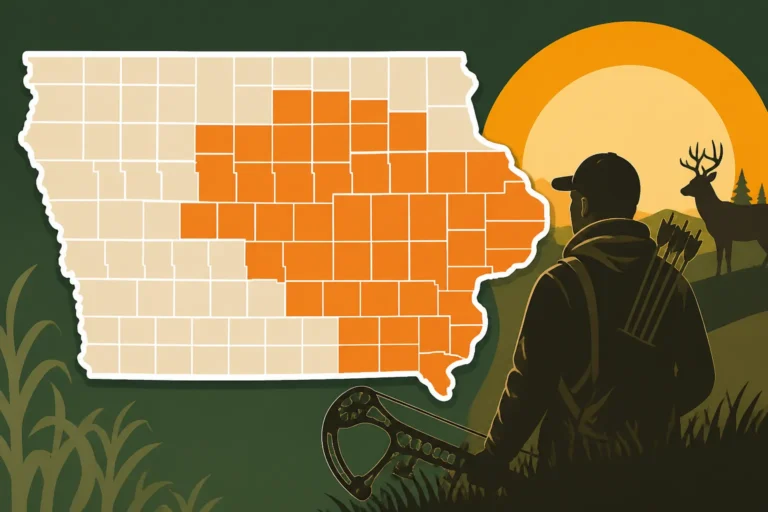
Now, for my nonresident friends, the spring turkey application process is where things get a bit more competitive and structured. Iowa is renowned for its turkey hunting, and understandably, many hunters from outside the state want to experience it. Because of this high demand and the DNR's commitment to managing the resource, nonresident spring turkey licenses are quota-based and allocated through a lottery draw system. This means you can't just walk in and buy a tag; you have to apply and hope your name is drawn.
The application period for nonresident spring turkey licenses typically opens in late December or early January and runs through late January or early February. It's a fairly tight window, so marking your calendar is absolutely essential. You'll apply through the same Go Outdoors Iowa system. During the application, you'll select your preferred hunting zone and one of the available hunting periods (usually Periods 2, 3, or 4). It’s crucial to research these zones and periods beforehand to maximize your draw odds and hunting success. Many nonresidents use resources like GoHunt to research draw odds and strategies before applying. You won't know if you've been successful until the draw results are announced, usually in mid-February. If you're drawn, your credit card will be charged, and your license will be issued. If not, you're out of luck for spring turkey that year, but don't despair; there might be fall opportunities!
Understanding the Nonresident Turkey Draw
The nonresident spring turkey draw can be a source of frustration and anxiety for many hunters, especially those new to the Iowa system. It’s essentially a lottery, but understanding how it works can help you make informed decisions when applying. Unlike the deer draw, Iowa does not currently use a preference point system for nonresident turkey licenses. This means every applicant has the same odds each year, regardless of whether they’ve applied before. While this seems fair, it also means there's no accumulating an advantage, so it’s always a fresh roll of the dice.
The number of nonresident tags available each year is limited by county and period, based on quotas set by the Iowa DNR to ensure sustainable harvest and resident opportunity. Your best bet for increasing your draw odds often involves applying for less popular zones or later periods, which tend to have more tags available or fewer applicants. For example, some central Iowa zones or the later Period 4 might have slightly better odds than the more coveted timbered regions or earlier periods when gobblers are often most vocal. It’s always a balance between desire and practicality. Don't forget that if you are drawn, your payment method will be charged. If you're not drawn, you simply don't get a tag, and your application fee (if any beyond the license cost) is typically retained. It's vital to stay on top of the dates for Iowa Nonresident Turkey Application Dates to ensure you don't miss out.
Decoding Fall Turkey License Options
While spring turkey hunting gets a lot of the spotlight, the fall season offers a completely different, yet equally rewarding, experience. The hunting strategy shifts from calling in lovesick gobblers to breaking up flocks and calling in scattered birds, or simply ambushing them along travel routes. Iowa provides opportunities for both residents and nonresidents, but just like spring, there are distinct differences in how you acquire those tags.
Resident Fall Turkey License Options
For Iowa residents, obtaining a fall turkey license is usually a pretty straightforward affair, similar to the spring resident process. Most fall turkey licenses are available over-the-counter (OTC), meaning you don't typically need to go through a draw. This is fantastic news for residents who enjoy extending their turkey hunting season or prefer the challenge of fall tactics. You simply need to have your valid Iowa hunting license and habitat fee in order, then head to the Go Outdoors Iowa website or a local vendor to purchase your tag.
Residents typically have a choice between an archery-only fall turkey license and a more general fall shotgun/muzzleloader/handgun license. The archery season usually runs for an extended period, starting in October and continuing through early December. The shotgun/muzzleloader/handgun season also runs for a significant portion of this timeframe, often overlapping with the archery season. This flexibility allows residents to choose their preferred weapon and gives them a long season to pursue birds. With a bag limit of one turkey of either sex per license, the fall season is excellent for filling the freezer and enjoying the beauty of Iowa's autumn woods.
Nonresident Fall Turkey Hunting Opportunities
Good news for nonresidents: fall turkey hunting in Iowa is generally much more accessible than the highly competitive spring season! While the spring tags are on a strict quota and draw system, nonresident fall turkey licenses are typically available over-the-counter in most zones, with some exceptions for specific, limited quota zones. This means that if you're a nonresident who couldn't secure a spring tag, or if you simply prefer fall hunting, Iowa offers a great opportunity without the stress of a lottery.
The general nonresident fall turkey license usually allows you to hunt in designated zones across the state during the established archery and shotgun/muzzleloader/handgun seasons. Just like residents, you’ll need to purchase a valid Iowa nonresident hunting license and habitat fee before you can buy your fall turkey tag. It's always best to check the current year's regulations on the Iowa DNR website to confirm specific zone availability and any potential quota changes, but generally speaking, nonresidents have a good chance of getting a fall turkey tag. This makes Iowa a welcoming destination for those looking for a quality fall turkey hunt without the uncertainty of a draw.
OTC vs. Quota-Based Fall Tags
Understanding the difference between Over-The-Counter (OTC) and quota-based tags is key, especially for nonresidents navigating Iowa's fall turkey seasons. For the vast majority of fall turkey hunting in Iowa, both residents and nonresidents will find licenses available OTC. This is the simplest scenario: you decide you want to hunt, you purchase your general hunting license and habitat fee, and then you buy your turkey tag, either online through Go Outdoors Iowa or from a licensed vendor. No applications, no draws, no waiting to see if you're successful. This convenience makes fall turkey hunting a popular choice.
However, there can occasionally be specific zones or unique hunts that are quota-based, especially for nonresidents. These would be clearly outlined in the Iowa DNR regulations and would require an application and potentially a draw, similar to the nonresident spring season, but usually with much higher draw odds. These situations are less common for fall turkey than for deer or spring turkey, but they do exist to manage populations in specific areas. It’s always your responsibility to consult the official Iowa DNR regulations each year to confirm the exact licensing requirements for the zone and season you plan to hunt. Don't just assume; always verify to avoid any disappointment or legal issues.
License Costs and Where to Buy
Budgeting for your hunt is just as important as scouting or tuning your calls. Iowa’s licensing system has several components, and understanding the costs involved for both residents and nonresidents, as well as where to make your purchases, will prevent any last-minute surprises.
Resident Turkey License Fees
For Iowa residents, the cost of a turkey license is quite reasonable, reflecting the state's commitment to providing accessible hunting opportunities for its citizens. A resident turkey license typically costs around $28.00. This is the fee for the tag itself, whether you're purchasing it for the spring or fall season. However, it's important to remember that this isn't the only fee. Before you can buy any game-specific license, you'll also need to purchase a general Iowa hunting license. For residents, this annual license is usually around $22.00.
Additionally, every hunter in Iowa is required to pay a habitat fee, which supports critical wildlife habitat conservation efforts across the state. The resident habitat fee is generally $13.00. So, to get a full picture, you're looking at the cost of the hunting license, the habitat fee, and then the turkey license itself. This structure ensures that hunters contribute to the broader conservation efforts that benefit all wildlife, including the turkeys we love to chase. All these fees are generally collected when you make your initial purchase through the Go Outdoors Iowa system or at a licensed vendor.
Nonresident Turkey License and Habitat Fees
Nonresidents face a higher price tag for the privilege of hunting Iowa's turkeys, which is common across states with highly desired hunting opportunities. A nonresident spring or fall turkey license typically costs around $100.00. This is a significant jump from resident fees, but it reflects the demand for Iowa's quality hunting. But wait, there's more to the total cost. Just like residents, nonresidents must first purchase an annual Iowa hunting license. For nonresidents, this base license can be around $144.00, which covers small game and allows you to then purchase turkey tags.
On top of that, nonresidents are also required to pay the habitat fee, which is generally $15.00. So, if you're a nonresident planning a turkey hunt, you're looking at the combined cost of the annual nonresident hunting license, the habitat fee, and then the turkey license itself. This can add up, making a nonresident turkey hunt a notable investment. It's why many nonresidents carefully research their options, often using tools found on sites like GoHunt to understand all associated costs and maximize their chances of success before committing their hard-earned money. All these fees are typically processed when you apply for your draw tag or purchase your OTC fall license through the Go Outdoors Iowa system.
The Go Outdoors Iowa System and Other Vendors
When it comes to actually purchasing your Iowa turkey licenses, the primary and most convenient method is through the official Go Outdoors Iowa online licensing system. This platform, operated by the Iowa DNR, is a one-stop shop for all your hunting and fishing license needs. You can create an account, manage your existing licenses, apply for draws, and purchase available tags all from the comfort of your home. It’s designed to be user-friendly, though like any online system, it can have its quirks, especially during peak application periods.
In addition to the online portal, you can also purchase licenses and pay fees at various authorized vendors across the state. These typically include sporting goods stores, bait shops, some convenience stores, and county recorder offices. These physical locations are great if you prefer an in-person transaction or if you're already in Iowa and need to pick up a last-minute tag. However, for nonresident draw applications, the online Go Outdoors Iowa system is almost always the preferred and sometimes only method. Always make sure to get a receipt and verify that your licenses are correctly issued, whether you're buying online or in person.
Key Regulations and Rules to Know
Hunting in Iowa comes with a set of rules designed to ensure safety, ethical practices, and the long-term health of our wildlife populations. Knowing these regulations inside and out isn't just about avoiding a ticket; it's about being a responsible and respected hunter. This is especially true when it comes to the specific weapon legalities and tagging requirements for turkeys.
Weapon Legalities for Turkey Hunting
Iowa has specific rules about what weapons you can use to hunt turkeys, and these can vary slightly between the spring and fall seasons. For the spring turkey season, the primary legal weapons include shotguns (20 gauge or larger, using shot size no larger than No. 4, or No. 2 for steel/non-toxic shot), muzzleloading shotguns, bows and arrows, and crossbows. Handguns are also allowed, provided they meet certain caliber and barrel length requirements. This diverse array of options gives hunters flexibility based on their preference and skill set. However, it's crucial to note that rifles firing single projectiles (like centerfire rifles or even rimfire rifles) are strictly prohibited for turkey hunting in Iowa. This rule helps ensure safety in areas where hunters may be spread out.
In the fall turkey season, the weapon choices generally mirror the spring season: shotguns (same gauge and shot size restrictions), muzzleloading shotguns, bows and arrows, crossbows, and handguns. Again, rifles firing single projectiles are not allowed. It’s also worth mentioning that electronic calls are prohibited for turkey hunting in Iowa, as is baiting, which we'll delve into more deeply. Always double-check the current year's Iowa DNR regulations booklet for any subtle changes or clarifications on weapon specifics, as rules can occasionally be updated. Understanding your weapon's limitations and practicing proper Shot Placement on a Whitetail at Twenty Yards (or a turkey at closer range!) is crucial for a clean kill.
Tagging and Harvest Reporting Requirements
After the adrenaline rush of a successful turkey hunt, the next critical step is properly tagging and reporting your harvest. This isn't just bureaucracy; it's how the Iowa DNR collects vital data to manage turkey populations and ensure sustainable hunting for years to come. The rules are strict and straightforward: immediately after you harvest a turkey, you must notch or validate your tag. This typically involves removing the correct dates and ensuring it's securely attached to the bird, usually to a leg, before moving it from the place of kill. Don't wait until you get back to the truck or camp; do it right then and there.
Beyond tagging, harvest reporting is mandatory. You are generally required to report your turkey harvest to the Iowa DNR within 24 hours of taking the bird. This can usually be done online through the Go Outdoors Iowa website or by calling a toll-free number provided by the DNR. When reporting, you'll need your license number, the date of harvest, the county where the bird was harvested, and information about the turkey (e.g., bearded or non-bearded, weight, spur length for gobblers). Failure to properly tag or report your harvest can result in fines and legal consequences, so take this step seriously. It's a fundamental responsibility of every hunter. For similar rules regarding other game, check out Iowa Deer Harvest Reporting Rules.
Baiting and Other Prohibited Activities
To maintain fair chase ethics and ensure a sustainable resource, Iowa has strict regulations against baiting and other prohibited activities for turkey hunting, just as it does for deer. Simply put, you cannot hunt turkeys over bait. Bait is defined broadly to include any grain, fruit, vegetable, nut, hay, silage, or other food that attracts wild turkeys. This rule applies even if the bait was placed by someone else and you were unaware; it's the hunter's responsibility to know the area they are hunting is free of bait. This can be particularly challenging in agricultural areas where spilled grain might occur naturally, but hunters are still expected to exercise due diligence and avoid hunting such spots.
Beyond baiting, several other activities are prohibited:
- Electronic Calls: The use of electronic calls to attract turkeys is illegal in Iowa. You must rely on traditional mouth, slate, or box calls to lure in birds.
- Live Decoys: Using live turkeys as decoys is also strictly prohibited.
- Motorized Vehicles: You cannot pursue turkeys from a motorized vehicle.
- Night Hunting: Hunting turkeys during legal shooting hours (usually 30 minutes before sunrise to sunset) is the only permitted time. Night hunting is illegal.
These rules are in place to ensure that hunting remains a skill-based pursuit and that turkeys are not unduly concentrated or exploited. Ignorance of the law is not an excuse, so always review the official Iowa DNR regulations before heading afield.
Maximizing Your Iowa Turkey Hunting Success
Getting the license is one hurdle, but actually putting a tag on an Iowa turkey is another entirely. Success in the turkey woods often comes down to preparation, understanding turkey behavior, and knowing how to adapt to conditions. Let’s dive into some strategies that can really make a difference.
Scouting and Pre-Season Prep
Just like with deer hunting, pre-season scouting is absolutely paramount for turkey hunting success. You wouldn’t just show up to a new deer stand on opening day, would you? The same goes for turkeys. In the weeks leading up to the season, get out into the timber and start listening. Locate potential roosting areas by listening for morning and evening gobblers. Turkeys are creatures of habit, and often roost in the same general areas, typically in tall trees along river bottoms, creek drainages, or on timber points.
Beyond roosts, look for sign: tracks, droppings, dusting bowls, and shed feathers. These indicate where birds are spending their time feeding and strutting. Pay attention to food sources too; in spring, they might be frequenting greening fields or areas with leftover acorns. In fall, they’ll be hitting crop fields, mast crops, and insect-rich areas. E-scouting with aerial maps on a platform like GoHunt or even the Iowa DNR's public hunting atlas can save you countless hours by identifying potential habitat remotely. Don't overlook Scouting Iowa Public Land Before the Opener for both deer and turkeys, as the principles are very similar. The more you know about where the birds are, their travel patterns, and preferred spots, the higher your chances of setting up in the right place on opening morning.
Effective Calling and Decoying Strategies
Calling is undeniably one of the most exciting and challenging aspects of turkey hunting, and mastering it can make or break your hunt. There’s no single “best” call; rather, it’s about knowing when and how to use various calls effectively. Start with soft yelps, clucks, and purrs to pique a tom's interest. If he responds, you can become more aggressive with cutting and louder yelps, mimicking an excited hen. Don't overcall; let the bird dictate the conversation. Sometimes, less is more, especially with wary Iowa gobblers who have heard it all.
Decoys can also be incredibly effective, especially in the spring. A single hen decoy, or a combination of a jake and hen, can draw a jealous tom into shotgun range. Placement is key: set your decoy(s) where an approaching gobbler will see them from a distance, preferably in an open area. Be mindful of safety, especially on public land; never carry an unbagged decoy, and always be absolutely certain of your target. In the fall, decoys are less commonly used, as the strategy often shifts to breaking up a flock and calling individual birds back to your position. For more specific insights, consider exploring strategies like Calling a Gobbler Off the Roost or Calling a Henned-Up Iowa Gobbler.
Understanding Hunting Pressure on Public Land
Hunting public land in Iowa, while offering fantastic opportunities, also means contending with hunting pressure. Especially during opening weekends or peak gobbling periods, popular areas can see a significant number of hunters. This pressure can make turkeys more wary, less vocal, and change their patterns. They might move to thicker cover, hold up longer on the roost, or become much harder to call in. Don't expect birds on public ground to behave like those on private land that rarely see hunters.
To combat pressure, try to get deeper into public tracts than other hunters are willing to go. Look for difficult access points, walk further, or utilize areas with dense, thorny cover that most people avoid. Hunting weekdays instead of weekends can also drastically reduce pressure. Another tactic is to focus on smaller, less obvious pieces of public land that might be overlooked. Remember that turkeys, like deer, will adapt to pressure, so understanding their escape routes and how they use different terrain features to avoid hunters is crucial. Patience and adaptability are your best friends when Hunting Pressure Patterns on Iowa Public Land.
Disclaimer
The information provided in this guide is for general informational purposes only and is not a substitute for the official regulations published by the Iowa Department of Natural Resources (DNR). Hunting regulations, season dates, and license requirements can change annually. It is the responsibility of every hunter to consult the most current Iowa DNR hunting regulations prior to going afield to ensure compliance with all applicable laws. Always prioritize safety and ethical hunting practices.