Iowa Early Muzzleloader Season Dates
It’s easy to get overwhelmed trying to keep track of all the different hunting seasons in Iowa, especially when you're planning ahead and trying to make sure you’ve got your ducks—or rather, your deer tags—in a row. This comprehensive guide is here to clarify everything you need to know about the Iowa Early Muzzleloader Season dates, helping you understand the regulations, application process, and what you can expect when you’re out in the timber.
Understanding Iowa's Early Muzzleloader Season Structure
The Iowa Early Muzzleloader Season often feels like a sweet spot for many deer hunters, a unique opportunity wedged between the early archery season and the high-pressure gun seasons. It's a chance to pursue whitetails with a traditional-feeling weapon during a time when deer behavior is still transitioning, making it a distinct challenge and reward for those who commit to it.
Key Dates and Why They Matter
For many hunters, the early muzzleloader season is a cherished time. While the exact dates can shift slightly year to year based on the calendar, the Iowa Early Muzzleloader Season typically runs for about a week, often starting in mid-October. For instance, in recent years, it has fallen around the middle of the month, like the third full week of October, generally from Saturday to Friday. This specific timing is crucial because it lands right in that early fall period, often preceding the most intense "peak rut" activity that brings bucks out more predictably.
Hunting during these dates means you're targeting deer that are still largely on their early season patterns, focused heavily on food sources before the full-blown breeding frenzy kicks in. You might encounter bucks still in their bachelor groups, or just beginning to disperse, but they haven't completely abandoned their feeding routines for chasing does. This period offers a unique dynamic; you're often dealing with slightly warmer temperatures than later seasons, which influences deer movement, making midday activity potentially slower. Understanding these nuances is key to success during this particular window, as deer are often still fairly nocturnal, moving most actively at dawn and dusk.
This season also provides a fantastic bridge for bowhunters who might not have filled their tags or gun hunters who prefer the challenge and solitude of a muzzleloader before the crowds of the shotgun season. It's a quieter experience, often with fewer hunters afield compared to the highly anticipated Iowa First and Second Shotgun Seasons. The weather can be hit or miss, ranging from crisp, cool mornings to surprisingly warm afternoons, all of which dictate how deer will move and where you'll find them.
Weapon Restrictions and Legalities
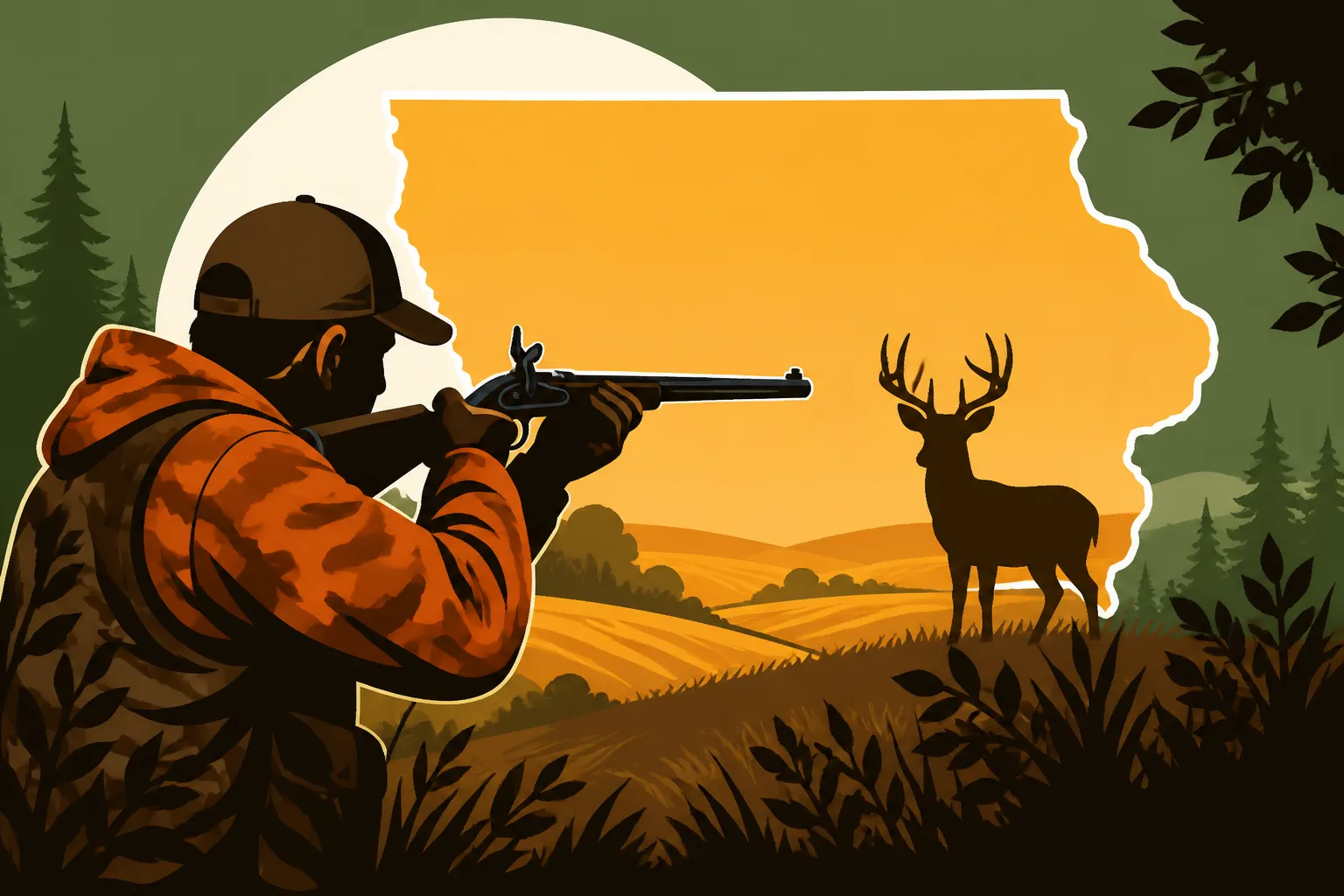
When it comes to the Early Muzzleloader Season in Iowa, the "muzzleloader" part isn't just a suggestion—it's a strict definition with specific legal requirements that every hunter needs to understand thoroughly to avoid any issues. Iowa law specifies what constitutes a legal muzzleloading firearm for deer hunting. Generally, this means a firearm that is loaded from the muzzle, uses black powder or a synthetic substitute, and can only fire a single projectile. This isn't the time to try to push the boundaries with modern rifle cartridges or any kind of multi-projectile load.
The projectile itself must also meet certain criteria. Typically, this means a bullet with a minimum diameter, often around .44 caliber or larger, weighing at least 175 grains. Shotgun-type slugs loaded from the muzzle also usually qualify, provided they meet the caliber and single-projectile rules. It's really important to check the current Iowa DNR hunting regulations booklet each year, as slight clarifications or changes can occur. They lay out everything in black and white. For example, while scopes are generally allowed, certain restrictions might apply to things like illuminated reticles in specific scenarios, so always double-check. The intent is to keep this season aligned with a more traditional hunting experience.
Understanding these legalities is crucial not just for compliance but for effective hunting. You need to be intimately familiar with your muzzleloader, its effective range, and its accuracy with various legal loads. This season isn't about long-range shots; it's about getting close, often within 100 yards, to ensure an ethical harvest. If you're new to muzzleloading, practicing regularly before the season opens is non-negotiable. Knowing the limitations of your equipment and yourself within these legal frameworks is paramount for a safe and successful hunt. Furthermore, many hunters find the specific challenges of Early Muzzleloader Tactics in Warm October Weather require an even deeper understanding of their equipment and projectile performance in varied conditions.
Tagging and Licensing for the Early Muzzleloader Season
Securing your tag for the Iowa Early Muzzleloader Season involves understanding both the general deer hunting license structure and specific nuances for this particular season, especially if you’re a nonresident. For residents, it’s generally straightforward: you purchase your Iowa resident deer license, and within that, you select your desired season, which for many might be the Early Muzzleloader. This typically comes with an "any-deer" tag, allowing you to harvest either an antlered or antlerless deer, though in certain zones, antlerless-only options might be available or required to help manage local deer populations.
For nonresidents, the process is a bit more involved, as Iowa operates on a draw system for nonresident deer tags. You can't just walk into a store and buy an early muzzleloader tag. Nonresidents must apply for tags during a specific application window, usually in May and June, and hope to be drawn. When applying, you select your preferred zone and season, including the early muzzleloader. The number of nonresident tags for this season is limited, making the draw competitive. Understanding the nuances of the Iowa Nonresident Deer Draw Explained is essential, as success often hinges on accumulating preference points.
Whether resident or nonresident, once you secure your early muzzleloader tag, it’s critical to understand what it entitles you to harvest. Most early muzzleloader tags are for an "any-deer" license, meaning you can take one deer of either sex. However, depending on the county or deer management zone you're hunting, there might be opportunities to purchase additional antlerless tags to help meet harvest quotas. Always check the Iowa DNR regulations for the current year to confirm tag types, county-specific quotas, and any additional fees associated with purchasing more tags. This attention to detail ensures you're hunting legally and contributing appropriately to Iowa's deer management efforts.
Navigating the Application Process and Key Deadlines
The application process for hunting licenses and tags in Iowa, particularly for deer, can feel like a bit of a maze, especially for new hunters or those coming from out of state. But don't let that deter you! With a clear understanding of the timelines and steps, it's a manageable system designed to distribute hunting opportunities fairly.
When and Where to Apply
For Iowa residents, acquiring a deer tag for the early muzzleloader season is generally a simple transaction. Most resident licenses go on sale well in advance of the seasons, and you can purchase them directly through the Iowa DNR's licensing system, typically online via the Go Outdoors Iowa portal or through authorized license vendors across the state. It’s always best to secure your tag early to avoid any last-minute rushes or technical glitches. Residents have the luxury of purchasing tags over the counter, provided they meet all other eligibility requirements.
Nonresident hunters, however, face a crucial and much narrower window. If you're eyeing that coveted Iowa Early Muzzleloader tag, you absolutely cannot miss the nonresident application period. This window typically opens in May and closes in early June, usually lasting about a month. This is the only time nonresidents can apply for any deer tags, including early muzzleloader. All applications are processed through the Go Outdoors Iowa online system. It’s a digital-first process, so make sure your account is set up and ready to go. Missing this deadline means you'll have to wait until the following year, so mark your calendar, set reminders, and make sure your application is submitted well before the cutoff. For more detailed information on exact dates and procedures, checking the Iowa's May to June Application Window post is a great next step.
Once the application window closes, the waiting game begins. The Iowa DNR conducts its draws, and results are typically posted online by late June or early July. This gives hunters ample time to plan their trips, scout their areas, and make any necessary gear preparations. While the process can feel a bit nerve-wracking, especially for nonresidents hoping to draw, understanding the timeline and using the official Go Outdoors Iowa platform are your keys to successfully navigating this critical first step in your early muzzleloader hunt.
Preference Points and Drawing Odds Impact
For nonresident hunters dreaming of an Iowa early muzzleloader hunt, understanding preference points is absolutely critical. Iowa uses a preference point system for nonresident deer tags, meaning those who have accumulated more points generally have a better chance of drawing a tag in competitive seasons like the early muzzleloader. Essentially, if you apply and are unsuccessful in the draw, you receive a preference point for the next year. The more years you apply and don't draw, the more points you accumulate, increasing your odds in subsequent draws.
This system means that drawing an early muzzleloader tag as a nonresident often isn't a first-year endeavor. It typically requires several preference points to be successful, depending on the zone and demand for that particular season. Some zones are harder to draw than others, reflecting higher deer populations or more desirable public land access. Resources like GoHunt are invaluable for analyzing draw odds and understanding how many points were required to draw in previous years. These insights can help you make an informed decision on which zone and season to apply for, maximizing your chances based on your current point total. The Iowa Preference Points and How They Work article provides an even deeper dive into this important system.
It's also important to remember that once you draw a tag, your accumulated preference points reset to zero. This means if you want to hunt Iowa again in a competitive season, you'll need to start accumulating points all over again. Many nonresident hunters choose to buy a preference point annually, even if they don't plan to hunt that specific year, just to build up their point total for a future hunt. This long-term strategy is often the most reliable path to securing an early muzzleloader tag in Iowa, ensuring you're ready when your number is finally called.
License Costs and Fees
Budgeting for an Iowa deer hunt, especially for the early muzzleloader season, involves more than just the tag price itself. There are several fees to consider, and these can vary significantly between residents and nonresidents. Understanding these costs upfront helps you plan financially and avoid any surprises.
For Iowa residents, the cost for a deer license, which would include your early muzzleloader tag, is typically quite affordable. In recent years, an archery or gun deer license for residents has been around $30-40. Additionally, residents will need to ensure they have an annual hunting license, which is a separate fee, usually under $30. These costs are designed to be accessible to local hunters while still contributing to wildlife conservation efforts across the state.
Nonresidents, however, face a considerably higher price tag, reflecting the demand for Iowa's premier deer hunting opportunities. For an early muzzleloader tag, nonresidents must first purchase a general nonresident hunting license and an Iowa habitat fee, which together can total over $150. On top of that, the actual nonresident deer tag for an any-deer muzzleloader license typically runs well over $400. So, the total cost for a nonresident looking to hunt the early muzzleloader season can easily exceed $550-600, not including any travel, lodging, or equipment expenses. This significant investment underscores why researching draw odds and accumulating preference points are so critical for out-of-state hunters. You can find a complete breakdown of all the fees and licenses in the Iowa Deer Licence and Tag Costs guide. It's a hefty price, but for many, the chance at a trophy Iowa whitetail is worth every penny.
Strategic Considerations for Early Muzzleloader Hunters
The Iowa Early Muzzleloader Season offers a distinct hunting experience, differing significantly from both archery and later gun seasons. To maximize your chances of success, it’s crucial to adapt your strategy to the specific conditions and deer behavior of mid-October.
Weather Impacts on Deer Movement
Mid-October weather in Iowa can be incredibly fickle, and it plays a huge role in deer movement during the early muzzleloader season. You might experience crisp, frosty mornings that quickly give way to Indian summer afternoons, with temperatures soaring into the 60s or even 70s. These warmer temperatures can make midday deer activity incredibly slow, often pushing deer movement primarily into the low-light hours of dawn and dusk. This means your all-day sits might be best concentrated on those prime morning and evening windows, with the understanding that deer might be bedded down tight during the warmest parts of the day.
Humidity levels can also be a factor. Higher humidity can make scent linger longer, while dry, windy conditions might disperse it quickly. Being mindful of the wind direction and thermals is always important, but particularly so when deer movement might be subtle and sporadic. A slight shift in wind can easily bust a deer you didn't even know was there. This means paying extra attention to scent control and setting up in locations where prevailing winds and thermals work in your favor, especially around bedding areas or primary travel corridors.
When temperatures are unseasonably warm, deer tend to seek out cooler, thicker cover for bedding. North-facing slopes, dense cedar or multiflora rose thickets, or deep creek bottoms can become prime bedding locations. Water sources also become critical in warmer weather, and deer may visit them more frequently. Being adaptable to these weather patterns is key. If you're consistently seeing slow movement, consider shifting your focus to these cooler, thicker areas or staging points closer to water, rather than solely relying on wide-open food sources that might be more productive in colder weather. For more detailed tips on managing these conditions, check out our guide on October Bow Season Heat Strategy.
Scouting and Stand Placement
Effective scouting is paramount for the early muzzleloader season, as deer patterns are often less predictable than during the peak rut. Your pre-season work should focus heavily on identifying primary food sources that will be active in mid-October. This could include standing soybeans, freshly cut cornfields, acorn flats in the timber, or even specific browse in woody areas. Deer will be largely driven by their stomachs at this time, so finding these preferred food sources and understanding how deer access them is your first step. E-scouting tools, which leverage aerial imagery and topographical maps, are incredibly helpful for this, allowing you to identify potential travel corridors, pinch points, and bedding areas from the comfort of your home. Many hunters utilize platforms like GoHunt for their robust mapping capabilities to pinpoint these key areas.
Once you’ve identified potential food sources, the next step is boots-on-the-ground scouting to confirm deer activity and identify specific travel routes. Look for fresh tracks, rub lines, and droppings indicating consistent use. Pay close attention to transition areas between bedding cover and feeding areas. During this time, deer often follow subtle terrain features like ditches, fence lines, or small timber fingers that offer cover as they move. Your stand placement should capitalize on these natural funnels, providing a clear shot at close range, given the muzzleloader's effective distance. Remember, the goal is to intercept deer moving from bed to food, or vice versa.
Consider both elevated stands and ground blinds, depending on the terrain and available cover. For instance, a well-brushed-in ground blind might be perfect on a field edge, while a hang-on stand in a timber pinch point offers a higher vantage point. Mobility can also be a significant advantage if deer patterns shift or if hunting pressure pushes them to new areas. Being able to quickly move a stand to a newly discovered hot sign can make all the difference. For those looking to really dial in their timber scouting, our guide on Scouting Iowa Timber and River Bottoms offers invaluable insights.
Public vs. Private Land Access
Hunting Iowa's early muzzleloader season presents different challenges and opportunities depending on whether you're on public or private land. Private land, if you can secure access, often offers less hunting pressure and potentially more consistent deer patterns. Building relationships with landowners, offering to help with chores, or leasing ground are common ways to gain private land access in Iowa. On private land, you might have more flexibility in stand placement, food plot creation, or even setting mineral sites, though baiting for deer is generally prohibited in Iowa. The trade-off, of course, is that private land access can be difficult to obtain and, if leased, expensive.
Public land, while offering open access to anyone with a valid license, typically comes with increased hunting pressure. Wildlife Management Areas (WMAs), State Forests like Stephens State Forest, and even some county conservation areas are open for hunting. The key to success on public land during early muzzleloader is often finding areas that are less accessible or overlooked by other hunters. This might mean hiking deeper, hunting smaller, isolated pockets of cover, or focusing on areas with less obvious access points. Using mapping apps to identify hard-to-reach corners or areas bordered by difficult terrain can give you an edge. Many hunters find success by walking in farther than most are willing to, especially on tracts found on the Iowa DNR Hunter Atlas.
Regardless of whether you're on public or private land, respect for the resource and other hunters is paramount. On public land, be prepared to encounter other hunters and practice good etiquette, like giving ample space and not crowding someone else’s spot. For a deep dive into navigating public ground, read our guide on Public Land Deer Hunting in Iowa. Your choice of public versus private often dictates your strategy, but with careful planning and an adaptable mindset, success can be found in both settings during the Iowa Early Muzzleloader Season.
Iowa Early Muzzleloader Season at a Glance
| Feature | Details |
|---|---|
| Typical Dates | Mid-October (e.g., Third Saturday of October through the following Friday). Check current DNR regs for exact dates. |
| Weapon Allowed | Muzzleloading firearms only. |
| Projectile Type | Single projectile, minimum .44 caliber (or equivalent shotgun slug). |
| Loading Method | Loaded from the muzzle with black powder or approved substitute. |
| Tag Type (Resident) | "Any-deer" tag included with resident deer license. |
| Tag Type (Nonresident) | "Any-deer" tag via competitive draw system. |
| Application Period | Nonresidents: Typically May-June for the draw. Residents: Licenses available over-the-counter. |
| Required License | Valid hunting license + deer license (and habitat fee for nonresidents). |
| Deer Behavior | Primarily food-driven; pre-rut activity just beginning. |
| Weather Impact | Can be warm; deer movement often concentrated at dawn/dusk. |
Disclaimer
Hunting regulations, season dates, and license requirements can change annually. While this guide provides general information and common practices, it is crucial to consult the official Iowa Department of Natural Resources (DNR) hunting regulations booklet or website for the most current and accurate information before planning any hunting trip. Compliance with all state and federal laws is the hunter's responsibility.