Iowa Wildlife Violation Penalties
It's incredibly frustrating when you're passionate about hunting, committed to ethical practices, but feel like the rules are a maze, and a simple mistake could lead to harsh consequences. No one wants to inadvertently break the law and face the repercussions. This guide aims to demystify Iowa's wildlife violation penalties, helping you understand what's at stake and, more importantly, how to navigate the regulations with confidence to avoid common pitfalls.
Understanding Iowa's Conservation Laws and Why They Matter
Hunting and fishing in Iowa are privileges, not rights, and those privileges come with a serious responsibility to uphold the state's conservation laws. These regulations aren't just arbitrary rules; they're the backbone of sustainable wildlife management, ensuring healthy populations for future generations to enjoy. When someone disregards these laws, whether intentionally or through negligence, it undermines the efforts of countless conservationists, landowners, and ethical hunters.
The Foundation of Ethical Hunting
At its core, ethical hunting is about respect: respect for the animal, respect for the land, and respect for the law. Iowa's Department of Natural Resources (DNR) works tirelessly to set seasons, bag limits, and legal methods based on scientific data, all designed to maintain balance within our ecosystems. When a hunter knowingly or unknowingly violates these laws, they're not just breaking a rule; they're potentially impacting local wildlife populations, damaging habitat, and tarnishing the public image of hunting. Think about the pride we all feel when a young hunter completes their required Iowa Hunter Education Age Requirement and understands the importance of these rules from the start. It sets them on a path of responsible participation.
Common Misconceptions That Lead to Violations
Many violations stem not from malice, but from a lack of understanding or misinterpretation of the regulations. People often assume that because a certain practice is legal in another state, it's also legal here, or they rely on outdated information. For example, the rules around Iowa Party Hunting Rules can be intricate, and misunderstanding who can tag what can lead to serious issues. Another common area of confusion revolves around baiting laws. What one person considers "feeding deer," another might correctly identify as baiting, which is strictly prohibited in Iowa. It's vital to remember that ignorance of the law is rarely an excuse.
Categories of Wildlife Violations and Their Penalties
Iowa's wildlife violations range from minor infractions that might result in a simple fine to serious felonies carrying significant jail time and long-term consequences. The severity of the penalty often depends on the nature of the offense, the species involved, and whether it's a first-time offense or a repeat violation. It's crucial to consult the official Iowa hunting regulations booklet, which is typically updated around the Iowa Regulation Booklet Release Date, or resources like the Iowa DNR website or apps like GoHunt for the most current information.
Minor Infractions: Fines and Warnings
Minor infractions typically involve procedural errors or less impactful violations. These might include things like failing to immediately tag a deer, hunting without having your physical license on your person (even if you've purchased it), or exceeding daily bag limits on small game by a small margin. While these might seem trivial, they are still taken seriously by conservation officers.
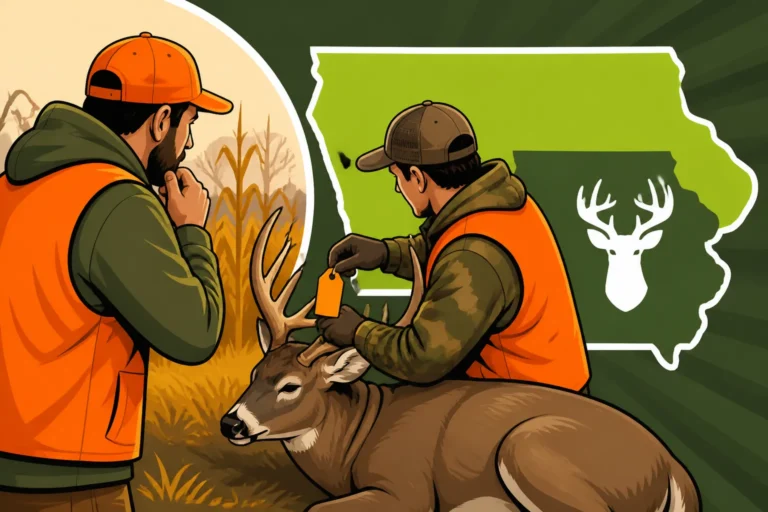
For instance, forgetting to attach your tag immediately after harvesting a deer could result in a citation and a fine. It's a simple oversight that can have frustrating consequences. Similarly, incorrectly reporting your harvest, or failing to report it altogether, which is outlined in the Iowa Deer Harvest Reporting Rules, can also lead to a minor violation. While you might just receive a warning for a very first, minor offense, repeated or slightly more egregious minor violations will almost certainly lead to fines, usually ranging from a few hundred dollars. These fines contribute to Iowa's conservation efforts, but they're still a dent in your wallet and a stain on your hunting record.
Serious Offenses: Hunting Without a License or Out of Season
Moving up the ladder of severity, we encounter more serious offenses. These often involve direct disregard for established seasons, methods, or licensing requirements. Hunting without a valid license, for instance, isn't just a minor mistake; it's a fundamental breach of the system that funds wildlife management. Similarly, hunting out of season, even if you have a valid license for a different season, is a major problem.
Consider a scenario where a hunter is found taking deer during the closed archery season, or using a shotgun during the early muzzleloader season without the proper tag. These actions not only violate specific rules but often demonstrate a blatant disrespect for the resource and the fair chase principles. Penalties for these types of violations can include much steeper fines, potentially in the thousands of dollars, mandatory court appearances, and the potential for temporary loss of hunting privileges. If you are ever caught harvesting a deer illegally, the penalties for Tagging Another Hunter's Deer in Iowa can be even more severe if it's found you were attempting to conceal an illegal kill. It’s always best to be meticulous about your licensing and season dates. Checking reputable sources like GoHunt before heading out can prevent these kinds of costly errors.
Major Felonies: Poaching and Commercialization
At the apex of wildlife violations are major felonies, typically involving poaching, especially of trophy animals, or the commercialization of wildlife. Poaching isn't just about taking an animal illegally; it often involves sophisticated operations, disregard for property lines, and sometimes even violence. Selling wild game, antlers, or other parts illegally is a serious crime that attempts to profit from a shared public resource.
These are the violations that truly threaten wildlife populations and the integrity of hunting. Taking a trophy buck at night with a spotlight, illegally trespassing, and then attempting to transport it across state lines is an example of felony poaching. The penalties for such offenses are severe: tens of thousands of dollars in fines, multiple years in prison, permanent revocation of hunting privileges in Iowa and often in many other states through interstate compacts, and the confiscation of all equipment involved—trucks, ATVs, firearms, bows, and even expensive optics. When you hear about successful arrests and convictions for these kinds of crimes, it's often due to concerned citizens who Reporting Poaching in Iowa to the DNR. These egregious acts are a black eye on the hunting community and directly steal from all Iowans.
The Broader Repercussions Beyond Fines
While fines are a significant deterrent, the consequences of wildlife violations in Iowa extend far beyond monetary penalties. The ripple effect can impact your ability to hunt in the future, your personal finances, and even your standing in the community. It's not just about paying a ticket; it's about potentially losing a cherished pastime and facing long-lasting legal and personal ramifications.
Licence Revocations and Hunting Privileges
One of the most disheartening consequences for any avid hunter is the loss of hunting privileges. Depending on the severity and nature of the violation, the Iowa DNR has the authority to suspend or even permanently revoke your hunting, fishing, and trapping licenses. This isn't just for Iowa; through the Interstate Wildlife Violator Compact, a suspension in Iowa can mean you lose your hunting privileges in over 40 other member states. Imagine putting in years of effort to earn preference points for an out-of-state hunt, only to lose them because of a violation here.
This revocation period can vary widely. A minor infraction might result in a one-year suspension, while a serious poaching offense could lead to a lifetime ban. For many, hunting is more than a hobby; it's a way of life, a connection to nature, and a source of food for their family. Losing that connection due to a preventable violation is a harsh reality.
Confiscation of Equipment and Restitution
Beyond fines and license revocations, the state can also seize and confiscate any equipment used in the commission of a serious wildlife crime. This isn't just the firearm or bow; it can include vehicles (trucks, ATVs, boats), trailers, and expensive gear like thermal optics or high-end trail cameras. These assets are often sold at auction, with the proceeds going back into conservation funds. The financial loss here can be astronomical, far exceeding the initial fines.
Furthermore, in cases where a valuable animal is illegally taken, judges can order restitution. This means you might have to pay the state the monetary value of the animal, which can be substantial for a trophy deer or other protected species. For example, some states have restitution values for trophy whitetails that can easily run into the thousands of dollars, on top of all other penalties.
Legal Fees and Reputation Damage
Navigating the legal system after a wildlife violation often requires legal representation, especially for more serious charges. Attorney fees can quickly accumulate, adding another significant financial burden to an already costly situation. Even if you're found innocent, the stress, time, and expense involved can be immense.
Perhaps less tangible, but equally impactful, is the damage to your reputation. In tight-knit hunting communities, news of violations travels fast. Being known as someone who broke the law can erode trust among fellow hunters, landowners, and even friends. This can lead to difficulties in securing future private land access or simply being ostracized from the community you once belonged to. Protecting your reputation means upholding the highest standards of ethical and legal conduct every time you step into the field.
How to Avoid Violations and Ensure a Legal Hunt
Avoiding wildlife violations in Iowa is largely about being proactive, informed, and diligent. It's about taking personal responsibility for understanding and adhering to the rules, rather than assuming or cutting corners. A legal hunt is a successful hunt, regardless of whether you punch your tag.
Diligent Research and Staying Informed
The single most important step you can take to avoid violations is to stay relentlessly informed. Don't rely on what you heard from a buddy's cousin's uncle. Go directly to the source. The Iowa DNR website is an invaluable resource, often providing real-time updates and clarification on regulations. Utilize tools like the GoHunt app or other reputable hunting apps that provide overlays for public land boundaries and specific rules for those areas.
Before every season, sit down and read the current year's hunting regulations booklet cover to cover. Pay close attention to changes from previous years. For example, are there new rules regarding Iowa Public Land Baiting Rules or changes to specific zones? Knowing these details, especially when hunting areas like Iowa Walk-In Ground Without Burning It Out, ensures you respect both the law and the land. Consider subscribing to DNR newsletters or following their social media channels for important announcements. Knowledge truly is your best defense against accidental violations.
Double-Checking Regulations Before Every Hunt
Even after you've done your initial research, it's wise to double-check specific regulations relevant to your current hunt. Are you hunting during the correct Iowa Legal Shooting Hours? Is your weapon legal for the season you're participating in? If you're planning on using certain calls, like for turkeys, have you verified if Reaping and Fanning Rules in Iowa have any restrictions for your specific area?
Before heading out to a specific WMA, check the Iowa DNR website for any area-specific rules or temporary closures. Some areas might have unique restrictions on vehicle access, stand placement, or even specific hunting methods. A quick check of your regulations or a quick scan of resources like GoHunt right before you leave can prevent a misstep. When in doubt, call your local conservation officer or the Iowa DNR directly. They are there to help clarify the rules, and asking a question beforehand is always better than facing a citation later. It's all about due diligence and ensuring that every time you head afield, you're doing so confidently and lawfully.
| Violation Type | Typical Penalty Range (Example) | Licence Status Impact | Other Potential Consequences |
|---|---|---|---|
| Minor (e.g., Tagging Error) | Fines from $100-$500; warnings for first offenses | Minor points, potential 1-year suspension | None |
| Serious (e.g., No License) | Fines from $500-$5,000; up to 30 days jail | 1-5 year suspension; inclusion in Interstate Compact | Confiscation of weapon; court costs |
| Felony (e.g., Poaching/Commercial) | Fines from $5,000-$20,000+; 1-5+ years prison | Permanent revocation; inclusion in Interstate Compact | Confiscation of all equipment (vehicles, etc.); restitution for animal value; extensive legal fees |
Disclaimer: The information provided in this article is for general guidance only and is not a substitute for legal advice or the official regulations published by the Iowa Department of Natural Resources. Always consult the most current Iowa hunting regulations and, if necessary, seek legal counsel regarding specific situations.