Bobwhite Quail in Southern Iowa
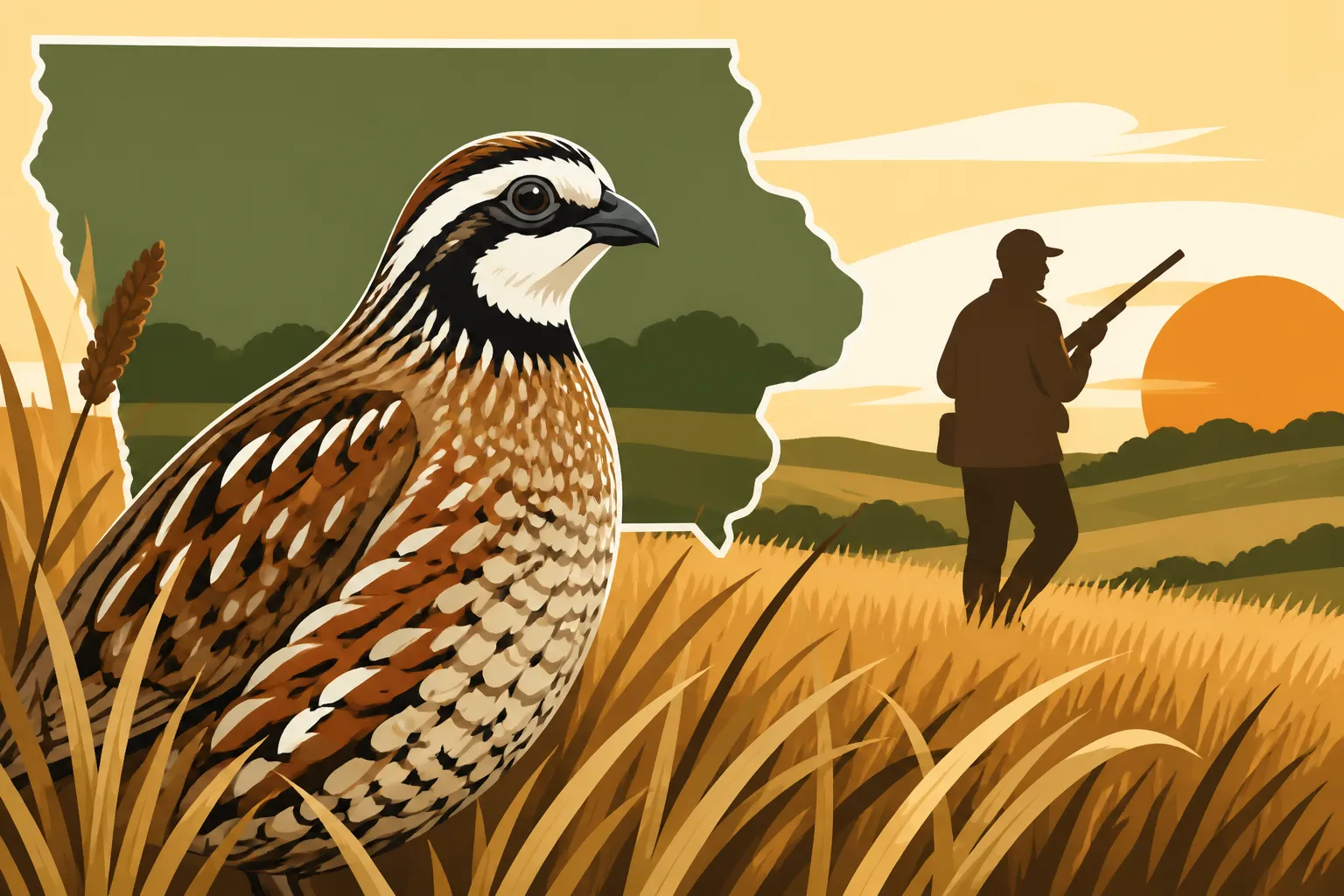
For many of us who grew up hearing the distinctive "bob-WHITE!" call drifting across the Iowa countryside, the idea of chasing quail brings a nostalgic warmth. However, seeing those wild coveys has become increasingly rare in recent decades, leading to frustration and a sense of loss for hunters and wildlife enthusiasts alike. This guide dives deep into the world of Bobwhite Quail in Southern Iowa, exploring why their populations have struggled, what makes prime quail habitat, and how dedicated conservation efforts and smart hunting tactics are working to bring them back.
Understanding the Bobwhite Quail in Iowa
The Bobwhite Quail, with its distinctive call and fast flight, is an iconic game bird, deeply woven into the fabric of Iowa's natural history. For generations, these hardy little birds were a common sight and sound, especially across the southern tier of the state. Their presence signaled healthy ecosystems, diverse farm landscapes, and ample cover, providing sport for hunters and delight for anyone who appreciated their unique charm.
Biology and Behavior of Bobwhites
Bobwhite quail are relatively small, ground-dwelling birds, typically weighing around 6-7 ounces. They exhibit a beautiful, mottled plumage that provides excellent camouflage against dead leaves and grasses, making them incredibly difficult to spot until they burst into flight. A key behavioral trait is their formation of "coveys," which are social groups that huddle together, especially during colder weather, to conserve heat and offer better protection against predators. These coveys can range from a handful of birds to a couple of dozen, and their explosive flush when disturbed is one of the most exhilarating experiences a bird hunter can have.
Their diet is varied, consisting primarily of seeds, insects, and berries. Invertebrates are especially important for young chicks, providing the protein needed for rapid growth. They also require access to water, though they can often obtain sufficient moisture from their food and dew. Understanding their basic biology—their need for diverse food sources, water, and protective cover—is fundamental to appreciating the challenges they face and the efforts needed to sustain them. Their short lifespan, often less than a year in the wild, means that annual breeding success is paramount for stable populations.
Historical Presence and Decline in Iowa
Historically, Bobwhite Quail populations were robust across much of Iowa, particularly in the southern two-thirds of the state where a mix of agriculture, timber, and native grasslands created ideal conditions. Early settlers and farmers often managed their land in ways that inadvertently benefited quail, with smaller fields, diverse crops, and less intensive farming practices. Fence rows, small woodlots, and uncultivated edges provided abundant escape cover and food.
However, the latter half of the 20th century brought significant changes to Iowa's agricultural landscape. The widespread adoption of "clean farming" practices, characterized by larger fields, monoculture crops, removal of fence rows, and extensive use of herbicides and pesticides, drastically reduced critical quail habitat. This loss of diverse habitat, combined with changing weather patterns and increased predation pressure, led to a severe and sustained decline in quail numbers. The once-common sight of a quail covey became a rarity, leaving many hunters longing for the "good old days" and prompting serious concerns about the future of the species in the state.
Habitat Requirements for Southern Iowa Quail
Understanding the specific needs of Bobwhite Quail is crucial for anyone hoping to find them, let alone help their populations recover. Quail aren't particular about one type of cover; rather, they thrive in a mosaic of different habitat features that provide food, nesting sites, brooding cover for chicks, and escape routes from predators. Southern Iowa, with its more rolling topography and often smaller, less intensely farmed parcels compared to the northern flatlands, still holds the most promise for these habitat components.
Ideal Cover and Food Sources
Quail need a diverse cafeteria of food and a secure place to eat it, along with ample cover to nest, rest, and escape danger. Ideal quail habitat is often described as a "shrubby grassland" mix. This means open grasslands for nesting and foraging in the spring and summer, punctuated by dense, woody cover like plum thickets, multiflora rose, osage orange hedges, or young timber stands. These thickets are absolutely vital, providing thermal protection from winter winds and deep snow, and crucial escape cover from aerial predators like hawks and ground predators like coyotes. Without adequate escape cover within a short distance of their feeding areas, quail simply won't survive long.
Food sources are just as critical. Quail feast on a wide variety of seeds, including ragweed, smartweed, tick-trefoil, and various cultivated grains that spill or remain in fields after harvest, like corn and soybeans. Insect protein is paramount for young chicks, helping them grow rapidly during their vulnerable first weeks. Land management practices that encourage a diversity of native forbs and grasses, while also providing agricultural waste grain, create the best buffet for these birds. If you're wondering about specific locations, looking for Quail Coveys in Southern Iowa Brush is a great place to start your scouting efforts, as this type of dense cover is a hallmark of good quail ground.
Impact of Modern Agriculture on Habitat
The evolution of agricultural practices has been a double-edged sword for Bobwhite Quail. While Iowa's rich soils can produce abundant grain, the move towards large-scale, monoculture farming has stripped the landscape of much of the diverse edge habitat that quail rely on. The relentless pursuit of maximum yield often means removing fence rows, draining wetlands, and planting crops right to the ditch, leaving no room for the brushy cover or native forbs that quail need for survival.
Pesticide use also plays a role, reducing insect populations that are critical for quail chicks. While individual farmers are not intentionally trying to harm quail, the cumulative effect of modern farming has significantly altered the environment. This transformation has led to isolated pockets of habitat, making it harder for quail populations to thrive and expand. Recognizing this challenge, conservation efforts are increasingly focusing on integrating wildlife-friendly practices into agricultural landscapes, understanding that a healthy ecosystem benefits both the farmer and wildlife.
Quail Population Dynamics and Challenges
The roller coaster of quail populations can be incredibly frustrating for hunters and conservationists. One year, you might hear a few more "bob-WHITE!" calls, hinting at a rebound, only to find numbers have plummeted the next. This volatility highlights how susceptible these birds are to a complex interplay of environmental factors.
Weather's Influence on Quail Numbers
Few factors impact Bobwhite Quail populations as profoundly as weather. Ideal conditions involve mild winters with limited snow cover, allowing birds to access food and avoid severe cold stress. Harsh winters with deep, prolonged snow can be devastating, covering critical food sources and forcing coveys to expend precious energy trying to stay warm. A severe winter can decimate local populations, setting back recovery efforts by years.
Spring and early summer weather are equally critical for nesting success and chick survival. A warm, relatively dry spring allows hens to nest successfully and chicks to hatch into favorable conditions, where insects are abundant and chilling rains are infrequent. Conversely, cold, wet springs can lead to high rates of nest failure and significant chick mortality, as young birds are highly vulnerable to hypothermia. Understanding these patterns is key to grasping Quail Numbers and CRP Acres fluctuations, as even perfect habitat can't fully buffer against extreme weather events. The Iowa DNR closely monitors these patterns, knowing that a few bad weather years can erase the gains of many good ones.
Predation and Disease Pressures
Quail face a gauntlet of predators throughout their short lives. From the moment they hatch, chicks are vulnerable to a host of opportunistic predators, including raccoons, skunks, opossums, and snakes. Adult quail must contend with coyotes, foxes, bobcats, and a variety of raptors, particularly owls and hawks. While predation is a natural part of any ecosystem, habitat fragmentation can exacerbate its impact. When quail are forced into smaller, isolated patches of cover, they become easier targets for predators who can more efficiently hunt these confined spaces.
Diseases, though often less understood by the casual observer, can also play a role in quail population declines. While widespread, acute disease outbreaks are less common than for some other species, parasites and chronic illnesses can weaken birds, making them more susceptible to predation or environmental stressors. Furthermore, the genetic health of isolated coveys can decline, reducing their resilience. These challenges underscore the importance of robust, interconnected habitat to support healthy and resilient quail populations capable of withstanding these natural pressures.
Hunting Bobwhite Quail in Southern Iowa
Hunting Bobwhite Quail in Southern Iowa isn't just about bagging birds; it's about the tradition, the challenge, and the connection to the land. The thrill of a covey flush, the dog working a scent, and the crisp autumn air combine to create an unforgettable experience, even if the bag limits are modest. It's a sport that demands patience, a keen eye for habitat, and respect for the quarry.
Best Times and Conditions for Quail Hunting
The Iowa pheasant and quail season typically opens in late October, running through much of January. For quail, many hunters find the period from late October through November to be prime. Early season conditions are often milder, which is more comfortable for hunters and dogs, and quail are typically still in smaller, tighter coveys before heavy hunting pressure or severe weather disperses them. However, late season hunting, especially after a fresh snowfall, can offer unique opportunities, as tracks can reveal recent activity and birds may concentrate in the densest thermal cover.
Optimal hunting conditions usually involve cool, calm days, especially those following a light frost or rain. This helps scenting conditions for dogs, allowing them to pinpoint coveys more easily. Extremely windy days can make it difficult for dogs to work scent and for hunters to hear flushes. Conversely, very warm days can be hard on dogs, limiting their effective hunting time. Always check the regulations for Iowa Pheasant and Quail Season Dates before heading out, as these can vary slightly year to year. Remember, the early bird gets the worm, or in this case, the covey, especially on public land.
Working Cover Without a Dog
Let's be real, not everyone has a well-trained bird dog, or even a dog at all! And while a good setter or pointer is an undeniable asset for quail hunting, it's absolutely possible to find and flush quail without one. It just requires a different approach and a lot more legwork. When you're Working Pheasant Cover Without a Dog, the same principles generally apply to quail: you become the "dog." You'll need to meticulously walk through prime cover, focusing on areas where different habitat types meet, like the edge of a picked cornfield next to a brushy draw or a CRP field bordering a timber edge.
Focus on slow, deliberate movements, pausing frequently. Quail are masters of holding tight, especially in dense cover. A quick movement or sudden noise might flush them, but more often, a slow, methodical approach will make them nervous enough to eventually fly. Don't be afraid to push through briar patches and thickets—that's exactly where quail feel safest. If hunting with a partner, try to walk parallel lines about 10-20 yards apart, effectively "sweeping" the cover. This can be exhausting, but the reward of a wild covey flush you found on your own is incredibly satisfying.
Utilizing Technology for Quail Scouting
In today's hunting world, technology is an indispensable tool, and that certainly extends to quail hunting. Gone are the days of driving around blindly, hoping to stumble upon promising cover. Modern mapping applications, like those available through GoHunt, allow you to e-scout from the comfort of your home, identifying potential habitat features that would have taken hours to find on foot. Layers showing property boundaries, timber cover, CRP fields, and topographical features can reveal ideal transition zones where quail are likely to be found.
Use these tools to pinpoint brushy draws, abandoned farmsteads, un-mowed field edges, and areas with diverse vegetation. Look for parcels of land that have a mix of all the elements: open grass for nesting, dense brush for escape, and nearby food sources. Many landowners are also becoming more open to allowing access for quail hunting on lands they manage for other game or agriculture, especially if you approach them respectfully. Always remember to prioritize landowner relations and seek permission before stepping foot on private property. Applications like GoHunt can make it easier to identify landownership and find contact information, streamlining your efforts to gain permission.
Conservation Efforts and Future Outlook for Iowa Quail
The story of Bobwhite Quail in Iowa isn't just one of decline; it's also a testament to the dedication of conservationists, landowners, and hunters striving to reverse the trend. While the challenges are significant, there's a strong commitment to ensure the iconic "bob-WHITE!" call doesn't fade from Iowa's landscapes forever.
Iowa DNR Initiatives for Quail Recovery
The Iowa Department of Natural Resources (DNR) plays a pivotal role in quail recovery efforts. Through various programs, the DNR works to restore and enhance quail habitat on both public and private lands. A cornerstone of these efforts involves habitat management on state-owned wildlife management areas, where prescribed burns, timber stand improvement, and the planting of native grasses and forbs are used to create ideal conditions.
Beyond public lands, the DNR offers technical and financial assistance to private landowners, encouraging them to implement quail-friendly practices. This often involves establishing brushy cover, creating diverse food plots, and utilizing rotational grazing or less intensive haying practices. Education and outreach are also critical components, raising awareness among the public and landowners about the specific habitat needs of quail and the benefits of diverse land management. These initiatives are designed to create a patchwork of suitable habitat, which is essential for connecting isolated coveys and promoting broader population growth.
Private Landowner Programs and Partnerships
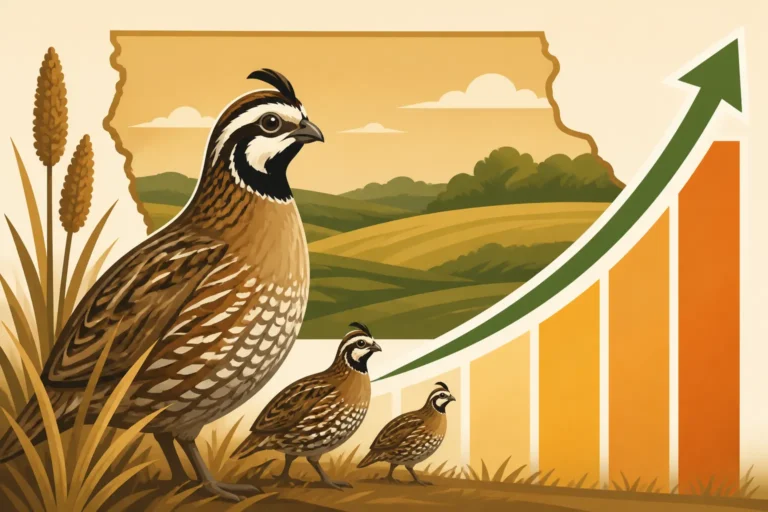
Given that the vast majority of Iowa's land is privately owned, engaging landowners is paramount for any successful quail recovery. Programs like the federal Conservation Reserve Program (CRP) have been incredibly beneficial, compensating farmers for taking marginal agricultural land out of production and planting it with native grasses and forbs. While not specifically designed for quail, these CRP fields, when managed with adjacent brushy cover, can provide excellent nesting and brooding habitat. We’ve seen how Quail Numbers and CRP Acres are directly linked in many parts of the state.
Beyond CRP, other partnerships with conservation organizations like Pheasants Forever and Quail Forever are vital. These organizations often employ private lands biologists who work directly with landowners, developing tailored habitat plans and assisting with implementation. Many passionate landowners, driven by a desire to see quail return to their family farms, are voluntarily creating food plots, planting hedgerows, and managing timber stands specifically for quail. These grassroots efforts, combined with larger governmental and organizational programs, form the backbone of the conservation strategy for Bobwhite Quail in Iowa. The more landowners who participate, the better the chances of creating resilient, widespread populations.
Essential Gear and Tactics for Quail Hunting
Getting out in the field for quail hunting doesn't require a massive investment, but having the right gear can significantly improve your comfort, safety, and success. Knowing how to leverage that gear with effective tactics is what truly makes a difference.
Shotguns and Loads for Quail
For Bobwhite Quail, a fast-handling, lightweight shotgun is the name of the game. Quail burst into flight with incredible speed, often from close quarters, requiring quick reflexes and a smooth swing. Most upland hunters opt for 20-gauge shotguns, which offer a good balance of light weight and sufficient payload, though 12-gauge or even 28-gauge can certainly work. Over/under or side-by-side shotguns are popular for their balance and ease of carrying, but pump-action and semi-automatic models are also perfectly suitable. The key is a shotgun that fits you well and points naturally.
When it comes to ammunition, fine shot sizes are preferred. Many hunters choose 7.5 or 8 shot in a light field load. This provides a dense pattern at close range, increasing the chances of hitting the small, fast-moving target without over-damaging the meat. Modified or improved cylinder chokes are common choices, offering a wider pattern for those close-range, explosive flushes. Having two different chokes, if your gun allows, can be beneficial – a more open choke for the first shot and a slightly tighter one for follow-up shots on birds that fly a bit further. Always ensure you're using appropriate loads for the game you're pursuing and the conditions you're hunting in.
Clothing, Footwear, and Safety Essentials
Comfortable and durable clothing is paramount when chasing quail through briar patches and dense cover. Brush pants or chaps are almost a necessity, protecting your legs from thorns, sharp grasses, and ticks. A good upland hunting vest, often with a large game bag on the back, is excellent for carrying shells, water, and any birds you harvest. Layers are always a good idea, as Iowa weather can be unpredictable, especially during the fall and early winter. Look for quiet, breathable fabrics that won't hinder your movement.
Footwear is another critical component. You'll be doing a lot of walking, often through uneven terrain and potentially damp conditions. Waterproof, comfortable upland boots with good ankle support are highly recommended. Brands like Irish Setter or Danner offer excellent options that combine durability with all-day comfort. Safety glasses are a non-negotiable item, protecting your eyes from flying debris, branches, and stray shot. Blaze orange is also required during specific seasons in Iowa, and it's always a good idea to wear it when upland hunting, regardless of specific regulations, to increase visibility to other hunters. Always carry a whistle to communicate with hunting partners and your dog, if you have one, and a basic first-aid kit for minor cuts and scrapes.
Finding Quail Hunting Opportunities in Iowa
The search for good quail hunting ground can sometimes feel like a treasure hunt, but with the right approach and resources, you can uncover some fantastic opportunities, even in areas you might not have considered.
Public Versus Private Land Access
In Iowa, finding suitable quail habitat often means navigating a mix of public and private land. While the majority of Iowa's land is privately owned, the state does offer some fantastic public hunting areas. These include state wildlife management areas (WMAs), state forests, and lands managed by county conservation boards. Many of these areas are specifically managed for upland birds, and you can often find decent quail numbers, particularly in the southern counties. The key to public land success is often early scouting and being willing to walk further than most other hunters. Checking out Public Hunting Land in Iowa maps is a crucial first step.
However, some of the best quail hunting will still be found on private land. This often requires building relationships with landowners, which takes time, respect, and communication. Don't be afraid to knock on doors, but always be polite, offer to share game, and respect any conditions the landowner sets. Many farmers are amenable to letting hunters access their property, especially if you offer to help with chores or wildlife management. It's a relationship built on trust.
Using Mapping Tools and Online Resources
Modern mapping applications are game-changers for identifying potential quail habitat. The Iowa DNR's online hunting atlas is an invaluable resource, showing public hunting land boundaries, Iowa's Habitat and Access Program Explained (IHAP) lands, and other publicly accessible properties. Tools like GoHunt also offer detailed aerial imagery, topographical maps, and public/private land ownership overlays that can help you identify key habitat features from your couch. Look for areas with a mosaic of habitat: thickets, brushy draws, CRP fields, old pastures, and crop field edges.
Beyond mapping, online forums and social media groups dedicated to Iowa hunting can provide insights, though always take advice with a grain of salt and verify information yourself. Local conservation chapters, such as those for Quail Forever, often have staff who can provide excellent advice on where to find habitat improvement projects or identify areas with potential. Don't underestimate the power of simply driving country roads and observing the landscape – an old, overgrown farmstead or a thick fencerow bordering a picked bean field can often signal a prime quail hideout. Checking for Quail Coveys in Southern Iowa Brush using these tools before hitting the field will save you valuable time.
Iowa Bobwhite Quail Hunting Overview
| Feature | Description |
|---|---|
| Best Hunting Zone | Southern Iowa counties (e.g., Appanoose, Wayne, Lucas, Van Buren, Davis, Ringgold) known for more diverse habitat and less intense agriculture. |
| Primary Habitat | Mix of dense brushy cover (plum thickets, multiflora rose), open native grasslands (CRP), crop field edges, and small timber stands. |
| Season Dates | Typically late October through January. Check current year's Iowa Pheasant and Quail Season Dates with Iowa DNR. |
| Bag Limit | Daily limits and possession limits apply. Refer to current Iowa Quail Bag Limits. |
| Ideal Weather | Cool, calm days after light rain or frost for good scenting. Avoid very windy or extremely warm/cold conditions. |
| Gear Essentials | Lightweight 20-gauge shotgun (7.5/8 shot), brush pants/chaps, upland vest, waterproof boots, safety glasses, blaze orange, whistle. |
| Scouting Resources | Iowa DNR Hunting Atlas, GoHunt, aerial maps (onX Hunt, Google Earth), local conservation group contacts, physical scouting of diverse cover. |
| Hunting Strategy | Slow, methodical walking through dense cover (with or without dog), focusing on habitat edges and transitions. Prioritize safety and communication. |
| Conservation Focus | Habitat improvement on public and private lands, CRP, brush planting, prescribed burns, landowner partnerships. |
| Challenges | Habitat loss, harsh winters, wet springs, predation. |
Disclaimer
Hunting regulations and conditions can change rapidly. Always consult the most current Iowa Department of Natural Resources regulations before planning any hunting trip. This information is for educational purposes and general guidance only.