Iowa Duck Migration Timing
There's nothing quite like the anticipation of a good duck migration in Iowa. You spend all summer dreaming of cupped wings over the decoys, and then the season opens, and… crickets. It's a common frustration for Iowa waterfowl hunters, trying to pinpoint when those northern birds will actually push south into our state. This guide is here to unravel the complex dance of Iowa duck migration timing, helping you understand the key factors that trigger those epic flights so you can be in the right place at the right time.
Understanding the Factors Driving Duck Migration
Duck migration isn't a single, monolithic event; it's a dynamic process influenced by a perfect storm of environmental cues. It's not just about the calendar date, but about a symphony of weather patterns, food availability, and water conditions. For us here in Iowa, situated squarely in the Mississippi Flyway, understanding these drivers is crucial to predicting when the real action will begin.
The Role of Cold Fronts and Northern Ice-Up
The most significant trigger for large-scale duck migration into Iowa is undoubtedly the arrival of sustained cold weather to our north. Think of those strong, sharp cold fronts pushing down from Canada and the Dakotas. When temperatures plummet and water bodies start to freeze solid across North Dakota, South Dakota, and Minnesota, ducks are essentially forced to move. Their primary food sources, often found in shallow water, become inaccessible, and open water for roosting and resting disappears.
This isn't just a slight dip in temperature; we're talking about conditions that create ice. Once the big marshes and smaller lakes to our north begin to lock up, it's a clear signal that a major push is imminent. Hunters often look at weather maps and use tools like GoHunt to track these large cold fronts and the developing ice line. It’s like watching a giant conveyor belt, and when that cold air hits, the ducks are on it, heading south.
Food Availability and Its Influence
While cold weather provides the impetus to move, food provides the destination. Ducks, especially dabblers like mallards, are constantly looking for high-energy food sources to fuel their journey and build up reserves. In Iowa, this often means waste grain in agricultural fields, particularly corn and soybeans. A freshly picked cornfield, especially one that's been rained on a bit, is an absolute magnet for ducks.
If there's abundant waste grain available and water sources are still open, ducks might stage longer than usual, even with some colder temperatures. Conversely, if early snow covers food sources or freezes them, it can accelerate their movement through the state. Ducks aren't just flying south blindly; they're looking for viable pit stops with food and open water. Understanding the harvest progress in Iowa and surrounding states can sometimes give you a leg up, though it's not foolproof.
Water Conditions: Too Much, Too Little, Just Right
The presence and accessibility of water are equally vital. Ducks need water for roosting, feeding, and security. During dry years, when many smaller potholes and sloughs are dry, ducks tend to concentrate on larger, more permanent water bodies like major rivers, large reservoirs, and deeper marshes. This can make them easier to find but also creates higher hunter pressure.
On the flip side, wet years with extensive sheet water in fields or flooded timber can disperse ducks across a much broader landscape, making them harder to pattern. A perfect scenario for many hunters is often after a good rain fills up those temporary depressions in fields or creates shallow flooded areas, offering fresh feeding opportunities that are harder to reach for hunters who aren't mobile. Keep an eye on reports about Waterfowl Hunting Iowa River Backwaters for insights into water levels on major systems.
Early Season Migrants: Teal and Early Ducks
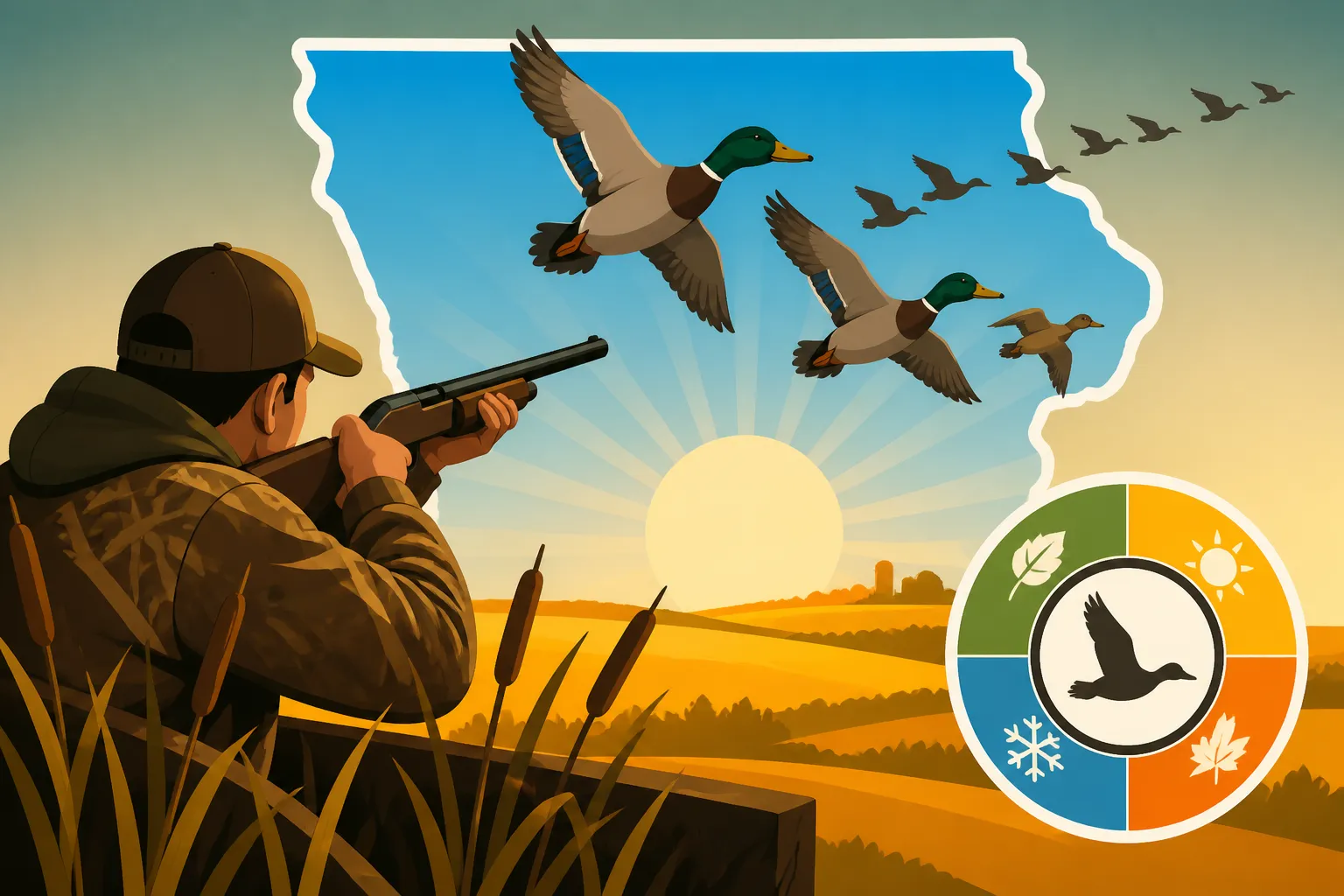
When the Iowa duck season first opens, usually in late September or early October, the air might still feel like summer. You're not typically seeing those big, noisy mallard flights yet. Instead, the early season is all about the fast-flying teal and the beautiful wood ducks. These are your first indicators of migration activity, often long before the serious cold arrives.
Blue-Winged Teal and Wood Ducks
The blue-winged teal are usually the first to arrive in force and the first to depart. They are truly an early season bird, responding to the subtle shifts in daylight and the first hints of cooler nights. They're often gone from Iowa before the bulk of the main duck migration even begins. They love shallow water, mud flats, and emergent vegetation, making smaller marshes and backwater sloughs prime spots. You might see flocks numbering in the dozens, buzzing your decoys with incredible speed. For more on this, check out Teal Migration Through Iowa.
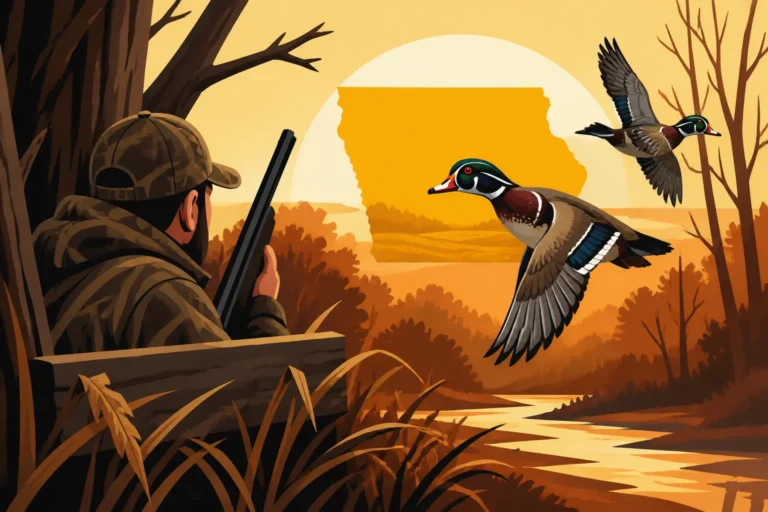
Wood ducks, with their striking plumage, are another early season favorite. They tend to stick to timbered wetlands, flooded river bottoms, and beaver ponds. While some wood ducks might nest in Iowa, their numbers swell significantly with migrants from the north in early October. They're known for their acrobatic flight through the trees and their distinctive squealing call. Like blue-wings, they'll start making their way south as the temperatures cool and their preferred habitats begin to change.
The Green-Winged Teal Push
While blue-winged teal are quick to come and go, green-winged teal tend to stick around a bit longer and are often part of the early waves of mallards. You might start seeing good numbers of green-wings in mid to late October, especially as the first real cold snaps hit the northern states. They are incredibly hardy little ducks and can tolerate colder conditions than their blue-winged cousins.
Green-winged teal often associate with mallards, feeding in similar areas like picked cornfields adjacent to water. Their fast, erratic flight makes them a challenging and rewarding target. If you're seeing good numbers of green-wings, it's often a sign that the larger duck migration is gaining momentum, and you're just on the cusp of the main event.
Main Migration Push: Mallards and Divers
This is what most Iowa duck hunters live for—the dramatic influx of northern ducks, especially the iconic mallards, and the arrival of various diving ducks. This period typically spans from late October through most of November, and it's when Iowa's wetlands and rivers truly come alive.
Mallards and the November Rush
Mallards are the kings of Iowa duck hunting, and their main migration into the state is directly tied to the freezing conditions north of us. When those sustained cold fronts hit hard, sending temperatures into the teens and single digits, mallards are compelled to move. You'll often hear veteran hunters talk about "the mallard front" or "the big push." This can happen anytime from the last week of October through the second or third week of November.
Once they arrive, mallards will settle into large flocks, utilizing big rivers like the Mississippi and Missouri, major reservoirs like Red Rock or Coralville, and extensive wetland complexes. They'll spend their days loafing and feeding in agricultural fields, then return to safe, open water to roost at night. A crucial aspect of finding these birds is paying attention to their feeding patterns in relation to available fields. Check out Mallards on Iowa River Backwaters for tactics on hunting these big river systems.
Diver Migration and Their Preferred Habitats
Alongside the dabblers, the main migration period also brings in a strong push of diving ducks. Species like canvasbacks, redheads, scaup (bluebills), ring-necked ducks, and buffleheads will follow the cold fronts, seeking out deeper, open water. While mallards might be working shallow sheet water in a picked cornfield, divers are out on the big lakes and rivers, feeding on aquatic vegetation, mussels, and invertebrates.
These birds are often less interested in decoys mimicking dabblers and require a different approach, often involving larger spreads of diver decoys on larger bodies of water. Hunters targeting divers will often find success on major reservoirs or wide stretches of the Mississippi River. Their arrival is a clear signal that the northern lakes are freezing up and winter is truly on its way. Decoying an Iowa Whitetail Buck isn't going to help you here, but setting up a spread for ducks is its own art form.
Late Season Birds: Hardy Species and Wintering Ducks
As November turns into December, and Iowa really starts to feel the bite of winter, the migration starts to slow down. Many ducks have passed through, but a significant number of hardy birds, primarily mallards and some divers, will remain in Iowa as long as there is open water and accessible food. This late season hunting can be incredibly challenging but also incredibly rewarding.
Hardy Mallards and Open Water
By December, the smaller potholes and shallow marshes are often frozen solid. The remaining mallards will concentrate on larger, deeper water bodies that resist freezing, or areas with current that keeps water open. The Mississippi and Missouri Rivers become vital wintering grounds for these birds, as do parts of larger reservoirs where current or springs keep small areas ice-free. Power plant discharge areas, though few, can also create pockets of open water.
Hunting these late-season mallards often means dealing with bitter cold, sometimes snow, and birds that have seen plenty of pressure. They become incredibly wary. Successful late-season hunting often involves robust decoy spreads, meticulous concealment, and an understanding of how Wind and Thermals in River Breaks affect duck movement on these larger systems. The birds will be focused on survival, constantly seeking open water and accessible food.
The Role of Geese in Late Season
While ducks are the primary focus, the late season also sees significant numbers of Canada geese. Many local geese stay, but migratory populations from the north continue to push through, especially giant Canadas. They will often mix with mallards in large feeding fields, providing additional hunting opportunities. Iowa Goose Season Dates will tell you when you can pursue these large birds, and often, where you find late-season ducks, you'll find geese.
The late season can sometimes extend into January, especially for certain antlerless deer seasons like Iowa January Antlerless Hunts, but for ducks, it's really about adapting to ever-changing ice and snow conditions. When all open water disappears, the remaining birds will either push further south or perish. It's a brutal reality of nature, and it drives the final, most desperate movements of the year. For serious waterfowlers, staying informed about weather conditions and water access is key, and tools like GoHunt are indispensable for up-to-date information.
Planning Your Iowa Duck Hunt Around Migration
Timing your Iowa duck hunts requires a blend of science, intuition, and local knowledge. It's never a guaranteed exact date, but by understanding the factors we've discussed, you can significantly improve your odds.
Watching Weather Patterns and Northern Reports
The single most important thing you can do is become a weather hawk. Pay close attention to long-range forecasts, not just for Iowa, but for the states and provinces directly to our north—Minnesota, North and South Dakota, and Manitoba. A deep freeze or significant snow event in those areas is your cue that ducks are on the move. Don't just look at temperatures; look for ice accumulation reports on lakes and marshes in those regions. This is where services like GoHunt, which can aggregate weather and potentially even some migration reports, become incredibly valuable.
Secondly, keep an ear to the ground (or an eye on online forums and social media) for reports from hunters in those northern states. If they're reporting a mass exodus of birds, you know they're headed your way.
Scouting for Local Conditions
Even with all the migration intel, local conditions in Iowa are paramount. A big cold front pushing ducks into the state won't do you any good if all the local water is frozen solid. Drive around and scout. Look for open water on rivers, larger wetlands, and reservoirs. Pay attention to harvested fields, especially corn, and look for tell-tale signs of ducks feeding—droppings, tracks in muddy areas, or even just the absence of standing corn in a pattern that suggests feeding.
Table: Iowa Duck Migration Phases
| Migration Phase | Typical Timing | Key Drivers | Common Species | Hunting Focus |
|---|---|---|---|---|
| Early Season | Late September – Mid October | Lengthening nights, first cool snaps | Blue-winged Teal, Wood Ducks | Shallow marshes, flooded timber, small ponds |
| Main Push | Late October – Mid November | Sustained cold fronts, northern ice-up, snow lines | Mallards, Green-winged Teal, Divers | Rivers, large wetlands, reservoirs, crop fields |
| Late Season | Late November – December | Extreme cold, widespread ice, heavy snow | Hardy Mallards, Geese, divers on open water | Major rivers, limited open water, specific crop fields |
If you have permission to access private land, scouting those fields can give you a significant advantage. If you're on public land, understand Hunting Pressure Patterns on Iowa Public Land and try to find overlooked pockets. A field that’s been picked recently might not hold birds the first day, but a rain can make that waste grain more accessible and quickly turn it into a hot spot.
Being Flexible and Mobile
The final, and perhaps most important, piece of advice is to be flexible. Duck migration timing is unpredictable by its very nature. The "peak" might shift by a week or more from year to year. Be prepared to hunt various locations, from small ponds to large rivers, and be ready to change your tactics based on what the birds are doing. One day they might be in a field, the next they're on a river.
Having a mobile setup, whether it's a layout blind you can deploy quickly in a field, or a boat that allows you to access different parts of a river system, will greatly increase your success. Don't get stuck on one spot or one type of hunt. The ducks are moving, and so should you.
Disclaimer
This article is for general informational purposes only and does not constitute professional advice. Laws, prices and regulations vary by location and change over time. Consult a qualified professional for guidance on your specific situation.