Iowa Goose Season Dates
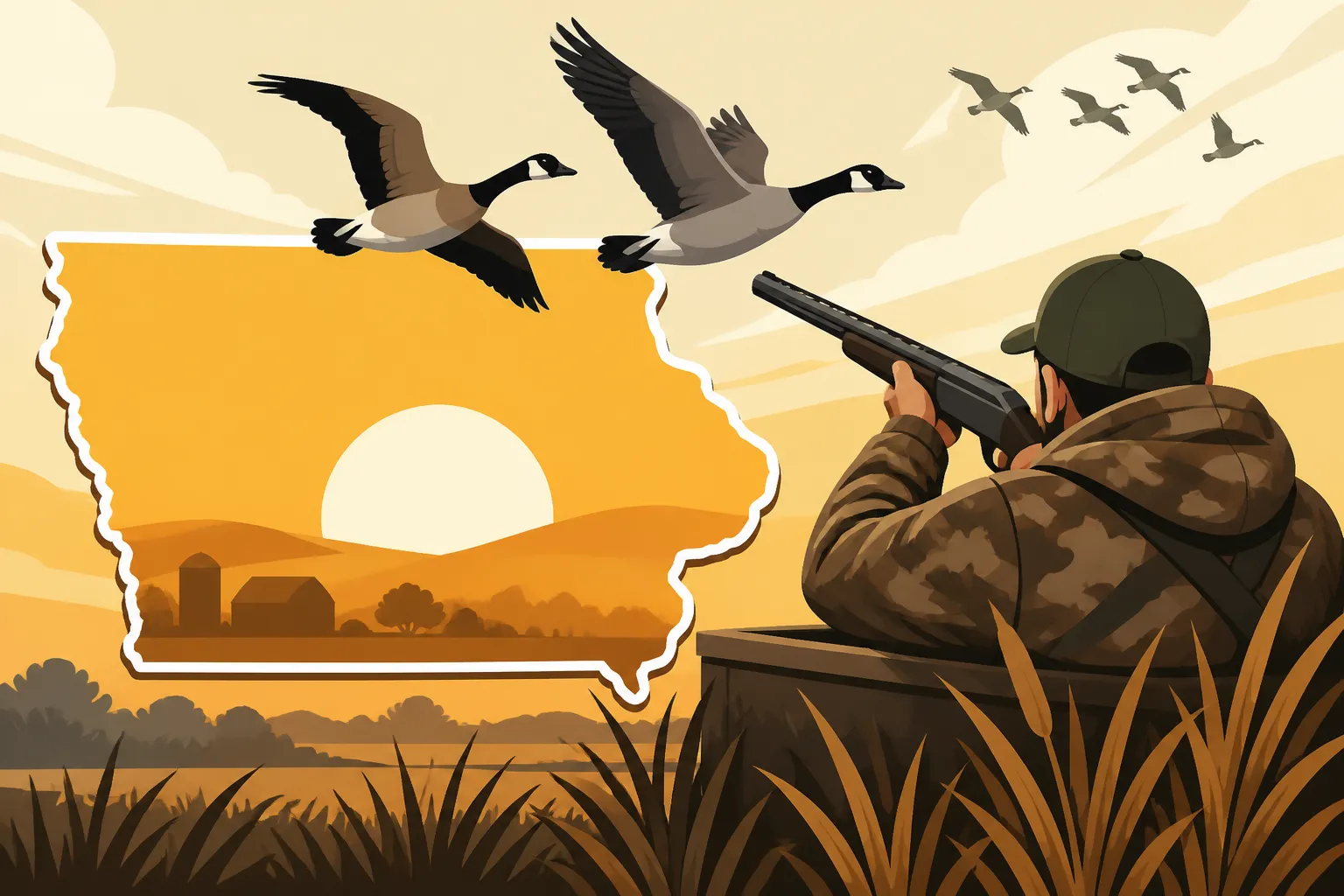
One of the most frustrating things as a waterfowl hunter in Iowa is trying to pin down the exact dates for goose season. You're ready to hit the fields or the river bottoms, but trying to navigate the ever-changing season dates, zones, and special regulations can feel like a wild goose chase itself. This guide is here to break down Iowa's goose season dates, zones, and critical regulations so you can plan your hunts with confidence.
Understanding Iowa's Goose Season Structure
Iowa is a prime spot for goose hunting, sitting squarely in the Mississippi Flyway. But because different goose species have different migration patterns and population management needs, and because the state itself stretches across various ecological regions, Iowa's goose season isn't just one simple block of time. It's a carefully structured system designed to offer ample hunting opportunities while ensuring healthy populations.
The Different Goose Species and Their Seasons
When we talk about goose hunting in Iowa, we're primarily focused on three main players: Canada geese, snow geese, and white-fronted geese (often called "specklebellies" or "specks"). Each of these species brings its own unique challenges and thrills to the hunt, and more importantly, they often have slightly different season structures tailored to their specific migratory habits and population levels.
Canada geese are the most common goose you'll encounter, and their season is usually quite generous, often including an early September opener to target local birds before the big migration push. These birds can be found almost anywhere in Iowa, from small farm ponds to large reservoirs and harvested crop fields. Then, you've got your snow geese, which arrive in massive numbers during the peak of migration, often covering entire fields like a living white blanket. Their sheer abundance allows for a special "Conservation Order" season, which has very liberal rules designed to help manage their booming populations. Finally, white-fronted geese are a prized bird for many hunters, known for their distinct calls and challenging nature. Their migration often falls somewhere in between the early Canadas and the main snow goose push. The Iowa Department of Natural Resources (DNR) sets these varying season lengths and bag limits to optimize harvest opportunities for hunters without over-pressuring any particular species.
How Migration Zones Impact Season Dates
Iowa, like many states in the flyway, is divided into distinct waterfowl zones. For goose hunting, this typically means a North Zone and a South Zone. This division isn't arbitrary; it's based on historical migration patterns and average temperatures. Birds tend to move through the northern part of the state earlier and later in the season than they do through the southern part.
The North Zone generally includes the northern two-thirds of the state, roughly everything north of a line that often follows U.S. Highway 30, from say, Clinton in the east, through Ames, and out to Missouri Valley in the west. This zone experiences colder weather sooner, freezing up water bodies and pushing birds south faster. Therefore, its season dates might open earlier and close earlier, or have different split dates, to align with the birds' presence.
The South Zone covers the southern third of the state. This area usually holds open water longer into the winter, and birds will linger here before making their final push south, or they might even winter over in certain areas if conditions allow. Consequently, the South Zone often has season dates that extend later into the year, giving hunters more opportunities during the late migration.
It is absolutely crucial to know which zone your intended hunting location falls into. Hunting in the wrong zone on the wrong date is a quick way to find yourself in hot water with the conservation officers. Always check the current year's Iowa hunting regulations booklet or use an up-to-date mapping application like those offered by GoHunt to confirm the exact boundaries before you head out. Understanding these zones is fundamental to planning any successful waterfowl hunt in Iowa. You can dive deeper into how these boundaries affect hunting opportunities by looking into topics like Iowa Waterfowl Zones and Splits If you're planning on hunting the vast expanses of the Mississippi, you'll find that Mississippi River Backwater Waterfowl
Official Iowa Goose Season Dates by Zone
While exact dates can shift slightly year-to-year based on federal frameworks and state proposals, there's a pretty consistent pattern you can expect for Iowa's goose seasons. Always, always verify the current year's dates with the Iowa DNR official regulations. Trust me, showing up a day early or late can ruin an otherwise perfect hunting trip.
North Zone Specifics
Hunters in Iowa's North Zone often get the first crack at migratory birds as they push south. The season here is typically structured with a few segments to catch different waves of birds.
For Canada Geese, the North Zone generally sees its regular season open in late September or early October. This initial segment usually runs for a couple of weeks before a mid-season closure. Then, it reopens, often around mid-October, and continues through late December or early January, depending on the year. These splits are designed to allow a period of rest for the birds, or to allow for a clearer distinction between the early migrants and later waves. Early migrating birds can offer fantastic opportunities, especially when combined with careful scouting for Iowa Duck and Goose Migration Timing
Snow Geese and White-fronted Geese in the North Zone usually follow a slightly different schedule. Their season often opens concurrently with the regular Canada goose season, but it might run continuously without a split until late December or early January. The big story for snow geese, though, is the Light Goose Conservation Order. This special season for snow, blue, and Ross's geese typically begins in late January and can run all the way through March or even early April, extending long past the regular waterfowl season. This is a unique opportunity, with incredibly liberal bag limits (often no daily limit) and extended shooting hours, designed to help reduce the overpopulation of these geese. Hunters often use specialized tactics during this period, such as massive decoy spreads and electronic calls, especially when Field Hunting Geese in Cut Corn
South Zone Specifics
The South Zone often provides a longer window for late-season goose hunting, as open water and milder temperatures can hold birds for longer.
Similar to the North Zone, the Canada Goose season in the South Zone typically opens in late September or early October. However, the South Zone's regular season often extends further into January, giving hunters more opportunities post-holiday. You might see a split in the early part of the season, but the later segment is usually continuous, offering solid hunting into the colder months. This extended season is fantastic for hunters who enjoy the challenge of hunting wary birds in frosty conditions.
For Snow Geese and White-fronted Geese, the South Zone also generally mirrors the North Zone's opening for its regular season but will often extend into mid-January. Again, the major draw for snow geese here is the Light Goose Conservation Order. This season runs in the South Zone, too, picking up in late January and often extending into March. The rules are the same as the North Zone – no daily bag limit, no unplugged shotgun restriction, and electronic calls are legal. This makes for some incredibly exciting, high-volume hunting for those willing to brave the late-winter elements and learn the unique strategies required, such as hunting from Layout Blinds in Iowa Stubble
Early September Canada Goose Season
Before the regular waterfowl seasons even kick off, Iowa offers a fantastic Early September Canada Goose Season statewide. This special season is typically held during the first two weeks of September, usually from September 1st through September 15th. The primary purpose of this early hunt is to target resident Canada geese that breed and spend their entire lives in Iowa, helping to manage their local populations which can sometimes become quite high, particularly around urban areas and agricultural fields.
During this early season, hunters usually enjoy a fairly generous daily bag limit, often set higher than the regular season limit for Canada geese. It’s a great opportunity to get out in the field before the full swing of fall hunting and to take advantage of warmer weather. However, hunters should be mindful that these local birds can be very wary, especially if they’ve been pressured year after year. Success often comes down to meticulous scouting and setting up in areas where these local geese are feeding or roosting, away from heavy human activity. This season also means that you need to be especially diligent about your Iowa Duck Stamp and HIP Requirements
Key Regulations Beyond Just Dates
Knowing the season dates is just one piece of the puzzle. To be a responsible and legal goose hunter in Iowa, you need to be intimately familiar with a host of other regulations. Ignoring these rules, even accidentally, can lead to fines, loss of hunting privileges, and even confiscation of gear.
Daily Bag Limits and Possession Limits
These numbers are critical and vary not only by species but sometimes even by season segment.
- Canada Geese: During the regular season, the daily bag limit for Canada geese is typically 3 birds. For the Early September Canada Goose Season, it's often more generous, sometimes 5 or even 8 birds daily, reflecting the focus on resident populations.
- White-fronted Geese: The daily bag limit for white-fronted geese is usually 2 birds. These are highly sought-after birds, and their populations are managed carefully, hence the stricter limit.
- Snow Geese (including Ross's and Blue Geese): During the regular season, the daily bag limit for snow geese is often 20 birds. However, during the special Light Goose Conservation Order, there is no daily bag limit. This is a massive difference and one of the defining features of the conservation order.
Possession limits refer to the maximum number of birds you can have in your possession at any given time, including those at home, in cold storage, or in transit. This limit is usually three times the daily bag limit for regular seasons (e.g., if the daily limit is 3, the possession limit is 9). For the Conservation Order where there's no daily bag limit, there's also no possession limit. Always make sure you properly tag and transport your birds according to regulations to avoid any issues.
Required Licenses and Stamps
Before you even think about setting foot in an Iowa field or marsh for geese, you need to ensure all your paperwork is in order. It's a bit more than just a general hunting license, especially for migratory birds.
Here’s a rundown of what you’ll typically need:
- Iowa Hunting License: This is your basic entry ticket. Nonresidents will need a specific nonresident small game license, which can cost more than a resident one. Check into the Iowa Nonresident Small Game Licence Cost
- Iowa Habitat Fee: This is an additional fee that goes directly to habitat improvement projects across the state, benefiting all wildlife, including geese.
- Iowa Migratory Game Bird Fee: This state-specific fee helps fund migratory bird research and management within Iowa.
- Federal Duck Stamp: This is a physical stamp issued by the U.S. Fish and Wildlife Service, and it’s required for all migratory waterfowl hunters nationwide who are 16 years of age or older. Your federal duck stamp money goes directly to preserving wetland habitats. You can purchase these at post offices, many sporting goods stores, or online.
- Harvest Information Program (HIP) Certification: This is not a fee, but a free registration requirement. When you buy your state migratory bird stamp, you'll be asked a few questions about your previous year's hunting success for various migratory species. This data is crucial for wildlife agencies to estimate harvest numbers and manage populations.
You can often purchase all the necessary Iowa licenses and fees online through the Go Outdoors Iowa system. It's an easy way to ensure you're compliant before the season starts. A good resource like GoHunt can also often link directly to the correct purchasing portals or provide up-to-date information on what you need.
Shooting Hours and Other Important Rules
Beyond dates and bag limits, there are universal rules that apply to almost all migratory bird hunting in Iowa.
- Shooting Hours: Legal shooting hours for geese in Iowa are generally from half-hour before sunrise to sunset. This is a hard and fast rule, and game wardens are particularly vigilant about enforcing it, especially right at legal light. Invest in a reliable app or device that can accurately tell you sunrise and sunset times for your exact location.
- Unplugged Shotguns: For the regular goose seasons, your shotgun must be plugged to limit its capacity to no more than three shells (one in the chamber, two in the magazine). This rule is lifted during the Light Goose Conservation Order, allowing hunters to use unplugged shotguns with greater capacity.
- Non-Toxic Shot: It is illegal to use lead shot for hunting any migratory waterfowl in Iowa. You must use approved non-toxic shot (steel, bismuth, tungsten alloy, etc.). This applies to all goose hunting.
- Baiting: It is illegal to hunt waterfowl over baited areas. This means you cannot intentionally place feed, salt, or other attractants to lure birds. Understanding what constitutes "baiting" can be complex, so it's always best to err on the side of caution.
- Retrieving Game: You must make a reasonable effort to retrieve all downed game. Wounded birds should be pursued immediately. This means preparing for scenarios like Blood Trailing in CRP and Multiflora Rose.
Understanding these regulations is paramount. Don't rely on hearsay; always consult the official Iowa DNR regulations booklet for the current year. You can also find information on specific area closures or special regulations for public lands by Checking Iowa Area Closures Before You Go. If you plan to hunt areas like river backwaters, consider how you will retrieve birds, especially if you need to access areas that require special consideration of the Wind and Thermals in River Breaks.
Typical Iowa Goose Season Dates Table
Here's a generalized overview of typical Iowa goose season dates by zone. Remember to always check the current year's Iowa DNR regulations for exact dates before hunting.
| Species / Season | North Zone (Typical Dates) | South Zone (Typical Dates) | Statewide (Typical Dates) | Daily Bag Limit (Regular) |
|---|---|---|---|---|
| Early Sept Canada Goose | N/A | N/A | Sept 1 – Sept 15 | 5-8 (varies) |
| Regular Canada Goose Season | Late Sept/Early Oct – Late Dec/Early Jan (split) | Late Sept/Early Oct – Mid-Jan (split) | N/A | 3 |
| Regular Snow & White-fronted | Late Sept/Early Oct – Late Dec/Early Jan | Late Sept/Early Oct – Mid-Jan | N/A | Snow: 20, White-fronted: 2 |
| Light Goose Conservation Order | Late Jan – Early April | Late Jan – Early April | N/A | No Limit |
This table provides a quick reference, but the nuances of specific splits and extensions are detailed in the official regulations. For instance, the Light Goose Conservation Order's exact start and end dates can shift a little each year, and you don't want to miss a single opportunity. Keeping up-to-date with a service like GoHunt can be incredibly helpful for current season info. If you are ever unsure about regulations on a specific property, remember to always look at Iowa Wildlife Area Special Regulations as well.
Disclaimer
Please be aware that hunting regulations, including season dates, bag limits, and licensing requirements, can change annually. The information provided in this article is for general guidance only and is based on typical Iowa hunting seasons. It is the hunter's sole responsibility to consult the most current official Iowa Department of Natural Resources (DNR) hunting regulations prior to any hunting activity. Always ensure you are in full compliance with all federal, state, and local laws.