Black Bear Reports in Iowa
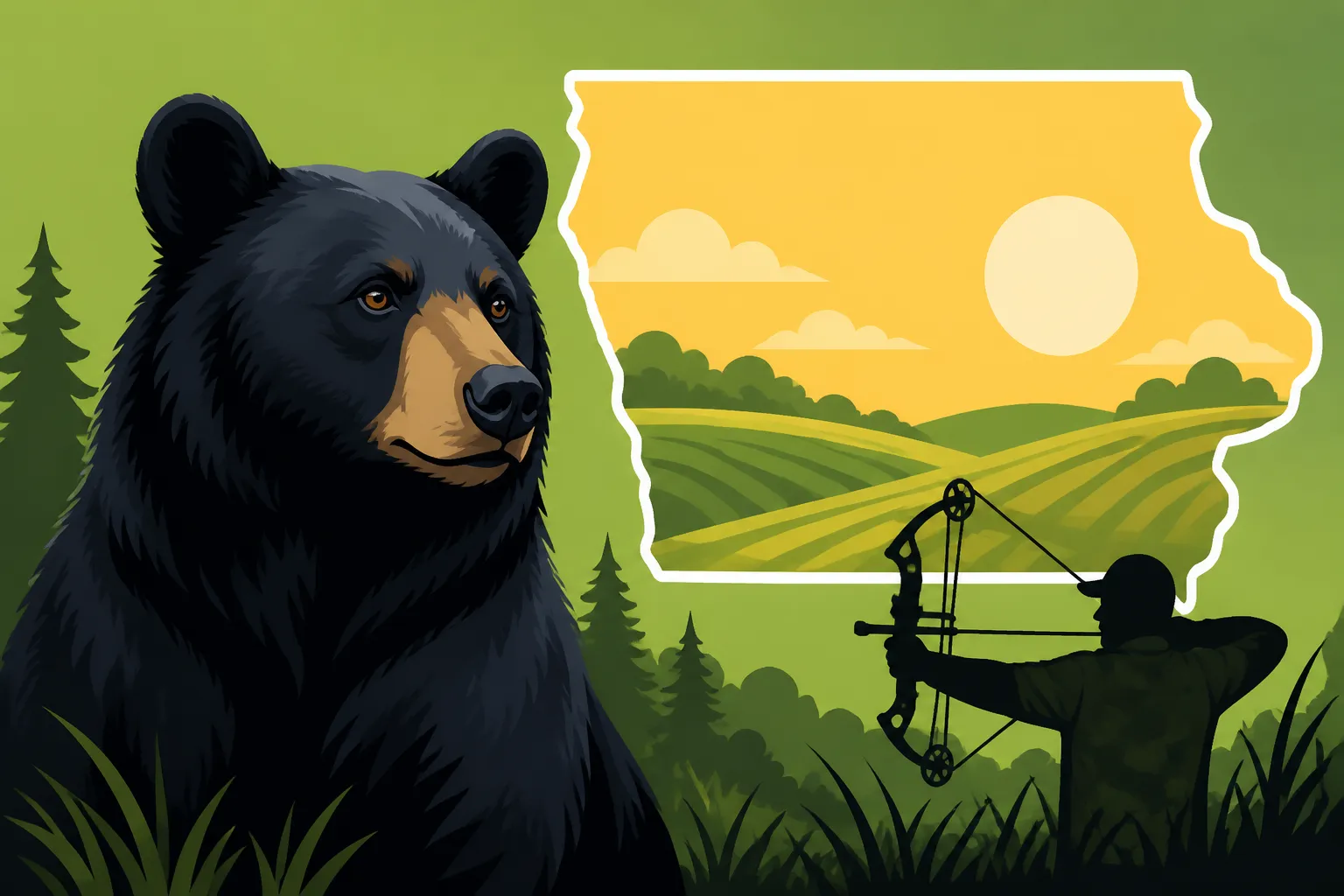
Have you ever been out hunting or just enjoying the wild places of Iowa and caught a glimpse of something large and dark that made you do a double-take? Maybe you dismissed it as a large dog or a particularly robust coyote, but a nagging thought lingered: Could that have been a black bear? It's a question many Iowans are starting to ask more frequently, and it’s not just your imagination. This guide will delve into the reality of black bear reports in Iowa, exploring their history, where they're coming from, and what you should do if you encounter one of these majestic animals.
Iowa's Changing Wilds: Black Bear Sightings on the Rise
For generations, the idea of seeing a black bear roaming the Iowa landscape felt like something out of a history book or a tall tale from a grandparent. After all, black bears were extirpated from Iowa decades ago, meaning they were completely removed from the state''s wild population. However, the last few decades have brought significant shifts in wildlife populations across the Midwest, and Iowa is certainly not immune. We're seeing more and more confirmed sightings, and it's sparking a lot of questions among outdoor enthusiasts and landowners alike.
Iowa's Historical Black Bear Presence
It’s easy to think of black bears as creatures of dense, remote wilderness, far from the cornfields and timber patches of Iowa. But historically, black bears were very much a part of Iowa's native fauna. Before European settlement and the widespread conversion of forests to farmland, Iowa offered ample habitat for bears. The vast stretches of timber, particularly along major river systems like the Mississippi and Missouri, provided the cover and food sources these omnivores needed to thrive.
As the state was settled, however, those habitats were dramatically altered. Forests were cleared for agriculture, and hunting pressure was intense, leading to the complete disappearance of black bears from Iowa by the late 1800s. For over a century, any mention of a bear in Iowa was purely anecdotal or a case of mistaken identity. This long absence is why many Iowans are so surprised—and sometimes a little skeptical—when reports of black bears surface today.
Explaining Recent Increases in Sightings
So, what's behind the recent uptick in black bear reports? It’s not that Iowa suddenly grew new forests overnight, but rather a combination of factors related to the broader ecological health of our neighboring states and the bears’ natural inclination to explore. Black bear populations in surrounding states like Minnesota, Wisconsin, and Missouri have been growing and expanding their ranges. As these populations increase, younger male bears, in particular, are driven to disperse from their birth territories in search of new food sources, mates, and suitable habitat.
These dispersing bears don't recognize state lines. They follow river corridors, timbered draws, and even move across agricultural fields, often making their way into Iowa. Think of them as adventurous pioneers, pushing the boundaries of their species' current range. While many of these individuals are transient and don't establish permanent residence, their presence is undeniable and becoming more common, especially during the spring and summer months when young bears are most active in their dispersal.
Verifying a Black Bear Sighting
It's natural to question whether what you saw was truly a black bear. Iowa has other large, dark animals that can sometimes be mistaken, especially at a distance or in fleeting glimpses. Large feral hogs, robust coyotes, or even big domestic dogs can sometimes cause confusion. However, black bears have distinct characteristics. They typically have a prominent shoulder hump, short, rounded ears, a relatively short tail, and walk with a rolling gait. Their fur is uniformly black, though some can have a white chest blaze.
If you suspect you've seen a bear, try to note specific details: size, color, gait, and any distinguishing features. Look for signs they might have left behind, such as large paw prints (often showing five toes with claws in front of the pad), scat that might contain berries, nuts, or insect parts, or claw marks on trees. Using a mapping tool like GoHunt can help you mark the exact location of your sighting, which is incredibly useful information if you decide to report it to the Iowa Department of Natural Resources (DNR). These tools also come in handy when you're Scouting Iowa Timber and River Bottoms for deer sign, but can be adapted for any wildlife observation.
To help distinguish a bear from other common large animals in Iowa, consider these key differences:
| Feature | Black Bear | Large Dog / Wolf | Feral Hog | Large Coyote |
|---|---|---|---|---|
| Size (Adult) | Very large, 200-600+ lbs, 5-6 ft long | Varies, up to 150 lbs for large breeds | Varies, up to 400+ lbs | ~30-50 lbs, smaller build |
| Color | Typically solid black, sometimes brownish | Varies widely | Black, brown, mottled | Grey, tan, rusty red, often with black points |
| Head Shape | Broad skull, relatively small eyes, rounded ears | Varies, often pointed muzzle, erect ears | Long, tapered snout, smaller ears | Pointed muzzle, triangular erect ears |
| Tail | Very short, stubby, often not visible | Varies, often long and bushy | Short, often thin and curled | Medium length, bushy, often held low |
| Shoulder | Distinctive shoulder hump | No prominent hump | No prominent hump | No prominent hump |
| Tracks | Large, five toes in front of large heel pad, claws usually visible | Four toes, usually more pointed, heel pad distinct | Two prominent hoof prints, dewclaws sometimes visible | Four toes, oval shape, claws usually visible |
| Gait | Rolling walk, can be bipedal | Typical canine trot, run | Often a trot or lumbering run | Nimble trot, can run quickly |
Where Black Bears Are Being Reported in Iowa
The movement of black bears into Iowa isn't random; it often follows logical pathways connected to their established territories in neighboring states. Understanding these common corridors and potential habitats can help you anticipate where a sighting might occur or where you might encounter one if you're out enjoying Iowa's wild spaces.
Common Corridors and Potential Habitats
Black bears are intelligent and adaptable animals that typically seek out areas offering dense cover, water, and food sources. In Iowa, this often means timbered river bottoms, extensive state forests, and large tracts of private timber. The Mississippi River corridor, forming Iowa's entire eastern border, is a prime migration route. Bears from Wisconsin and Minnesota can easily follow the extensive timber and islands along the river, making their way south. Similarly, the river systems and forested areas along the Missouri border provide potential pathways for bears dispersing north from Missouri, which has a growing bear population.
Counties with significant timber coverage, especially those bordering these states or containing large public land holdings like Yellow River State Forest Hunting or Stephens State Forest Hunting, are more likely to experience sightings. These areas provide the necessary seclusion and diverse food sources—berries, nuts, insects, and occasional carrion—that bears rely on. Even large tracts of CRP Grass and Where Bucks Bed near timber can offer temporary cover for a traveling bear, though they prefer denser woods.
Iowa's Bordering States and Bear Populations
Iowa is flanked by states with robust and expanding black bear populations. To the north, Minnesota and Wisconsin are home to thousands of black bears. These bears are particularly active in the spring and early summer, when young males leave their mothers' territories to find their own. They can travel hundreds of miles, and Iowa is a natural destination for some of these explorers.
To the south, Missouri also has a re-established and growing black bear population, primarily in the Ozark region. While historically concentrated in the southern part of that state, their numbers are increasing, and individual bears are expanding their range northward, eventually bumping up against Iowa's border. This means Iowa is essentially being "pincered" by bear populations from both north and south, increasing the likelihood of transient bears passing through. This wider regional trend explains why it's not just a handful of isolated incidents, but a consistent pattern of sightings.
Dispersal and Transient Bears
It's crucial to understand that most black bears seen in Iowa are what wildlife biologists call "dispersing" or "transient" individuals. These are typically young male bears, about 1.5 to 3.5 years old, that have left their natal areas to find new territories. They are on a journey, often just passing through, rather than looking to establish a permanent home and breed in Iowa. While there's always a chance an individual might settle if habitat and food are abundant, Iowa's largely agricultural landscape, fragmented timber, and lower overall bear density make it less likely for a stable, breeding population to establish quickly.
These transient bears are often just looking for a safe travel corridor, access to food, and a place to rest. They are often more wary and secretive than bears accustomed to human presence, which is why sightings can be rare and fleeting. However, their movements highlight the dynamic nature of wildlife populations and the interconnectedness of habitats across state lines. For hunters who are used to tracking Iowa Whitetail Deer and Why They Score So High or Iowa Wild Turkeys Across the State, understanding these broader movements adds another layer to appreciating Iowa's diverse, and sometimes surprising, wildlife.
What to Do If You See a Black Bear
Encountering a black bear in Iowa can be an exhilarating, and perhaps a little nerve-wracking, experience. While it's certainly not an everyday occurrence, knowing how to react responsibly is crucial for both your safety and the bear's well-being. Panic is rarely helpful, so having a clear plan in mind can make all the difference.
Safety First: Encounter Protocol
Most black bears are naturally shy and will avoid humans. They're typically not looking for trouble. However, like any wild animal, they can be unpredictable, especially if they feel threatened or if cubs are present. If you find yourself in the rare situation of encountering a black bear, remember these key safety tips:
- Stay Calm: Your first instinct might be to panic or run, but running can trigger a chase response in the bear. Instead, stay calm and assess the situation.
- Make Yourself Known: Speak in a calm, assertive voice. Make noise. Wave your arms slowly above your head to appear larger. This lets the bear know you are human and not prey.
- Back Away Slowly: Give the bear plenty of space. Slowly back away, but do not turn your back and run. Avoid direct eye contact, as this can be perceived as a challenge.
- Do Not Feed the Bear: Never, under any circumstances, approach or feed a wild bear. This habituates them to humans and often leads to conflicts, making them a danger to themselves and others. A fed bear is often a dead bear.
- If it Approaches: If a bear approaches you, especially if it stands on its hind legs (which is often a sign of curiosity, not aggression), continue to speak loudly and make yourself appear large. If it continues to approach, you may need to bang pots, throw rocks or sticks, or use bear spray if you have it.
- If Attacked: This is exceedingly rare with black bears. Most defensive attacks are "bluff charges" or simply the bear trying to get you to leave. If a black bear does attack, fight back aggressively. Hit it in the face with anything you have. Unlike a grizzly, a black bear that is attacking is rarely looking to kill you, but rather to defend itself or a food source.
Knowing these steps can give you confidence if you're out Hunting Iowa Walk-In Ground Without Burning It Out or enjoying the wild areas where bears might be present.
Reporting a Sighting to the Authorities
One of the most important things you can do after a black bear sighting is to report it to the Iowa Department of Natural Resources (DNR). This isn't just about sharing a cool story; it's vital for wildlife management. The DNR tracks these sightings to understand bear movements, potential habitat use, and overall population trends. Your report contributes to a larger dataset that helps the state make informed decisions about wildlife conservation and public safety.
When reporting, try to provide as much detail as possible:
- Location: Be as precise as you can. A GPS coordinate from your phone, a specific road intersection, or a recognizable landmark is incredibly helpful. This is where a tool like GoHunt or other mapping apps can be invaluable for pinpointing the exact spot.
- Date and Time: When did you see the bear?
- Description: What did it look like? Size, color, any distinguishing marks.
- Behavior: What was the bear doing? Was it walking, feeding, running away? Did it seem aware of you?
- Evidence: Did you see any tracks, scat, or other signs? Photos or videos, if taken safely and from a distance, are extremely helpful for verification.
You can typically find contact information for your local Iowa DNR wildlife biologist on their website or by calling their main office. They are the experts on Iowa Wildlife Disease Monitoring and other species, so they will know how to best follow up on your report.
Avoiding Attracting Bears to Your Property
While most bears in Iowa are transient, if you live in an area where sightings are becoming more frequent, it's wise to take precautions to avoid attracting them to your property. Bears are highly opportunistic and have an incredible sense of smell. They are constantly looking for easy food sources, and our homes and farms can inadvertently provide them.
Here are some proactive steps you can take:
- Secure Trash: Store garbage in sturdy, bear-resistant containers or inside a shed or garage until collection day. If you use dumpsters, ensure they have working latches.
- Remove Pet Food: Do not leave pet food bowls outside, especially overnight.
- Clean Grills: Thoroughly clean barbecue grills after each use to remove food odors.
- Bird Feeders: Consider removing bird feeders, particularly during spring and summer when bears are most active. If you must have them, only put out enough food for one day and bring them in at night.
- Fruit Trees/Berry Bushes: Harvest ripe fruits and berries promptly. Clean up any fallen fruit.
- Compost Piles: Keep compost piles away from your house and avoid adding meat scraps or other strong-smelling items.
- Livestock/Pets: Secure any livestock or domestic animals, especially at night. Consider electric fencing for chicken coops or beehives.
By minimizing attractive food sources, you can significantly reduce the likelihood of a curious bear making your property a stop on its journey. This proactive approach helps keep both bears and people safe, just as we might think about Access Routes That Do Not Bump Deer near our hunting grounds.
The Future of Black Bears in Iowa
The return of black bears, even as transient visitors, raises questions about their long-term prospects in Iowa. Will they eventually re-establish a permanent population, or will they remain elusive, occasional wanderers? The answer hinges on a complex interplay of habitat, management strategies, and public perception.
Habitat Availability and Suitability
While Iowa is largely agricultural, it still boasts significant timbered areas, particularly in the southern and northeastern parts of the state. Areas like Southern Iowa Timber Country and the Northeast Iowa Driftless Hunting region offer valuable forested habitat, often fragmented but still providing cover and some food sources. The critical question for a self-sustaining bear population isn't just if bears can find food and cover, but if there's enough contiguous habitat for them to establish breeding territories and raise cubs without constant conflict with humans.
Black bears require large territories, especially females raising young. The fragmentation of Iowa's forests, interspersed with vast stretches of row crops, presents a challenge. While a bear can certainly traverse a cornfield, it doesn't offer the dense cover or diverse natural food sources they prefer for long-term residency. The expansion of public lands and conservation efforts aimed at restoring timber and natural ecosystems could certainly help in the long run, but it's a slow process.
Management Considerations and Public Perception
The Iowa DNR has a crucial role to play in monitoring and managing the presence of black bears. Currently, they primarily focus on documentation and public education. They do not actively stock bears or have a specific management plan for a breeding population, as the state's official stance has been that Iowa does not have a resident bear population. However, as sightings become more frequent, this approach may need to evolve. Wildlife agencies in other states have faced similar situations as bear populations expanded, leading to the development of specific bear management plans that address everything from public safety to hunting seasons.
Public perception is also a massive factor. While some Iowans are excited about the prospect of bears returning, others harbor concerns about safety, property damage, and the impact on other wildlife. Open dialogue, accurate information, and clear guidelines from the DNR will be essential to foster a realistic and tolerant coexistence if bears do become a more permanent fixture. Just as there are rules for Game You Cannot Hunt in Iowa, if bears were to return in larger numbers, rules for their interaction and management would become necessary.
The Role of Wildlife Agencies
The Iowa DNR, along with other state wildlife agencies, plays the central role in tracking, informing, and, if necessary, managing the presence of black bears. They rely heavily on public reporting to gather data, and they are the primary source for factual information and safety guidelines. These agencies conduct Iowa Natural Resource Commission Rule Meetings where such topics are discussed and future policies are shaped.
If you have questions about black bears, or if you encounter one, contacting the DNR is always the best first step. They can provide specific advice, confirm sightings, and gather the data needed to understand this intriguing return of a native species. Their work, much like how they track Elk and Moose Sightings in Iowa or Mountain Lion Sightings in Iowa, helps ensure that Iowa's wildlife, both common and rare, is managed responsibly for current and future generations. The presence of black bears reminds us that Iowa's wild landscape is ever-changing and always full of surprises for those who venture out into it.
Disclaimer
This article is for general informational purposes only and does not constitute professional advice. Laws, prices and regulations vary by location and change over time. Consult a qualified professional for guidance on your specific situation.