Hungarian Partridge in Northern Iowa
Hungarian partridge hunting in Northern Iowa requires understanding elusive covey habits, field identification markers, and effective flushing strategies.
Know what you’re after.
Big game, small game, upland birds, and waterfowl — identification, behavior, rut and migration timing, and how each species moves through the season.
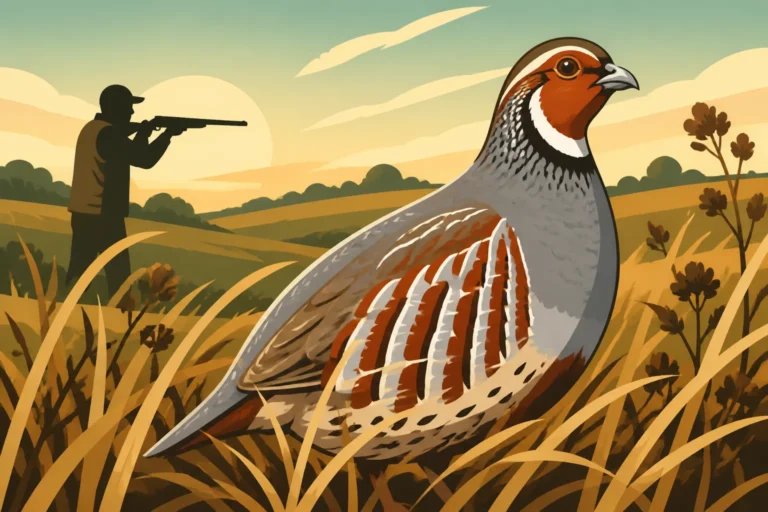
Hungarian partridge hunting in Northern Iowa requires understanding elusive covey habits, field identification markers, and effective flushing strategies.
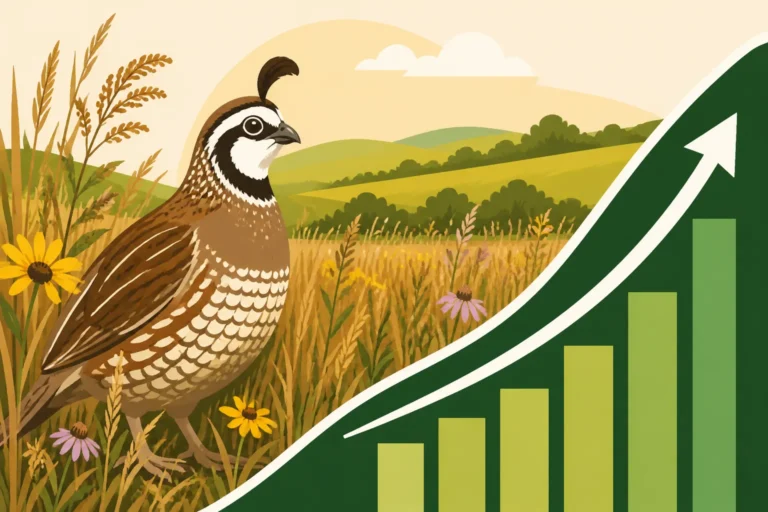
Iowa bobwhite quail populations and Conservation Reserve Program acres reveal where these birds thrive in southern counties.
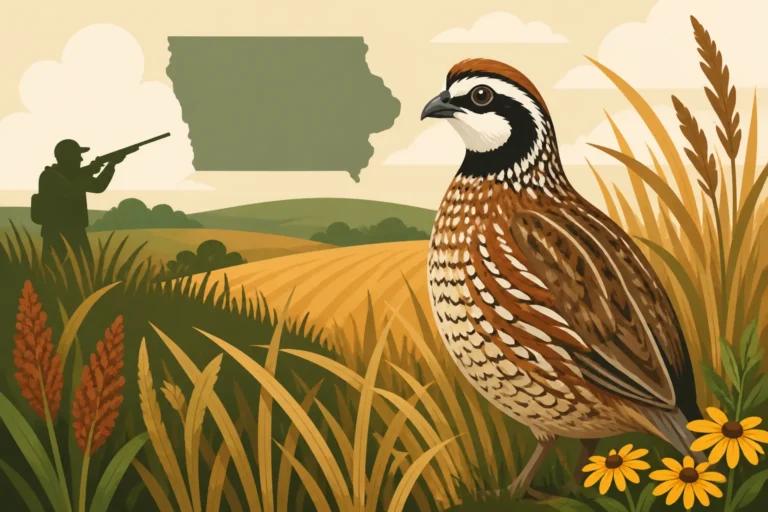
Iowa bobwhite quail habitat needs, historical population decline, and specific environmental features required for survival.
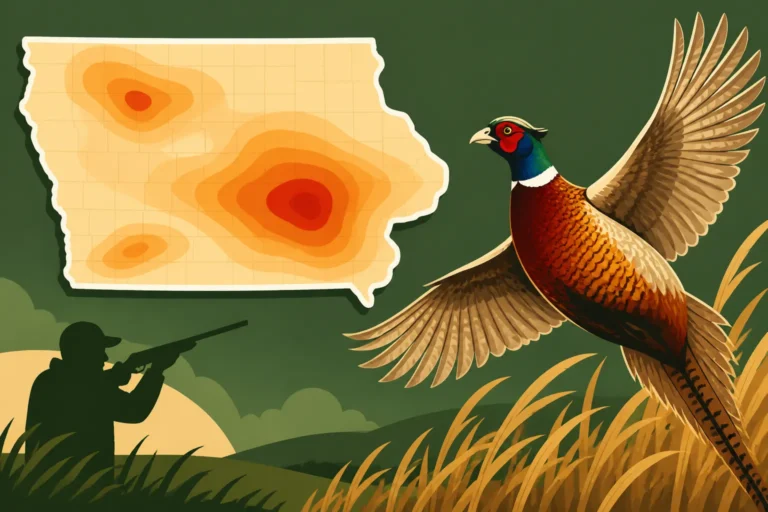
Iowa pheasant concentrations depend on dense winter thermal cover, nearby food sources, and top regional habitats like the Prairie Pothole Region.
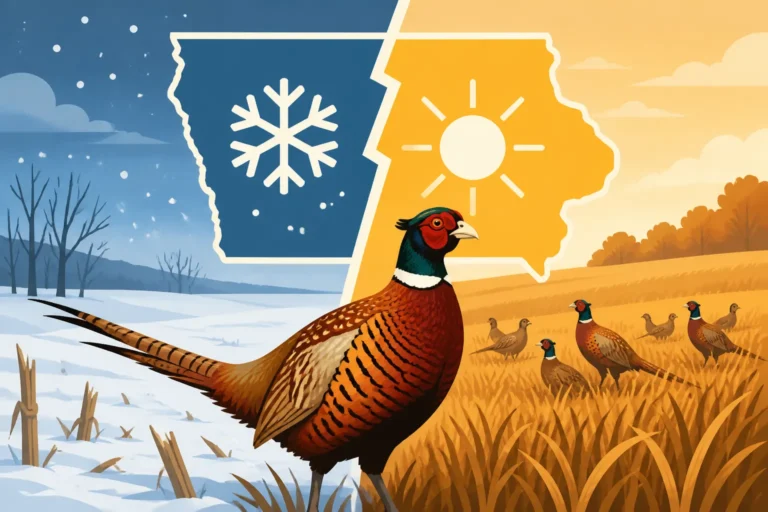
Winter severity and snow depth affect Iowa pheasant populations by limiting food access and increasing starvation risks.
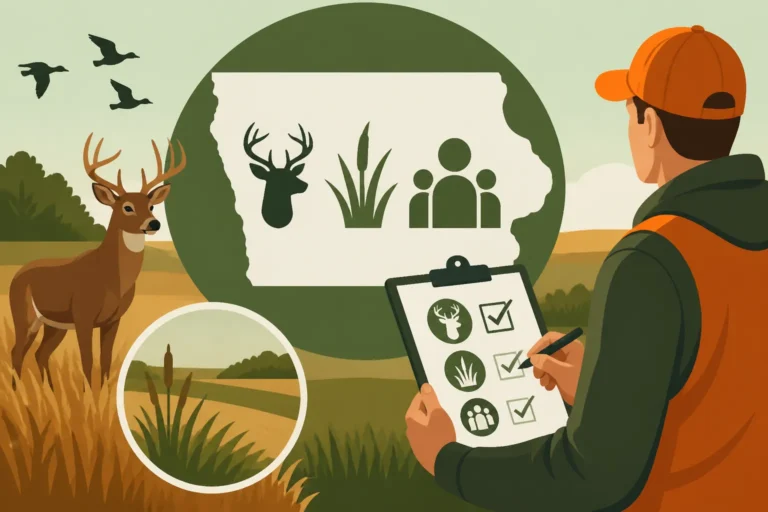
The Iowa Roadside Survey estimates annual population changes for ring-necked pheasants and bobwhite quail using standardized routes.
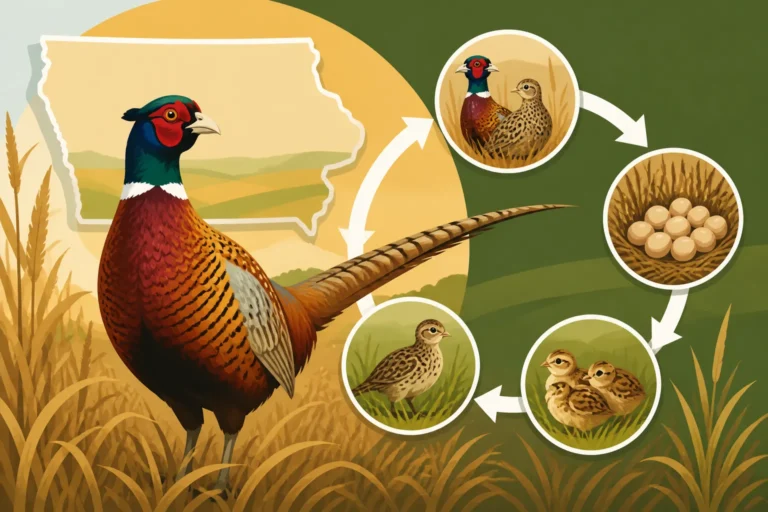
Iowa pheasant population cycles explain why bird numbers swing wildly between boom and bust years based on weather and habitat factors.
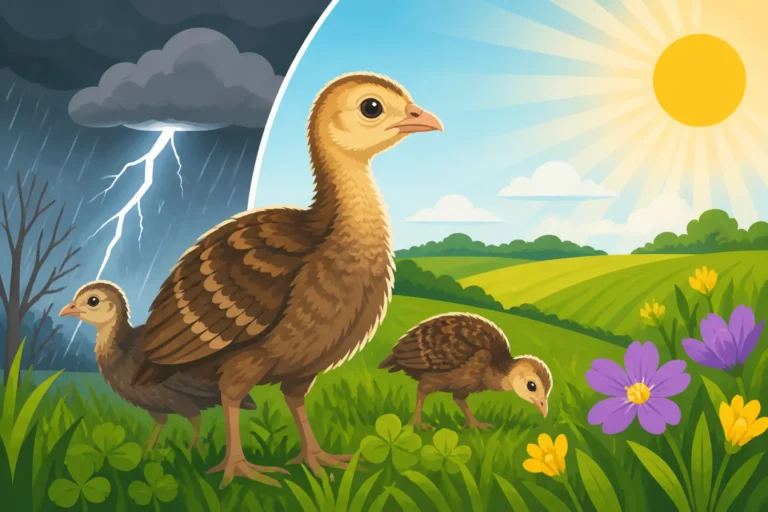
Harsh spring weather, heavy rain, and extreme temperatures directly impact Iowa wild turkey poult survival rates and population numbers.
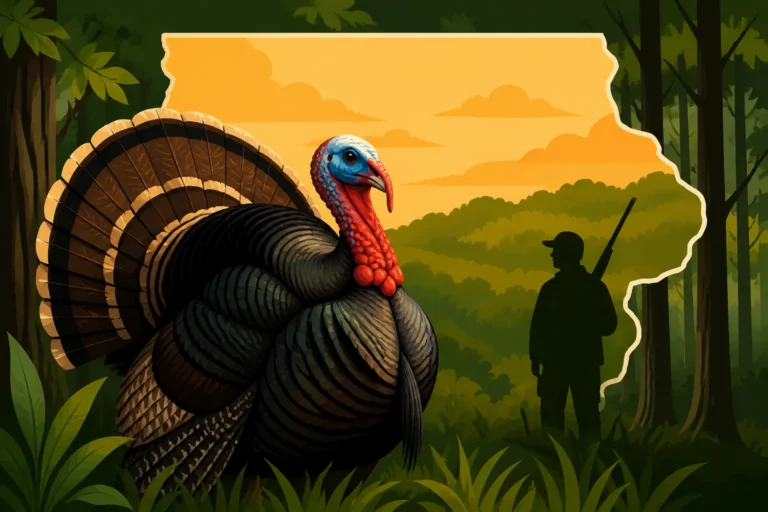
Hunting Eastern wild turkeys in Iowa timber requires understanding bird habitats, seasonal movements, and spring behavior patterns.
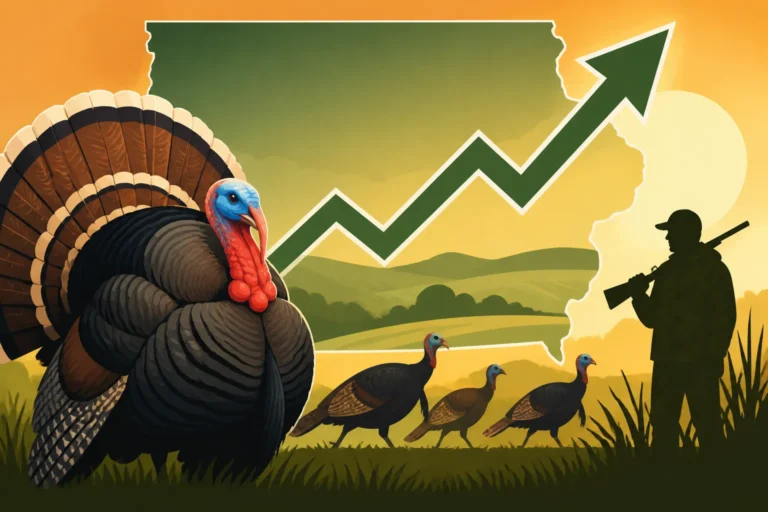
Iowa wild turkey population trends, historical numbers, and environmental factors influencing regional hunting success across the state.