Hunting a Narrow Creek Corridor
Narrow Iowa creek corridors provide whitetail deer with hidden travel routes, consistent water, and dense vegetation cover for movement.
Close the distance.
Archery, muzzleloader, and firearm techniques — calling, stand placement, still-hunting, spot-and-stalk, and the weapon rules that change at the state line.
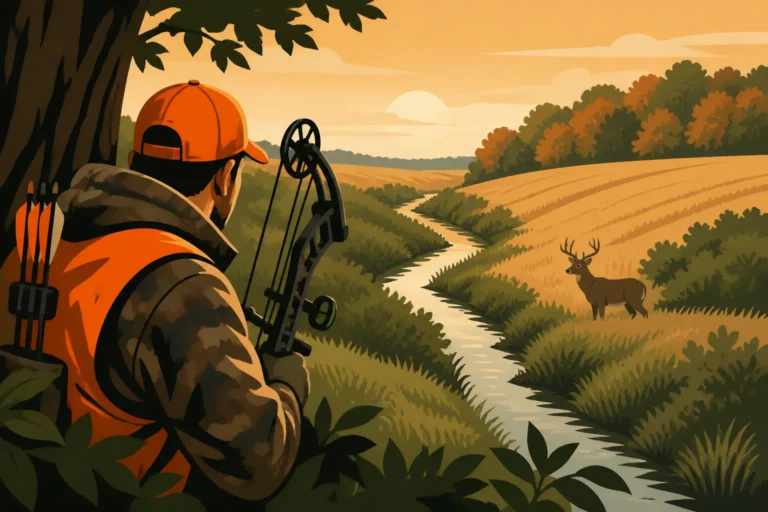
Narrow Iowa creek corridors provide whitetail deer with hidden travel routes, consistent water, and dense vegetation cover for movement.
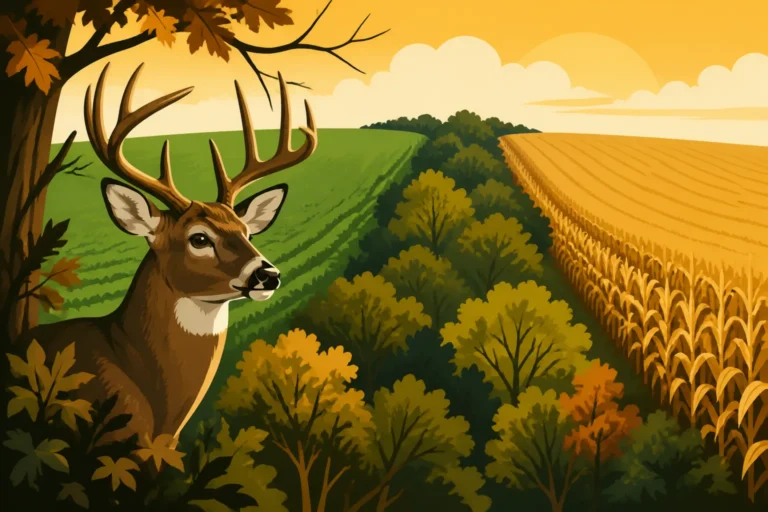
Timber points between Iowa crop fields provide secure bedding sanctuaries and funnel whitetail deer movement between food sources.
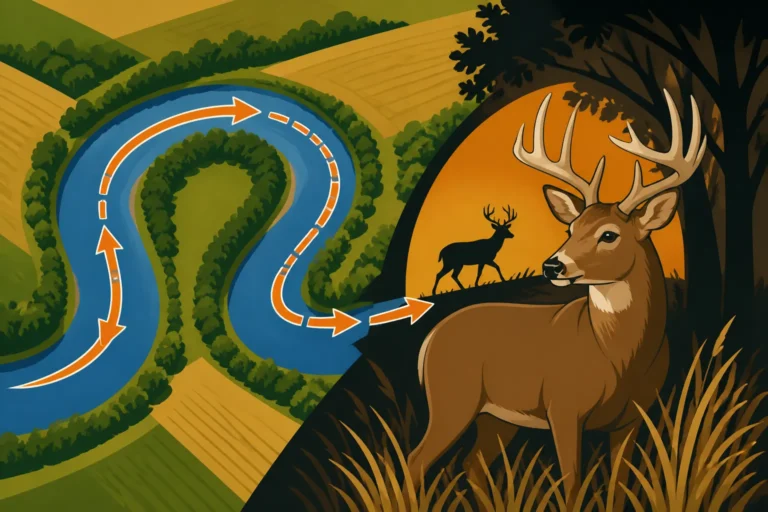
River oxbows in Iowa river systems provide deer with security, bedding areas, and sanctuary from intense hunting pressure.
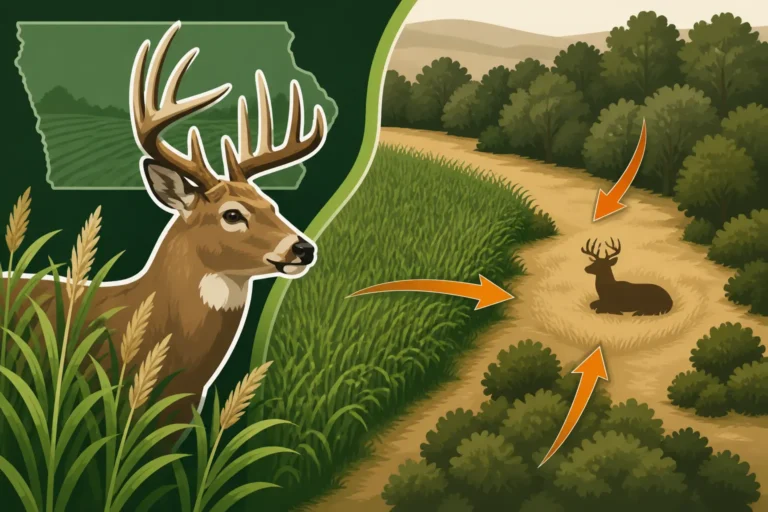
Iowa Conservation Reserve Program grasslands provide secure bedding cover and thermal protection for white-tailed bucks.
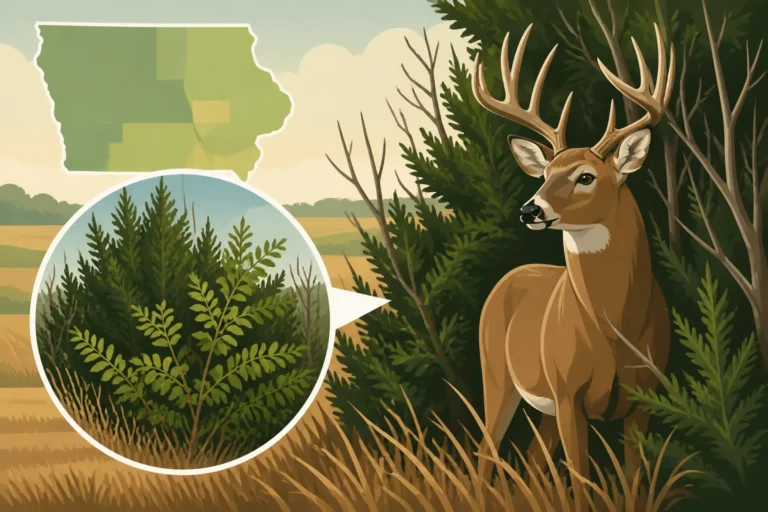
Cedar and locust thickets in Iowa provide whitetails with thermal protection, security barriers, and reliable year-round bedding cover.
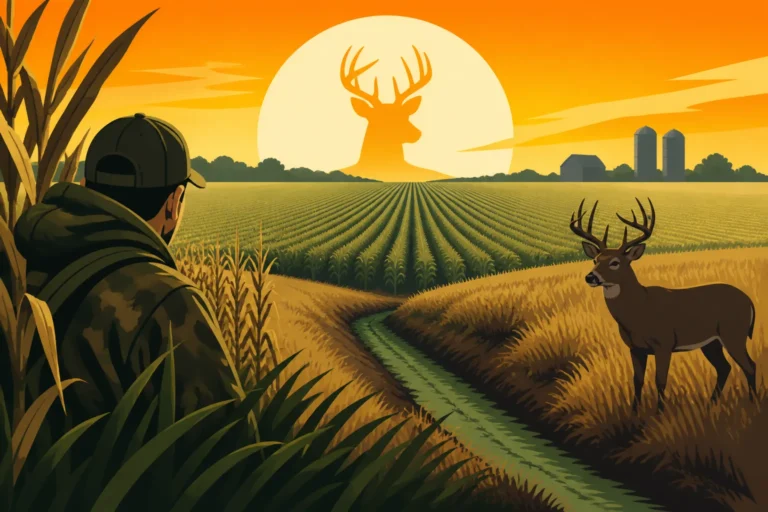
Iowa ditch crossings in corn and soybean fields act as hidden travel corridors for whitetails navigating open landscapes.
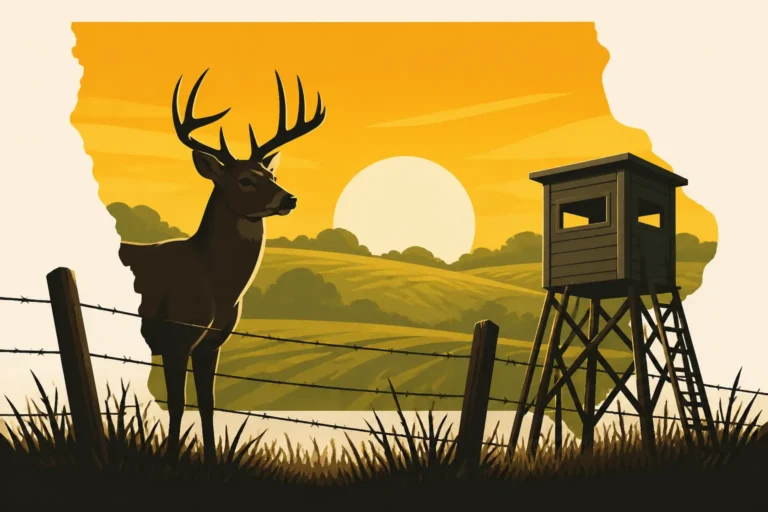
Fence line crossings in Iowa concentrate whitetail movement between bedding areas and food sources, creating ideal stand locations.
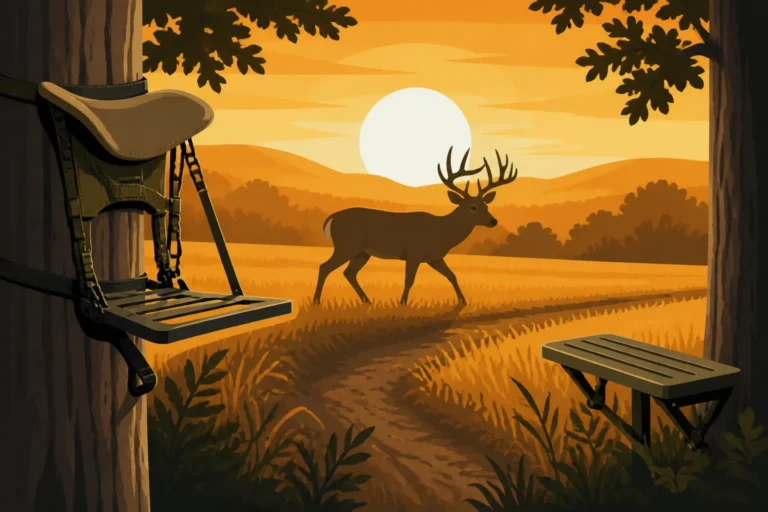
Timber saddles and benches act as natural travel corridors, helping hunters find daily deer movement across rolling Iowa landscapes.
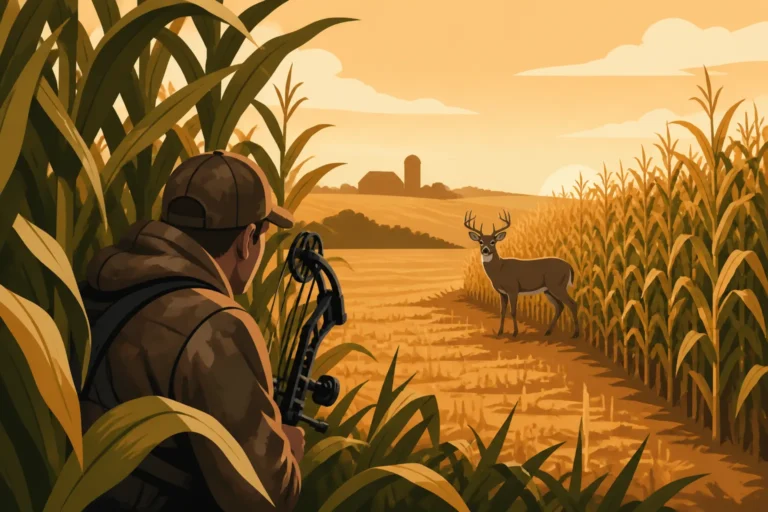
Crop field inside corners serve as natural funnels and secure staging areas where Iowa deer hunters can target traveling bucks.
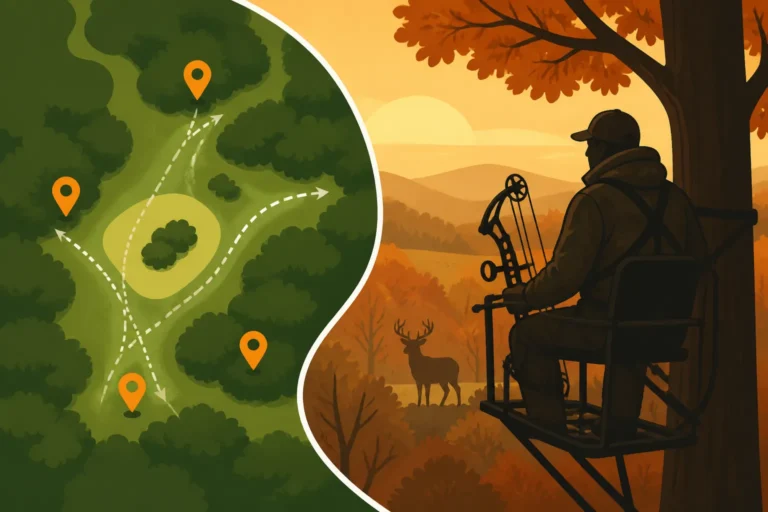
Stand locations in rolling timber require analyzing Iowa topography like ridges, draws, saddles, and benches for deer movement.