Blood Trailing in CRP and Multiflora Rose
Iowa conservation reserve program fields and multiflora rose thickets hide deer blood trails, requiring methodical recovery strategies.
Close the distance.
Archery, muzzleloader, and firearm techniques — calling, stand placement, still-hunting, spot-and-stalk, and the weapon rules that change at the state line.
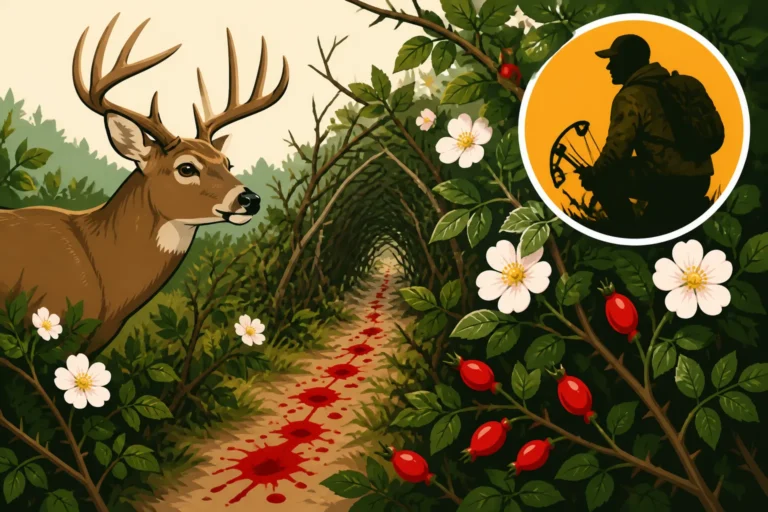
Iowa conservation reserve program fields and multiflora rose thickets hide deer blood trails, requiring methodical recovery strategies.
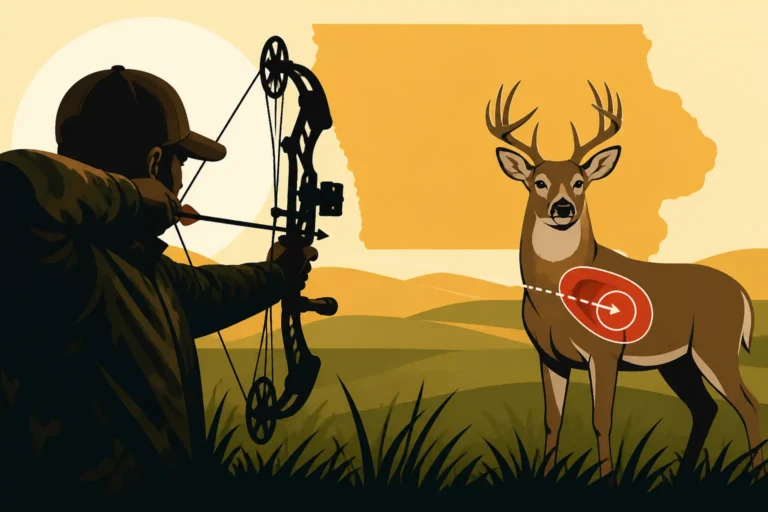
Whitetail shot placement details vital organ targets, bone structures to avoid, and liver or spine hits at twenty yards.

Iowa party hunting rules and safe deer drives explain group tagging laws, valid licenses, and reporting requirements for hunters.
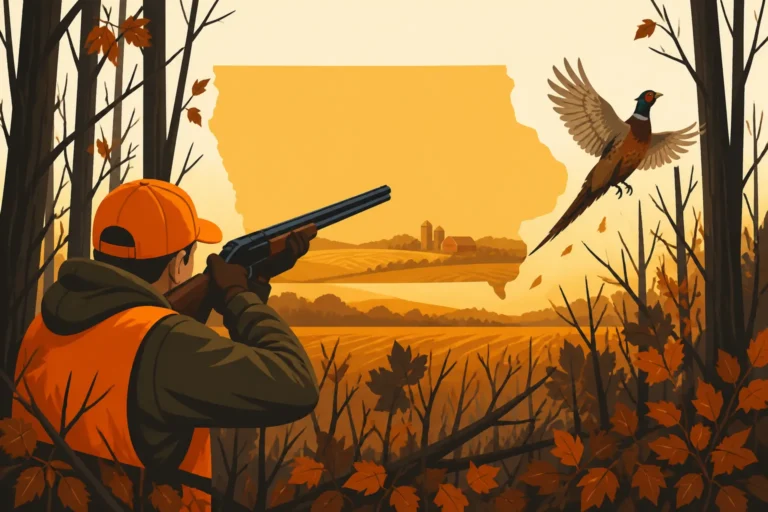
Iowa shotgun season deer drives in small timber provide effective methods for hunting elusive whitetails in isolated woodlots.
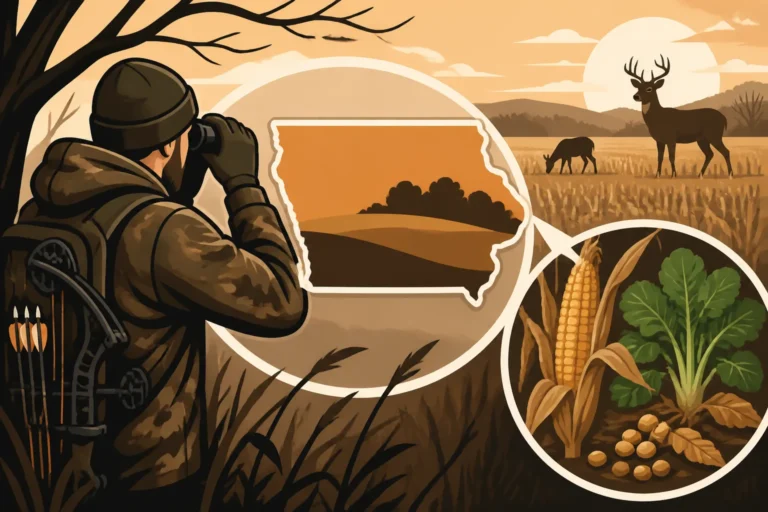
Iowa whitetails in December seek standing corn and soybeans for calories to survive cold weather and heavy snow accumulation.
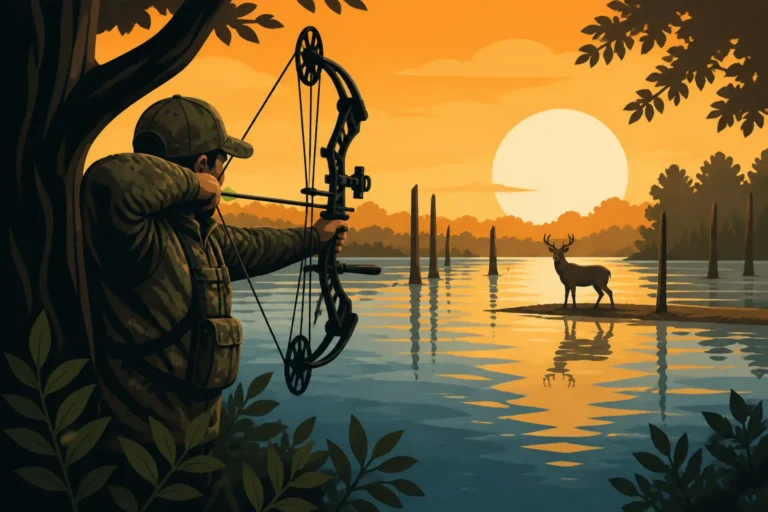
Early season bowhunting over Iowa water sources explains how to target whitetails at creeks, ponds, and seeps during September and October.
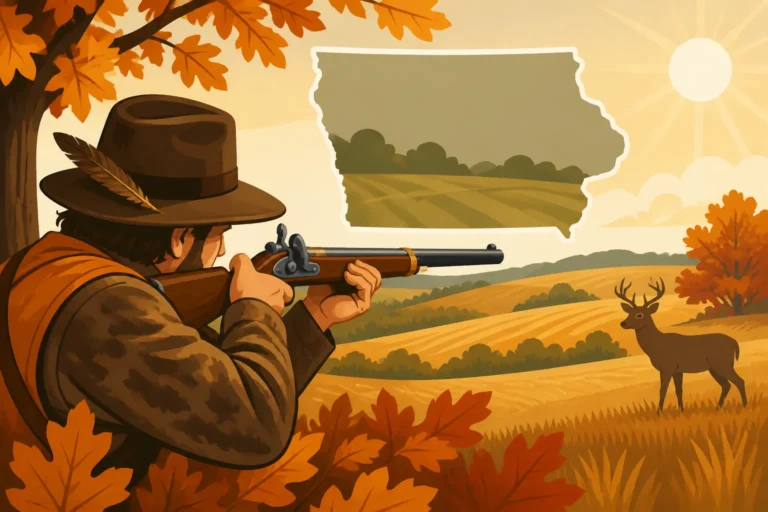
Early muzzleloader hunting in warm October weather explains deer behavior changes, scent control strategies, and cooling tactics.
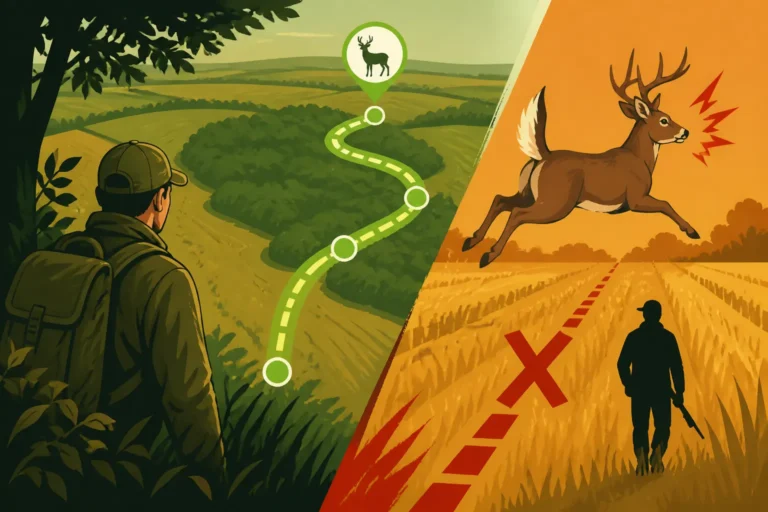
Stealthy access routes explain how Iowa hunters manage wind, thermals, and scent to slip past wary whitetails undetected.
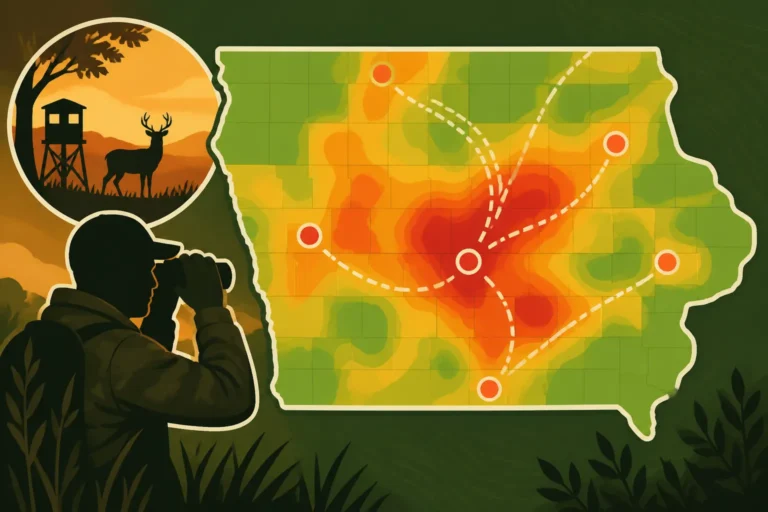
Iowa public land hunting pressure patterns reveal why deer avoid easy access points and busy Wildlife Management Areas on weekends.
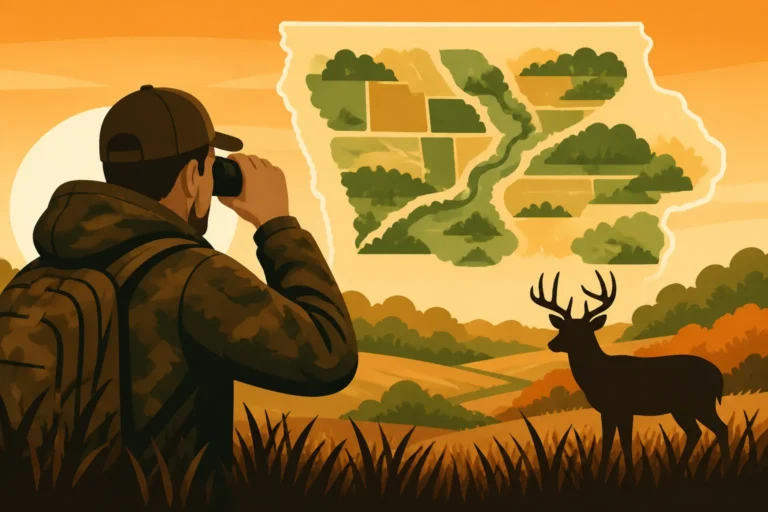
Scouting Iowa public land before the hunting opener involves using the DNR Hunter Atlas, identifying habitat types, and navigating pressure patterns.