Cellular Cameras and Fair Chase Rules
It's frustrating when you invest in new hunting technology, only to wonder if you're crossing an ethical line or, worse, breaking a rule. Cellular trail cameras have exploded in popularity, offering hunters real-time intel, but they've also sparked a lot of debate and confusion, especially around the concept of "fair chase." This guide will help you understand what cellular cameras are, Iowa's specific rules regarding their use, and the ethical considerations involved so you can hunt confidently and legally.
Understanding Cellular Trail Cameras
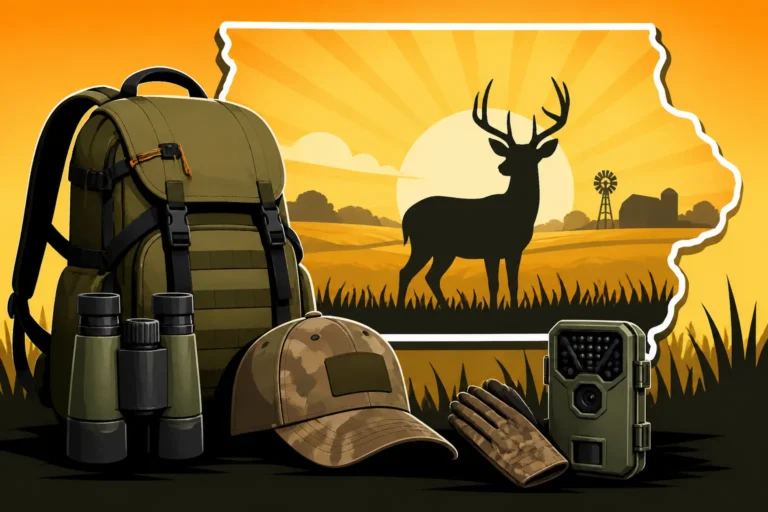
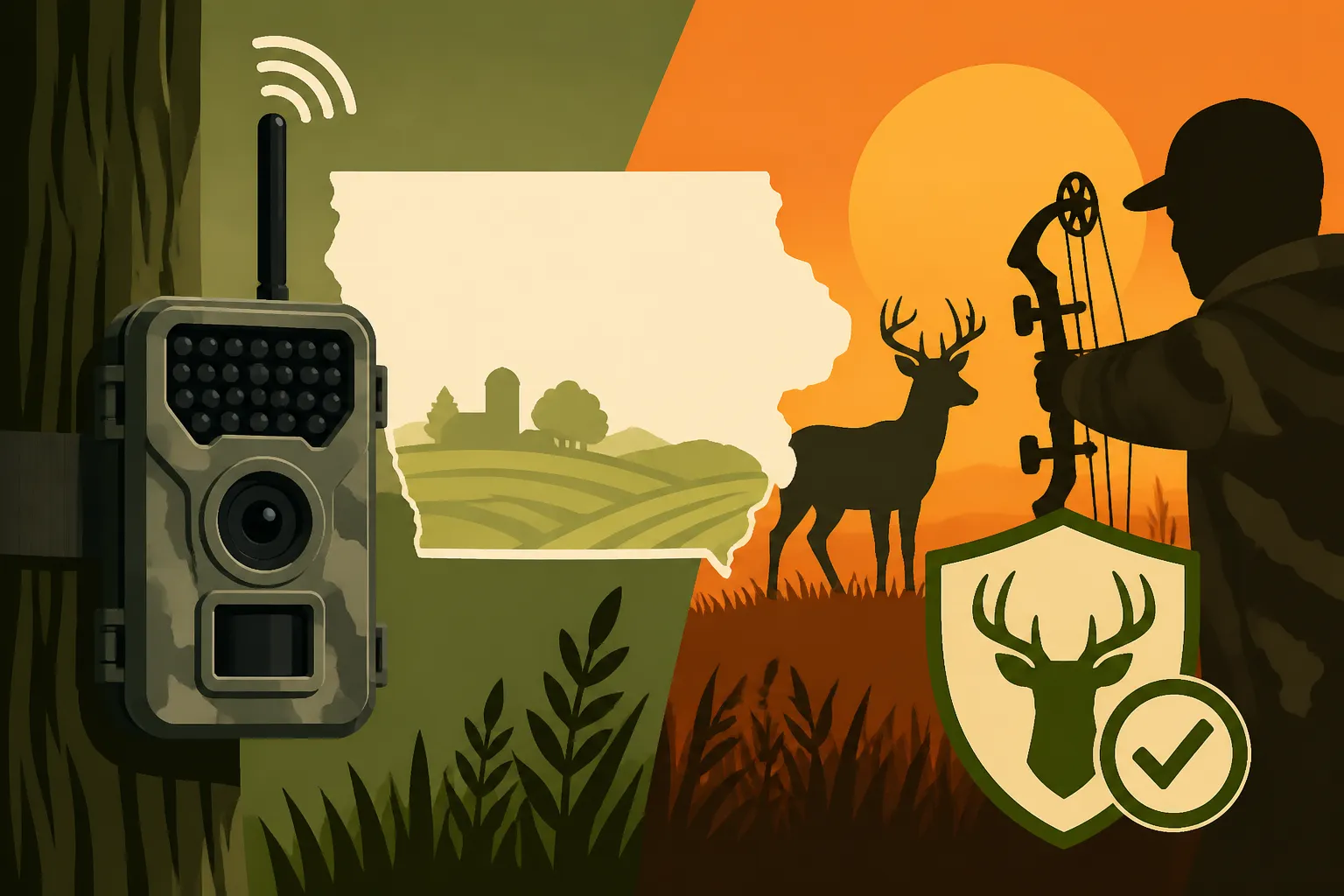
Cellular trail cameras are a game-changer for many hunters, offering a glimpse into deer activity without having to physically visit a camera site. Unlike traditional trail cameras that store images on an SD card you retrieve manually, cellular cameras transmit photos or short video clips wirelessly to your phone or computer. This connectivity is what makes them so powerful, allowing you to scout and monitor remote locations with unprecedented efficiency.
Imagine you've hung a camera deep in a timber block, perhaps scouting for Best Stand Locations in Rolling Timber or Saddles and Benches Deer Cross Daily. With a traditional camera, you'd have to walk in, check the card, and potentially disturb the area, leaving scent and spooking deer. A cellular camera, on the other hand, lets you check that camera multiple times a day from the comfort of your home, receiving instant notifications of activity. This means you can keep tabs on a hot scrape, a fresh rub line, or a new travel corridor without ever setting foot near your stand location until it's time to hunt.
These cameras operate much like a cell phone, requiring a data plan and often a monthly subscription to a service provider. Many major camera brands offer their own plans, or you can sometimes use a plan from a general cellular carrier. The technology has advanced rapidly, offering clearer images, longer battery life, and more reliable transmission even in areas with spotty cell service. This convenience is a double-edged sword, however, leading to both excitement and controversy within the hunting community.
What "Fair Chase" Truly Means in Hunting
The concept of fair chase is a cornerstone of ethical hunting, deeply ingrained in the traditions of sportsmen and women across North America. It essentially means that the hunter should not have an unfair advantage over the animal being hunted. It’s about respecting the animal and the challenge of the pursuit, ensuring that the hunt is a genuine test of skill, patience, and knowledge of the outdoors, rather than a mere act of harvesting.
Think about the classic image of a hunter tracking an animal through the wilderness, relying on their senses, woodcraft, and understanding of animal behavior. That’s the essence of fair chase. It's why things like hunting from vehicles, using artificial lights at night, or certain baiting practices are generally frowned upon or outright illegal. These methods remove the "chase" element, reducing the animal's natural advantages and making the outcome too predictable. For example, Iowa has strict Iowa Baiting Ban for Deer rules precisely to uphold this principle.
The introduction of new technologies like cellular trail cameras has naturally brought the definition of fair chase under scrutiny. Is knowing an animal's exact location, or even its direction of travel in real-time, pushing the boundaries of what constitutes a fair pursuit? Some argue it enhances efficiency and helps hunters make informed decisions, while others believe it reduces the "hunt" to a mere waiting game, stripping away the challenge that fair chase seeks to preserve. Understanding this fundamental ethical principle is key to navigating the debate around cellular cameras.
Iowa's Regulations on Cellular Camera Use
When it comes to cellular cameras, Iowa has been pretty clear about its stance, especially on public lands. The regulations are designed to maintain fair chase principles and ensure equitable access and opportunity for all hunters. It's not about prohibiting scouting with cameras entirely, but rather about preventing their misuse in a way that gives an individual an undue advantage or impacts other hunters' experiences.
For example, Iowa's regulations specifically state that trail cameras, including cellular models, cannot be used to locate or pattern deer on public land during the actual hunting season for that specific individual. What does this mean? It means you can't be sitting in your stand, getting a live feed from a cellular camera showing a buck walking toward you, and then immediately take that shot. This would be considered an unfair advantage, as it removes the element of actively tracking or observing the animal directly. You also can't just be sitting at home watching a screen, then jump in your truck and drive to the exact spot where a big buck just showed up on your camera. That kind of immediate, real-time response crosses the line.
The spirit of the law intends for cameras to be scouting tools, not hunting aids during the act of the hunt itself. This distinction is crucial. You can use cellular cameras to monitor How Harvest Timing Changes Deer Movement or understand general deer patterns before the season, or even during the season if you're using the information for future hunts rather than an immediate pursuit. However, once you pick up your weapon and head into the field to actively hunt, the real-time advantage provided by cellular cameras becomes problematic. Always check the latest Iowa hunting regulations booklet for specific dates and definitions, as these rules can be updated.
Ethical Debates Surrounding Cellular Cameras
Beyond the explicit laws, the use of cellular trail cameras sparks a robust ethical debate within the hunting community. It really boils down to how much technology is "too much" before the hunt loses its integrity. Many seasoned hunters value the tradition and the challenge of scouting solely through physical boots-on-the-ground effort, Scouting Iowa Public Land Before the Opener or E-Scouting Iowa Farm Country From Home with maps and binoculars. They see cellular cameras as diminishing that effort.
One of the main ethical concerns centers on the idea of removing human presence from scouting. Historically, scouting meant walking miles, reading sign, enduring mosquitoes, and learning the land firsthand. With cellular cameras, you can effectively "scout" an area from hundreds of miles away, receiving real-time updates without leaving your couch. While convenient, some argue this detaches the hunter from the immersive experience of truly understanding the wild, reducing the hunter's connection to the land and the animals. It’s not just about getting the deer; it’s about the journey and the skills developed along the way.
Another point of contention is the potential for information overload and over-reliance on technology. A continuous stream of images and data can lead to a kind of "armchair hunting," where the hunter is making decisions based purely on digital intel rather than actual field observation and intuition. It can also create a perception among non-hunters or even within the hunting community that technology is making hunting too easy, undermining the perception of fair chase and the skill involved. These are important discussions that continue to shape how hunters view and integrate new tools into their passion.
Maximizing Cellular Camera Benefits Ethically and Legally
Even with the rules and ethical discussions, cellular cameras can be an incredibly valuable tool for Iowa hunters when used responsibly. The key is to leverage their scouting power without crossing into real-time hunting assistance. Think of them as super-efficient scout masters, gathering information that helps you form a better long-term hunting strategy, rather than a magic bullet for an instant harvest.
One excellent way to use them is for off-season and pre-season scouting. You can place cameras in key locations known for deer activity, like timber points or inside corners of crop fields, to monitor summer velvet growth, identify core areas, and observe deer movement patterns long before opening day. This information is invaluable for planning your stand locations and understanding Deer Density by Iowa County or general trends. Then, once hunting season arrives, you pull the cameras or simply use the collected data for strategizing, not for live targeting.
Another beneficial application is monitoring Hunting Pressure Patterns on Iowa Public Land or understanding how deer react to changes in crop fields after harvest. For instance, knowing when a particular bean field gets cut can drastically alter deer movement, and a cellular camera can alert you to these changes immediately, helping you decide where to focus your efforts in the coming days. Companies like GoHunt provide fantastic mapping resources and regulatory updates that can complement your cellular camera intel, helping you identify prime scouting locations and stay abreast of any rule changes. By focusing on using these cameras as advanced scouting and observation tools, rather than real-time kill indicators, you can integrate them into your hunting ethically and legally.
Practical Tips for Iowa Cellular Camera Users
Using cellular cameras effectively and ethically in Iowa requires a blend of technological understanding, adherence to regulations, and a strong dose of common sense. You want to make the most of your investment without running afoul of the law or alienating your fellow hunters.
First, always prioritize learning and understanding the specific rules for the land you're hunting. Public land often has stricter regulations than private land, and even private land use may have local ordinances or specific landowner requests you need to honor. Before setting out to place a camera, check the latest Iowa DNR regulations for any updates on trail camera use, particularly concerning public hunting areas. If you're using a tool like GoHunt, ensure you're cross-referencing their land ownership layers with the DNR's official public land designations to avoid any confusion.
Consider the placement of your cameras carefully. Avoid placing them directly on well-used trails or in high-traffic bedding areas on public land if you plan to leave them for extended periods, as this can still create too much disturbance or be seen as intrusive by others. Instead, aim for transition areas or food sources where you can gather intelligence without impacting deer behavior or other hunters' experiences too much. Remember that Trail Camera Placement on Iowa Public Land has its own set of unwritten rules, often boiling down to respect and minimizing impact. Regularly check your cameras, whether cellular or traditional, to ensure they aren't malfunctioning or inadvertently causing issues. It's all about being a responsible steward of the land and a respectful participant in the hunting community.
| Camera Type | Key Feature | Iowa Public Land Legal Use (during hunt) | Ethical Consideration |
|---|---|---|---|
| Traditional | On-board SD card storage | Fully legal for scouting and retrieval | Minimal impact if checked infrequently |
| Cellular | Real-time image transmission | Generally NOT for real-time hunting assistance | Can be seen as reducing "fair chase" |
Finally, remember that the most valuable part of hunting is the experience itself, not just the harvest. While cellular cameras can provide amazing insights, don't let them replace your own instincts, woodsmanship, and enjoyment of being out in the Iowa wilderness. Use the technology to enhance your scouting and knowledge, but continue to refine your ability to read the landscape, interpret fresh sign, and immerse yourself in the natural world. Tools like GoHunt maps can help you visualize the terrain and potential deer movement, combining digital insights with your on-the-ground observations. This holistic approach ensures you remain an ethical and skilled hunter, even with the latest gadgets in your arsenal.
Disclaimer
This article is for general informational purposes only and does not constitute professional advice. Laws, prices and regulations vary by location and change over time. Consult a qualified professional for guidance on your specific situation.