Budget Gear That Works in Iowa
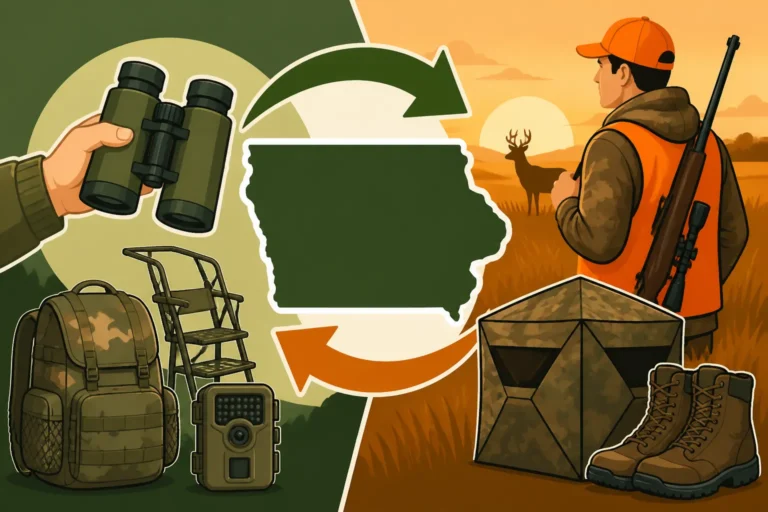
Hunting in Iowa can feel like an exclusive club when you start looking at all the expensive gear advertised today. It's easy to get discouraged thinking you need a second mortgage just to get out in the woods or fields. But the truth is, you absolutely don't need top-tier, bank-breaking equipment to be a successful and comfortable hunter in the Hawkeye State. This guide is all about cutting through the noise and showing you how to equip yourself with reliable, functional gear that works for Iowa's diverse hunting conditions without emptying your wallet.
Dressing for Success: Affordable Apparel for Iowa's Variable Weather
Iowa weather is notoriously unpredictable. One day you're sweating in October, the next you're freezing in December. You don't need fancy, designer camouflage, but you do need layers that perform. The key is smart layering, not expensive brand names.
Layering Essentials: Warmth Without the Weight
The core of any effective hunting wardrobe, especially on a budget, is a solid layering system. Forget those $200 technical base layers for now. You can find perfectly functional synthetic base layers at discount stores or even sporting goods chains' clearance racks. Look for polyester or polypropylene fabrics that wick moisture away from your skin. For mid-layers, think fleece. A simple fleece jacket or vest, again, from a bargain bin, provides excellent insulation and is surprisingly quiet in the timber.
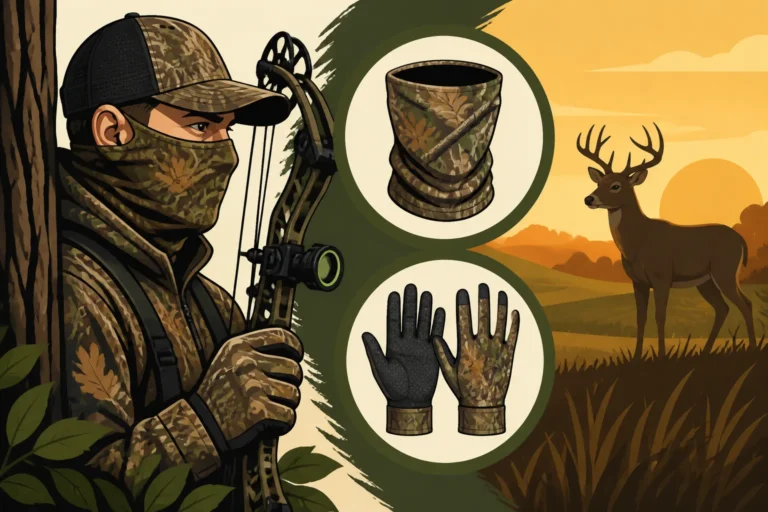
Your outer layer needs to be durable and quiet. Many affordable brands offer basic softshell or brushed tricot jackets and pants that will block some wind and repel light moisture. The pattern isn't as critical as the function; a simple earth-toned brown or green can be just as effective as the latest camo pattern, especially in a treestand. I’ve seen plenty of deer taken by hunters in plain old flannel and denim. The goal is to regulate your body temperature as you walk in and then stay warm when you're sitting still. Over-dressing and sweating on the walk to your stand can quickly lead to being miserably cold once you settle in, even with expensive gear.
Budget-Friendly Boots and Socks: Keeping Your Feet Happy and Dry
Your feet are your foundation, and cold, wet feet can ruin any hunt faster than almost anything else. You don't need space-age boots, but you do need waterproof, insulated footwear. Rubber boots are a fantastic, affordable option for Iowa hunting, especially given our often muddy fields and wet creek bottoms. They're naturally waterproof, keep your scent down when walking through fields, and many come with ample insulation. You can often find decent pairs at farm supply stores for a fraction of the cost of high-end hunting boots.
The secret to warm, dry feet isn't just the boots, it's the socks. Invest in good quality wool or synthetic blend socks. You can often find multi-packs on sale. Avoid cotton at all costs; it holds moisture and will make your feet cold. Having several pairs of clean, dry socks is a game-changer. I always pack an extra pair in my backpack for a long sit or if I accidentally step in a puddle. It's a small investment that pays huge dividends in comfort and endurance, whether you’re sitting in a ground blind or trudging through snowy CRP grass during the late season.
Rain Gear That Actually Works: Staying Dry When the Skies Open
Iowa weather can turn on a dime, and getting caught in a downpour unprepared is a miserable experience. You don't need GORE-TEX at first, but you need something to keep the rain off. A simple, affordable rain poncho or a basic PVC rain suit can be an absolute lifesaver. While they might not be as breathable as high-end gear, they are waterproof, and that's the primary goal when the heavens open.
Look for options that are easy to pack down small, so they don't take up too much room in your daypack. I've used lightweight rain jackets and pants from general outdoor stores for years, and they've kept me dry in many unexpected Iowa showers. If you're bowhunting, make sure whatever you choose is reasonably quiet when you move. Nothing spooks a deer faster than crinkly rain gear in a quiet timber stand. For shotgun seasons, a bit of noise might be less critical, but staying dry is paramount for comfort and safety in cold, wet conditions.
Weapon Systems That Get the Job Done Without the Price Tag
The notion that you need the latest, greatest, most expensive firearm or bow to kill an Iowa deer is simply false. Many seasoned hunters still rely on tried-and-true, affordable setups. The key is proficiency with your chosen weapon, not its price tag.
Reliable Shotguns and Slugs: Iowa's Workhorse Deer Weapon
For generations, the shotgun has been the quintessential Iowa deer hunting weapon, and it remains a fantastic budget-friendly option. You don't need a specialized slug gun with a rifled barrel right away. A standard 12-gauge or 20-gauge pump-action shotgun, like a used Remington 870 or Mossberg 500, can often be found for a very reasonable price. These guns are incredibly reliable, durable, and readily available. Many hunters already own one for bird hunting, making it an even more economical choice.
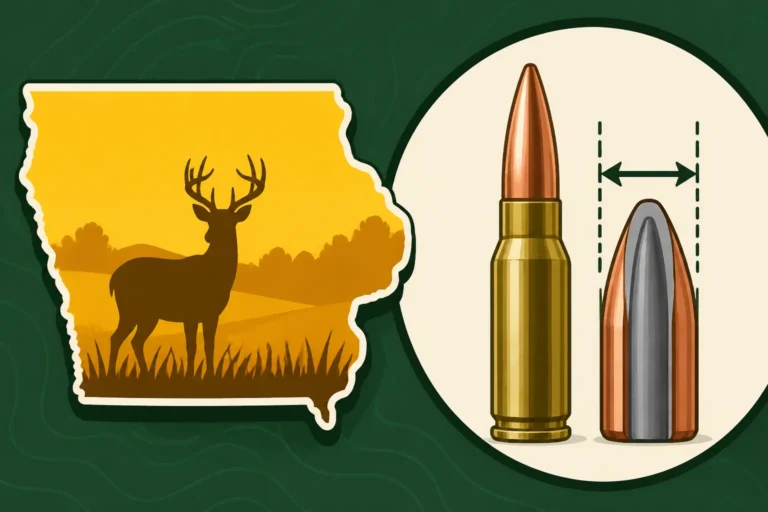
For slugs, focus on accuracy over brand hype. Standard rifled slugs (Foster slugs) shot through a smoothbore barrel are perfectly adequate for the typical engagement distances in Iowa's timber and brushy fields. While sabot slugs fired from a rifled barrel can offer greater accuracy at longer ranges, a smoothbore with good rifled slugs can easily reach out to 75-100 yards with practice, which covers most hunting scenarios. The most important thing is to spend time at the range, trying different affordable slug brands to see what shoots best out of your specific shotgun. Don't forget to practice Zeroing a Slug Gun at Fifty Yards so you know your effective range.
Entry-Level Muzzleloaders: Stepping into Primitive Season
Muzzleloader season, especially the late season, can offer some incredible hunting opportunities in Iowa, and you don't need a high-tech inline model to get started. Basic, reliable inline muzzleloaders can be purchased new for a modest price, and used options are even more budget-friendly. These simpler designs are often easier to clean and maintain than more complex systems. When choosing, prioritize ease of use and reliability.
Focus on the fundamentals: consistent powder charges, proper bullet seating, and regular cleaning. A simple open sight or a basic scope can get you started. The real "secret sauce" to muzzleloader hunting is practice and understanding your firearm's capabilities. Learn how to Keep a Muzzleloader Dry in December because nothing is more frustrating than a misfire on a cold, wet morning. You'll find that the deliberate, slower pace of muzzleloader hunting can be incredibly rewarding, and an affordable setup won't hold you back.
Affordable Bowhunting Setups: Getting Started with Stick and String
Bowhunting is a fantastic challenge, and it's certainly possible to get started without spending a fortune. The used market is your best friend here. Many archers upgrade their bows regularly, meaning there are plenty of perfectly functional used compound bows available for a fraction of their original price. Look for bows from reputable manufacturers that are a few years old. A good pro shop can help you check the bow for issues, ensure it fits you, and set it up correctly with an affordable sight and rest.
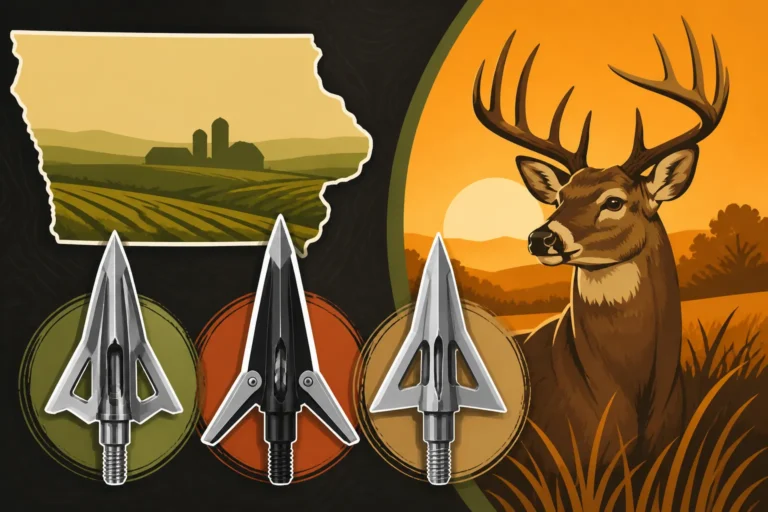
For arrows, you can start with basic aluminum or carbon arrows. Again, consistency is key, not cost. Broadheads come in various designs and price points. While some mechanical broadheads can be pricey, a good fixed-blade broadhead is often very affordable, durable, and highly effective. The most crucial investment in bowhunting isn't the gear itself, but the time you spend practicing. Consistent shooting is far more important than a fancy bow. Take the time to properly Tuning a Bow Before Iowa's Opener and practice ethical shot placement at various distances to ensure you're ready when a buck walks in.
Optics That Won't Break the Bank: Seeing More for Less
Good optics can significantly enhance your hunting experience by allowing you to spot deer earlier, identify them clearly, and make accurate shots. Thankfully, "good" doesn't have to mean "expensive." There's a sweet spot where quality meets affordability.
Budget Binoculars for Timber and Fields: Clear Views without the High Cost
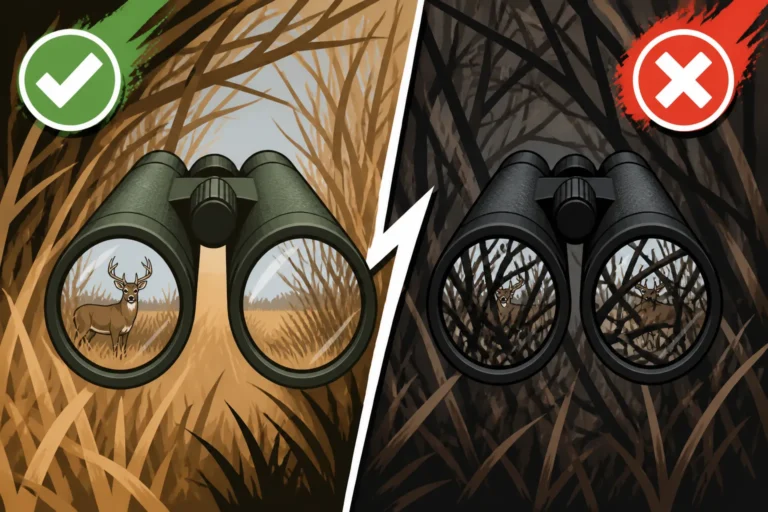
For general hunting in Iowa's diverse terrain, a solid pair of 8×42 binoculars is often the best bang for your buck. You don't need 10x or 12x magnification that costs thousands of dollars. An 8x magnification provides a wide field of view, is easier to hold steady, and gathers plenty of light for low-light conditions in the timber. Many reputable optics brands offer excellent entry-level or mid-range binoculars that are waterproof, fog-proof, and have decent glass for under a few hundred dollars.
Instead of chasing the absolute clearest image, prioritize durability and light gathering. These binoculars will serve you well for spotting deer in distant bean fields or picking apart thick cedar thickets for a bedded buck. Remember that even mid-tier glass will perform admirably in typical Iowa hunting conditions. They're also less of a heartbreak if they get dropped or scratched compared to a premium pair. For detailed guidance on size, you can refer to Binocular Size for Timber Hunting.
Affordable Rangefinders: Precision for Bow and Slug Hunters
A rangefinder is no longer a luxury; it's an essential piece of equipment for ethical hunting, especially for bowhunters and those using slug guns. Knowing the exact distance to your target removes the guesswork and drastically increases your chances of a clean kill. The good news is that many entry-level rangefinders are incredibly accurate and reliable for hunting distances.
You don't need fancy features like ballistic calculators or intricate angle compensation for most Iowa hunting. A simple line-of-sight rangefinder that gives you an accurate distance out to 300-400 yards is more than sufficient. These can often be found for well under the cost of a high-end model. Look for models that are easy to use with one hand and provide quick readings. For bowhunting, especially, it’s critical to know those shorter distances, and even a basic rangefinder excels at Rangefinders for Under Fifty Yards. For slug gun hunters, knowing your exact point of impact at 75 or 100 yards is crucial.
Basic Scopes for Gun Hunters: Clear Sight Pictures for Clean Shots
When it comes to scopes for your slug gun or muzzleloader, simplicity and reliability are your friends. A fixed power scope (like a 4x) or a low-variable power scope (like a 1.5-5x or 2-7x) is often ideal for Iowa's timber and field edges. These scopes are less expensive, often more robust, and perfectly suited for the typical shot distances you'll encounter. You don't need a huge objective lens or extreme magnification that adds bulk and cost.
Prioritize clear glass, positive click adjustments, and good light transmission for low-light conditions. Many reputable scope manufacturers offer fantastic options in the budget to mid-range categories. Spend your money on a scope that holds zero reliably, rather than one with the highest magnification. Practice at the range to ensure your scope is sighted in properly for your chosen ammunition. Understanding Scope Magnification for Slug Guns can help you make an informed choice.
Hunting From Above or Below: Stands and Blinds on a Dime
Whether you prefer the elevated view of a treestand or the concealment of a ground blind, there are plenty of affordable options to get you off the ground or tucked away. Safety and concealment are the top priorities, not flashy features.
Economical Hang-On Stands and Climbing Sticks: Safe and Savvy
Hang-on treestands, when paired with climbing sticks, offer great versatility for getting into different trees, especially on public land. You don't need the lightest, most expensive aluminum stands. Many steel hang-ons from reputable brands are incredibly sturdy, safe, and can be purchased for a reasonable price. They might be a bit heavier, but if your walk-in isn't miles long, they're perfectly functional. The real trick is to invest in safety: always use a full-body safety harness and a lifeline. This is one area where you should never skimp.
For climbing, affordable steel climbing sticks work just as well as the high-dollar aluminum versions. Again, they'll weigh a bit more, but they'll get you up the tree safely. Look for options that pack together compactly for easier transport. Remember that proper technique and safety checks are paramount, regardless of the stand's cost. You'll want to study up on Hang-On Stands Versus Ladder Stands to decide which style best suits your hunting approach and budget.
Ground Blinds for Farm Country: Blending in without the Hassle
In Iowa's farm country, especially along field edges or in small timber patches, a ground blind can be an incredibly effective and budget-friendly hunting setup. Pop-up ground blinds from various brands are often quite affordable and provide excellent concealment from deer. They shield you from the wind and light rain, making those long sits more comfortable, especially in cold weather.
When choosing a ground blind, look for one that's easy to set up and take down, and has enough windows for shooting lanes. The key to making an affordable blind effective is proper placement and brushing it in. Use natural vegetation – branches, corn stalks, tall grasses – to break up its outline and help it blend into its surroundings. This extra effort costs nothing but time and makes even the most basic blind virtually disappear. For tips on maximizing concealment, check out Brushing In a Ground Blind. It's a great way to hunt with kids, too, allowing for a bit more movement inside without alarming nearby deer.
DIY Stand Setups (Where Legal): Creative Concealment
For the ultimate budget-conscious hunter, especially on private land where rules might be more flexible, creating natural ground blinds is always an option. Piling up deadfall, cutting and stacking cedar branches, or even digging a shallow pit blind can provide excellent concealment for minimal to no cost. On public land, you'll need to be extremely careful and verify all local regulations, as cutting vegetation is often prohibited. However, utilizing existing natural features like large downed trees, thick brush piles, or the base of large oaks can offer fantastic cover.
Always check Iowa DNR regulations regarding the use of screw-in steps or leaving portable stands overnight on public land. For instance, questions like Are Screw-In Steps Legal in Iowa? are critical to answer before you ever head out. Adhering to regulations ensures you're hunting ethically and legally. With a little creativity and respect for the environment, you can fashion effective hides that don't cost a dime.
Essential Field Gear and Game Recovery Without Breaking the Bank
Once you've got your deer, the work truly begins. Having the right tools for field dressing and getting your animal out of the woods doesn't require high-tech gadgets, just reliable basics.
Knives That Hold an Edge: Ready for the Field
A good, sharp knife is absolutely indispensable for any hunter. You do not need a custom-made, exotic steel blade for field dressing an Iowa deer. A sturdy fixed-blade knife from a reputable brand, with a good grip and a blade length of 3-5 inches, will serve you perfectly. Many affordable knives come in high-carbon stainless steel that holds an edge well and is relatively easy to sharpen.
Alternatively, consider a replaceable blade knife system. These are incredibly sharp, always fresh, and you just pop in a new blade when one gets dull. This eliminates the need for field sharpening, which can be a huge convenience. Whichever you choose, ensure it's comfortable in your hand and easy to clean. Learn basic sharpening techniques or carry spare blades. Focus on getting a knife that will handle the job without breaking the bank, and prioritize keeping it sharp. For more on blade choice, look into Knife Steel That Holds an Edge.
Packs for a Day Hunt: Carrying What You Need Comfortably
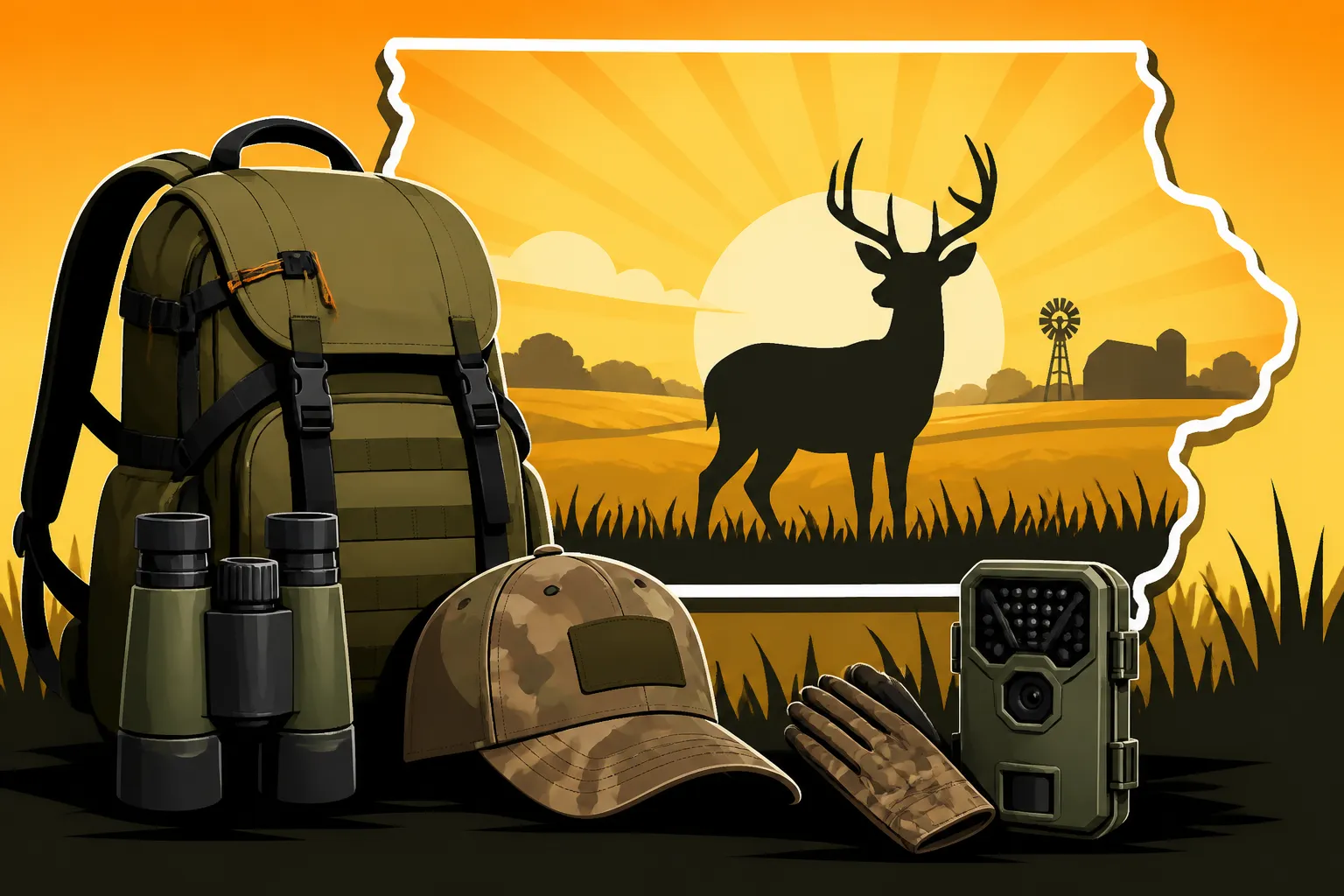
A comfortable, quiet daypack is crucial for carrying your essentials: extra layers, snacks, water, calls, a first-aid kit, and your knife. You don't need a tactical pack designed for a multi-day expedition. A simple hunting-specific daypack or even a durable outdoor backpack from a general sporting goods store will work. Look for features like quiet zippers, durable fabric, and enough capacity for a day's hunt.
Many affordable packs offer a main compartment, a few external pockets, and sometimes attachment points for extra gear. Test it out at home by loading it with what you plan to carry and walking around. Does it feel balanced? Does it rub anywhere? Comfort is key, especially if you're hiking a mile or more to your stand. A pack that fits well and is quiet will make your hunt much more enjoyable. Think about Pack Size for a Day in the Stand to ensure you're not over or under-packing.
Getting Deer Out: Drag Ropes and Simple Carts
Once you've successfully harvested an Iowa deer, the next challenge is getting it back to your vehicle, especially if you're deep in a timber draw or across a muddy field. You absolutely don't need an ATV or expensive game cart to start. A sturdy drag rope is the most basic, budget-friendly tool available. A simple rope with a handle or a T-bar can make a world of difference when pulling a heavy deer.
For slightly more investment, a basic deer cart can be a game-changer, especially on relatively flat ground or worn trails. You can find simple two-wheeled carts that break down for transport at sporting goods stores for a fraction of the cost of higher-end models. While they might struggle in deep mud or very uneven terrain, they are a huge help in many Iowa environments. Look for carts with robust wheels and a strong frame. If you're hunting public land or areas with longer hauls, a cart quickly earns its keep. For more ideas on how to make this easier, consider Deer Carts on Iowa Walk-In Ground.
DIY Scouting and Navigation Tools: Finding Success on a Budget
Effective scouting is the bedrock of successful hunting, and you don't need expensive GPS units or aerial drones to do it well. With a little time and some affordable tools, you can become a master of your hunting grounds.
Maps and Apps: Your Guide to the Iowa Landscape
One of the most powerful scouting tools is also one of the most affordable: maps. You can often get free public land maps from the Iowa DNR or county conservation offices. Combine these with readily available online aerial imagery (like what you can access through GoHunt, which often layers public land boundaries and other useful data) to get a bird's-eye view of potential hunting spots. Look for pinch points, cover transitions, food sources, and water. Identifying these features from home can save you countless hours of walking.
Many free or low-cost smartphone apps offer robust mapping capabilities, allowing you to mark waypoints, track your movements, and see satellite imagery in the field. Before you go, make sure to download offline maps if you'll be in areas without cell service. Learning to read topography and identify key deer travel corridors from a map is an invaluable skill. For a deeper dive into this, check out E-Scouting Iowa Farm Country From Home. Even a basic compass and a physical map can get you around safely if your phone battery dies. Understanding Offline Maps for Iowa Public Ground is a must for tech-savvy hunters.
Trail Cameras: Intel Gathering on a Dime
Trail cameras are an incredible tool for understanding deer movement patterns, estimating buck age, and identifying active travel corridors. While high-end cellular cameras can be expensive, there are many affordable, entry-level trail cameras that take great photos and videos. You can often find these on sale or in multi-packs at discount retailers.
When using budget cameras, focus on strategic placement. Put them on well-used trails, near known food sources, or along cover edges. Don't go overboard with dozens of cameras; a few strategically placed ones will give you plenty of useful information. Check them regularly but discreetly to avoid disturbing the area. Remember to always respect public land rules regarding trail cameras; for example, Trail Camera Placement on Iowa Public Land outlines what's allowed and what's not. Even a few basic cameras can provide a wealth of information about what's moving through your hunting area.
Basic Navigation: Don't Get Lost
While modern technology has given us incredible navigation tools, understanding the basics of map and compass remains a vital skill, especially when hunting deep in unfamiliar timber or public land where cell service might be spotty. You can purchase a basic compass for very little money, and learning how to read it in conjunction with a physical map or your phone's mapping app can prevent you from getting disoriented.
Practice navigating to and from known points, like your vehicle or a specific tree stand. Pay attention to landmarks, sun direction, and the general lay of the land. Knowing which direction your truck is in, even roughly, can give you immense peace of mind and prevent a stressful situation as darkness falls. Getting lost is not only frustrating but can also be dangerous, especially in cold weather.
Smart Shopping Strategies for the Savvy Hunter
Being a budget-conscious hunter isn't about sacrificing quality entirely; it's about being smart with your purchases and knowing where to find deals. With a bit of patience and savvy, you can build a reliable gear collection without overspending.
The Used Gear Market: One Hunter's Upgrade is Your Treasure
The used gear market is an absolute goldmine for budget hunters. Many hunters upgrade their equipment regularly, selling perfectly functional older gear at significantly reduced prices. Check online hunting forums, local social media groups, and community marketplaces for used bows, treestands, clothing, and even optics. Consignment shops and sporting goods stores with used sections can also be great resources.
When buying used, always inspect the item thoroughly. For treestands, check for rust, cracks, or missing parts, and ensure all safety features are intact. For bows, ideally, have a pro shop inspect it before purchase. For clothing, look for rips, broken zippers, or excessive wear. Often, a gently used item can offer years of service for a fraction of the new price. For specific advice on where to look, consider Where to Buy Used Hunting Gear.
Sales and Discounts: Timing Your Purchases for Maximum Savings
Most hunting gear, like any retail product, goes on sale at certain times of the year. Keep an eye out for end-of-season clearance sales (typically after deer seasons close in winter), holiday sales (Black Friday, Cyber Monday), and manufacturer rebates. Sign up for email newsletters from your favorite outdoor retailers to be notified of upcoming promotions.
Buying off-season can often yield significant savings. For example, purchasing cold-weather gear in the spring or summer can save you a bundle compared to buying it just before archery season. Similarly, buying a new shotgun after the main gun seasons have ended might get you a better deal. A little planning and patience can stretch your hunting budget considerably.
Borrowing and Bartering: Networking with Other Hunters
Don't be afraid to ask! If you're just starting, or trying a new type of hunting, consider borrowing gear from a friend or family member. Most experienced hunters have extra items lying around they might be willing to lend for a season. This allows you to try out different types of gear before committing to a purchase, helping you figure out what you truly need and what works for you.
You might also consider bartering skills or services. Perhaps you're handy with repairs, or you can help a landowner with chores in exchange for hunting access. The hunting community is often tight-knit and supportive, and many seasoned hunters are happy to help newcomers get started, sometimes even by lending an extra set of hunting clothes or a ground blind.
Prioritizing Your Gear Investment: Where to Spend, Where to Save
When you're working with a budget, it's crucial to understand which pieces of gear are worth a bit more investment and where you can comfortably save money. Not all gear is created equal in terms of its impact on your safety, comfort, and success.
Where to Spend: Investing in Safety, Comfort, and Clarity
There are a few categories where spending a little more money will pay off in the long run.
- Safety Harness: This is non-negotiable if you're hunting from a treestand. A quality, comfortable full-body harness is an investment in your life. Never skimp here.
- Boots: As mentioned earlier, dry and warm feet are critical. A slightly more expensive pair of comfortable, insulated, and waterproof boots can make your long sits bearable and prevent misery.
- Optics (Binoculars/Rangefinder): While you don't need top-tier, spending a bit more on mid-range binoculars and a reliable rangefinder will provide clearer images and more accurate distances, directly contributing to ethical shot placement and a more enjoyable hunt. You'll simply see more deer and be more confident in your shots.
- Outerwear (Shell Layer): A functional outer layer that blocks wind and offers good water resistance will keep you comfortable in inclement weather. It doesn't need to be fancy camo, but durable and weather-resistant material is key.
These items directly impact your ability to hunt safely, comfortably, and effectively. Prioritize these areas for your budget.
Where to Save: Smart Choices on Camo, Brand Names, and Gadgets
Conversely, there are many areas where you can absolutely save money without significantly hindering your hunting success.
- Camo Patterns: As long as it breaks up your outline and blends with the environment, the specific camo pattern doesn't matter nearly as much as silent fabric and remaining still. Generic earth tones work fine, especially from an elevated stand or inside a blind.
- Brand Names: Don't get caught up in brand hype. Many lesser-known or house brands offer excellent performance at a fraction of the cost of premium labels. Research reviews and focus on function over name recognition.
- Gadgets and Accessories: While a lot of new hunting gadgets hit the market every year, most are "nice-to-haves" rather than "must-haves." Skip things like scent eliminators (focus on wind direction and hygiene instead), specialized deer calls until you've mastered basic ones, or high-tech trail camera systems if a basic one will suffice. For a look at what not to splurge on, refer to Gear to Skip on Your First Iowa Hunt.
- Weapon Aesthetics: A gun that shoots straight and a bow that's tuned properly are far more important than a fancy finish or the latest accessory rails. An older, well-maintained firearm or bow will serve you just as well as a brand-new, top-of-the-line model.
The "Must-Haves" Versus "Nice-to-Haves": What Truly Impacts Success
At the end of the day, hunting success in Iowa boils down to a few key factors:
- Time in the woods: The more you hunt, the more you learn.
- Scouting: Knowing where the deer are, what they're eating, and how they're moving. Tools like GoHunt can be invaluable for e-scouting, helping you maximize your time actually hunting rather than wandering aimlessly.
- Stealth: Moving quietly, managing your scent, and staying still in your stand or blind.
- Proficiency with your weapon: Making an ethical, clean shot when the opportunity arises.
Notice that none of these inherently require expensive gear. A hunter with a basic shotgun, hand-me-down camo, and excellent woodsmanship will consistently out-hunt someone with thousands of dollars of gear but no understanding of deer behavior or hunting fundamentals. Focus your budget on the tools that help you achieve these core principles, and you'll find success in Iowa's deer woods.
Disclaimer
This article is for general informational purposes only and does not constitute professional advice. Laws, prices and regulations vary by location and change over time. Consult a qualified professional for guidance on your specific situation.