Iowa Boone and Crockett Entry Count
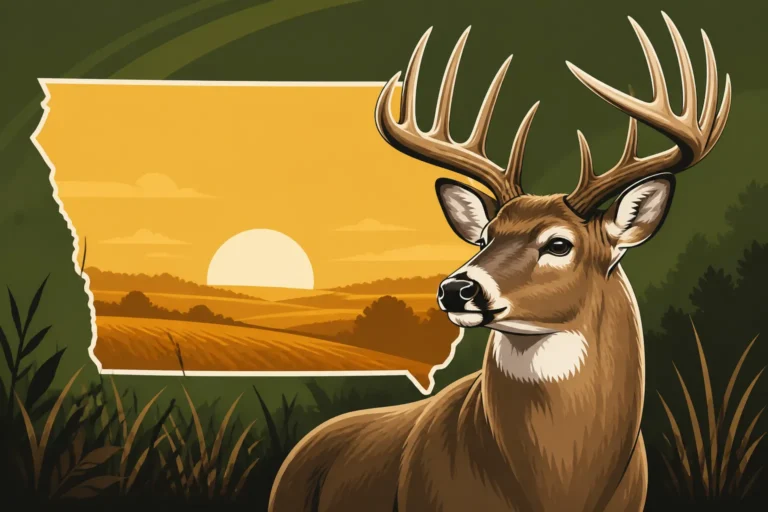
For any hunter who’s ever dreamed of an encounter with a truly colossal whitetail, the question often boils down to: where do these giants live? Iowa consistently sits at the top of that list, producing an astonishing number of record-book bucks. This guide will peel back the curtain on why Iowa is such a powerhouse for Boone and Crockett entries, what it truly means to earn a spot in those hallowed books, and how these impressive numbers reflect the state's unique hunting landscape.
Iowa's Reputation as a Whitetail Mecca: Why the Hawkeye State Stands Out
Iowa, for many serious whitetail hunters, is almost mythical. It's the promised land where dreams of giant antlers often become reality. This reputation isn't just hearsay; it's built on decades of consistent production of world-class deer, many of which find their way into the Boone and Crockett record books. But what makes this relatively small, agrarian state such a consistent producer of trophy whitetails? It's a fascinating blend of natural advantages and careful management.
The Perfect Storm of Genetics, Nutrition, and Age
You see, it all starts with the basics: what deer need to thrive. And Iowa provides it in spades. First, the genetics are undeniably strong. While specific genetic studies are complex, the consistent presence of large-antlered deer suggests a robust genetic pool capable of expressing impressive antler growth. These aren't just any deer; they're descendants of survivors and thrivers in a land of plenty.
Then there's the nutrition, which is arguably the biggest factor. Iowa sits squarely in the heart of prime agricultural land, dominated by corn and soybeans. Deer don't just survive on these crops; they absolutely flourish. The protein, carbohydrates, and minerals locked within these abundant fields provide an unparalleled diet, especially during the crucial antler growing months of spring and summer. Imagine a deer having access to an all-you-can-eat buffet of high-energy, nutrient-dense food almost year-round. That's essentially what Iowa offers. This constant, rich food source contributes directly to "Soil Fertility and Antler Growth" and ensures bucks have everything they need to maximize their antler potential.
Finally, and crucially, bucks in Iowa are allowed to reach maturity. Many states experience heavy pressure on younger bucks, but Iowa's hunting structure, combined with a strong ethic among many hunters, often means bucks can live longer. An older buck, especially one on a stellar diet, simply has more years to grow larger antlers. This focus on allowing bucks to mature to 4.5, 5.5, or even 6.5 years old is paramount to why Iowa produces such giants. It’s a delicate balance that plays out across the landscape, giving deer the chance to fully express their genetic potential. This also ties into the overall "Buck Age Structure in Iowa", which favors older, larger animals.
How Hunter Ethos Contributes to Trophy Potential
It’s not just about the deer themselves; it's also about the people pursuing them. Iowa has cultivated a strong "quality over quantity" hunting culture, particularly among serious whitetail enthusiasts. While not every hunter adheres to this, a significant portion understands that passing on younger bucks contributes to the overall health and trophy potential of the herd. This mindset, combined with regulations that can limit opportunities, especially for nonresidents, creates an environment where more bucks live to see another year.
The demand for Iowa deer tags, particularly for nonresidents, is incredibly high. This often means a hunter invests significant time and money to earn the privilege to hunt here, fostering a deeper respect for the animal and the opportunity. Many hunters coming to Iowa are specifically targeting mature animals, further reinforcing the idea of letting younger deer walk. You can learn more about how this system works in our guide on the "Iowa Nonresident Deer Draw Explained" and by understanding "Iowa Preference Points and How They Work". This intentional approach to herd management, driven by both regulation and hunter choice, directly contributes to those impressive Boone and Crockett entry counts.
Understanding Boone and Crockett: What Counts as a Record?
When we talk about "record book" deer, we're usually referring to entries into the Boone and Crockett Club's prestigious archives. This isn't just a list of big deer; it's a historical record of North American big game animals taken under fair chase conditions. Understanding what makes a deer "B&C worthy" helps appreciate Iowa's incredible contribution.
The Basics of Official Scoring and Entry Requirements
The Boone and Crockett Club has a meticulous scoring system designed to measure the dimensions of antlers, emphasizing symmetry and mass for typical racks, and unique points for non-typical racks. It’s a highly standardized process, ensuring consistency across all entries.
- Typical Racks: These are scored based on the symmetry of the antlers. Main beams, points, and circumferences are measured, and any deductions for asymmetry are subtracted from the gross score to arrive at a net score. The goal is a perfect, symmetrical rack. The minimum entry score for a typical whitetail to make the B&C All-Time Records is generally 170 net inches.
- Non-Typical Racks: These racks celebrate unique and unusual antler growth. While symmetry is still part of the initial scoring, extra points, drop tines, and other abnormalities are added to the score, rather than deducted. The minimum entry score for a non-typical whitetail is typically 195 net inches.
It's a complex system, and many hunters are fascinated by the nuances of "Scoring a Whitetail Rack" and the differences between "Typical Versus Non-Typical Racks". The process involves multiple measurements, often taken by a certified scorer after a mandatory 60-day drying period to account for antler shrinkage. This dedication to precision ensures that only truly exceptional animals make the cut.
Iowa's Place in the Record Books: A Historical Perspective
Iowa has consistently ranked as one of the top states, if not the top state, for producing Boone and Crockett whitetails. Year after year, the Hawkeye State contributes a disproportionately high number of entries compared to its size and geographic footprint. This isn't a new phenomenon; Iowa has been a consistent producer for decades, carving out its reputation long before the advent of widespread trail cameras and e-scouting tools like GoHunt.
The sheer volume of entries speaks volumes about the quality of the deer herd. It's not just a few outlier bucks every now and then; it's a steady stream of truly magnificent animals. This historical consistency solidifies Iowa's status as a premier destination for trophy whitetail hunting. When you look at the all-time records, Iowa is always prominently featured, often dominating categories. This track record is a testament to the confluence of rich habitat, strong genetics, and sound deer management practices that emphasize a healthy herd.
The Numbers Game: Delving into Iowa's B&C Entry Count
When discussing Boone and Crockett entries from Iowa, it’s about more than just a few famous bucks. It's the overall volume and consistent quality that really set the state apart. Hunters often wonder just how many of these giants Iowa produces, and what factors might influence those numbers.
The Sheer Volume of Iowa's Trophy Whitetails
Iowa has amassed an astounding number of Boone and Crockett entries over the years. Without citing exact, real-time figures, it's safe to say that Iowa consistently ranks at or near the top of states for both typical and non-typical whitetail entries. The cumulative count is a powerful indicator of the state's incredible deer herd.
Consider this: for a state with a relatively smaller land area compared to some of the larger western states known for big game, Iowa's contribution to the B&C record books is disproportionately high. This isn't just about the "average" buck, though Iowa has plenty of healthy, average-sized deer. This volume of B&C entries highlights a significant percentage of the population reaching truly exceptional antler growth. This kind of consistent production is something that many other states strive for, but few achieve with Iowa's regularity. It's a key aspect of "Iowa Whitetail Deer and Why They Score So High".
To get a sense of the impact, here's a simplified look at what B&C categories represent:
| Category | Minimum Net Score (All-Time) | Key Characteristic | Iowa's Contribution |
|---|---|---|---|
| Typical Whitetail | 170 inches | Symmetrical antlers with minimal abnormal points | Historically strong, many top entries |
| Non-Typical Whitetail | 195 inches | Unique, asymmetrical growth with numerous abnormal points | Also historically strong, producing massive racks |
This table illustrates the high bar these animals must clear, and Iowa’s ability to consistently provide so many deer that meet these demanding "Boone and Crockett Minimums for Whitetail" is truly remarkable. Hunters often spend a lifetime chasing just one of these animals, and Iowa provides opportunities to find them with a frequency unmatched by most.
Factors Influencing Year-to-Year Entry Fluctuations
While Iowa’s overall B&C entry count is impressive, the number of entries can fluctuate from year to year. Several factors contribute to these shifts, offering a complex interplay between nature, management, and hunter success.
- Weather Patterns: Severe winters can impact herd health, particularly for younger deer and those entering the antler-growing season. Conversely, mild winters and ideal growing conditions can lead to healthier deer and better antler development, potentially increasing the number of record-book animals. Drought conditions, on the other hand, can reduce forage quality and water availability, potentially stunting antler growth in some areas.
- Harvest Pressure and Regulations: The number of tags available, particularly for antlerless deer, plays a role in managing herd density and health. While Iowa strives for a balanced approach, changes in tag allocations or hunting pressure in specific zones can influence the number of mature bucks that survive to express their full potential. "Iowa Deer Herd Management and Harvest" is a continuous process designed to keep the herd robust.
- Disease Outbreaks: Unfortunately, diseases like EHD (Epizootic Hemorrhagic Disease) can significantly reduce deer populations in localized areas, particularly during hot, dry summers. While the herd is resilient, a major outbreak can reduce the number of older-age-class bucks in certain regions, which can then impact B&C entries a few years down the line. Similarly, the presence and management of Chronic Wasting Disease (CWD) also factor into the overall health and population dynamics, even if its direct impact on B&C counts might be slower to manifest.
Despite these potential fluctuations, Iowa’s underlying strengths—its prime habitat and established management philosophies—tend to ensure a consistent output of trophy-class deer over the long term. These year-to-year changes are more like ripples on a very deep, productive pond.
Chasing Your Own Iowa Trophy: Practical Considerations
The thought of hunting a Boone and Crockett class animal in Iowa is incredibly exciting, but it’s also a pursuit that requires significant planning, patience, and realistic expectations. It’s not just about showing up; it’s about understanding the commitment involved.
Researching High-Potential Areas and Public Lands
If you're dreaming of an Iowa giant, your journey starts long before you ever set foot in the timber. Research is absolutely paramount. You'll want to dig into which counties consistently produce high-scoring deer. While big bucks can pop up anywhere, some regions, particularly those with a blend of dense timber and agricultural fields, tend to be more prolific.
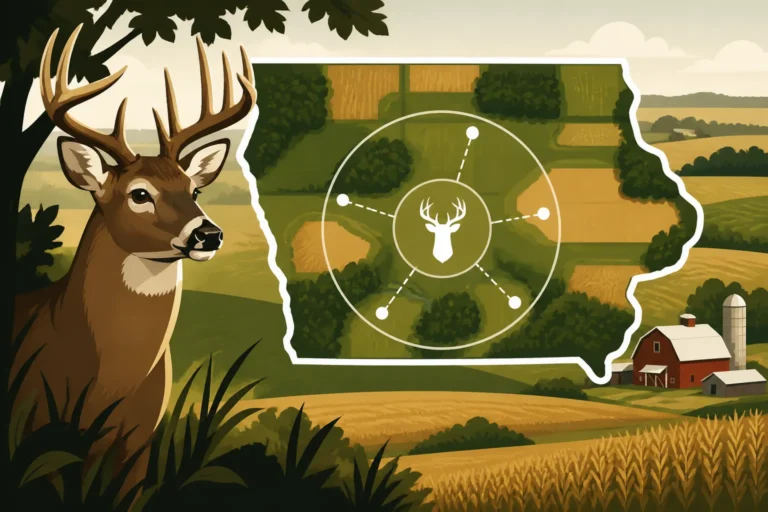
Utilizing modern scouting tools is key. Platforms like GoHunt offer detailed maps and data that can help you pinpoint potential hotspots, analyze habitat, and understand land ownership. This is critical, especially when looking at "Public Land Deer Hunting in Iowa". Combine this with the Iowa DNR's own mapping resources and harvest reports. Look for areas with diverse cover, including dense bedding thickets and accessible food sources. Our guide on "Scouting Iowa Timber and River Bottoms" offers excellent insights into what to look for, and for those who like to do their homework from the couch, "E-Scouting Iowa Farm Country From Home" is a must-read. Remember, finding these areas often means looking at aerial imagery for creek bottoms, timber fingers, and CRP fields that provide sanctuary for mature bucks.
The Role of Patience and Persistence in Drawing a Tag
For non-resident hunters, drawing an Iowa deer tag is an endeavor that tests patience. It’s not a guarantee, and it often requires building up preference points over several years. This isn't a state where you can just decide to hunt next season and expect to be successful in the draw, especially if you're aiming for one of the highly coveted "any-deer" tags in the prime zones.
Understanding the application process, the cost of preference points, and the draw odds for specific zones is vital. Each year, thousands of hunters vie for a limited number of non-resident tags, which means you might need to commit to a multi-year strategy. For many, this is part of the appeal: the journey to acquire an Iowa tag becomes as much a part of the hunt as the actual time spent in the stand. This long-term approach aligns perfectly with the goal of hunting a mature, record-book animal, as it forces a deeper appreciation for the opportunity when it finally arises. It’s a testament to the quality of the hunting experience that so many hunters are willing to put in the time and effort to eventually get an Iowa tag.
Disclaimer
This article is for general informational purposes only and does not constitute professional advice. Laws, prices and regulations vary by location and change over time. Consult a qualified professional for guidance on your specific situation.