Iowa Public Land Pheasant Ground
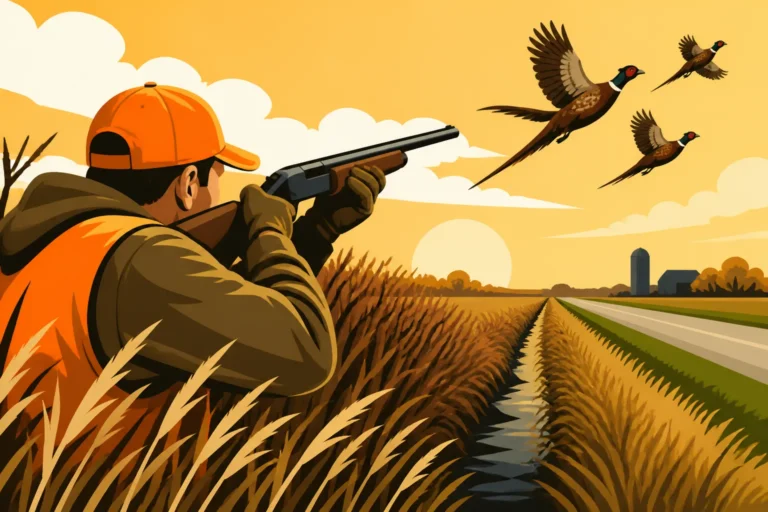
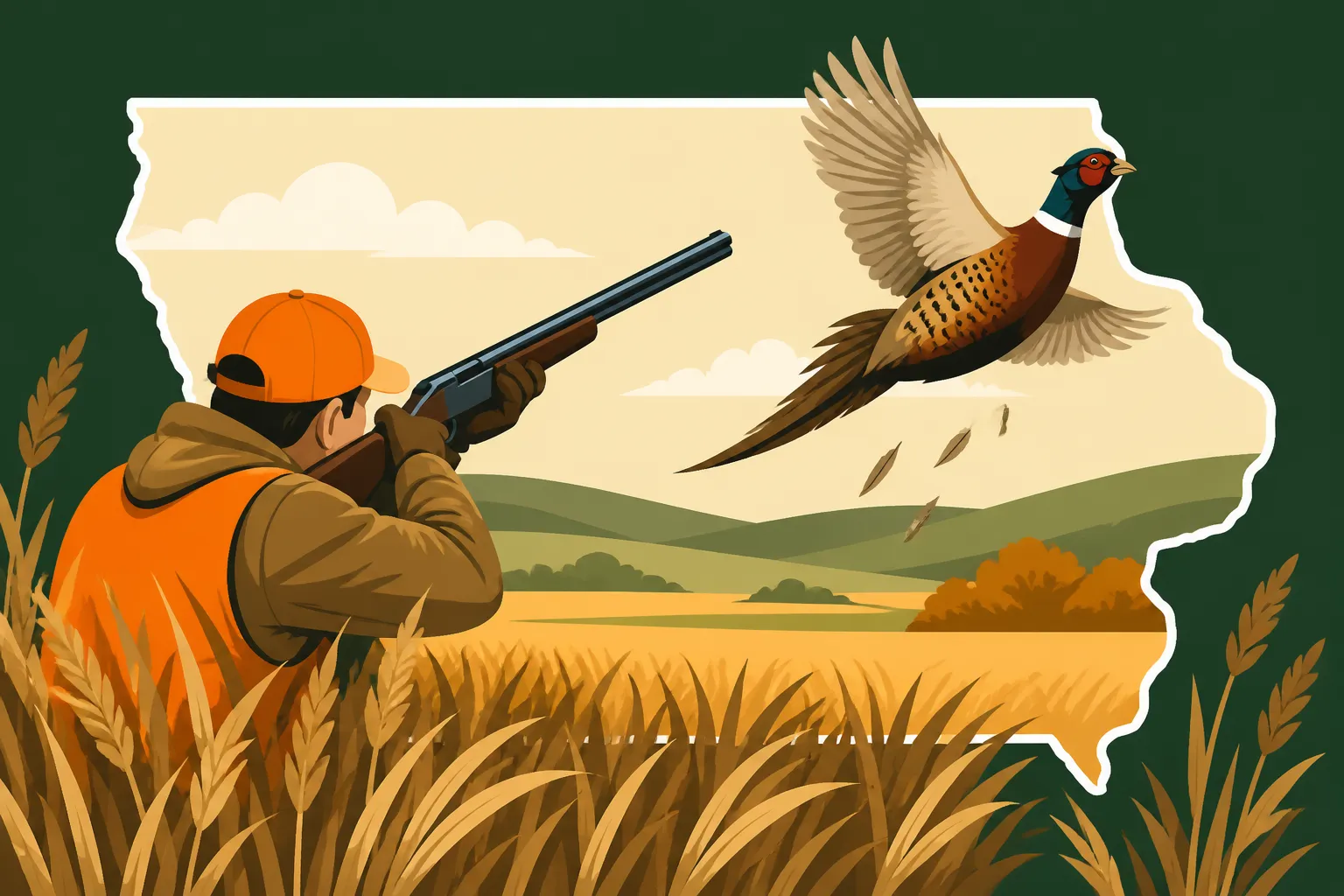
Finding good pheasant hunting ground in Iowa, especially when you're limited to public land, can feel like trying to find a needle in a haystack of cornfields and soybean stubble. It’s a common frustration for many upland hunters, especially those who don't have access to private property or who are new to hunting in the Hawkeye State. This guide is here to walk you through exactly where to look for public pheasant hunting opportunities in Iowa, how to approach these areas, and what to expect when you get there, so you can increase your chances of finding those elusive roosters.
Understanding Iowa's Pheasant Habitat Needs
Before you can even begin to think about finding pheasants, you really need to understand what makes a pheasant happy in terms of habitat. Iowa might be known for its vast agricultural fields, but pheasants thrive in specific niches within that landscape. Knowing what to look for will save you countless hours of walking through unproductive cover.
The Ideal Pheasant Environment in Iowa
Think about what a pheasant needs to survive: food, water, and most importantly, cover for nesting, roosting, and escape from predators and harsh weather. In Iowa, this often translates to a mosaic of different habitats. You're looking for areas that aren't just one big field of grass, but rather a mix. Tall, dense grassy cover is crucial for nesting hens in spring and for holding birds during the day, particularly if it's thick enough to make walking through it a challenge. Nearby food sources, like waste grain in picked corn or soybean fields, are a huge draw, especially as the season progresses and temperatures drop. Water isn't usually a limiting factor in Iowa, but dense woody cover, like shrub rows or small timber patches, offers critical thermal protection from bitter winter winds and deep snow, as well as escape routes from avian predators.
Impact of Agriculture on Pheasant Habitat
Iowa’s landscape is heavily influenced by agriculture, and while corn and soybeans are king, they also present a mixed bag for pheasants. On one hand, harvested crop fields provide abundant food resources. Those waste grains are a lifeline for birds, especially in late fall and winter. On the other hand, the sheer scale of modern farming practices means much of the land is intensively tilled, reducing the permanent cover that pheasants need year-round. Monoculture farming, where vast expanses are dedicated to a single crop, limits diversity and often eliminates the hedgerows, fencerows, and small wetlands that used to dot the landscape. This makes the remaining patches of suitable habitat even more critical, concentrating birds into smaller areas.
The Role of CRP and Other Conservation Programs
This is where conservation programs like the Conservation Reserve Program (CRP) become absolute game-changers for pheasant hunters. CRP pays landowners to take environmentally sensitive land out of agricultural production and plant it with grasses, legumes, and other wildlife-friendly vegetation. These CRP fields are exactly the kind of tall, dense grass that pheasants love for nesting, brood-rearing, and escape cover. Other programs, often managed by the Iowa DNR or county conservation boards, focus on restoring wetlands, establishing food plots, or planting diverse native prairie species. These dedicated habitat efforts are usually where you'll find the best public land pheasant hunting. When you're scouting maps, look for areas explicitly labeled as wildlife habitat, grassland restoration, or similar designations, as these are strong indicators of good pheasant potential. You can also dig into information on CRP Grass and Where Bucks Bed as some of these areas overlap with deer hunting.
Where to Find Public Pheasant Ground in Iowa
Okay, so you know what pheasants like. Now, let's get down to where you can actually find them on public land in Iowa. It's not always easy, but with a bit of research and the right tools, you can pinpoint some prime areas.
Wildlife Management Areas (WMAs)
Iowa's Wildlife Management Areas are, without a doubt, your best bet for finding public pheasant hunting. These are tracts of land managed specifically by the Iowa Department of Natural Resources (DNR) for wildlife production and public recreation, including hunting. Many WMAs, especially in the central and northern parts of the state, are explicitly designed with upland birds in mind. They often feature large blocks of dense native prairie grasses, switchgrass, food plots, and wetland areas. When checking out WMAs, look for those with a good mix of cover types. Some larger WMAs can handle a lot of pressure, but others might offer a more secluded experience. Expect to share these areas with other hunters, especially on weekends and during the first few weeks of the season. Always check specific WMA regulations, as some may have unique rules regarding vehicle access, non-toxic shot requirements for certain zones, or even special draw hunts.
Iowa's Habitat and Access Program (IHAP) Lands
The Iowa Habitat and Access Program (IHAP) is another fantastic resource for public land pheasant hunting. This innovative program works with private landowners to open their property to public hunting access. You'll recognize IHAP lands by the distinctive yellow "Walk-In Access" signs. These lands can be incredibly diverse, ranging from CRP fields and old pasture to timber edges and wetland fringes. What makes IHAP so valuable is that it often provides access to smaller, more fragmented habitat parcels that connect to private agricultural ground, which pheasants frequently use. Because IHAP tracts are often smaller and more spread out than WMAs, they can sometimes see less hunting pressure, especially if you're willing to walk a bit further from the parking area. Tools like onX Hunt are incredibly useful for identifying IHAP boundaries and understanding the surrounding landscape. You can also review Iowa IHAP Acres and Counties to get a better sense of where these opportunities exist.
County Conservation Board Areas and Other Public Lands
Don't overlook areas managed by your local County Conservation Boards (CCBs). Many counties across Iowa manage parks, natural areas, and wildlife preserves that are open to public hunting. The key here is that regulations can vary significantly from county to county, and even from one CCB area to another within the same county. Some CCB lands may have extensive grassland habitat perfect for pheasants, while others might be primarily timber or passive recreation areas where hunting isn't allowed or isn't suitable for upland birds. It’s crucial to check the specific county’s website or call their office to confirm hunting regulations and permissible game species before you go. Additionally, there are other types of public lands, like U.S. Army Corps of Engineers properties around major reservoirs (Coralville, Red Rock, Saylorville) or even some federal Waterfowl Production Areas that may offer upland hunting, but these typically require diligent research into their specific rules.
Here's a quick comparison of common public land types for pheasants in Iowa:
| Public Land Type | Primary Manager | Typical Habitat | Hunting Pressure | Key Feature |
|---|---|---|---|---|
| Wildlife Management Areas | Iowa DNR | Grassland, Food Plots, Wetlands | Moderate to High | Managed specifically for wildlife and hunting |
| IHAP Walk-In Access | Iowa DNR / Private Landowners | Varied (CRP, pasture, timber edge) | Variable (can be lower) | Access to private land, often smaller tracts |
| County Conservation Areas | County CCB | Varied (parks, natural areas, some grasslands) | Low to Moderate | Rules vary widely by county and area |
| Corps of Engineers Land | Federal (USACE) | Reservoir fringes, timber, some grassland | Low to Moderate | Often focused on waterfowl, but can have upland |
Strategies for Hunting Public Land Pheasants Effectively
Once you've identified some promising public land, the real work begins. Hunting public land pheasants successfully in Iowa is rarely about luck; it's about preparation, smart hunting, and adapting to conditions.
Scouting and Pre-Hunt Preparation
Effective scouting is your secret weapon. Before you ever step foot in the field with a shotgun, spend time studying maps. Digital mapping apps like onX Hunt are invaluable for this. Look for large blocks of dense cover, especially those adjacent to crop fields (corn and beans are pheasant magnets). Identify pinch points, drainages, or old fence lines within the cover that might funnel birds. Use the satellite imagery to spot subtle changes in vegetation height or density. You can also research Scouting Iowa Public Land Before the Opener to get more detailed pre-hunt strategies.
Beyond digital scouting, if possible, drive by the areas you're interested in. Look for access points, parking, and visible signs of recent activity – both pheasant sign (tracks, droppings, roosting areas) and other hunters. Sometimes a quick walk-through of an access trail can reveal a lot about how thick the cover truly is and how many other hunters might have been there. Pay attention to how the land lays, noting any ditches, creek bottoms, or brushy draws that might provide additional cover.
Hunting Techniques for Different Cover Types
Hunting pheasants is all about systematically working cover. If you have a dog, let them do their job, but you still need to direct them through the most likely holding spots. Without a dog, you need to be even more strategic.
- Tall Grass/CRP Fields: These are often where pheasants will hold tight. Walk slowly and deliberately, pausing frequently. Roosters will often flush within a few yards, but sometimes they'll run far ahead. If you're hunting with a group, spread out in a line, maintaining safe shooting lanes. Blocking and driving is a classic tactic for these fields. Have a few blockers positioned at the end of the field or along an escape route, while walkers push the birds towards them. This can be very effective for flushing runners. For more on this, check out Blocking and Driving Iowa Grass Strips.
- Fencerows and Ditch Banks: These linear pieces of cover can be goldmines, especially later in the season when birds are pressured. Walk them slowly, staying alert. Birds will often flush wildly from these narrow strips. If there's a wider ditch, one person can walk each side, keeping an eye on the middle.
- Food Plots and Field Edges: These areas provide both food and cover. Walk the edges carefully, as birds might be feeding or simply using the edge as a travel corridor. A field of standing corn, if accessible, can be incredible late-season cover, but it's also incredibly difficult to hunt effectively. You really need a good dog and a well-coordinated group for Standing Corn and Bean Field Deer Patterns, which can hold pheasants too.
- Woody Cover/Brush Piles: Don't ignore these! Especially in colder weather or when hunting pressure is high, pheasants will dive into thick multiflora rose, osage orange hedges, or brush piles for thermal cover. These areas are tough to penetrate, and shots will be close and fast. Be ready.
Managing Hunting Pressure and Other Hunters
Public land means you're going to encounter other hunters. This isn't a bad thing, but it's something to be aware of and manage.
- Timing is Everything: Weekdays are almost always less crowded than weekends. Early mornings, especially right at legal shooting light, can offer a brief window before more people show up. Conversely, late afternoons can also be productive as birds move back to roosting cover.
- Walk Further: Many hunters don't want to walk too far from their vehicle. If you're willing to put in the miles, you can often find unpressured pockets of birds. Use mapping apps like GoHunt or onX Hunt to identify remote corners of public tracts that are a longer walk in. These tools can also show you parking areas and access points that might be overlooked.
- Observe and Adapt: When you arrive at a public area, take a moment to observe. Are there a lot of vehicles in the parking lot? Can you hear other shots? If a particular area seems heavily pressured, consider moving to another spot on your list. Sometimes, simply waiting an hour or two can make a difference as other groups move on.
- Communication and Courtesy: If you encounter other hunters, a friendly wave or quick chat goes a long way. Discussing where each group plans to hunt can help avoid conflicts and ensure everyone has a safe and enjoyable experience. Respect other hunters' space and intentions.
Gear and Regulations for Public Land Pheasant Hunting
Having the right gear and understanding the rules are just as important as knowing where to go and how to hunt. Safety and legality are paramount when you're out chasing roosters.
Essential Gear for Upland Hunters
You don't need the most expensive gear, but you do need functional and appropriate equipment.
- Shotgun: A 12 or 20 gauge is standard for pheasants. Make sure it's reliable and that you're comfortable shooting it. Practice shooting clays before the season to knock off the rust.
- Ammunition: Lead shot is generally permissible for pheasants in Iowa, but always double-check regulations for specific public areas, as some may require non-toxic shot, especially if you're hunting near wetlands. Shotshells in sizes 4, 5, or 6 are common choices for pheasants, offering a good balance of pattern density and knockdown power.
- Blaze Orange: This isn't just a suggestion; it's a critical safety requirement in Iowa during certain seasons and on certain public lands. Ensure you have a visible amount of blaze orange on your outer clothing – typically a hat and vest are sufficient. This helps you stand out to other hunters.
- Boots: Invest in comfortable, waterproof boots with good ankle support. You'll be doing a lot of walking through varied terrain, often wet or muddy. Rubber boots are a great choice for wet conditions, while sturdy leather boots work well in drier cover.
- Brush Pants/Chaps: Pheasant cover is often thick and thorny. Brush pants or chaps will save your legs from multiflora rose, thistles, and general abuse, making your hunt much more enjoyable.
- Game Vest/Bag: Essential for carrying harvested birds, extra shells, water, and snacks. Look for one that distributes weight comfortably.
- Dog (Optional but Recommended): A well-trained pheasant dog is arguably the most valuable piece of "gear" you can have. They find birds you'd never see, retrieve fallen birds, and simply make the hunt more productive and fun.
Key Iowa Pheasant Hunting Regulations
Always consult the current Iowa hunting regulations booklet before heading afield. These booklets are updated annually and are the definitive source for all rules. Here are some general points to be aware of:
- Season Dates: Pheasant season dates are set annually. Make sure you know when the season opens and closes.
- Shooting Hours: There are specific legal shooting hours for upland game. Typically, this starts later in the morning than deer hunting to allow birds to leave their roosts.
- Bag Limits: There are daily and possession limits for pheasants. Know these limits and stick to them.
- Licensing: You'll need a valid Iowa hunting license and a habitat fee stamp. If you're a nonresident, you'll need a nonresident hunting license.
- Rooster Only: Iowa pheasant hunting is "rooster only." You must positively identify a pheasant as a male (rooster) before shooting. Hens are protected.
- Carcass Tagging/Transport: While pheasants don't require the same tagging as deer, be aware of any rules regarding transporting birds, especially if you cross state lines.
Safety Considerations on Public Land
Safety should always be your top priority.
- Firearms Safety: Always follow the basic rules of firearm safety: treat every gun as loaded, never point the muzzle at anything you're unwilling to destroy, be sure of your target and what's beyond it, and keep your finger off the trigger until you're ready to shoot.
- Awareness of Other Hunters: Wear your blaze orange. Be mindful of where other hunting parties are, especially if you're using a blocking strategy. Communicate clearly with your own hunting partners.
- Obstacles and Terrain: Public land can have hidden holes, uneven ground, old fence wire, or thick brush that can lead to falls. Watch your footing, especially when swinging on a bird.
- Weather: Iowa weather can change rapidly in the fall and winter. Be prepared for cold, wind, rain, or snow. Dress in layers, carry extra water, and know the signs of hypothermia. Let someone know your hunting plan, including where you'll be and when you expect to return. This is especially important if you're hunting alone in remote areas. Consider reviewing Leaving a Trip Plan for a Public Hunt for more details.
By understanding the habitat, knowing where to find public access, employing smart hunting strategies, and adhering to all safety and regulatory guidelines, you'll be well on your way to a successful and enjoyable pheasant hunting experience on Iowa's public lands. It takes effort, but the reward of a hard-earned rooster from some of the nation's best pheasant country is truly something special.
Disclaimer
This article is for general informational purposes only and does not constitute professional advice. Laws, prices and regulations vary by location and change over time. Consult a qualified professional for guidance on your specific situation.