Iowa Quail Season Dates
It can be incredibly frustrating trying to pin down the exact dates for hunting seasons in Iowa, especially when you're planning a trip or just trying to squeeze in some time afield amidst a busy schedule. The small game regulations can sometimes feel like a maze, leaving you wondering if you've got the most up-to-date information. This comprehensive guide will walk you through everything you need to know about Iowa's quail season dates, helping you prepare confidently for a successful hunt.
Understanding Iowa's Quail Season Structure
When it comes to pursuing bobwhite quail in Iowa, knowing the exact season dates is paramount. Unlike some larger game seasons with complex zone structures or multiple segments, Iowa's quail season generally follows a straightforward pattern, though it’s always tied to the broader upland bird framework. This makes it a bit easier to track, but still requires attention to detail each year.
General Quail Season Dates
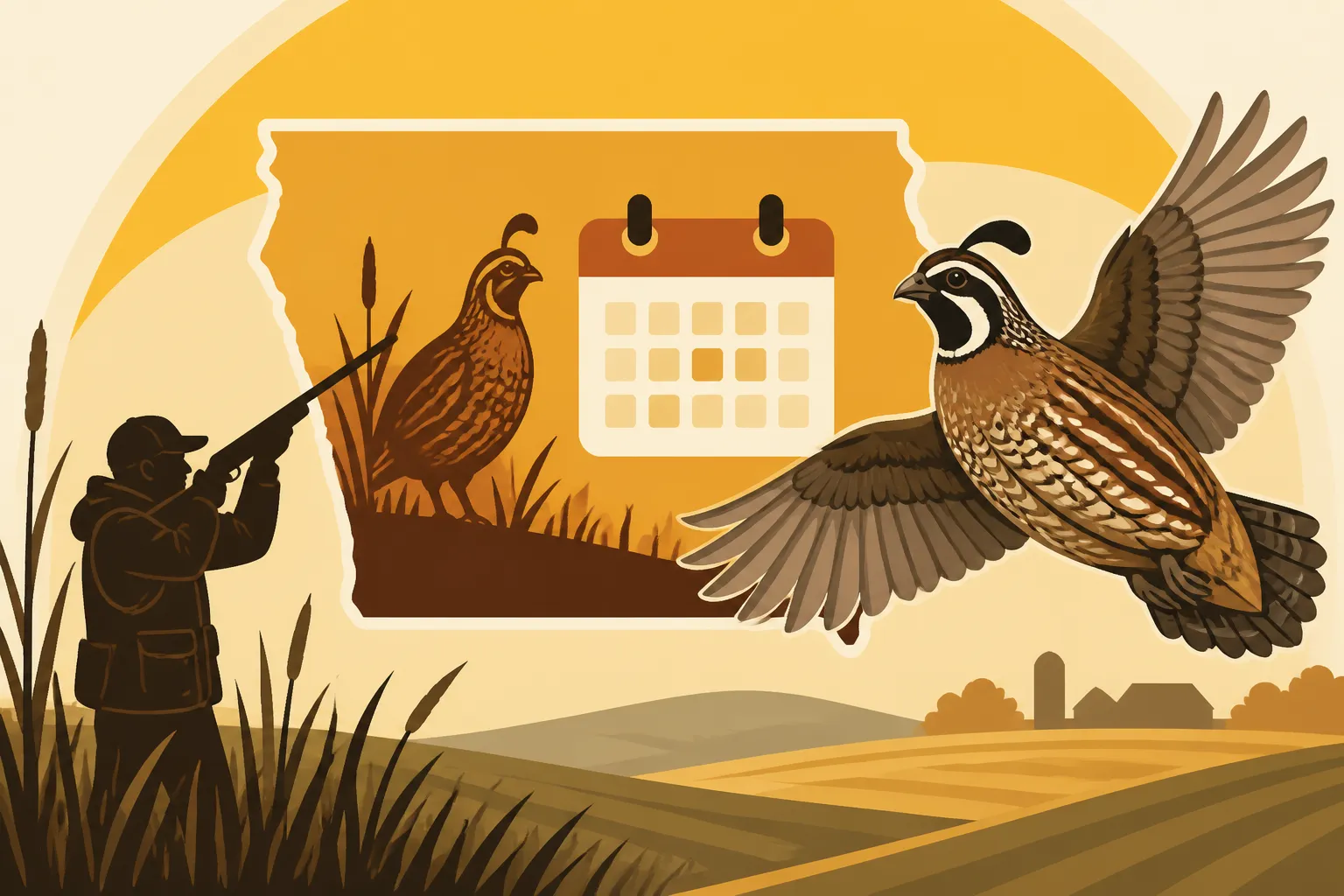
Iowa's general quail season typically opens in late October, often aligning with the opening of the pheasant season. This timing is intentional, allowing upland bird hunters to pursue both species simultaneously if they find themselves in mixed habitat. The season then runs continuously, usually through the end of January. For example, in recent years, the season has opened on the last Saturday of October and concluded on January 31st. This extended period provides ample opportunity to get out into the field, whether you prefer the crisp days of fall or the challenging, often snow-covered landscapes of late winter.
The rationale behind these dates considers several factors. Opening later in October allows for young birds to mature, providing a more robust population for hunters. It also ensures cooler weather, which is often more comfortable for hunters and dogs, and can concentrate birds as natural cover begins to thin out. The extended season through January acknowledges that quail, like many upland birds, can provide excellent hunting opportunities even after snowfall, especially around reliable food sources and thick cover. If you’re planning your bird hunts, remember that these dates are often part of the broader Iowa Upland Bird and Waterfowl Seasons calendar.
Youth Quail Season
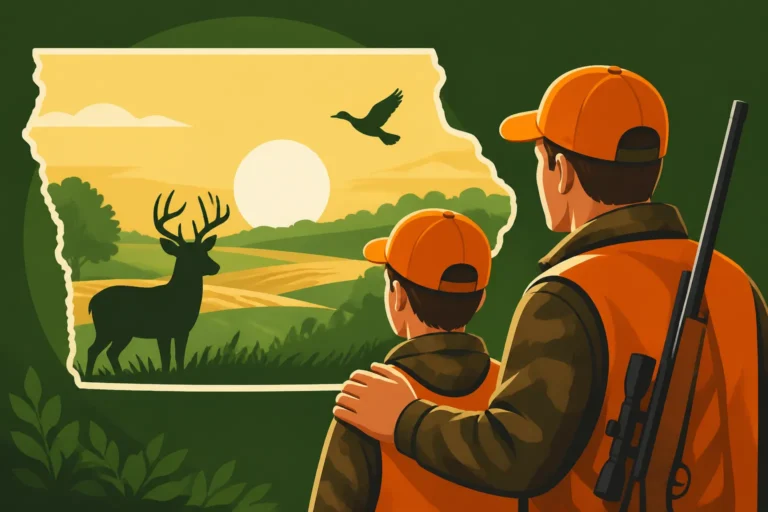
Iowa also offers a dedicated youth quail season, typically held a week or two before the general opener. This special season provides a fantastic opportunity for young hunters, usually 15 years old and younger, to experience the thrill of quail hunting in a less pressured environment. It’s designed to foster a love for hunting and conservation in the next generation, often under the guidance of an adult mentor. The dates for the youth season are typically just a few days long, usually a Saturday and Sunday, allowing families to dedicate a specific weekend to this unique experience.
During the youth season, all the regular rules regarding daily bag and possession limits still apply, but the focus is on education and providing a memorable first hunting experience. This is a brilliant way to introduce kids to the nuances of upland bird hunting, from walking cover to working with a dog, without the added competition of the general season. It’s a chance for them to learn about Iowa Hunter Education and Licensing Basics in a practical, hands-on way.
Daily Bag and Possession Limits
Understanding the bag and possession limits is crucial for ethical and legal hunting. For bobwhite quail in Iowa, the daily bag limit is generally 8 birds, and the possession limit is twice the daily bag, meaning 16 birds. These limits apply to both the general and youth seasons. A daily bag limit refers to the maximum number of birds you can harvest in one calendar day, regardless of how many times you go afield. The possession limit refers to the maximum number of birds you can have on your person, in your vehicle, or stored at home at any given time.
It’s important to remember that these limits are set to ensure the long-term health and sustainability of the quail population. Responsible hunters adhere strictly to these rules. Going over your limit, even accidentally, can lead to fines and loss of hunting privileges. Always count your birds carefully and know when you’ve reached your limit. This adherence is a fundamental part of responsible hunting, ensuring there will be plenty of Bobwhite Quail in Southern Iowa for future generations.
Key Factors Influencing Season Dates and Success
While the Iowa DNR sets the official quail season dates, there's a lot more that goes into it than just picking calendar days. Several dynamic factors play a significant role, both in how those dates are ultimately decided and, perhaps more importantly, in how successful your hunting efforts will be once the season opens. Understanding these influences can help you anticipate good seasons and plan your hunts more effectively.
Annual Proclamations and Regulatory Changes
The Iowa Department of Natural Resources (DNR) is the authority that officially sets and announces hunting season dates each year. These dates are finalized through an annual proclamation process, which involves biological surveys, public input, and legislative considerations. While the quail season dates tend to be fairly consistent year to year, it’s absolutely critical for hunters to consult the current year's official Iowa hunting regulations booklet before heading afield. You can usually find this comprehensive guide on the Iowa DNR website, often released in late summer or early fall.
Never rely solely on information from previous years or what you "think" the dates might be. Regulations can change due to shifts in wildlife populations, habitat conditions, or even public safety concerns. Missing an important update could lead to a violation, which is something no hunter wants. Many hunters, including myself, make it a point to check the Iowa Regulation Booklet Release Date annually, as soon as it's published. Online resources and mapping platforms like GoHunt often incorporate the latest regulations, but always cross-reference with the official DNR publication to be absolutely certain.
Weather Patterns and Quail Populations
The health of Iowa's bobwhite quail population is heavily influenced by weather, especially during crucial nesting and brood-rearing periods. A mild winter with good snow cover that insulates birds from extreme cold can set the stage for a strong breeding season. Conversely, a harsh winter with prolonged deep snow and ice can significantly reduce overwinter survival rates, leaving fewer birds to reproduce in the spring. Spring and summer weather are equally vital; a cool, wet spring can lead to poor nesting success, as eggs and young chicks are vulnerable to chilling and disease. Dry, warm summers, on the other hand, can create ideal conditions for chick survival and growth.
Understanding these annual weather patterns gives you a general idea of what to expect from the upcoming season. For example, if Iowa experienced an exceptionally tough winter followed by a cold, wet spring, biologists might forecast lower quail numbers, and your expectations for the hunting season should be adjusted accordingly. These population trends are closely monitored by the DNR and often discussed in their annual forecasts. This information is invaluable when considering where and when to focus your efforts. For deeper insights into bird numbers, research into Quail Numbers and CRP Acres can often provide a clearer picture.
Habitat Conditions and Their Role
Quail are habitat specialists. They thrive in areas with a mosaic of dense nesting cover (like CRP grass), shrubby escape cover (cedar thickets, multiflora rose, plum thickets), and accessible food sources (crop fields, weed seeds). The quality and quantity of this habitat directly impact local quail populations, and thus, your hunting success. Areas with extensive row crops but little diverse cover will hold fewer birds than farms that have implemented conservation practices like buffer strips, native prairie plantings, or brushy draws.
Before the season, pay attention to local land use changes. Has a prime piece of CRP ground been tilled under? Have brushy fence rows been cleared? These changes can significantly alter where quail will be found. Conversely, areas where landowners have actively improved habitat, perhaps through programs like the Conservation Reserve Program (CRP), often become hotspots for birds. When you're Finding Quail Coveys in Southern Iowa, you'll quickly realize that the best spots always come down to superior habitat. Utilizing tools like GoHunt can help you identify these habitat types from an aerial perspective, giving you a strategic advantage even before you step foot in the field.
Planning Your Iowa Quail Hunt Around Season Dates
Once you've got those season dates locked in, the real fun begins: planning your hunt. Quail hunting in Iowa isn't just about showing up with a shotgun; it's about strategic preparation and adaptation throughout the season. From the crisp days of the opener to the often-challenging depths of winter, each period offers a unique experience and demands a slightly different approach.
Pre-Season Scouting and Preparation
Effective quail hunting starts long before opening day. Pre-season scouting is absolutely critical for locating coveys and understanding their preferred habitat. Drive rural roads, especially in southern Iowa, looking for areas with good cover and food sources. Identify promising parcels of public land, like Walk-In Access (IHAP) areas, or seek permission on private ground. Pay attention to fence lines, brushy draws, timber edges, and corners of crop fields—these are all classic quail haunts. Look for old sign, like dusting bowls or feathers, though fresh sign is hard to find until birds start to move more openly in cooler weather.
During scouting, it's also a great time to ensure your hunting gear is ready. Clean your shotgun, check your dog's conditioning (if you hunt with one), and make sure you have appropriate blaze orange clothing. Mapping apps, including the robust features offered by GoHunt, can be indispensable during this phase. They allow you to mark potential covey locations, plan your walking routes to maximize coverage, and easily identify property boundaries, which is crucial for staying legal and respectful. This diligent preparation is key to Hunting Iowa Walk-In Ground Without Burning It Out and ensuring you have birds to pursue throughout the season.
Mid-Season Adjustments
As the season progresses, especially from mid-November through December, quail behavior can shift significantly due to hunting pressure and changing weather. Early-season birds might be found in more open cover, but after a few weeks of hunters and dogs, they often become much tighter-holding and retreat to thicker, more secure cover. This means you’ll need to adjust your strategy. Focus your efforts on dense plum thickets, multiflora rose patches, and heavy timber edges that offer more protection.
Weather also plays a huge role. A cold front or a fresh snowfall can make birds even harder to flush, but can also concentrate them in prime thermal cover. In these conditions, a slower, more methodical pace is often more effective. Don't be afraid to work the same small, brushy areas multiple times, or to circle back to a spot where you flushed birds earlier in the day. Understanding these mid-season shifts and adapting your tactics is what separates consistently successful hunters from those who struggle.
Late-Season Opportunities
Hunting bobwhite quail in January can be one of the most rewarding, yet challenging, experiences. By this point, birds have faced months of pressure, and the weather can be downright brutal. However, persistent hunters can find incredible success. Quail will be concentrated in the heaviest, most impenetrable cover they can find – thick brush, cedar thickets, and deep draws with ample thermal protection. Food sources become critical, so focus on areas adjacent to standing corn or unharvested bean fields, or natural food plots.
Snow cover can be a double-edged sword. While it makes walking tougher, it can also concentrate birds and reveal tracks, helping you pinpoint their locations. The real key to late-season quail hunting is often sheer determination and a willingness to bust through dense cover that many other hunters avoid. Bundle up, bring plenty of water for yourself and your dog, and mentally prepare for slower hunting but potentially higher rewards when you do flush a covey. This dedication is similar to what's needed when Working Pheasant Cover Without a Dog in tough late-season conditions.
Licensing and Permitting for Iowa Quail Hunters
Before you even think about stepping into a field with a shotgun for quail, you need to ensure you're properly licensed and permitted. Iowa has specific requirements for both residents and nonresidents, and failing to have the correct paperwork can quickly turn a fun day into a frustrating and expensive experience.
Required Licenses for Residents and Nonresidents
All hunters pursuing small game in Iowa, including quail, are required to possess a valid hunting license. For Iowa residents, this typically means a Resident Hunting License. You'll also need to purchase an Iowa Habitat Fee, which is a vital part of funding habitat conservation efforts across the state. In some cases, depending on age or specific situations, additional tags or endorsements might be necessary.
For nonresidents, the requirements are a bit more involved. Nonresident small game hunters must purchase a Nonresident Hunting License. Just like residents, nonresidents are also required to buy the Iowa Habitat Fee. There's good news for nonresidents targeting upland birds; unlike deer, there isn't a complex draw system or preference point accumulation needed for small game like quail. You can simply purchase the necessary licenses outright. The total cost of a nonresident small game license and habitat fee can vary slightly year to year, so always check the most current fees. If you're comparing costs, remember to factor in the Iowa Nonresident Small Game Licence Cost versus, say, a deer application fee.
Purchasing Licenses and Checking Status
The easiest and most convenient way to purchase your Iowa hunting licenses is online through the official Go Outdoors Iowa website. This portal allows you to select the appropriate licenses, pay securely, and often print your license immediately. You can also purchase licenses from authorized vendors across the state, such as bait shops, sporting goods stores, and some county recorder offices. Regardless of how you purchase it, always carry proof of your valid license while hunting.
Before you buy, it’s a good idea to create an account on Go Outdoors Iowa if you don’t already have one. This allows you to manage your licenses, track your hunting history, and easily check your current license status. Some advanced hunting apps, like GoHunt, can even help you manage your digital license copies or remind you when your licenses are about to expire, integrating seamlessly with your planning tools. Always double-check that your license is valid for the current hunting year and covers the specific game you intend to pursue.
Safety and Ethics During Iowa Quail Season
Hunting is an inherently safe activity when done correctly, but it demands constant vigilance and adherence to ethical standards. Quail hunting, especially in shared landscapes, comes with its own set of considerations that every hunter needs to be acutely aware of to ensure safety for themselves, their hunting partners, and the public.
Hunter Orange Requirements and Visibility
Safety should always be the top priority, and wearing hunter orange is a critical component of upland bird hunting in Iowa. During shotgun seasons for deer, and often during the regular pheasant and quail seasons, Iowa law requires hunters to wear an outer garment of blaze orange. This isn't just a suggestion; it's a legal requirement designed to make hunters highly visible to one another. The general rule is often a minimum of 400 square inches of solid blaze orange, including a blaze orange hat.
This rule is particularly important when hunting quail, especially if you're hunting with a group or in areas that might have other hunters. Quail hunting often involves walking through thick cover, and birds can flush unexpectedly, leading to quick movements and shot opportunities. Blaze orange ensures that you and your partners can always identify each other, preventing dangerous "point and shoot" scenarios. Never take a shot if you're not 100% certain of your target and what's beyond it. Wearing blaze orange is a simple, effective way to mitigate risk and is part of basic Iowa Hunter Education Age Requirement training.
Respecting Landowners and Property Lines
Iowa is predominantly private land, and much of the best quail habitat exists on farms. This makes respecting landowners and understanding property lines absolutely paramount. Always obtain explicit permission before hunting on private land. A simple knock on the door, a polite conversation, and leaving your contact information can go a long long way. Never assume permission. Even if you've hunted a property for years, reconfirming permission each season is a good practice.
When hunting near property lines, be acutely aware of where you are and where your shot is directed. It’s not uncommon for quail to flush and cross property boundaries. While laws vary, you generally cannot retrieve game from private land without permission, even if you lawfully shot it from public land or land you have permission to hunt. Always carry a mapping app like GoHunt on your phone that clearly delineates property lines. This tool is invaluable for staying legal, avoiding trespassing, and maintaining good relationships with landowners. A positive reputation among local landowners is often the best "access tool" you can have.
Iowa Quail Season at a Glance
For those quick checks and planning sessions, here's a summary of the typical Iowa quail season dates and regulations. Remember, always consult the current year's Iowa DNR regulations for official and up-to-date information.
| Season Type | Typical Opening Date | Typical Closing Date | Daily Bag Limit | Possession Limit | Required Licenses |
|---|---|---|---|---|---|
| Youth Quail Season | Early/Mid October (Sat/Sun) | Early/Mid October (Sun) | 8 birds | 16 birds | Resident Youth Hunting License, Habitat Fee |
| General Quail Season | Last Saturday of October | January 31st | 8 birds | 16 birds | Resident/Nonresident Hunting License, Habitat Fee |
This table provides a general overview, but details like specific dates for the youth season can shift annually, so keep that in mind!
Disclaimer
The information provided in this guide is for general informational purposes only and is not intended as legal advice. Hunting regulations in Iowa can change frequently. It is the hunter's sole responsibility to consult the official Iowa Department of Natural Resources (DNR) hunting regulations annually and abide by all state and federal laws. Always prioritize safety, ethics, and legal compliance in all hunting activities.