How to Apply for an Iowa Nonresident Deer Licence
Navigating the nonresident deer license application process in Iowa can feel like trying to solve a Rubik's Cube blindfolded, especially for those dreaming of that coveted Hawkeye State whitetail. The sheer competition and specific rules often leave hunters confused and frustrated, wondering if they're even filling out the form correctly, let alone improving their odds. This guide aims to demystify the entire procedure, offering a clear, step-by-step walkthrough to help you understand, apply, and strategically approach securing an Iowa nonresident deer license.
Understanding the Iowa Nonresident Deer Draw System
Iowa's deer hunting reputation precedes itself, and for good reason: the state consistently produces some of the biggest whitetails in the country. This fame, however, comes with a trade-off, especially for nonresidents. Unlike many states where you can simply buy an over-the-counter tag, Iowa operates on a highly competitive draw system for nonresidents. This means you’re not guaranteed a tag simply by applying; you’re entering a lottery, and your chances depend on various factors, including the number of applicants, the zone you choose, and a critical component: preference points. It's a system designed to manage the deer herd and ensure residents have ample opportunity, making nonresident access a prized commodity.
The Preference Point System Explained
The backbone of Iowa's nonresident deer draw is its preference point system. This system is designed to reward loyalty and persistence. For every year you apply for a nonresident deer license but are unsuccessful in drawing a tag, you accrue one preference point. These points then increase your odds in subsequent draws. Essentially, the more points you have, the higher your chances of drawing a tag in a future year. It’s not a guarantee, but it moves you up in the queue.
However, it's crucial to understand how these points function. When you apply, the system groups applicants by the number of preference points they hold. Those with the most points are drawn first, then those with the next highest, and so on, until the quota for a specific zone and season is filled. If there are more applicants with the same number of points than available tags, a random draw occurs within that point tier. Once you successfully draw an "any-deer" (antlered buck) tag, your preference points are reset to zero, and you start accumulating them again for future applications. You can also opt to purchase a preference point only during the application window, which is a common strategy for hunters who aren't ready to hunt a specific year but want to build points for the future. You can find more details about Iowa Preference Points and How They Work.
Nonresident Quotas and Draw Odds
Iowa strictly limits the number of nonresident deer tags issued each year through a set quota. This quota is divided among the various deer management zones and hunting seasons (archery, early muzzleloader, first shotgun, second shotgun, late muzzleloader). The total number of nonresident "any-deer" licenses is currently capped at 6,000 statewide. These 6,000 licenses are further broken down, with 35% allocated to archery hunters and 65% to all gun seasons combined. This means competition for certain seasons and zones can be incredibly intense.
Draw odds vary dramatically depending on the zone and season you choose, and critically, how many preference points you have. Popular zones, often those known for producing giant bucks, typically require more preference points to draw. Less popular zones, or those with higher quotas, might be drawn with fewer points. It's not uncommon for hunters to wait several years, accumulating 3-5 preference points or even more, before drawing an "any-deer" tag in a highly sought-after zone. Understanding these quotas and historical draw odds is paramount to making an informed decision about where and when to apply, potentially with tools like GoHunt, which compiles and analyzes this data for many states.
The Application Process: Step-by-Step
Applying for an Iowa nonresident deer license can seem daunting, but breaking it down into manageable steps makes it much clearer. The entire process is conducted online through the state’s official licensing platform. Being prepared with the right information and knowing the deadlines is key to a successful application. Missing a step or a crucial date could mean another year of waiting.
Creating Your Go Outdoors Iowa Account
Before you can even think about applying for a deer license, you'll need an active account on the Go Outdoors Iowa licensing system. This is the centralized hub for all your Iowa hunting and fishing licenses, permits, and applications. If you’ve never hunted or fished in Iowa, you’ll need to create a new profile. This usually involves providing personal details such as your full name, address, date of birth, and a valid email address. You’ll also be assigned a unique Iowa DNR customer ID number, which you should keep handy for future reference.
It's a good idea to do this well in advance of the application period, especially if it's your first time. Sometimes there are glitches or verification steps that can take a little extra time. Double-check all your information for accuracy, as any discrepancies could cause issues down the line with your application or license delivery. Having a verified account ready to go smooths out the entire application process when the window opens.
Navigating the Application Portal
Once your Go Outdoors Iowa account is established and accessible, you'll navigate to the hunting license application section. The Iowa Deer Application Dates in May and June are generally when the nonresident deer draw opens. The system is fairly intuitive, designed to guide you through the process, but paying close attention to each prompt is vital. You'll typically be asked to select the type of license you're applying for (e.g., nonresident deer), the specific season (archery, first shotgun, etc.), and your preferred deer management zone.
This is where your research comes into play. You'll need to know which zone and season you're targeting. The portal will then ask for payment information for the application fee, the base license, habitat fee, and the deer tag itself. Keep in mind that even if you don't draw, some fees (like the application fee and preference point fee if you opt to buy a point) are non-refundable. The system will clearly display the total cost before you finalize your submission. Make sure to review all your selections before confirming, as changes might not be possible after submission.
Key Dates and Deadlines You Can't Miss
Missing a deadline for the Iowa nonresident deer application is one of the most disheartening mistakes a hunter can make, as it means an automatic year of no hunting opportunity and no preference point earned. The application window is relatively short, typically spanning from early May through early June each year. For instance, the Iowa Nonresident Deer Application Deadline often falls around the first week of June.
It is absolutely critical to mark these dates on your calendar, set reminders, and apply well before the closing hour. The Iowa DNR website and their annual hunting regulations booklet are your definitive sources for precise dates. Don't rely on word-of-mouth or last year's calendar. Applications submitted outside this window will not be considered. Also, be aware of the date when Iowa Deer Draw Results are typically released, usually in late June or early July, so you know when to check your application status.
Choosing Your Zone and Season
One of the most strategic decisions a nonresident hunter makes is selecting the deer management zone and season for their application. This choice directly impacts your draw odds and ultimately, your hunting experience. Iowa offers diverse landscapes and varying deer densities across its zones, and each season presents unique challenges and opportunities.
Understanding Iowa's Deer Management Zones
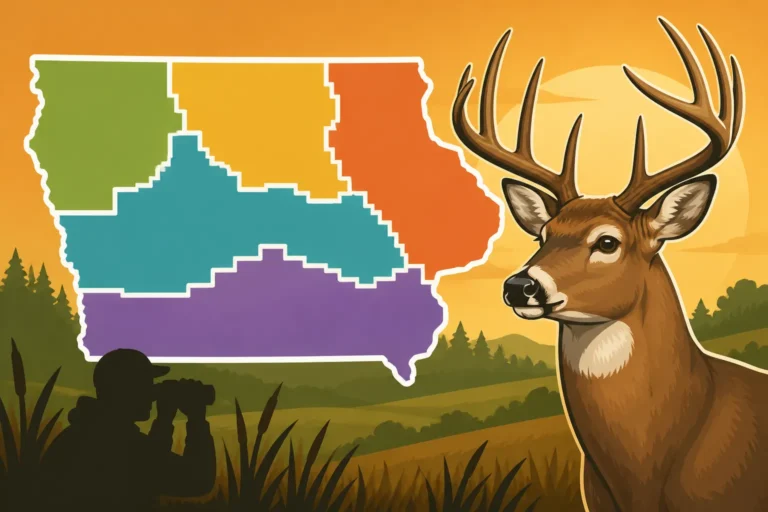
Iowa is divided into multiple deer management zones, each with its own specific nonresident quota and draw odds. These zones generally reflect different geographic regions and deer population densities. For example, some zones in southern Iowa, with their expansive timber and river bottoms, are highly sought after for their potential to produce trophy bucks. Other zones, perhaps in more agricultural areas or with less contiguous habitat, might have higher draw odds but potentially different hunting characteristics.
It’s imperative to thoroughly research each zone before applying. Consider factors like deer density, success rates, habitat types (e.g., Reading an Iowa Timber Draw for Deer Sign), and, most importantly, the historical draw odds for your desired season. Many hunters use resources that compile draw statistics, like those offered by GoHunt, to identify zones that align with their preference point totals and hunting goals. Are you looking for the best chance to draw, or are you willing to wait longer for a specific trophy area? Your answer to this question will largely dictate your zone choice.
Season Choices: Archery, Muzzleloader, Shotgun
Iowa offers several distinct deer hunting seasons for nonresidents, each with its own pros and cons:
-
Archery Season: This is a popular choice, running from October through early December, with a break for shotgun seasons, and then resuming in late December into early January. Archery offers the chance to hunt during the pre-rut, peak rut, and late season. However, the quota for nonresident archery tags is significantly smaller (35% of the total 6,000 any-deer tags), making it highly competitive, especially for the prime rut dates. Hunters often need more preference points to draw an archery tag. For those interested, diving into Bowhunting Iowa Deer From October to January offers deeper insights.
-
Early Muzzleloader Season: This short, highly coveted season typically runs in late October. It offers a chance to hunt before the peak of the rut and before the main gun seasons create widespread pressure. This season is also highly competitive and often requires a significant number of preference points to draw.
-
First Shotgun Season & Second Shotgun Season: These seasons, usually in early to mid-December, are the most popular and have the largest portion of the nonresident gun quota (65% split between all gun seasons). While they offer a good chance to draw with fewer preference points than archery or early muzzleloader, they also coincide with high hunting pressure and often colder, less predictable weather. Party hunting and deer drives are common tactics during these seasons, as explored in Iowa Shotgun Season Tactics for Party Hunting.
-
Late Muzzleloader Season: Running through late December and into January, this season is a late-season opportunity. While colder, it can be excellent for targeting deer focused on food sources. Draw odds can sometimes be better than the earlier gun seasons, as some hunters may pass on the colder weather.
Each season presents a unique hunting experience, so consider your preferred style of hunting, tolerance for cold, and how many preference points you have accumulated when making your selection.
Strategizing with Antlerless Tags
Beyond the coveted "any-deer" tag, Iowa also offers nonresident antlerless-only deer licenses. These tags are usually available over the counter or with very few preference points, often after the primary draw. While they don't allow you to harvest a buck, they are an excellent way to experience Iowa deer hunting, manage the herd, and put venison in the freezer.
Many nonresidents who haven't drawn an "any-deer" tag will purchase an antlerless tag to get familiar with the hunting areas, scout for future buck hunts, and still participate in the season. These tags are often zone-specific and become available at different times after the main draw results are posted. Sometimes, counties with higher antlerless quotas will have tags available later into the season. It’s a great way to get boots on the ground in Iowa and is often part of a larger strategy for hunters building points. Keep an eye on the Iowa DNR website for when these become available, as they can sell out in popular counties.
Costs Involved: Licenses, Tags, and Fees
Understanding the financial commitment is a crucial part of applying for an Iowa nonresident deer license. Iowa's tags and associated fees are among the higher-priced options for nonresident hunters, reflecting the quality of the hunting opportunity. It's important to budget accordingly and know what you're paying for, whether you draw a tag or not.
Base License and Habitat Fee Essentials
Every nonresident hunter in Iowa, regardless of the game they pursue, must first purchase a non-refundable nonresident hunting license and a habitat fee. These are prerequisite costs that you pay when you apply for your deer license, or if you simply purchase a preference point. As of recent seasons, the Iowa Nonresident Base Licence Price is typically around $144.00, and the habitat fee is approximately $15.00. These fees contribute to the overall management of Iowa's wildlife and their habitats, funding conservation efforts across the state.
It’s important to understand that these fees are generally paid upfront with your application and are non-refundable, even if you are unsuccessful in the draw. This means you’re investing in the opportunity to draw, and supporting Iowa’s conservation, whether you get a tag or not. These fees apply whether you're trying for a trophy buck or just looking to purchase an Iowa Preference Point.
Nonresident Deer Tag Costs
The actual cost of the nonresident deer tag itself is added on top of the base license and habitat fee. The Iowa Nonresident Deer Tag Price is typically around $350.00 to $400.00 for an "any-deer" license. This is a substantial cost, but it grants you the legal right to harvest a deer in your chosen zone and season if you are successful in the draw. When you apply, the full cost of the deer tag (plus base license and habitat fee) is usually authorized on your credit card. If you draw, the funds are collected.
When you're looking at the total cost of an Iowa deer hunt, it's not just the tag price but also travel, lodging, gear, and potentially processing fees. For many, the high cost is justified by the potential for a world-class whitetail experience. It's an investment, and understanding the total financial outlay helps in planning your multi-year strategy for drawing a tag.
| Item | Approximate Nonresident Cost (USD) | Notes |
|---|---|---|
| Preference Point Only | $60 | Non-refundable, accrues one point for future draws |
| Application Fee | $10 – $12 | Non-refundable, applies whether you draw or not |
| Nonresident Hunting License | $144 | Required for any hunting, non-refundable |
| Habitat Fee | $15 | Required for hunting, non-refundable |
| Any-Deer Tag | $350 – $400 | Only charged if successful in the draw, in addition to above fees |
| Total (if drawn) | $519 – $571+ | Includes all fees for a successful draw |
Note: These are approximate costs and can change annually. Always check the official Iowa DNR regulations for the most current pricing.
What Happens if You Don't Draw
If you apply for an "any-deer" tag and are unsuccessful in the draw, the system typically handles the payment in one of two ways. In most cases, if your credit card was authorized for the full amount, the authorization will simply expire, and the funds won't be collected for the deer tag itself. However, the non-refundable application fee, the base license, and the habitat fee will have already been processed and kept by the state.
Crucially, if you were unsuccessful, you will automatically be awarded one preference point for the next year's draw, provided you applied for an "any-deer" tag. This is the cornerstone of the system: even if you don't hunt, you're building towards a better chance in the future. It’s important to monitor your application status through your Go Outdoors Iowa account after the draw results are announced to confirm whether you drew a tag or received a preference point. For some, the strategy is to intentionally not draw for a few years, building up those points. You can also explicitly choose to buy a preference point without applying for a tag to guarantee a point gain without the risk of drawing and resetting your points before you're ready to hunt.
Maximizing Your Chances and Common Pitfalls
Applying for a nonresident Iowa deer license is more than just filling out a form; it's a strategic game of patience, research, and careful planning. To truly maximize your chances of eventually holding that coveted Iowa tag, you need to understand the nuances of the system and actively avoid common mistakes.
Researching Draw Odds with Tools like GoHunt
One of the best ways to improve your strategy for drawing an Iowa tag is through meticulous research into historical draw odds. While past performance is no guarantee of future results, it provides invaluable insight into how many preference points are typically needed for specific zones and seasons. This information helps you make an educated guess about when you might be successful.
Resources like GoHunt specialize in compiling and analyzing this type of data, offering subscribers detailed breakdowns of draw odds by zone, season, and point tier. They can help you understand How Many Points to Draw Iowa in various scenarios. Using such a tool allows you to:
- Identify Point Creep: See if the number of points required for a specific zone is increasing over time, which might mean a longer wait.
- Target "Sweet Spot" Zones: Find zones that might require fewer points but still offer quality hunting experiences.
- Plan Your Application Years: Develop a multi-year strategy, knowing roughly how many points you'll need before you have a realistic chance.
Don't go into the draw blind. Spend time understanding the numbers; it's one of the best investments you can make toward your Iowa hunting aspirations.
Avoiding Application Mistakes
Even with all the research in the world, simple application errors can derail your entire plan. These mistakes can range from minor annoyances to completely voiding your application. Here are some common pitfalls to watch out for:
- Incorrect Personal Information: Double-check your name, address, and date of birth in your Go Outdoors Iowa profile. Any mismatch could cause issues with your license or tag delivery.
- Applying for the Wrong Season/Zone: It sounds simple, but in the rush to apply, selecting the wrong season or zone happens. Carefully review your selections before confirming your application. Once submitted, changes are often difficult or impossible.
- Expired Credit Card Information: Ensure the credit card associated with your account or used for payment is valid and has sufficient funds or credit limit to cover the full potential cost of the tag and fees. If the payment authorization fails when the draw takes place, you will not be awarded a tag.
- Missing the Application Window: As mentioned, the application period is finite. Mark it on your calendar and apply early to avoid last-minute technical issues or forgetting altogether. The Iowa Nonresident Deer Application Deadline is firm.
- Applying for a Resident License: A nonresident accidentally applying for a resident license will have their application denied and may forfeit fees. Double-check your residency status during the application.
Taking a few extra minutes to review every detail before clicking "submit" can save you a year of disappointment and frustration.
When and How to Buy a Preference Point Only
Sometimes, the most strategic move isn't to apply for a tag at all, but simply to purchase a preference point. This option is ideal for hunters who:
- Aren't ready to hunt Iowa this year: Maybe life got in the way, or travel plans fell through, but you still want to keep building points for the future.
- Are strategically building points for a high-demand zone: If you know your target zone requires 4+ points and you currently only have 1 or 2, applying for a tag now might be premature, as drawing would reset your points. Purchasing a point only allows you to guarantee point accumulation without the risk of an early draw.
- Want to control their draw timing: By only buying a point, you can wait until you have a critical mass of points that virtually guarantees a draw in your desired zone and season.
To purchase a preference point only, you'll go through the Go Outdoors Iowa application portal during the same nonresident deer application window (May to June). Instead of selecting a specific zone and season for a tag, there will be an option to "Purchase Preference Point Only." You will still pay the preference point fee (around $60) and the non-refundable base license and habitat fees, but you won't be charged for the deer tag itself, and you won't risk drawing and resetting your points prematurely. This is a common and highly effective long-term strategy for many nonresidents hoping to eventually hunt Iowa.
Disclaimer
Please be aware that hunting regulations, season dates, and license fees in Iowa are subject to change. Always consult the official Iowa Department of Natural Resources (DNR) website and their most current hunting regulations booklet before planning your hunt or applying for any licenses or tags. This guide is for informational purposes only and does not supersede official state regulations.