Keeping a Bowstring Dry in Wet Timber
There's nothing quite like the crushing disappointment of a perfectly executed bowhunt being derailed by something as simple as a soggy bowstring. You've put in the time scouting, practiced countless hours, and made the long trek into your stand in a damp Iowa timber. Then, just as the big buck steps out, you realize your string is soaked, leading to an inconsistent shot or, worse, a damaged bow. This guide will walk you through practical, real-world strategies to keep your bowstring dry and performing optimally, no matter what unpredictable Iowa weather throws at you.
The Unseen Enemy: Why a Wet Bowstring Matters More Than You Think
Many bowhunters, especially those new to hunting in humid or rainy conditions, might underestimate the impact of moisture on their bowstring. It's not just about comfort; a wet string can significantly compromise your shot and even the longevity of your equipment. Iowa's varied climate, from humid early fall mornings to late-season freezes with melting snow, means your bowstring is constantly exposed to potential moisture.
Impact on Performance and Accuracy
When your bowstring gets wet, especially an uncoated or poorly waxed one, it absorbs moisture. This absorption can cause the individual strands of the string to swell and stretch, ever so slightly. That tiny change in length can throw off your peep sight alignment, alter your brace height, and ultimately, change your point of impact. Imagine practicing all summer with a perfectly tuned bow, only to have a rain shower subtly detune it right before your shot. That feeling of uncertainty, knowing your equipment isn't performing as expected, is a mental hurdle no hunter wants to face in the field.
Furthermore, water can act as a lubricant between the strands, reducing friction and potentially causing string creep or even a slight unraveling of serving in extreme cases. This isn't just a hypothetical scenario; many a hunter has experienced a mysterious "flier" arrow on a damp morning that couldn't be explained by form alone, only to realize their string had stretched just enough to throw things off. The consistent accuracy you demand from your bow depends on a consistent string, and moisture is the enemy of consistency.
Longevity of Your Bowstring and Bow Components
Beyond immediate accuracy, moisture is a long-term threat to your bow's health. Constant wetting and drying cycles can degrade bowstring materials over time, leading to premature fraying and weakening of the strands. While modern strings are incredibly durable, they're not invincible. A wet string that repeatedly dries out can become brittle, and wax can be washed away, leaving the fibers exposed to UV light and abrasion.
Think about the wear and tear on serving material, too. If the serving gets wet and then grit or dirt adheres to it, that abrasive mixture can accelerate wear on your cams and string grooves. Over time, this can lead to costly repairs or even the need for a full string and cable replacement sooner than anticipated. Protecting your string from moisture isn't just about making the shot; it's about extending the life of your entire setup.
Fortifying Your String: Pre-Hunt Preparation Against the Elements
The best defense is a good offense, and that certainly applies to keeping your bowstring dry. Proactive measures taken before you even step foot in the timber can make a world of difference when the weather decides to turn on you.
Regular Waxing and String Maintenance
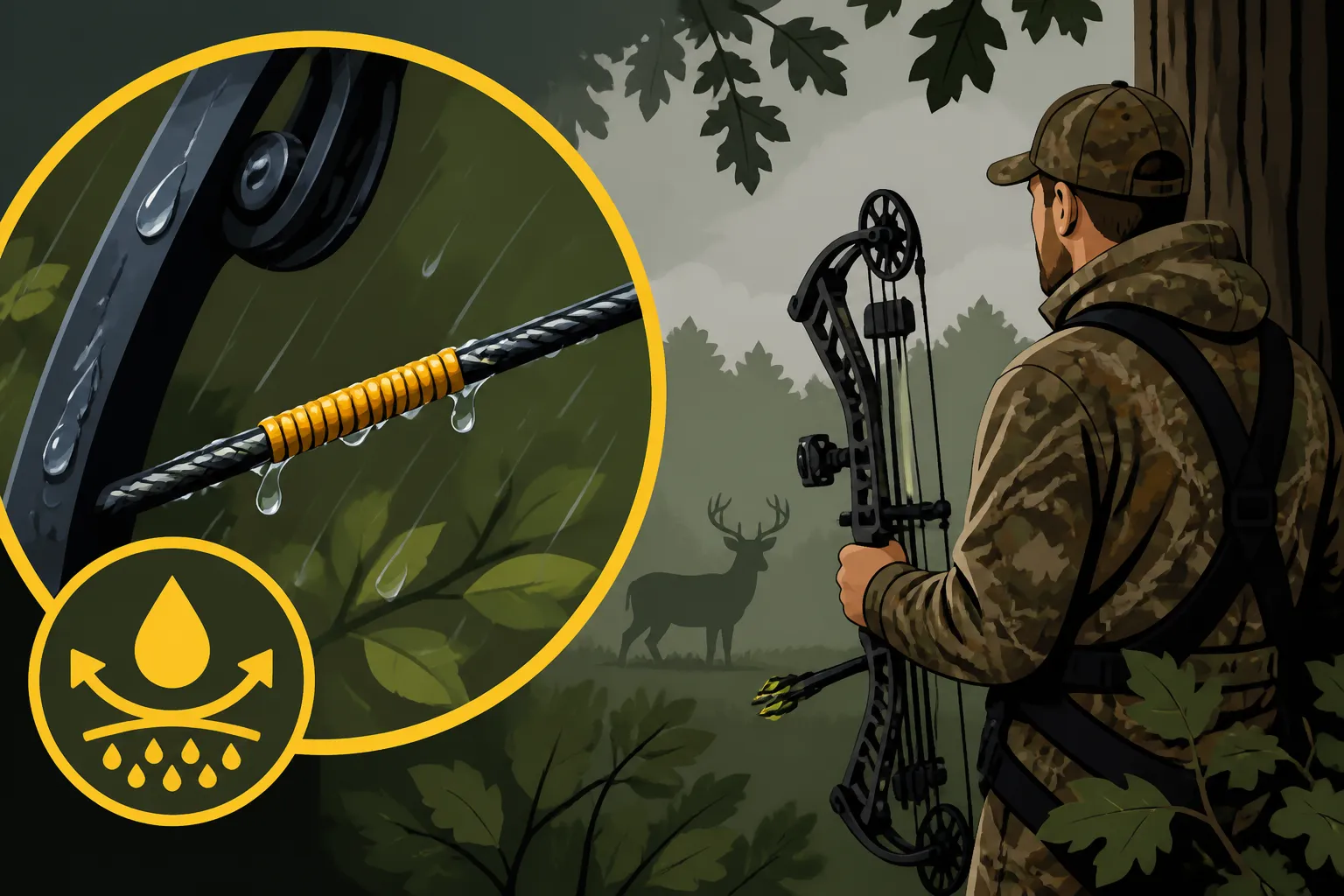
This is your first and most critical line of defense. A well-waxed bowstring is hydrophobic, meaning it repels water. When water beads up and rolls off rather than soaking in, you've won half the battle. You should be regularly waxing your bowstring anyway, typically every few weeks during the season or after every few hunting trips, especially if you shoot a lot. For hunting in wet conditions, make sure you apply a fresh, even coat of wax before heading out.
To wax your string, apply a small amount of bowstring wax along the length of the string and cables. Then, vigorously rub the wax in with your fingers until it melts and disappears into the fibers. The heat from your fingers helps the wax penetrate deeply. Don't forget the servings! While they don't absorb water in the same way, wax can help protect them from abrasion and keep them tight. This simple routine can prevent a lot of headaches down the line and extend your string's life. Consider checking out resources on Tuning a Bow Before Iowa's Opener for a comprehensive pre-season checklist.
String Sleeves and Protectors
For added protection, especially if you anticipate particularly nasty weather, consider a bowstring sleeve or specialized string protector. These are typically made from water-resistant materials and can be slipped over your string and cables when not in use or during transit. While you can't shoot with them on, they offer excellent protection from rain, snow, or heavy dew while your bow is stored in your vehicle, carried to the stand, or even left hanging in a blind overnight.
Some companies offer specific string and cable covers that wrap around the entire system. These are particularly useful for those long hikes into a secluded public land spot where you might be brushing through wet tall grass or undergrowth. A simple piece of soft, waterproof fabric secured with a few velcro straps can also serve this purpose effectively.
Choosing the Right String Material
While you might not change your string just for one hunt, understanding string materials can influence your choice when it's time for a replacement. Modern bowstrings are made from synthetic fibers like Dyneema (often branded as BCY materials). These materials are inherently quite resistant to water absorption, which is why they perform so well. However, some materials and manufacturing processes might offer slightly better water resistance than others.
When talking to your pro shop about a new string, you can inquire about materials specifically known for their weather resistance. While brand-new strings come pre-waxed, ensuring you maintain that wax barrier is still crucial, regardless of the high-tech fibers used. A good quality string, properly maintained, will always be your best bet against the elements. You might also want to learn about Compound Bow Draw Weight for Deer if you're considering different setups.
In the Field: Tactics for Staying Dry When the Weather Turns
No matter how well you prepare, Iowa's weather can be fickle. One minute it's clear, the next a pop-up shower rolls through. Having strategies for real-time string protection is essential for maintaining your confidence and your shot when you're already in the field.
Utilizing Bow Cases and Covers During Transit
The journey to your stand is often where your bow is most exposed to the elements before the hunt even begins. Whether you're driving through a downpour or walking through dew-soaked CRP grass, a good bow case is invaluable. A hard case offers the most protection, not just from impacts but also from moisture. Many hard cases are designed with watertight seals.
If you prefer a soft case for portability, look for one made from water-resistant or waterproof material. Even a simple rain cover designed for backpacks can be draped over your bow in a soft case or carried bare to the stand. This protects your string from rain, snow, and even mud thrown up by tires or boots. Remember, the less time your string is directly exposed, the better. Consider different Bow Cases for Truck and Plane options for your hunting trips.
On-Stand Protection: From Ground Blinds to Treestands
Once you're in your hunting position, how you manage your bow can significantly impact its dryness.
Ground Blind Advantages
If you're hunting from a ground blind, you've already got a huge leg up. A good quality blind offers excellent protection from rain and wind. Make sure your bow is positioned away from the windows, where rain can blow in, and consider hanging it rather than resting it on the damp ground. A small towel or piece of carpet on the floor can also help absorb moisture if the ground inside gets wet. If you're going to be in a blind for an extended period, especially in a chilly, damp late-season hunt, you might find some excellent advice in Hunting From a Blind Without Movement.
Even in a blind, it's wise to have a small, waterproof cover or even a trash bag handy to quickly drape over your bow if a heavy downpour starts. It takes seconds but can save your string from a thorough soaking.
Treestand Tactics
Treestands present more of a challenge. Here, your bow is fully exposed. If you anticipate rain, a small, waterproof bow cover designed for treestand use is a smart investment. These covers often have elastic edges or drawstrings that cinch around the cams, protecting the string and cables while leaving the grip accessible for quick deployment.
Alternatively, a simple plastic grocery bag or a small dry sack can be used in a pinch. Just make sure whatever you use can be quickly and silently removed when a deer approaches. When hanging your bow, try to position it under the thickest canopy you can find, even if it's just a few branches, to offer some initial drip protection. Avoiding direct contact with wet tree bark is also a good practice. For those who embrace the mobile approach, Mobile Saddle Hunting in Iowa offers insights into staying nimble while protecting your gear.
Quick-Dry Strategies During a Lull
Sometimes, despite your best efforts, your string gets damp. If you have a break in the weather, take advantage of it. Gently wipe down your string with a clean, dry cloth. Don't rub too aggressively, as this can generate heat and push dirt into the fibers. The goal is to remove surface moisture.
If you have a small amount of wax with you, you can reapply a light coat to areas that look particularly dry or exposed. Your fingers can again help work the wax in. This isn't a full waxing, but it can restore some of that critical water-repellency. Remember, every little bit helps in the fight against moisture, and GoHunt is a fantastic resource for checking detailed local weather forecasts, helping you anticipate those lulls and prepare accordingly.
| Protection Method | Pros | Cons | Best Use Case |
|---|---|---|---|
| Regular Waxing | Cost-effective, simple, consistent protection, extends string life | Requires consistent application, can be messy | Baseline protection for all conditions |
| Bow String Sleeves/Covers | Excellent protection during transport/storage | Must be removed before shooting, can be bulky | Hikes to stand, overnight storage, heavy rain before hunt |
| Waterproof Bow Case | Maximum protection from physical damage & moisture | Can be heavy/bulky, higher cost | Transport, long-term storage, extreme weather |
| Ground Blind | Offers full body and gear protection | Limits shot angles, requires setup | Stationary hunting in bad weather |
| On-Stand Bow Cover | Protects string while hunting, quick to deploy | Can snag, still leaves some parts exposed | Treestand hunting in light rain/drizzle |
| Dry Cloth Wipe-Down | Quick, immediate removal of surface moisture | No long-term protection, won't dry saturated string | Mid-hunt maintenance during brief lulls |
After the Hunt: Essential Care for a Wet String to Preserve Its Life
The hunt might be over, but your responsibility to your bowstring isn't. Proper post-hunt care, especially if your string got wet, is crucial for preventing long-term damage and ensuring it's ready for your next adventure.
Thorough Drying Procedures
If your bowstring got wet during the hunt, the first thing you need to do when you get home is dry it out properly. Don't just toss your bow in the corner of the garage and forget about it. Remove it from its case (especially if it's a damp case) and hang it in a well-ventilated area. Avoid direct heat sources like radiators or hair dryers, as extreme heat can actually damage string materials and cause wax to melt unevenly. Air drying at room temperature is ideal.
You can gently pat the string down with a clean, dry towel to remove excess surface water. If possible, let it hang for at least 24 hours to ensure all moisture has evaporated from deep within the fibers. A basement might not be the best place if it's naturally damp; a warmer, drier room in your house is preferable. This step is non-negotiable if you want to maintain string integrity.
Inspection and Re-Waxing
Once your string is completely dry, it's time for a thorough inspection. Look closely for any signs of fraying, loose serving, or discoloration. Pay particular attention to the areas around the cams and where your peep sight is tied in. If you see anything concerning, it's a good idea to take your bow to a reputable pro shop for a professional opinion. Ignoring small issues now can lead to bigger problems later.
After inspection, re-wax your entire string and cables. The moisture might have washed away some of the existing wax, and a fresh application will restore that protective barrier. This also gives you another chance to work the wax deeply into the fibers, providing maximum water repellency for your next outing. This proactive care ensures that whether you're stalking deer through Scouting Iowa Timber and River Bottoms or sitting patiently for Iowa Whitetail Hunting Tactics Through the Rut, your bow is always in top condition.
Storage Considerations
How you store your bow between hunts, particularly if it's been exposed to moisture, also plays a role. Always ensure your bow is dry before placing it back in a hard case for extended storage. If you're going to be hunting again in a day or two and the weather is good, hanging it openly might be fine. But for longer periods, a good quality hard case that's stored in a stable, temperate environment (not a damp shed or unheated garage) will best protect your investment.
If your case itself got wet, make sure to open it up and let it air dry completely before putting your bow back inside. Storing a damp bow in a damp case is an invitation for mold, mildew, and corrosion on metal components, not just string issues. Taking these few extra steps after a hunt can truly preserve your gear and keep you ready for Iowa's challenging hunting seasons. GoHunt has a wealth of information on gear care, which can be an excellent supplement to your maintenance routine.
Disclaimer
This article is for general informational purposes only and does not constitute professional advice. Laws, prices and regulations vary by location and change over time. Consult a qualified professional for guidance on your specific situation.