Trail Cameras and Iowa Public Land Rules
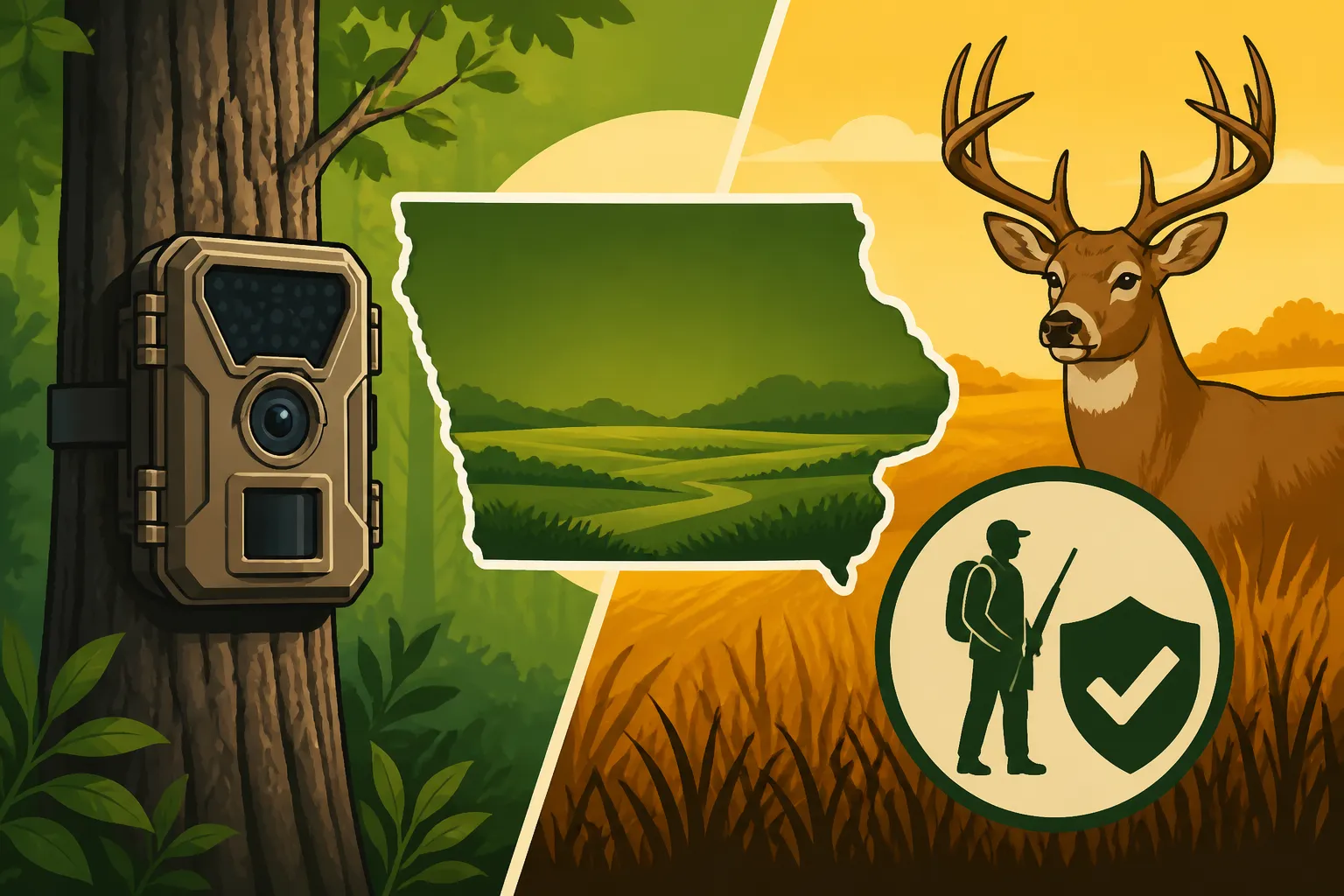
It's incredibly frustrating when you want to get ahead of the game, put in some scouting effort, and use technology like trail cameras to help pattern deer, only to feel unsure about the labyrinth of rules, especially on Iowa's public hunting lands. We all want to be responsible hunters, but navigating the specific regulations can sometimes feel like a full-time job. This guide is here to untangle the complexities of using trail cameras on Iowa public land, helping you understand the rules, ethical considerations, and best practices to ensure your hunting adventures are both legal and respectful.
Understanding Iowa's General Public Land Rules for Gear
Before we even dive into the specifics of trail cameras, it’s crucial to grasp the overarching philosophy Iowa has regarding personal property and hunting equipment on public ground. This foundation impacts everything from your treestand to a simple set of climbing sticks. The goal is often to prevent permanent alteration of public property, ensure fair access for all users, and minimize visual or environmental impact.
Portable Versus Permanent Structures
One of the biggest distinctions on Iowa public hunting land is between what’s considered a portable setup and something that starts to resemble a permanent structure. Generally speaking, permanent stands, blinds, or fixtures are a definite no-go. This makes sense; if everyone started building treehouses or sinking posts, these shared spaces would quickly become cluttered, damaged, and unfair to those who follow the rules. A portable stand, by its very nature, is something you bring in, use, and take out. It's meant to be temporary, not a fixture.
The spirit of the law here is about maintaining the natural state of the land and ensuring equitable opportunity. Imagine showing up to a prime piece of public timber, only to find someone has built a sturdy, camouflaged platform nailed directly into a magnificent oak tree. Not only does that tree suffer damage, but that spot is essentially claimed permanently, which goes against the communal nature of public hunting. Your gear should leave little to no lasting trace.
Leaving Items Overnight and Tagging Requirements
This is where things start to get a little more granular and directly impact trail camera use. While many public lands allow you to leave some types of portable hunting equipment overnight or even for extended periods, almost all of them come with strict tagging requirements and deadlines for removal. The Iowa DNR wants to know who owns what, especially if an item is left unattended. This helps with accountability, deterring theft, and ensuring gear is eventually removed.
Typically, any stand or blind left on public land must be clearly marked with your full name, address, and your Iowa DNR customer identification number. This information needs to be legible and permanently affixed to the item. It’s not just a suggestion; it’s a requirement. The logic is clear: if the item isn't marked, it's considered abandoned, and the DNR has the right to remove and dispose of it. Furthermore, there are usually specific dates by which all equipment must be removed at the end of the hunting season. Fail to do so, and you risk losing your gear and potentially facing a fine. Think about how confusing it would be if treestands, ground blinds, and buckets were left year-round. These rules ensure that Overnight Stand Storage on Public Ground is done responsibly.
Specific Regulations for Trail Cameras on Public Ground
Now, let's zoom in on those electronic eyes in the woods – trail cameras. While they aren't explicitly called out in every single regulation like a treestand might be, they generally fall under the same umbrella of rules regarding unattended personal property on public hunting land. It’s best to treat them with the same diligence and respect as you would any other piece of gear you leave out.
Marking Your Cameras and Tree Damage Concerns
Just like your treestand or ground blind, any trail camera you place on Iowa public land should be clearly marked with your name, address, and DNR customer ID number. This isn't just a nicety; it's a legal safeguard for you and a compliance point for the DNR. A simple, legible tag or permanent marker on the camera casing itself will usually suffice. This way, if a conservation officer or another hunter comes across it, there's no question about ownership.
Beyond marking, you need to be extremely mindful of how you attach your camera to a tree. The cardinal rule on public land is generally "no damage to trees." This means no screwing camera mounts directly into the trunk, no using nails, and certainly no cutting branches to clear a view. Most modern trail cameras come with straps that are designed to go around a tree without causing harm, and these are your best friends on public ground. Even if you think a small screw won't hurt, it can introduce disease or pests to the tree, and it sets a bad precedent. Remember, we want to leave no trace when hunting Leaving No Trace on Iowa Walk-In Ground.
Ownership, Vandalism, and Theft
This is, unfortunately, a very real concern for hunters utilizing public land for trail camera placement. While legally your camera is your property if properly marked, public land comes with public access. This means anyone can walk by your camera, and sadly, not everyone respects other people's property. Vandalism and outright theft are unfortunate realities that many hunters have experienced. There's nothing worse than trekking into a remote spot only to find your expensive camera gone or smashed.
While the DNR might be able to help if a marked item is stolen or vandalized and you have evidence, enforcement can be challenging. Some hunters try to mitigate this risk by using security boxes, python locks, or placing cameras in less obvious locations. Others simply accept the risk as part of the public land hunting experience. There's no perfect solution here, but being aware of the potential downside helps you make informed decisions about how much to invest in a camera destined for public ground.
Cellular Camera Specifics and Ethical Debates
Cellular trail cameras have revolutionized scouting for many hunters, allowing instant updates on deer movement without having to disturb a location. However, on public land, they introduce a slightly more complex layer of consideration, both regulatory and ethical. From a legal standpoint in Iowa, a cellular camera is generally treated the same as any other trail camera: it needs to be marked and follow all other public land rules. The fact that it transmits data doesn't usually change its status as unattended equipment.
Where things get murky is in the realm of ethics and fair chase. Some hunters argue that receiving real-time photos or videos directly to your phone while you're hunting, or even shortly before, gives an unfair advantage and goes against the spirit of fair chase. They believe it removes the element of traditional scouting and tracking. Other hunters see it as merely an evolution of technology, no different than using a rangefinder or powerful binoculars. While Iowa does not currently prohibit the use of cellular cameras on public land for scouting purposes, it's a topic that often sparks lively debate around campfires and online forums. Understanding both sides of this Cellular Cameras and Fair Chase Rules debate can help you make a personal choice that aligns with your own hunting ethics.
Ethical Considerations Beyond the Letter of the Law
Beyond simply following the written rules, public land hunting, especially with tools like trail cameras, comes with a strong expectation of ethical conduct. It's about respecting the land, the wildlife, and your fellow hunters. The "golden rule" often applies here – treat others as you'd want to be treated.
Respecting Other Hunters' Space and Privacy
One of the biggest ethical dilemmas with trail cameras is placement. Imagine you've diligently scouted a promising funnel, found fresh sign, and set up your stand. Then, you discover another hunter has placed a trail camera directly over that same scrape or rub line, pointing it not only at the deer sign but potentially capturing images of you as you approach your stand. This immediately creates tension and a sense of invasion.
A good rule of thumb is to avoid placing your cameras in a way that directly monitors another hunter's setup, whether it's their treestand, ground blind, or obvious feeding area. Public land is shared; while you might find the same sign, intentionally setting up to watch another hunter's activity is generally considered poor form. Think about the feeling of being watched, and extend that courtesy to others. It's about maintaining a respectful atmosphere in shared hunting grounds.
Minimizing Impact and Leaving No Trace
Trail cameras, while small, can still have an impact. Beyond not damaging trees with screws or nails, consider the overall footprint of your camera use. Are you constantly walking a main trail to check your camera, educating deer to human presence? Are you leaving scent behind every time you visit? The goal should always be to minimize your disturbance.
This also extends to what you leave behind. No broken straps, no discarded batteries, no packaging from your camera setup. Whatever you bring in, you must take out. This isn't just about trail cameras, it's a fundamental principle of public land use across the board. Every piece of litter or forgotten item degrades the experience for the next person and can even harm wildlife. Taking the time to properly clean up after yourself, including removing your camera and all its accessories when the season is done, is a hallmark of a responsible public land hunter.
Best Practices for Deploying Cameras on Public Land
So, you've got your head wrapped around the rules and the ethical considerations. Now, how do you actually deploy those cameras effectively and responsibly on Iowa's public hunting lands? It’s all about smart placement, security, and consistent management.
Stealthy Placement and Camouflage
The first rule of public land camera placement is often "out of sight, out of mind." The more visible your camera is, the more likely it is to be discovered by other users – and unfortunately, sometimes that discovery leads to theft or tampering. Look for natural cover that can conceal your camera, such as dense brush, multi-flora rose thickets, or the side of a tree that faces away from common travel routes. Angling the camera slightly away from obvious trails can also help.
Consider the angle and height. A camera placed too low is easily seen and can be messed with. Mounting it slightly higher, perhaps 8-10 feet off the ground and angled down, can make it less conspicuous and provide a wider field of view without pointing skyward. Many hunters will also use naturally camouflaged camera housings or even paint their camera a drab, non-reflective color to help it blend in with the environment. Remember, you're trying to capture images of deer, not human attention. When scouting and placing, consider how you might also access remote spots without spooking game, like in Access Routes That Do Not Bump Deer.
Security Measures to Deter Theft
While you can't guarantee a camera won't be stolen, you can certainly make it harder for opportunistic thieves. Investing in a security box made specifically for your camera model, combined with a heavy-duty cable lock or python lock, is a solid first step. These locks secure the camera to the tree and protect the camera itself from being easily removed from the box.
Another tactic is simply choosing less obvious spots. While a well-used deer trail right off the parking lot might seem like an easy win, it's also high traffic for humans. Venturing further into the property, away from common access points and well-worn trails, can significantly reduce the chances of your camera being discovered. Tools like GoHunt can help you identify these less-traveled areas by looking at aerial imagery and topo maps. Additionally, some cameras have password protection or GPS tracking features, which, while not preventing theft, might aid in recovery or render the camera useless to a thief.
Checking Frequency and Minimizing Pressure
The whole point of a trail camera is to gather intel without putting undue pressure on your hunting grounds. If you're checking your camera every few days, especially during hunting season, you're essentially walking into your hunting spot repeatedly, leaving scent and possibly spooking the deer you're trying to pattern.
Aim for less frequent checks, especially in areas you plan to hunt. A good strategy is to check cameras once every week or two, or even less frequently if they have long battery life and large memory cards. Consider checking them during the middle of the day when deer activity is typically lower, or immediately after a heavy rain, which can help wash away some of your scent. Planning your camera checks to coincide with other scouting activities, like Scouting Iowa Public Land Before the Opener or refreshing a mock scrape, can also make your trips more efficient and less intrusive. Wireless or cellular cameras can drastically reduce the need for physical checks, making them a great option for minimizing pressure.
Data Management and Utilizing Information
Once you've retrieved those precious images and videos, it's all about effective data management. Don't just scroll through them once and forget. Organize your photos by date, time, and location. Many hunters use dedicated software or apps to help categorize and analyze the data, looking for patterns. Are bucks consistently passing through a certain area at specific times? Is there a particular buck you're targeting that only shows up on certain wind directions?
This data becomes invaluable for making informed hunting decisions. For example, if you notice a mature buck consistently appears on your camera in a river bottom during an easterly wind, you know precisely when and where to focus your efforts. This information, combined with good old-fashioned boots-on-the-ground Scouting Iowa Timber and River Bottoms and e-scouting with tools like GoHunt, can dramatically increase your success rate. Understanding How Harvest Timing Changes Deer Movement can also help you interpret the information your cameras are collecting more effectively.
What Happens if You Break the Rules?
Nobody wants to find themselves on the wrong side of a conservation officer, especially when you're just trying to enjoy a day in the woods. While most violations related to trail cameras and public land gear might not carry the same weight as poaching, they can still result in fines, loss of equipment, and a blot on your hunting record.
Potential Penalties for Violations
The specific penalties for leaving unmarked or improperly placed gear on public land can vary, but generally, they involve a fine and the confiscation of the equipment. If your trail camera is found to be damaging a tree, for instance, you could be cited for destruction of public property or a similar offense. These fines can quickly add up, easily exceeding the cost of your camera.
Conservation officers regularly patrol public hunting areas, and they are trained to spot improperly placed or unmarked equipment. They understand the regulations inside and out. It's far better to err on the side of caution, marking your camera clearly and removing it by the designated deadlines, than to risk a citation and the hassle that comes with it. Beyond the legal consequences, there's also the damage to your reputation among fellow hunters and the overall perception of the hunting community.
Reporting Issues and Resource Protection
If you come across improperly placed equipment, unmarked stands, or evidence of vandalism on public land, it's generally a good idea to report it to the Iowa DNR. They have dedicated channels for reporting wildlife violations and issues on public land. While it might feel like "snitching," reporting these issues helps the DNR manage our shared resources effectively and ensures that everyone plays by the rules. It helps maintain the integrity of public hunting for all of us.
When reporting, try to gather as much detail as possible without disturbing the scene. Location, date, description of the item, and any identifying marks can be helpful. By working together, hunters and the DNR can help protect Iowa's public lands, ensuring they remain productive and accessible for generations to come.
Trail Camera Best Practices Summary
| Aspect | Public Land Rule/Consideration | Best Practice |
|---|---|---|
| Marking | Required: Name, address, DNR customer ID. | Use permanent marker/tag. Ensure legibility and secure attachment. |
| Attachment | No damage to trees (no screws, nails, cutting). | Use non-damaging straps. Position camera on tree trunk away from branches. |
| Theft/Vandalism | Risk is present due to public access. | Use security boxes/locks. Place in less obvious spots. Consider GPS features. |
| Cellular Cameras | Legal for scouting, but ethical debate exists. | Understand fair chase concerns. Use to minimize physical disturbance. |
| Placement | Avoid monitoring other hunters' setups. Minimize human traffic. | Conceal with natural cover. Mount 8-10 ft high, angled down. Avoid main trails. |
| Checking | Each visit leaves scent/pressure. | Check infrequently (weekly/bi-weekly). Go during midday or after rain. |
| Removal | Must be removed by seasonal deadlines. | Mark calendar reminders. Remove all gear, including batteries/straps. |
Ultimately, using trail cameras on Iowa's public hunting land can be an incredibly effective tool for scouting and learning deer patterns, especially when you can't be in the woods every day. But it comes with a responsibility to understand and respect the regulations, as well as the unwritten rules of ethical conduct. By marking your cameras, avoiding tree damage, placing them discreetly, and being mindful of your impact, you can leverage this technology to enhance your hunting experience while being a good steward of Iowa's shared outdoor resources.
Disclaimer
This article is for general informational purposes only and does not constitute professional advice. Laws, prices and regulations vary by location and change over time. Consult a qualified professional for guidance on your specific situation.