Saddle Platforms and Ropes
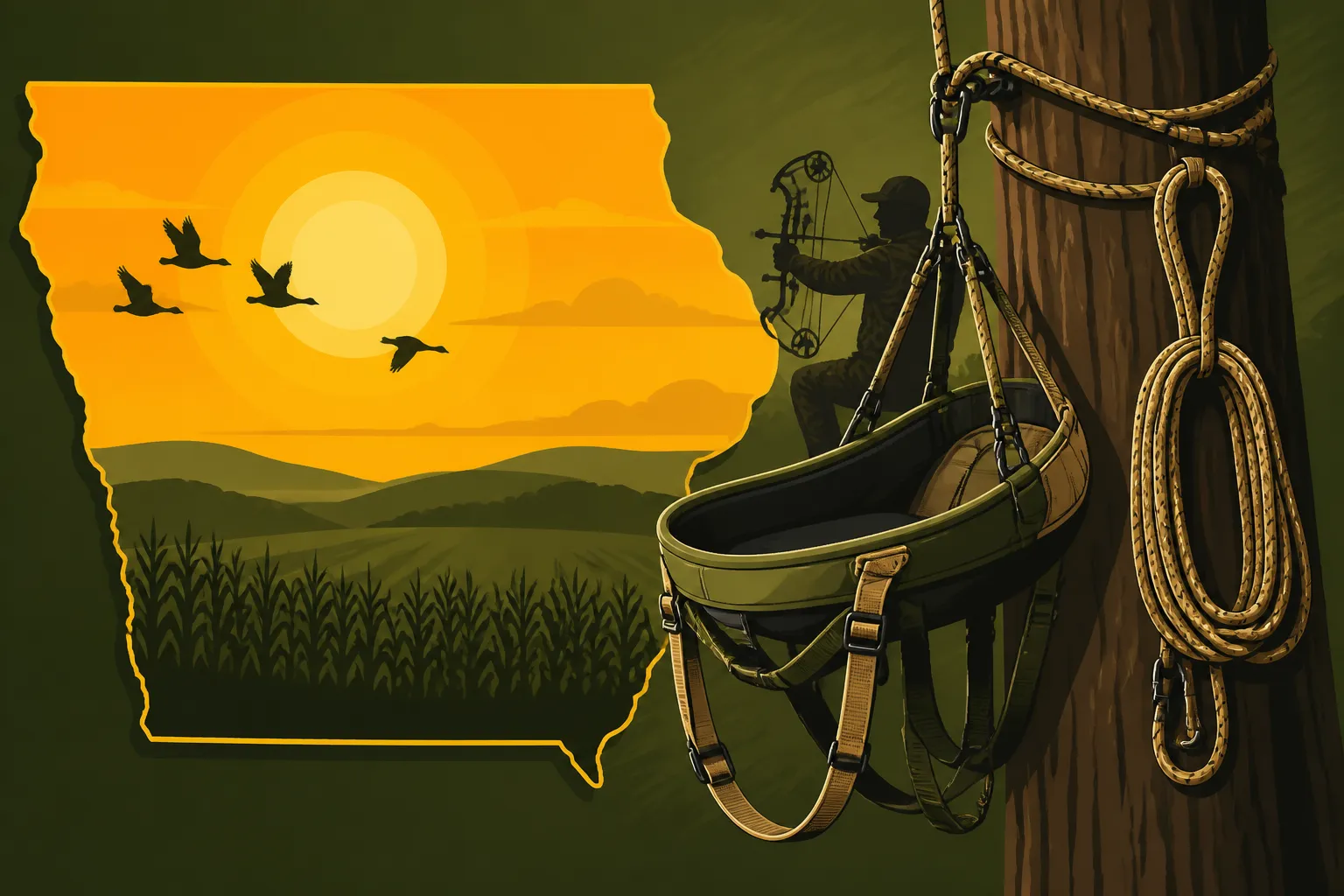
Okay, let's talk about taking your hunting to a new level of mobility and efficiency. We've all been there: you scout a perfect pinch point on public land, only to find someone else's ladder stand already bolted to a tree, or you're stuck in a fixed stand watching a buck skirt your setup by fifty yards. The frustration is real, and it can leave you feeling like you're always a step behind. This guide is all about diving deep into saddle platforms and ropes, equipping you with the knowledge to go truly mobile, set up quickly, and adapt to those sneaky Iowa whitetails no matter where they decide to show up.
Why Embrace Saddle Hunting in Iowa? The Freedom to Roam
For years, I dragged in heavy ladder stands or climbed cumbersome hang-ons, always feeling limited by the sheer effort it took to get them into position. Iowa's public lands, with their diverse terrain from river bottoms to rolling timber, demand a different approach if you want to stay on top of deer movement. That's where saddle hunting, with its focus on lightweight gear and incredible flexibility, truly shines. It's not just a fad; it's a strategic advantage, especially when facing pressured deer that have learned to avoid traditional setups.
The Undeniable Advantages of Mobility
Imagine this: you've been watching trail camera photos from a Reading an Iowa Timber Draw for Deer Sign spot, and suddenly, a cold front rolls in, shifting the deer pattern to a thick cedar thicket you hadn't anticipated. With a traditional stand, you might be stuck, grumbling about missed opportunities. But with a saddle system, you can pack up your ultralight gear and be set up in that new hotspot within an hour. This agility is gold. You can follow the food sources as crops are harvested, adjust for wind shifts, or simply chase a hot buck. It means you're no longer committed to a single, static location, but rather, you become a predator that can adapt on the fly. This flexibility makes a huge difference, especially during the Iowa rut when buck movement can be unpredictable. You can quickly move to catch a cruising buck or target a specific bedding area that just started heating up.
Another massive benefit is stealth. Saddle hunting gear is generally much lighter and quieter to pack in than a bulky stand. No more clanking metal or scraping plastic against branches as you navigate through the pre-dawn darkness. The ability to move silently and quickly allows you to get deeper into public ground, avoiding the heavier pressure found closer to parking areas. You become part of the tree, merging into its profile, which can make you less noticeable to wary deer. This blend-in factor is a game-changer, allowing you to position yourself for higher-percentage shots that might be impossible from a fixed stand.
Overcoming the Initial Learning Curve
Now, let's be real, saddle hunting isn't something you just pick up and master in an afternoon. There's a definite learning curve, and I remember my first few times trying to get comfortable, feeling a bit like a squirrel trying to hug a tree. But don't let that intimidate you. Like anything worth doing well, it takes practice. The initial awkwardness quickly gives way to confidence as you learn the ropes—literally! Investing time in your backyard, practicing ascending, descending, and getting comfortable in the saddle at various heights, is crucial. This practice builds muscle memory and helps you troubleshoot issues in a low-pressure environment before you're fumbling around in the dark before opening day.
One common frustration I hear is the perceived complexity of the knots and rigging. It looks daunting, right? But once you understand a few key knots and how they interact with your rope system, it becomes second nature. Think of it like learning to tie your shoes – initially complex, then second nature. The safety aspect is paramount, so understanding how each component works together to keep you secure is vital. Safety Harnesses and Lifelines are just as important in a saddle setup as they are in a traditional treestand, if not more so, given the dynamic nature of saddle hunting. Taking it slow, watching reputable videos, and practicing with a partner can make this learning phase much smoother. Many hunters, myself included, have found platforms like GoHunt invaluable for finding community forums and resources dedicated to helping new saddle hunters get started, sharing tips and tricks that cut down the learning time significantly.
Decoding Saddle Platforms: Your Base of Operations
Your saddle platform is essentially your mobile foothold, giving you the stability and leverage you need to shoot comfortably in any direction. It's a critical piece of gear, and there's a surprising amount of variety out there, each with its own pros and cons. Choosing the right one comes down to understanding your hunting style, the terrain you hunt, and your personal preferences for weight and stand-off distance from the tree.
Types of Platforms and Their Best Uses
When you start looking at platforms, you'll notice a few main categories. There are minimalist "ring of steps" or single steps, compact platforms, and larger, more robust platforms. Each serves a distinct purpose.
- Minimalist Steps/Ring of Steps: These are the lightest options, often just a few ounces, designed for the ultimate mobile hunter who prioritizes weight above all else. They provide just enough foot room to maintain balance and shoot. They're excellent for hunters who do a lot of "run-and-gun" turkey hunting in the spring or for whitetail hunters who constantly move and only need to be in a tree for a couple of hours. The downside is comfort – standing on a small step for hours can be tough on your feet. They require a good amount of practice to feel stable on, especially when drawing a bow.
- Compact Platforms: These hit the sweet spot for many saddle hunters. They offer a larger surface area than individual steps, providing more comfort and stability for longer sits, while still being relatively lightweight and easy to pack. Brands like Out On A Limb, Hawk, and Novix offer fantastic compact options that are popular among Iowa hunters navigating anything from timbered river bottoms to smaller woodlots. These are a great starting point for someone getting into Mobile Saddle Hunting in Iowa because they offer a good balance of features. They provide enough room to shift your feet, make small adjustments, and comfortably pivot for a shot without feeling like you're going to fall.
- Larger Platforms: If comfort and stability for all-day sits are your top priorities, and you don't mind a bit more weight, a larger platform might be for you. These offer ample space to move your feet, providing a more "treestand-like" feel. They can be particularly useful in very cold weather when you want more room to stomp your feet and stay warm. However, that extra surface area means more weight and a bulkier profile on your pack, which can be a consideration if you have a long walk to your stand or are trying to stay as minimalistic as possible. You'll need to weigh the trade-offs between comfort and portability.
When making your choice, consider how much movement you typically make in your stand. If you're constantly twisting and turning, trying to get different shot angles, a larger platform will be more forgiving. If you prefer to stay relatively still, a compact option might suit you just fine.
Key Features to Look for in a Platform
Beyond size, several features differentiate platforms. The most critical is how it attaches to the tree. Most use a cam buckle strap or a similar system that cinches tightly around the tree, providing a secure and stable connection. Look for a design that allows for quick and quiet attachment and detachment. No one wants to spend five minutes fumbling with straps in the dark while deer are walking by.
Another important feature is the "stand-off" distance—how far the platform extends from the tree trunk. A greater stand-off provides more room to maneuver, but it can also increase overall weight and sometimes feel less stable if not designed well. Some platforms have adjustable stand-off, which can be a nice bonus for adapting to different tree sizes and personal preferences. Personally, I prefer a platform with a slight angle, which positions my feet more comfortably when leaning into the tree.
Durability is also key. Your platform is going to take a beating, being strapped to trees, packed through brush, and exposed to the elements. Look for robust construction, often aircraft-grade aluminum, that can withstand repeated use. Reputable brands that specialize in hunting gear, which you might find reviewed on sites like GoHunt, often have higher quality control and better warranty support. Finally, consider whether the platform has any extra features, like built-in accessory hooks for your bow or pack, or a textured surface for improved grip, especially in wet or icy conditions.
| Platform Type | Weight (Relative) | Comfort (Relative) | Best Use Cases |
|---|---|---|---|
| Minimalist Steps | Very Low | Low | Ultra-light, short sits, run-and-gun, experienced |
| Compact Platforms | Medium | Medium | All-around, balanced comfort/portability, most hunters |
| Larger Platforms | High | High | All-day sits, cold weather, maximum comfort |
Mastering Ropes and Rigging: Your Lifeline in the Tree
The rope system is the heart of your saddle hunting setup, providing both your connection to the tree and your safety. Understanding the different components and how to use them correctly is not just about efficiency; it's about your well-being. This isn't an area to cut corners or guess your way through.
Essential Ropes and Their Functions
You'll typically use two main rope systems in saddle hunting: your climbing method and your primary tether.
- Climbing Aiders/Ropes: Many saddle hunters use a rope-based system for ascending the tree, often in conjunction with Climbing Sticks Versus a Climber or specialized single steps. These might include a "rope mod" on your sticks or a single length of rope tied with specific knots (like a Blake's hitch or a prusik) to create an adjustable climbing aid. The goal here is efficient, quiet, and secure ascent. The type of rope needed for these systems is often static or low-stretch, designed for load-bearing and abrasion resistance.
- Tree Tether: This is your direct connection from your saddle to the tree, keeping you securely positioned. It's usually a single length of strong, static rope with a specialized hitch, like a Klemheist or a VT prusik, that allows for easy adjustment up and down the rope. This tether is what you "lean" into when in your saddle, distributing your weight and allowing you to pivot around the tree. It’s crucial that your tree tether is rated for human fall arrest and is regularly inspected for wear and tear.
- Lineman's Belt: While not strictly part of your platform, a lineman's belt is absolutely essential for safely ascending and descending the tree. This is a separate rope with a hitch or adjustable system that wraps around the tree and clips into your saddle's side loops. It keeps you securely attached to the tree at all times, freeing up both hands for setting sticks, the platform, or your tree tether. Never, ever climb without one. Seriously, this is non-negotiable for safety. One-Stick Method for Mobile Hunting and similar techniques rely heavily on the secure and efficient use of a lineman's belt to stay safe throughout the process.
The material of your ropes is also important. Many modern hunting ropes are made from high-strength synthetic fibers like Amsteel or Dynaglide, which are incredibly strong, lightweight, and resistant to abrasion. However, traditional climbing ropes also have their place, especially for the main tree tether, offering a good balance of strength, feel, and knot-holding ability.
Knots, Hitches, and Safe Rigging Practices
This is where many new saddle hunters feel overwhelmed, but it's simpler than you think. You don't need to be a professional arborist; you just need to master a few critical knots and hitches.
- Prusik Hitch: This is a friction hitch that "bites" down on a main rope when weighted, but slides freely when unweighted. It's fundamental for creating adjustable loops on climbing sticks or for your main tether when combined with a carabiner.
- Klemheist Hitch/VT Prusik: These are similar friction hitches, often preferred for tree tethers and lineman's belts because they tend to be more efficient, less prone to jamming, and easier to adjust with one hand, even under slight load. They provide a smooth, reliable connection point.
- Figure-8 Knot: A simple, strong, and secure knot for creating a fixed loop at the end of a rope, often used to connect your tether to a carabiner that clips into your saddle. It’s easy to inspect and reliable.
The most important rigging practice is redundancy. While your saddle itself is your primary safety device, always ensure your tether and lineman's belt are properly secured and routinely checked. Never rely on a single point of failure. Before you even leave the ground, double-check all connections, knots, and hardware. After setting your sticks and platform, and before unhooking your lineman's belt, ensure your tree tether is properly set and weighted.
I cannot stress this enough: learn these knots, practice them, and know them cold. Your life literally depends on it. There are countless online resources and videos that demonstrate these knots clearly. Don't just watch them once; practice repeatedly until you can tie them quickly and correctly in the dark, with cold hands. You'll thank yourself when you're 20 feet up a frosty oak in the pre-dawn hours.
Setting Up Your System for Success
Getting into a tree with a saddle, platform, and ropes might seem like a circus act at first, but with a methodical approach, it becomes a smooth, silent operation. The goal is to be efficient, quiet, and safe from the moment you leave the ground until you’re comfortably settled.
The Step-by-Step Ascent
When you're first learning, do this in broad daylight in your backyard. Once you’re confident, you can move to the woods.
- Gear Check: Before you even start climbing, ensure all your gear is in order. Saddle on, lineman’s belt ready, climbing sticks/aiders accessible, platform ready, tree tether organized.
- Attach Lineman's Belt: Clip your lineman's belt to both side loops of your saddle. Wrap it around the tree, adjust the length so it's snug but allows you to move freely, and secure the hitch. This is your first line of defense. You should be attached to the tree with your lineman’s belt at all times when off the ground.
- Ascend: Start setting your climbing sticks or using your single-stick method. As you climb, continually adjust your lineman's belt to stay tight against the tree. This keeps you stable and allows you to use both hands to place the next stick. Take your time, focus on quiet movements. Many of us find that walking quietly to the tree is just as important as being quiet once you get there. Access Routes That Do Not Bump Deer are crucial for getting to your tree undetected.
- Place Platform: Once you reach your desired hunting height, with your lineman's belt keeping you secure, carefully attach your saddle platform to the tree. Make sure it's level and tightly cinched. Double-check its stability before you put any weight on it.
- Attach Tree Tether: Now, attach your tree tether to the tree above your platform. Clip it into the main bridge loop of your saddle. Adjust the hitch to get the desired length and angle for your lean.
- Transition: Once your tree tether is secure and weighted, you can unclip one side of your lineman's belt, then the other, and store it out of the way. You are now fully supported by your tree tether and ready to hunt. It feels a bit like leaning back into a hammock, offering incredible comfort and the ability to pivot 360 degrees around the tree.
This methodical approach ensures you're always connected and reduces the risk of fumbling. Remember, practice makes perfect. The more you do it, the faster and more confidently you'll become.
Achieving Maximum Comfort and Shot Opportunities
The beauty of saddle hunting is the ability to shift your body around the tree, using it as natural cover. Instead of being stuck facing one direction, you can pivot, lean, and even crouch or stand to get the best shot angle. This is particularly effective when Rattling and Grunting During the Iowa Rut because you can react instantly to a buck coming in from an unexpected direction.
To maximize comfort, experiment with your tether height and length. A higher tether usually provides a more upright "lean," which can be more comfortable for longer sits. You can also adjust the angle of your platform. Many hunters find a slight downward slope on the platform, combined with an angled lean from the tether, to be the most ergonomic. Don't be afraid to experiment with different positions. Your saddle should feel supportive, not restrictive. You should be able to comfortably shift your weight, draw your bow, and swing your gun without feeling off-balance.
Another tip: use your feet! Your platform is your base. Shifting your weight between your feet and leaning into your saddle's bridge allows you to make micro-adjustments to your position, reducing fatigue and allowing you to stay on stand longer. It truly is a dynamic hunting system. When scouting for a new spot, consider looking for trees that offer natural limbs or forks to further aid in comfort and provide additional shooting rests. Using a platform effectively means you're almost always ready for a shot, no matter where that Iowa giant decides to appear.
Maintenance and Ethical Considerations
Just like any other piece of critical hunting gear, your saddle platform and ropes need consistent attention. Neglecting them isn't just a risk to performance; it's a risk to your safety.
Keeping Your Gear in Top Shape
After every hunt, especially those wet, muddy treks through Iowa timber, it’s crucial to inspect your ropes and platform. Look for any signs of fraying, cuts, or excessive wear on your ropes. Pay close attention to the areas that experience the most friction, like where hitches are tied or where the rope rubs against carabiners. If you see any significant damage, retire that rope immediately. It's not worth the risk. Similarly, inspect your carabiners for any signs of deformation, cracks, or sticky gates. Lubricate moving parts if necessary.
Your platform should be checked for loose bolts, bent components, or cracks in the metal. Ensure all straps are free of tears or cuts. Mud, dirt, and sap should be cleaned off your ropes and platform regularly. A simple wipe-down with a damp cloth for the platform and a gentle hand wash for ropes with mild soap (following the manufacturer's instructions) can extend their lifespan significantly. Proper storage is also important. Keep your ropes out of direct sunlight and away from harsh chemicals, which can degrade the fibers over time. Store them in a cool, dry place. By maintaining your gear, you ensure its reliability, season after season, making your investment last longer and keeping you safe.
Leaving No Trace Behind
One of the great advantages of saddle hunting, beyond its mobility, is how little impact it has on the environment. This is particularly important when Hunting Iowa Walk-In Ground Without Burning It Out or any public land where you want to preserve the natural state and respect other users. Unlike permanent stands that can be eyesores or even cause damage to trees over time, a saddle system leaves virtually no trace.
When you pack out, ensure you're not leaving any trash, discarded rope scraps, or lost gear. Always double-check your tree for any forgotten items. We are guests in the woods, whether on public land or private, and our goal should be to leave it better than we found it. This ethos of "leave no trace" aligns perfectly with the lightweight, mobile philosophy of saddle hunting. It’s about respecting the land, the wildlife, and our fellow hunters.
Furthermore, always be aware of public land regulations regarding stands and climbing aids. While saddles and portable platforms are generally allowed, rules can vary. For instance, Are Screw-In Steps Legal in Iowa? is a common question, and generally, the answer is no on public land. Always check the current Iowa DNR regulations to ensure your specific setup complies with the rules for the land you're hunting. By being a responsible and ethical hunter, you not only protect yourself but also ensure that these incredible hunting opportunities remain available for everyone.
Disclaimer
This article is for general informational purposes only and does not constitute professional advice. Laws, prices and regulations vary by location and change over time. Consult a qualified professional for guidance on your specific situation.