Knife Steel That Holds an Edge
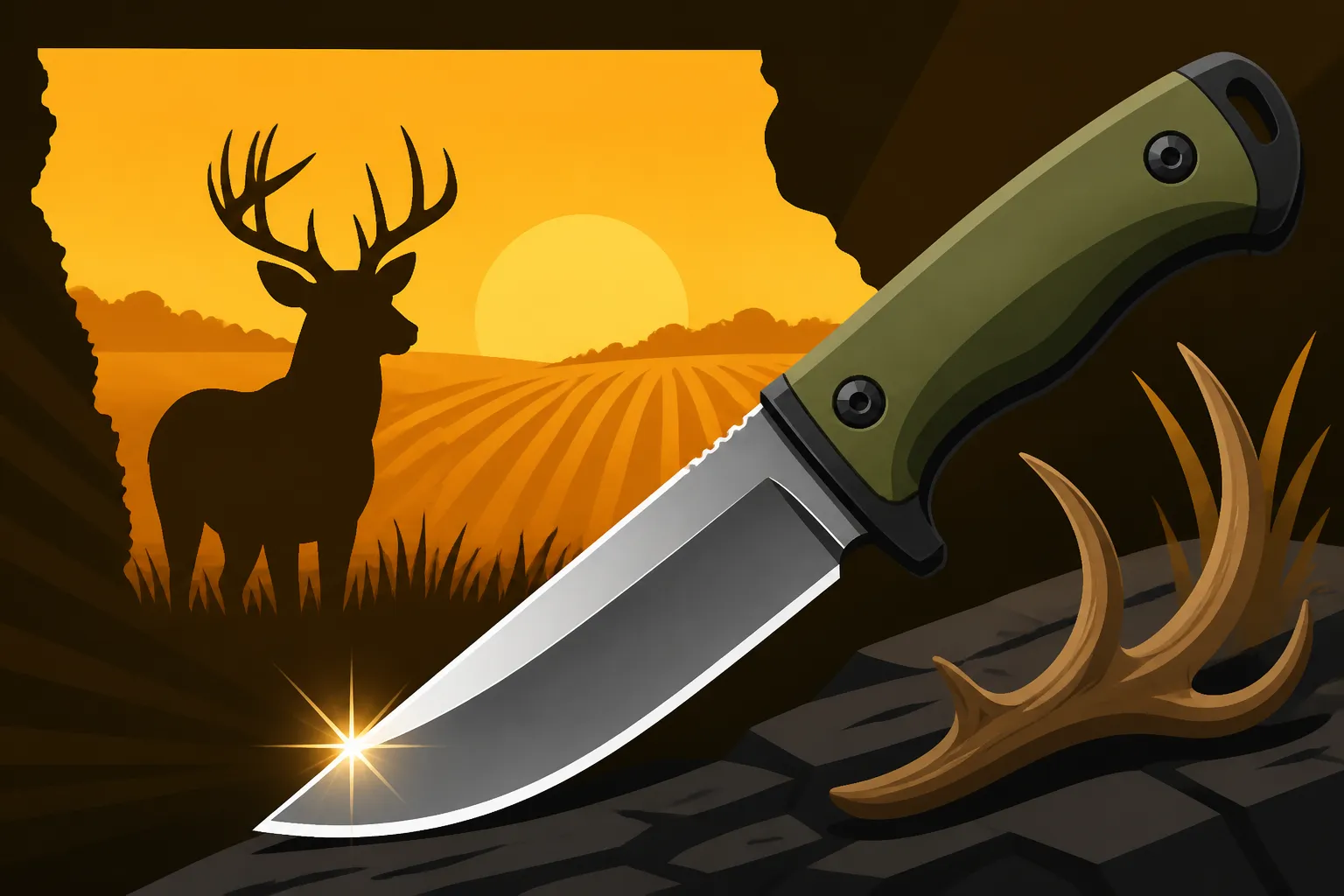
There’s nothing quite like the feeling of success after a hard hunt in the Iowa timber or fields, especially when you've finally connected with that mature whitetail you've been after all season. But that exhilarating moment can quickly turn into a frustrating mess if your trusty hunting knife can't hold an edge through the field dressing process. We’ve all been there: a blade that starts sharp but dulls after just a few cuts, leaving you sawing through hide and muscle, turning what should be efficient work into an exasperating struggle. This guide is all about helping you understand the different types of knife steel out there, so you can pick a blade that holds an edge and makes those post-harvest chores a whole lot smoother.
Why a Good Edge Matters in the Iowa Woods
When you're out in the elements, miles from your truck, dealing with a downed deer, the last thing you need is a tool that fails you. Your hunting knife is arguably one of the most critical pieces of gear you carry, right up there with your weapon and navigation. It's not just about having a knife; it's about having the right knife with the right steel.
The Frustration of a Dull Blade
Imagine this scenario: you've just put down a beautiful Iowa buck deep in a creek bottom. The adrenaline is pumping, you're excited, and now it's time to get to work. You pull out your knife, make the initial cuts, and it's slicing like a dream. Ten minutes later, as you're trying to separate the hide from the muscle, that pristine edge has vanished. You're no longer slicing; you're tearing, pulling, and working twice as hard. Maybe you hit a patch of thick hair, or perhaps grazed a rib bone, and now the blade feels like a butter knife. This isn't just annoying; it makes the job slower, increases the risk of accidental cuts, and can really dampen the satisfaction of your harvest. It's a common struggle for many hunters, especially when dealing with the tough hide of a big whitetail, and it's often a direct result of the steel not being up to the task.
Beyond Just Sharpness: Edge Retention and Durability
While a razor-sharp edge right out of the sheath is fantastic, it's really only half the battle. What truly makes a hunting knife reliable is its ability to retain that sharpness through repeated use, often under demanding conditions. Think about the variety of materials your knife will encounter during field dressing or butchering: thick hide, sinew, muscle, cartilage, and sometimes even bone or dirt. A good hunting knife needs steel that can withstand these abrasive and impactful forces without quickly losing its keen edge.
But it’s not just about staying sharp. Durability, specifically toughness and corrosion resistance, are equally vital. Toughness refers to the steel's ability to resist chipping or breaking when subjected to impact, like accidentally hitting a joint or bone. You don't want your blade to chip when you're trying to articulate a leg. Corrosion resistance, on the other hand, is crucial for handling blood, moisture, and general exposure to the damp Iowa environment without rusting. A blade that rusts easily can be a real headache to maintain and can quickly degrade in performance and appearance. Balancing these properties is key to finding a truly effective hunting blade. Knives, Carts and Meat Care Gear delves deeper into the practical tools you need for post-harvest.
Understanding the Basics of Knife Steel for Hunters
To really get a handle on why some knives perform better than others, we need to talk a little bit about what knife steel actually is. It’s not just one thing; it's an alloy, a carefully crafted blend of iron and various other elements, each contributing something unique to the final product. Understanding these components helps demystify why one blade excels at holding an edge while another might be incredibly tough but prone to rust.
The Core Ingredients: Carbon, Chromium, and Alloys
At its heart, all steel is an alloy of iron and carbon. However, modern knife steels go far beyond that basic formula, incorporating a variety of other elements to enhance specific properties.
- Carbon: This is the most critical element for hardness. More carbon generally means a harder steel, which in turn means better edge retention. However, too much carbon without other balancing elements can make the steel brittle.
- Chromium: This is the superstar for corrosion resistance. Steel with a high enough percentage of chromium (typically 13% or more) is considered "stainless steel." Chromium forms a passive oxide layer on the steel's surface, protecting it from rust and staining. It also contributes to wear resistance. For those damp, cold Iowa mornings or processing a deer in sixty-degree weather, corrosion resistance is a huge plus.
- Other Alloys: This is where things get really interesting.
- Molybdenum and Vanadium increase strength, hardness, and wear resistance. They help form hard carbides within the steel, which are excellent for holding an edge.
- Manganese and Silicon improve strength and often aid in the manufacturing process.
- Nickel can enhance toughness and corrosion resistance.
- Tungsten and Niobium also contribute to wear resistance and hardness.
The specific combination and proportion of these elements, along with the heat treatment process, are what determine a steel's overall characteristics. It’s a delicate balance, and knife manufacturers spend a lot of time perfecting these recipes.
Key Properties: Hardness, Toughness, Edge Retention, and Corrosion Resistance
These four properties are the pillars of knife steel performance, especially for a hunting blade that needs to perform reliably in demanding situations.
- Hardness: Measured on the Rockwell C scale (HRC), hardness refers to the steel's resistance to permanent deformation or indentation. A harder steel will typically hold an edge longer because it resists abrasion. However, extremely hard steels can be more brittle and harder to sharpen. Think of trying to articulate a bone joint – a harder steel will resist dulling from friction better.
- Toughness: This is the steel's ability to absorb energy and resist chipping, cracking, or breaking. A tough knife can take a beating without catastrophic failure. For a hunter, this means your blade won't chip if you accidentally hit a bone or drop it on a rock. You want a good balance; a knife that's too hard might chip easily, while one that's too soft won't hold an edge. Bone Saws Versus the Gutless Method often comes down to deciding whether your knife steel is tough enough to handle certain cuts.
- Edge Retention: This is probably the property most hunters prioritize. It's how long the knife stays sharp under use. Steels with high wear resistance and a fine grain structure tend to have excellent edge retention. This means fewer interruptions to sharpen your knife while you're in the middle of field dressing or butchering. It's the difference between a knife that sails through a deer from start to finish and one that needs constant touch-ups.
- Corrosion Resistance: As mentioned, this is the steel's ability to resist rust and staining. For hunting, where knives are exposed to blood, moisture, and sometimes acidic environments, good corrosion resistance is invaluable. It reduces maintenance and prolongs the life of your blade. Nobody wants to pull out their knife in the field only to find it covered in rust spots from last season.
These properties often exist in a bit of a trade-off. For example, increasing hardness can sometimes decrease toughness, and vice-versa. High carbon content can increase hardness and edge retention but decrease corrosion resistance. The magic of good knife making is finding the optimal balance for the intended use.
Common Steel Types for Hunting Knives and Their Trade-offs
When you start looking at hunting knives, you'll see a dizzying array of steel names. It can feel like a secret language, but once you understand the basic categories and what they prioritize, it becomes much clearer. Let's break down some of the most common types you'll encounter.
Stainless Steels: The Rust Fighters
Stainless steels are beloved by many hunters, especially those who hunt in wet conditions or prefer minimal maintenance. Their high chromium content makes them highly resistant to rust and staining, which is a huge benefit when dealing with blood and moisture.
- 440C: This is a classic, well-rounded stainless steel. It offers a good balance of hardness, edge retention, and corrosion resistance. It's relatively easy to sharpen and is a solid performer for general hunting tasks. You'll find it in many production knives, offering reliable performance without breaking the bank.
- 154CM / ATS-34: These are very similar American and Japanese premium stainless steels, respectively. They offer superior edge retention and hardness compared to 440C, while still maintaining excellent corrosion resistance. They can be a bit more challenging to sharpen but hold a working edge longer, making them popular for serious hunting and tactical knives.
- VG-10: A Japanese stainless steel known for its good edge retention and corrosion resistance. It often has a very fine grain structure, which contributes to its ability to take a very keen edge. You'll find it in many high-quality production knives, offering a step up in performance.
- S30V / S35VN: These are considered "super steels" and are part of the CPM (Crucible Particle Metallurgy) family. S30V was designed specifically for knives and offers outstanding edge retention and good corrosion resistance. S35VN is a slightly improved version, offering similar performance with improved toughness and easier sharpening. These steels are fantastic for a knife that sees heavy use and demands superior edge life, but they do come at a higher price point and require diamond sharpeners to properly maintain. Field Dressing in Warm October Weather is exactly the kind of scenario where good corrosion resistance shines.
Carbon Steels: The Old-School Performers
Before the advent of modern stainless alloys, carbon steels were king, and for good reason. They are renowned for their exceptional toughness and ability to take an incredibly sharp, aggressive edge. The trade-off, however, is their susceptibility to rust.
- 1095: This is a very popular high-carbon steel, especially for fixed blades and bushcraft knives. It's known for its excellent toughness, meaning it can take a beating and resist chipping. It's also very easy to sharpen, making it a favorite for those who don't mind touching up their blade frequently. The downside? It will rust if not properly cleaned and oiled, especially after being exposed to blood. For an Iowa hunter who might be out in drizzling rain or processing a deer on a cold, damp November day, immediate cleaning and oiling are crucial.
- D2: Often called a "semi-stainless" or "tool steel," D2 has a relatively high chromium content (around 12%) but not quite enough to be fully stainless. It offers excellent wear resistance, leading to superb edge retention. It's also quite tough. The compromise is its moderate corrosion resistance (better than 1095, but not true stainless) and it can be a challenge to sharpen due to its hardness. For those who prioritize edge retention above all else and are diligent about maintenance, D2 is a fantastic choice.
- CPM-3V: Another Crucible Particle Metallurgy steel, CPM-3V is a prime example of a modern high-toughness tool steel. It offers incredible toughness, far surpassing many other high-carbon steels, while still providing good edge retention. It's less corrosion resistant than stainless steels, but its toughness makes it ideal for knives that might encounter extreme stress or impact. This would be overkill for many standard field dressing tasks but shines in heavy-duty camp knives or survival blades.
Super Steels and Powdered Metals
The world of knife steel continues to evolve, with powdered metallurgy techniques producing steels with extremely fine, uniform grain structures. These "super steels" often push the boundaries of performance, offering combinations of properties that were once thought impossible.
- CPM (Crucible Particle Metallurgy) Steels: We've already touched on S30V, S35VN, and CPM-3V. The CPM process creates very uniform steel with excellent properties by atomizing molten metal into a fine powder, which is then hot isostatically pressed (HIP) into billets. This eliminates the segregation of elements that can occur in traditionally cast steels, leading to superior toughness, edge retention, and grindability.
- Magnacut (CPM MagnaCut): This is one of the newer, highly acclaimed super steels. It’s been specifically engineered to offer an exceptional balance of high corrosion resistance (like a stainless steel), excellent toughness (like a carbon steel), and outstanding edge retention. It’s essentially trying to bridge the gap between stainless and carbon performance without the traditional trade-offs. While still relatively new, it's quickly gaining a reputation as one of the best all-around knife steels available, especially for outdoor and hunting use. This type of steel might cost a bit more, but its performance could very well justify the investment for a dedicated hunter. You might check a resource like GoHunt for reviews and comparisons of knives using these advanced steels.
Choosing the Right Steel for Your Iowa Hunting Style
Deciding on the "best" knife steel is a personal journey, much like choosing the right bow or rifle. What works for one hunter might not be ideal for another, because our hunting styles, environments, and even our knife maintenance habits vary wildly. When you're thinking about a knife for Iowa hunting, consider a few key factors that truly impact performance in the field.
Field Dressing vs. Processing at Camp
Your primary use case for the knife will heavily influence your steel choice.
- For Field Dressing (on the spot): If your knife's main job is to quickly and efficiently field dress a deer right where it falls – whether that's in a frosty standing cornfield in December or a humid timber draw in October – then a few properties rise to the top. You'll want excellent corrosion resistance to handle blood and moisture without immediate rust concerns, as you might not be able to clean it thoroughly for a few hours. Good edge retention is also key so you don't have to sharpen it mid-process. Toughness is important too, as you might hit bone or inadvertently twist the blade. Many of the premium stainless steels like S30V, S35VN, or even a well-made VG-10 excel here. A simpler stainless like 440C can also do a great job if you're diligent about touching up the edge. Field Dressing in Warm October Weather demands a blade that can handle the environment.
- For Processing at Camp or Home: If you quarter your deer in the field and then do the detailed butchering at a more controlled camp or home environment, the demands shift slightly. Here, sustained edge retention for a large volume of cutting becomes paramount. You'll be making many, many more cuts. Corrosion resistance is still nice, but less critical since you have immediate access to cleaning supplies. You might prioritize a steel with higher carbon content or a harder alloy for maximum edge life. Steels like D2 or some of the super steels, if you have the sharpening skills, can shine in this role. When you're processing a whole deer, you'll find yourself reaching for that sharp blade repeatedly. Processing Your Own Deer at Home benefits greatly from the right steel.
Maintenance Habits and Sharpening Skills
Let’s be honest: not everyone enjoys sharpening knives, and not everyone can sharpen knives to a razor edge. Your willingness and ability to maintain your blade are huge factors in steel selection.
- If you're diligent with sharpening and maintenance: If you don't mind cleaning and oiling your knife after every use, and you're skilled with a sharpening stone or system, then you have a wider range of steel choices. You could opt for a high-carbon steel like 1095 for its incredible toughness and ease of sharpening, knowing you’ll prevent rust. Or, if you want ultimate edge retention, you could go for a very hard super steel, knowing you have the tools and technique to get it sharp when needed. Tools like the Work Sharp Field Sharpener or various bench stone systems can really make a difference.
- If you prefer minimal maintenance or are newer to sharpening: For those who want a "set it and forget it" blade as much as possible, or who are still honing their sharpening skills, then stainless steels are generally the way to go. Their inherent corrosion resistance reduces worries about rust. Opt for steels that are known to be easier to sharpen, such as 440C or even some of the more balanced premium stainless steels. While they might not hold an edge quite as long as some harder carbon steels, they'll be far less frustrating to maintain and get sharp again. Being able to quickly touch up your edge with a ceramic rod or strop while out in the field is a huge plus.
Considering Budget and Brand
Let's talk about the elephant in the room: cost. Knife steel plays a big role in the final price of a knife.
- Budget-Friendly Options: You don't need to break the bank to get a good hunting knife. Steels like 440C or even simpler stainless options can perform admirably for most hunters, especially if you prioritize proper sharpening technique. Many reputable brands offer excellent knives using these workhorse steels. Remember, heat treatment is almost as important as the steel itself, so a well-treated budget steel can outperform a poorly treated premium steel.
- Mid-Range Performers: Steels like 154CM, VG-10, or D2 often represent a sweet spot, offering significantly improved performance over basic steels without the premium price tag of the latest super steels. These are excellent choices for a hunter who wants a reliable, long-lasting edge.
- Premium and Super Steels: For the hunter who demands the absolute best in edge retention, toughness, and corrosion resistance, steels like S30V, S35VN, Magnacut, or CPM-3V are fantastic investments. They come at a higher cost, but their performance can be truly outstanding. If you consider your knife an essential piece of precision equipment, the investment might be worth it. Websites like GoHunt often feature reviews and discussions about knives made with these advanced materials, which can be a great resource for research. You can also find discussions on various forums about how different steels perform in real-world scenarios, which really helps put the technical specs into context.
Ultimately, the best knife steel for you will be the one that meets your needs, fits your budget, and you’re confident using and maintaining.
Here’s a quick overview of some common knife steels and their characteristics for hunting:
| Steel Type | Primary Characteristic | Edge Retention | Toughness | Corrosion Resistance | Ease of Sharpening | Common Use Case |
|---|---|---|---|---|---|---|
| 1095 | High Carbon, Traditional | Good | Excellent | Low | High | Bushcraft, Heavy Duty, Easy Field Touch-ups |
| D2 | Semi-Stainless Tool Steel | Excellent | Good | Moderate | Low | High-Use Field Knife, Camp Processing |
| 440C | Basic Stainless | Good | Good | High | High | General Hunting, Budget-Friendly |
| 154CM / ATS-34 | Premium Stainless | Very Good | Good | Very High | Medium | Mid-Range Hunting, Reliable Field Dressing |
| VG-10 | Japanese Premium Stainless | Very Good | Good | Very High | Medium | High-Quality Production Knives, Fine Edges |
| S30V / S35VN | Powder Metallurgy Stainless | Excellent | Very Good | Very High | Low | High-Performance, Heavy Use, Minimal Touch-ups |
| CPM-3V | High Toughness Tool Steel | Very Good | Outstanding | Moderate | Low | Extreme Duty, Survival, Impact Resistance |
| Magnacut | Advanced Powder Metallurgy | Outstanding | Outstanding | Outstanding | Medium | Elite All-Around Performer |
Finding the right knife steel can truly enhance your hunting experience. Instead of struggling with a dull blade, you can efficiently and safely field dress your harvest, getting the meat cooled quickly and focusing on the satisfaction of a successful hunt. Whether you prioritize a blade that holds an edge through multiple deer, one that resists rust no matter the conditions, or a tough workhorse that can handle anything, there’s a steel out there that's perfect for your Iowa adventures. Take the time to consider your personal hunting style and maintenance habits, and you'll be well on your way to owning a knife that's truly a cut above the rest. Knives and Sharpeners for Field Work can provide more detail on keeping your edge.
Disclaimer
This article is for general informational purposes only and does not constitute professional advice. Laws, prices and regulations vary by location and change over time. Consult a qualified professional for guidance on your specific situation.