Ice Versus Frozen Jugs
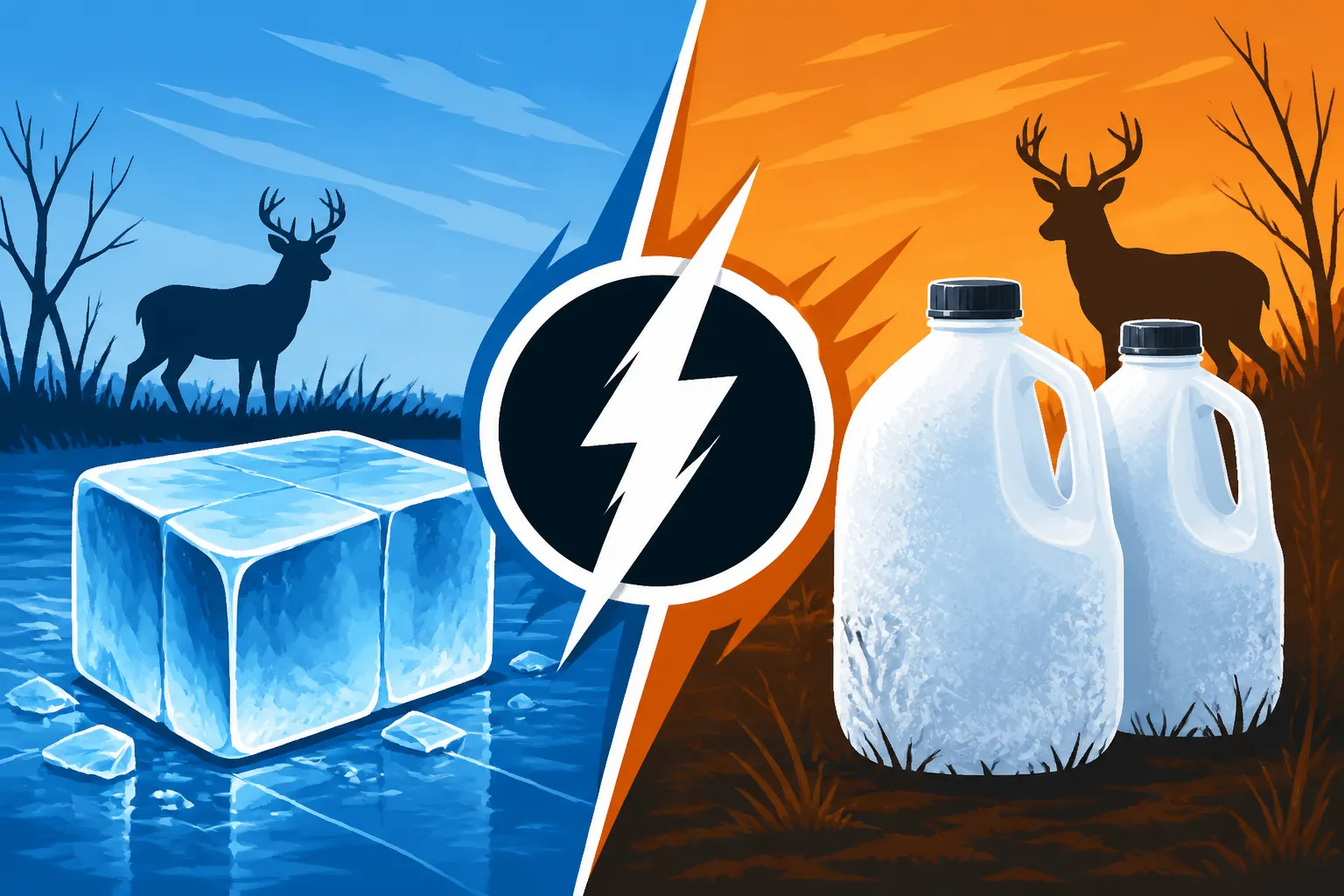
There’s nothing quite like the feeling of having an Iowa whitetail on the ground, but that excitement can quickly turn to stress when you realize you need to get that precious meat cooled down, especially on a warm day. The clock starts ticking the moment that deer hits the dirt, and one of the biggest questions that pops up is how exactly you're going to keep that venison from spoiling between the field and the processor, or your freezer at home. This guide dives deep into the age-old debate among hunters: is it better to rely on traditional loose ice, or are frozen jugs of water the superior choice for preserving your hard-earned game meat?
The Core Challenge: Keeping Venison Cool in Iowa
Iowa weather can be incredibly unpredictable, especially during the early archery season or even a mild day during the shotgun or late muzzleloader seasons. One day it's crisp and cool, the next it's unseasonably warm. This fluctuating environment presents a real challenge for game meat preservation, and understanding why rapid cooling is so crucial is the first step in making smart choices for your harvest.
Why Temperature Matters for Game Meat Quality
The moment an animal is harvested, its internal temperature begins to rise as the metabolic processes cease and the body heat has nowhere to go. Bacteria, which are naturally present on the animal's hide and in its gut, begin to multiply rapidly in warm conditions. These bacteria are the primary culprits behind spoilage, producing off-flavors, odors, and ultimately making the meat unsafe to eat. If you've ever had venison that tasted "gamey" in a bad way, or had an unpleasantly metallic tang, chances are it wasn't cooled quickly or thoroughly enough.
Beyond just spoilage, proper cooling is essential for the texture and overall quality of the meat. When meat cools too quickly or too slowly, or if it undergoes rapid temperature changes, it can lead to "cold shortening" or "heat toughening," resulting in a less tender product. We put in so much effort into the hunt, from scouting to shot placement, it would be a shame to compromise the table fare at this critical final stage. This is particularly true when you’re dealing with a large Iowa buck that represents a significant amount of high-quality protein for your family.
Immediate Field Care and the Need for Prompt Cooling
Before you even think about coolers, the absolute first step in preserving game meat is proper field dressing. Getting the internal organs out quickly allows the carcass to begin cooling from the inside out. This removes a major source of heat and contamination. Once field dressed, if possible, propping open the body cavity to allow air circulation can further aid in heat dissipation. This is particularly vital in Iowa's warmer early seasons, like when you're Field Dressing in Warm October Weather. You can almost feel the heat radiating from the cavity, and that heat needs to escape as quickly as possible.
However, field dressing alone is often not enough, especially if you have a long drag or drive back to camp or home. Transporting the deer, whether whole or quartered, means it will continue to hold heat unless actively cooled. That's where your choice of cooling medium comes in. Getting that deer out of the field and into a cooler with ice or frozen jugs is the next crucial step to ensure the meat quality remains top-notch. Many seasoned hunters will tell you that the real work begins after the shot, and proper meat care is a testament to respecting the animal and ensuring every ounce is utilized.
The Case for Traditional Ice
When most hunters think about keeping game meat cool, their minds immediately go to bags of ice. It’s the tried-and-true method, readily available, and for many, it's just what they've always done. There are certainly some compelling reasons why traditional ice remains a popular choice, particularly in certain hunting scenarios.
Pros of Using Crushed or Cubed Ice
One of the biggest advantages of using crushed or cubed ice is its ability to provide rapid and direct cooling. When you pack loose ice around cuts of meat in a cooler, the ice makes direct contact with nearly every surface. This direct contact facilitates efficient heat transfer, quickly drawing warmth away from the meat and bringing its temperature down. This rapid initial cooling is incredibly beneficial, especially if you're dealing with very warm ambient temperatures during your hunt. Think of an unseasonably warm early October morning; that rapid cool-down is paramount.
Another significant benefit is the flexibility of loose ice. It conforms to the shape of whatever you're packing, filling every nook and cranny in your cooler. This ensures maximum contact and minimizes air pockets, which can act as insulation and slow down the cooling process. You can literally bury your game quarters in a mound of ice, ensuring thorough and even cooling. Plus, ice is universally available. Almost any gas station, convenience store, or grocery store in Iowa will have bags of ice for sale, making resupply relatively easy, even if you’re far from home in a rural area. For a hunter on the go, sometimes convenience is key, and ice delivers on that front.
Cons and Challenges of Traditional Ice
Despite its advantages, traditional ice comes with its own set of drawbacks, the most prominent being meltwater. As ice melts, it turns into water, which then accumulates in the bottom of your cooler. Unless you diligently drain this water, your meat can end up sitting in it. This can lead to the meat becoming waterlogged, which isn't ideal for quality or presentation. The meat can absorb the water, potentially diluting its flavor and making it difficult to achieve a good sear when cooking. Furthermore, any bacteria introduced to the water can then circulate around all your meat.
Managing this meltwater requires constant attention. You need to periodically open the cooler and pull the drain plug, which means exposing the contents to warmer outside air, even if briefly. For multi-day hunts, the cost of continually buying bags of ice can also add up significantly. Imagine a week-long trip targeting a big Iowa buck. You might easily go through several bags a day, and those dollars quickly accumulate. This constant need for resupply and management can become a real hassle, especially if you're deep in the timber or don't want to break up your hunt to run to town. For those thinking about Cooler Size for a Whole Iowa Deer, the volume taken up by melting ice can also reduce the effective cooling space over time.
The Advantages of Frozen Water Jugs (or Bottles)
While loose ice is often the default, a growing number of hunters, myself included, are turning to frozen water jugs or plastic bottles as their primary method for keeping game meat chilled. This strategy brings a different set of benefits, particularly for those looking for a cleaner, more efficient approach.
Benefits of Using Frozen Jugs
The most compelling advantage of frozen jugs is the elimination of messy meltwater directly contacting your meat. When using jugs, the water remains contained within the plastic, meaning your precious venison stays dry. This is a huge win for hygiene and quality. Dry meat is less prone to bacterial growth on its surface, and it preserves its natural flavor and texture better. You won't have to worry about draining murky water or your meat developing that slightly waterlogged texture. This approach aligns perfectly with a proactive hunting strategy, much like what you'd consider when using a tool like GoHunt to plan and execute your trip.
Beyond the cleanliness factor, frozen jugs are incredibly cost-effective and reusable. Instead of buying bags of ice daily, you can simply refreeze your jugs each night (if you have access to a freezer, of course). This saves money over the course of a long hunting season or for hunters who make multiple trips. It also means less waste, which is a bonus for those of us who appreciate Leaving No Trace on Iowa Walk-In Ground. Picture yourself on a Late-Season Food Source Hunting in Iowa trip; you can bring your pre-frozen jugs from home, use them all day, and simply pop them back in the freezer at your cabin or hotel overnight, ready for the next day's use. This kind of preparation is part of being an efficient hunter.
Drawbacks and Considerations for Jugs
While frozen jugs offer significant benefits, they aren't without their drawbacks. One common concern is that they might not provide the same rapid, direct cooling as loose ice. Because the ice is contained within a solid plastic barrier, the heat transfer might be slightly less efficient than direct contact. For very large, warm cuts of meat, or in extremely hot conditions, this slower initial cooling could be a consideration. It means you need to be especially diligent about getting the deer quartered and into the cooler quickly, then packing the jugs effectively to maximize surface contact.
Another practical challenge is their rigid shape. Unlike loose ice that fills every void, jugs are solid objects. This can make them less adaptable to irregularly shaped cuts of meat or odd-sized coolers. You might find yourself with more empty space, or "dead air," in your cooler compared to using crushed ice, which can somewhat diminish their cooling efficiency. Furthermore, using jugs requires forethought and preparation. You can't just run to the nearest gas station for a frozen jug if you forgot to freeze them beforehand. This method demands that you plan ahead, freezing a sufficient number of jugs days in advance of your hunt. This planning is crucial, especially when you're focusing on tasks like Getting a Deer Cooled in October quickly after the shot.
Making the Best Choice for Your Iowa Hunt
Ultimately, the decision between loose ice and frozen jugs isn't a one-size-fits-all answer. The "best" method truly depends on the specific conditions of your hunt, your resources, and your personal preferences. Being prepared for varying conditions is a hallmark of successful Iowa hunting.
Factors Influencing Your Decision
Consider the duration of your trip. For a quick day hunt where you'll be home in a few hours, a few bags of ice might be perfectly adequate, especially if temperatures are moderate. But for a week-long expedition, where you might be Iowa Whitetail Hunting Tactics Through the Rut and need to keep multiple coolers chilled, the reusability of jugs becomes a massive advantage both economically and practically. The expected temperatures also play a huge role. If it's the opening of archery season and the mercury is flirting with 80 degrees, you'll need the most aggressive cooling method possible. Conversely, during late Iowa January Antlerless Hunts, the ambient air might do half the cooling work for you, making either option more forgiving.
Think about the type of meat storage you're doing. Are you quartering the deer in the field and packing bone-in sections, or are you deboning everything to save space? Smaller, deboned cuts might cool more quickly regardless of the medium. Your access to freezers or ice resupply points is also critical. If you're staying in a cabin with a large chest freezer, jugs are a no-brainer. If you're camping remotely, then gas station ice might be your only option for refreshing your cooling supply. Tools like GoHunt can help you visualize your hunting area and potential resupply points, adding to your overall hunt planning efficiency.
Hybrid Approaches for Optimal Meat Care
Sometimes, the best solution isn't one or the other, but a clever combination of both. Many experienced hunters employ a hybrid strategy to leverage the strengths of both ice and frozen jugs. One popular method is to use frozen jugs as the primary cooling source, especially for the bulk of the meat. Place them strategically throughout your cooler, surrounding the quarters or deboned meat. Then, if you want that extra layer of rapid, direct cooling, you can sprinkle a single layer of loose, crushed ice directly on top of the jugs and meat. This gives you the benefit of direct contact without completely submerging your meat in meltwater.
Another technique involves placing your meat in large, heavy-duty trash bags before putting it in the cooler. This acts as a barrier, keeping the meat perfectly dry while allowing you to use as much loose ice as you want around and on top of the bagged meat. You still get the maximum cooling power of ice, but the meat stays pristine. Remember that careful packing is paramount regardless of your chosen method. Ensure the meat isn't just piled in but rather arranged to allow air (or cold transfer) to circulate around as much surface area as possible. This extra effort will pay dividends when you're ready for Aging Venison Before Cutting or Processing Your Own Deer at Home.
Comparison: Ice vs. Frozen Jugs
Here’s a quick overview to help you weigh your options:
| Feature | Traditional Loose Ice | Frozen Water Jugs (or Bottles) |
|---|---|---|
| Initial Cooling Speed | Very fast due to direct contact and conformity. | Good, but potentially slower due to plastic barrier. |
| Meat Dryness | Can get wet from meltwater if not drained frequently. | Meat stays completely dry, no direct meltwater contact. |
| Reusability / Cost | Single-use, requires continuous purchase (higher cost). | Reusable, can be refrozen (lower long-term cost). |
| Availability | Readily available at most stores. | Requires pre-freezing at home or camp with freezer access. |
| Space Efficiency | Conforms perfectly to fill all voids. | Rigid shape may leave more air pockets. |
| Maintenance | Requires frequent draining of meltwater. | Minimal maintenance once placed, no draining needed. |
| Environmental Impact | More plastic bag waste, water consumption for production. | Less waste if reused, tap water used once. |
| Ideal Use Case | Quick cooling needed, short trips, no freezer access. | Multi-day hunts, desire for dry meat, freezer access. |
In the end, whether you choose ice, frozen jugs, or a smart combination, the most important thing is to have a plan and execute it diligently. Your venison deserves the best care you can give it, honoring the harvest and providing delicious, high-quality meat for your table. Good luck out there, and happy hunting!
Disclaimer
This article is for general informational purposes only and does not constitute professional advice. Laws, prices and regulations vary by location and change over time. Consult a qualified professional for guidance on your specific situation.