What to Carry for an All-Day Sit
There’s nothing quite like the anticipation of an all-day sit in an Iowa treestand or ground blind. You’ve put in the scouting, picked the perfect spot, and the weather forecast looks promising for deer movement. But the dream can quickly turn into a chilly, uncomfortable, and unproductive reality if you haven't meticulously planned what goes into your pack. This guide is all about making sure you’re prepared for anything, transforming a long day in the timber or on a field edge into a comfortable, focused, and potentially successful hunt.
The Essentials: Non-Negotiables for Every Hunt
When you’re heading out for an all-day sit, whether it's an early archery morning or a late-season shotgun hunt, certain items are non-negotiable. These aren't just about comfort; they're about safety and ensuring you can effectively hunt from dawn until dusk. It’s easy to get caught up in the big gear purchases, but often it’s the small, overlooked items that make or break a long sit.
Safety First, Always
Your personal safety should always be the absolute top priority. This means having the right gear to prevent accidents and to handle unexpected emergencies. Don't ever skimp on these items.
First and foremost, if you're hunting from an elevated position, a quality safety harness is paramount. I've seen too many experienced hunters take shortcuts, thinking "it won't happen to me." Falls from treestands are among the leading causes of serious hunting injuries. Make sure your harness fits properly, that you know how to use it, and that your lifeline is securely attached before your feet leave the ground. Even if you're just climbing a few feet for better visibility, it's not worth the risk. Always carry a sharp knife, not just for field dressing, but as a critical tool for cutting tangled lines or gear in an emergency. A small first-aid kit, even a compact one with essentials like bandages, antiseptic wipes, pain relievers, and moleskin for blisters, can turn a miserable minor injury into a manageable one. And let's not forget a whistle – it might seem old-fashioned, but it's far more effective at signaling for help than shouting when you're disoriented or injured. For more on staying safe, check out Safety Harnesses and Lifelines.
Navigation and Communication
Getting lost, or being unable to communicate with your hunting party or loved ones, is a serious concern, especially when you're deep in the timber or on unfamiliar public ground. Modern technology has certainly made this easier, but don't rely solely on a single device.
A fully charged cell phone is a given, but batteries die, and signal can be spotty in remote areas of Iowa. Always have a backup plan. This could be a traditional compass and a paper map of your hunting area, especially useful when combined with scouting tools like those offered by GoHunt, which can help you map out your route and mark your stand locations. Many hunters also use dedicated GPS units or robust hunting apps on their phones that allow for Offline Maps for Iowa Public Ground. Before you leave the house, make sure your planned route in and out is marked, especially if you're navigating in the dark. A headlamp with fresh batteries, and a spare set of batteries, is another absolute must. Trying to navigate unfamiliar terrain in pitch blackness, especially after a successful hunt, is a recipe for a bad time. You'll thank yourself for having Headlamps for Walking Out After Dark when the sun dips below the horizon. A small power bank for charging your phone is also a smart addition, particularly with the way cold weather can drain device batteries.
Basic Field Kit
These are the small items that often get overlooked but are invaluable. Think of them as your mini-survival and convenience kit.
This includes things like a small multi-tool, which can handle everything from minor gear repairs to opening stubborn packaging. Paracord or a few zip ties are incredibly versatile for repairs, hanging gear, or even creating an emergency shelter. Toilet paper or scentless wipes, sealed in a Ziploc bag, are not just for hygiene but can also double as fire starter in a pinch (though obviously, be cautious with open flames in the timber). Hand sanitizer is great for quick clean-ups before and after handling game or food. A small roll of electrical tape or duct tape can fix anything from a leaky boot to a ripped jacket. Carrying a small, lightweight water filter or purification tablets can also be a lifesaver if you unexpectedly run out of water far from your vehicle, though Iowa is blessed with many accessible streams and ponds in hunting country.
Comfort and Sustenance: Enduring the Long Haul
An all-day sit is a mental game as much as it is a physical one. Discomfort, hunger, and thirst can quickly lead to a loss of focus and an early exit from the stand. Being prepared for the elements and keeping your body fueled will allow you to stay in the game longer and more effectively.
Staying Warm and Dry
Iowa weather can be notoriously fickle, especially during deer season. A warm, sunny morning can turn into a cold, wet afternoon in the blink of an eye. Being prepared for these shifts is key to staying comfortable and, more importantly, safe.
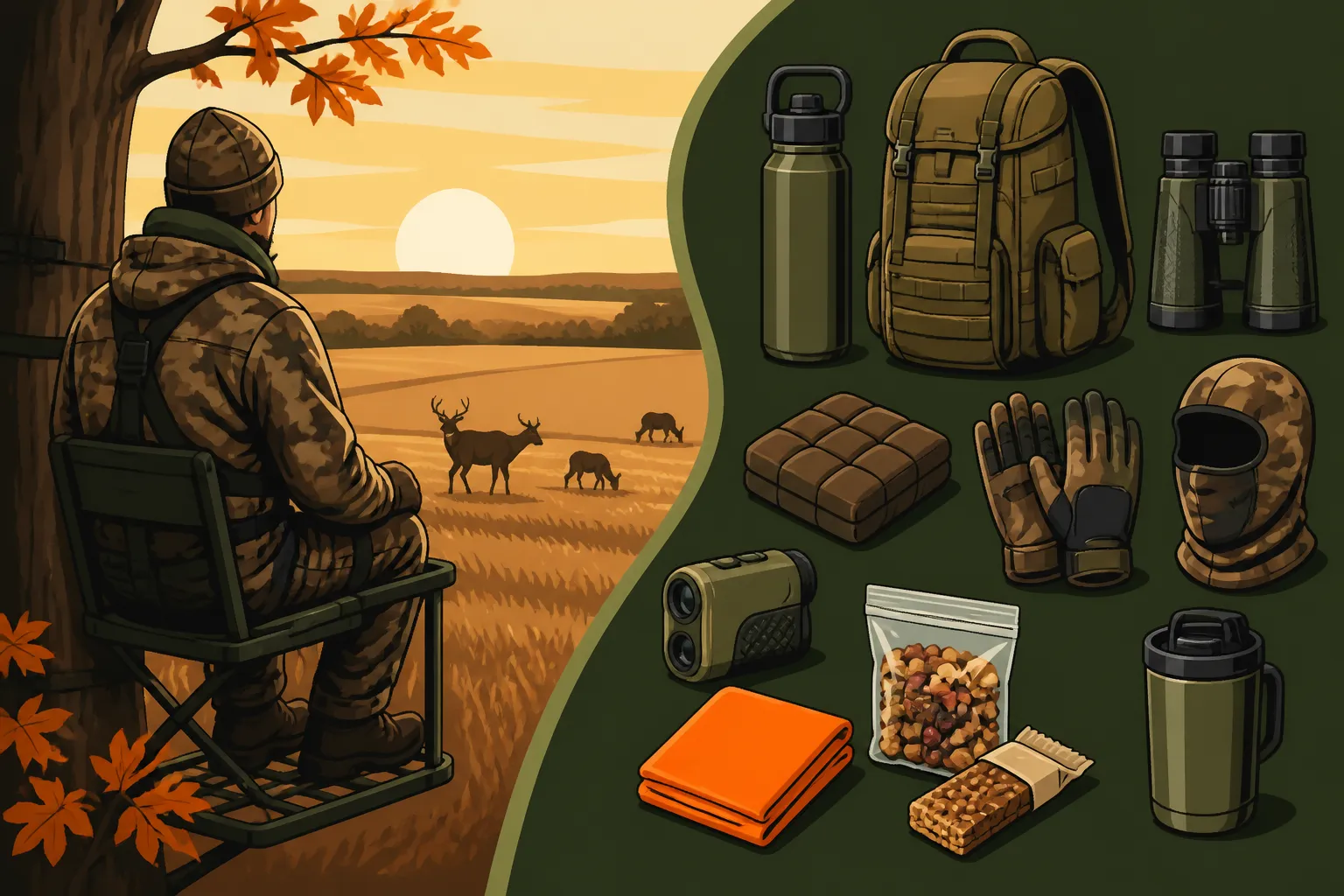
Layering is your best friend when it comes to Cold Weather Stand Clothing. Even if the forecast calls for mild temperatures, always pack an extra layer or two, especially a quality waterproof and windproof shell. A sudden rain shower or a sharp drop in temperature can make an unprepared hunter miserable, leading them to leave the stand just when the deer start moving. A heavy pair of insulated gloves or mittens, along with hand and toe warmers, are critical for maintaining dexterity and focus during frigid late-season hunts. There's nothing worse than not being able to draw your bow or feel your trigger finger because your hands are numb. A warm hat is also essential, as a significant amount of body heat escapes through your head. Consider packing a neck gaiter or balaclava for extra protection against biting winds. For more tips on enduring the cold, read Staying Warm on a December Sit.
Fueling Your Focus
You can’t expect your body and mind to perform optimally if they aren't properly fueled. An all-day sit requires sustained energy and concentration. Don't rely solely on a big breakfast before you head out.
Pack a variety of easy-to-eat, high-energy snacks that don't make a lot of noise when opened. Think granola bars, trail mix, jerky, nuts, and dried fruit. A sandwich or a wrap can also be a welcome, more substantial meal. Avoid overly sugary snacks that lead to a crash. It’s also crucial to stay hydrated. Water is best, but a thermos of warm coffee, tea, or even just hot water can provide a much-needed mental and physical boost on a cold morning. A insulated bottle will keep your drink warm for hours. Make sure to pack enough liquids for the entire day, as dehydration can sneak up on you, impairing your judgment and energy levels.
Managing the Call of Nature
Let's be real: when you’re out there all day, nature calls. Planning for this unavoidable reality is part of a successful long sit.
For men, a dedicated pee bottle with a tight-fitting lid is a game-changer. It allows you to relieve yourself quietly and discreetly without having to climb down from your stand, which can create scent and disturb the area. For women, portable urinary devices can offer similar convenience. Remember to always bring scentless wipes and a Ziploc bag to pack out any waste – leaving no trace is crucial, especially on public land. Nobody wants to find human waste at their favorite hunting spot. Keeping your stand area clean and free of unnatural scents is a vital part of staying undetected by wary Iowa whitetails.
Hunting-Specific Gear: Optimizing Your Opportunities
Beyond the essentials and comfort items, there's specialized gear that directly impacts your ability to spot, attract, and recover game. These tools are what turn "just sitting" into "active hunting."
Optics and Rangefinding
Clear vision and precise distance measurement are critical for ethical and successful shots, particularly when you’re judging a buck at the edge of legal shooting light or through thick timber.
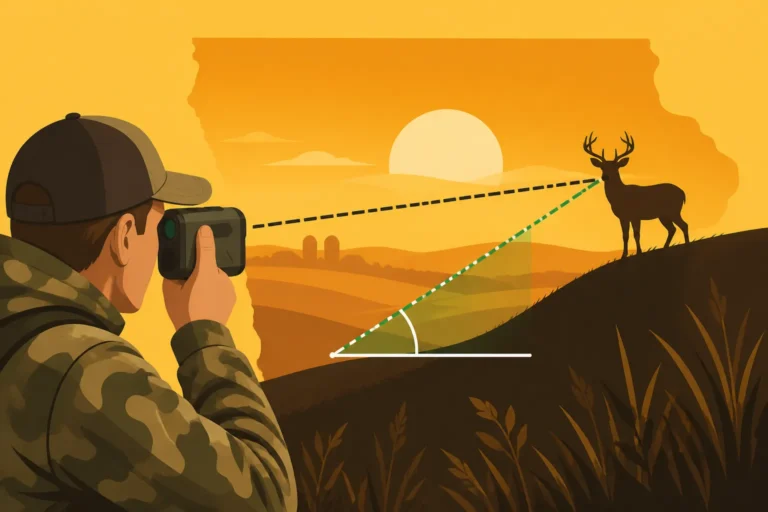
A good pair of binoculars is indispensable for scanning the woods, identifying distant deer, and picking apart cover. For Iowa's rolling timber and open field edges, an 8×42 or 10×42 pair strikes a great balance between magnification and light-gathering capability. Being able to glass a distant ridge or pick out a tined buck moving through a cedar thicket can be the difference between filling your tag and going home empty-handed. Complementing your binoculars with a reliable rangefinder is equally important. Knowing the exact distance to your target, especially if you're bowhunting or using a slug gun with a limited effective range, is non-negotiable for a clean, ethical shot. Don't just guess; verify the distance to known landmarks around your stand before any deer even appear. For more on this, check out Rangefinders for Bow and Slug Ranges.
Calling and Scent Control
Being able to communicate with deer and minimize your human scent can drastically increase your odds, especially during the rut.
A variety of calls – grunt tubes, bleat cans, or rattling antlers – can be effective at different times during the season. Understanding Rattling Volume in Thick Timber or when to use Grunt Calls That Work in the Pre-Rut can be the difference between an unseen deer passing by and one coming into range. Practice with your calls beforehand so you sound natural, not like a squeaky toy. Scent control is another huge factor. While no system is foolproof, carrying scent-eliminating spray to refresh your gear and clothes, and always wearing clean outer layers that have been stored properly, can help. Many hunters swear by various products and techniques, but ultimately, playing the wind and staying still are your best allies. You can learn more about managing scent in Ozone and Scent Control Claims.
Processing and Recovery Prep
The hunt doesn’t end when the shot is fired. Being prepared for the aftermath is just as important as the hunt itself.
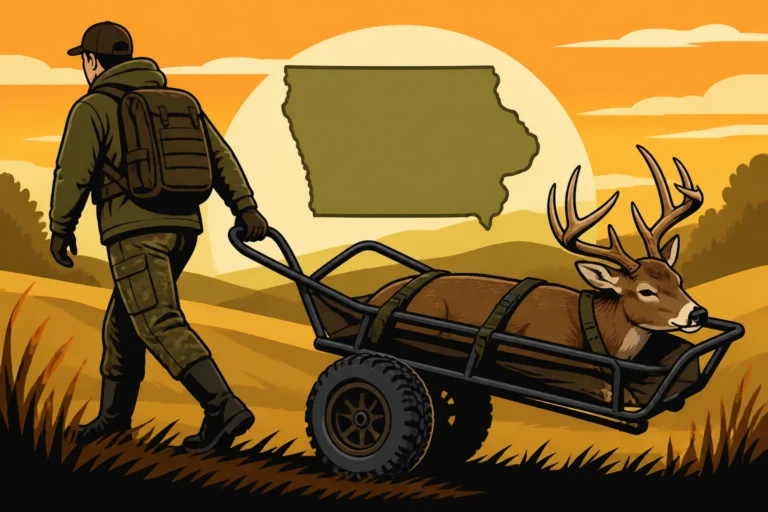
Always carry a sharp field dressing knife and a way to sharpen it, even a small stone or ceramic stick. If you’re hunting in warmer weather, game bags are crucial for keeping meat clean and cool, especially if you plan on quartering the deer in the field to make the pack-out easier. A small roll of flagging tape can be invaluable for marking a blood trail or your path to a downed animal, especially in dense cover like a multiflora rose thicket or tall CRP grass. A pair of rubber gloves can also be handy for field dressing, keeping your hands clean and minimizing contamination. Thinking through your recovery plan before you even step foot in the woods, considering the terrain and your capabilities, is part of being a responsible hunter. If you do take a deer, know how to handle the meat quickly and effectively, particularly if the weather is warm. Field Dressing in Warm October Weather offers great advice on this.
Organization and Packing Strategies: Making it All Fit
You can have all the right gear, but if it’s a chaotic mess at the bottom of your pack, it’s not doing you any good. Efficient organization is about quick access and minimizing noise.
Choosing the Right Pack
Your pack is more than just a bag; it's your mobile command center. Choosing the right one makes a huge difference in comfort and utility.
For an all-day sit, you'll want a pack with enough capacity (around 2000-3000 cubic inches is often a good starting point) to carry all your essentials without being overly bulky or heavy. Look for packs made from quiet, durable materials that won't rustle loudly when you move. Padded shoulder straps and a waist belt are crucial for comfort, especially if you have a long walk to your stand. Internal organization, with multiple pockets and compartments, can help keep everything sorted and accessible. Many hunters opt for specific Packs for a Day in an Iowa Stand designed with hunters in mind, often featuring external straps for carrying a treestand or bow. GoHunt offers resources and forums where hunters often discuss their favorite gear, including pack recommendations that stand up to Iowa's diverse hunting conditions.
Packing for Accessibility
Once you have your pack, it's all about how you load it. The goal is to have frequently used items easily accessible, while less critical gear can be stowed deeper.
Keep your headlamp, calls, rangefinder, and snacks in external pockets or the top compartment for quick, silent retrieval. Your water bottle should be in a side pocket you can reach without taking off your pack. Heavy items, like extra clothing or a thermos, should be placed close to your back for better balance. Utilize Ziploc bags to keep items dry and organized – it’s amazing how quickly small items can get lost in a large compartment. Consider using smaller stuff sacks or ditty bags within your main pack to group similar items. For instance, all your first-aid supplies in one bag, all your fire-starting materials in another. This prevents you from rummaging around and making noise when you need something quickly.
| Category | Essential Items | Optional/Comfort Items | Notes |
|---|---|---|---|
| Safety | Safety harness, Knife, First-aid kit, Whistle | Rope/cord, Fire starter (waterproof), Compass (backup) | Never compromise on safety. |
| Navigation | Phone (charged), Headlamp (w/ fresh batteries) | Power bank, GPS unit, Paper map, Spare headlamp batteries | Mark your route beforehand, especially for dark walks. |
| Communication | Cell phone (charged), Two-way radio (for party hunts) | Always let someone know where you're hunting. | |
| Sustenance | Water (ample supply), High-energy snacks | Thermos with hot drink, Sandwich/wrap, Water filter | Avoid sugary snacks; stay hydrated. |
| Warmth/Dryness | Extra layers, Waterproof outer shell, Gloves/Mittens | Hand/toe warmers, Neck gaiter, Warm hat, Rain pants | Iowa weather is unpredictable; layer up! |
| Hunting Tools | Binoculars, Rangefinder, Calls (grunt, bleat, rattles), Wind checker | Scent spray, Game bags, Flagging tape, Rubber gloves | Optimize your shot; be prepared for recovery. |
| Misc. | Toilet paper/wipes, Multi-tool, Ziploc bags, Duct tape | Pee bottle, Small trash bag, Sunscreen/bug spray | Small conveniences make a big difference. |
Being prepared for an all-day sit isn't about carrying everything but the kitchen sink; it's about carrying the right things. It’s about being thoughtful and intentional with every item you pack. By focusing on safety, comfort, and optimizing your hunting efforts, you transform a potentially challenging endeavor into a rewarding and enjoyable experience. The more prepared you are, the longer you can stay in the woods, and the higher your chances of encountering that Iowa whitetail you’ve been dreaming about.
Disclaimer
This article is for general informational purposes only and does not constitute professional advice. Laws, prices and regulations vary by location and change over time. Consult a qualified professional for guidance on your specific situation.