Loess Hills State Forest Hunting
Hunting the Loess Hills State Forest in Iowa presents a truly unique challenge, a stark contrast to the flat farmlands most people associate with our state. Many hunters feel overwhelmed by the incredibly steep, rugged terrain and dense timber, unsure how to approach such an unforgiving landscape effectively. This guide is designed to help you unravel the mysteries of hunting this distinctive region, providing practical strategies and insights to make your time in the Loess Hills both successful and enjoyable.
Understanding the Unique Terrain of Loess Hills State Forest
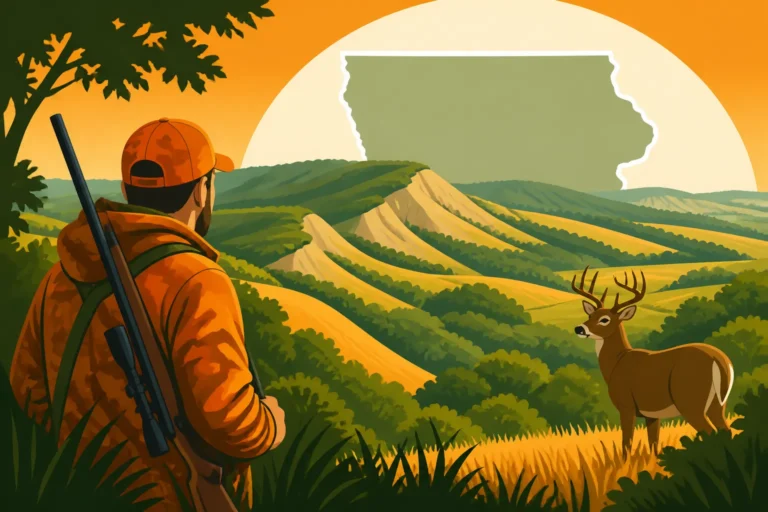
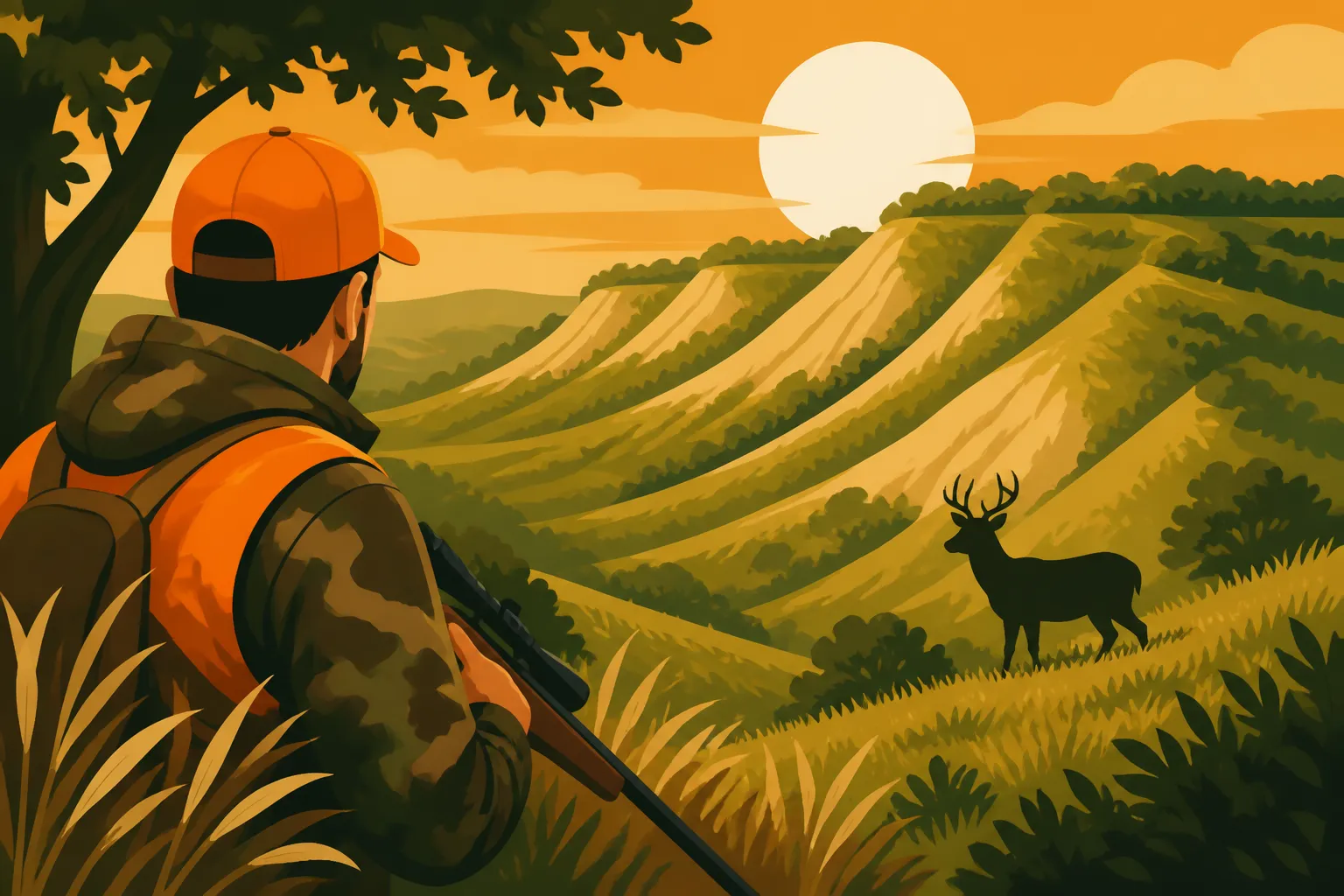
The Loess Hills State Forest, found primarily along Iowa’s western border, is a geological marvel. Unlike much of the gently rolling or flat agricultural land that defines Iowa, this region boasts a dramatic landscape of steep, razor-backed ridges and deep, winding ravines. It’s a place that demands respect and a different approach to hunting.
Geological Formation and Topography
What exactly makes the Loess Hills so special? It all comes down to the wind. Thousands of years ago, prevailing westerly winds deposited thick layers of fine, silty soil, known as loess, across this region. Over time, erosion by wind and water carved these deposits into the distinctive, sharply contoured hills we see today. Imagine walking along a ridge where both sides drop off steeply into deep, shadowed valleys—that’s the Loess Hills experience. These ridges often run north-south, creating natural travel corridors for deer and other wildlife, but also presenting significant challenges for hunters trying to navigate quietly and efficiently.
This unique topography means that what looks like a short walk on a map can quickly turn into a grueling climb up and down multiple steep grades. The soil itself, while fertile, can be crumbly and slick, especially after rain or snow, making foot placement critical. You'll find yourself needing to adapt your pace and movement constantly, unlike the more predictable walks you might take in flatter timber stands. Understanding this land form is the first step to successful hunting here; it dictates everything from how deer move to where you'll want to place your stand.
Dominant Vegetation and Cover Types
The vegetation in the Loess Hills State Forest is as distinctive as its topography. You'll primarily encounter dense timber, often a mix of oak and hickory, with a thick understory of shrubs and small trees that can make visibility challenging. The south-facing slopes, which receive more sunlight, often feature drier conditions and can have stands of native prairie grasses mixed with brush, while the north-facing slopes are typically cooler, moister, and dominated by heavier timber. This creates a mosaic of habitats, each utilized differently by wildlife.
One of the most defining characteristics is the incredibly thick cedar and sumac thickets found in many of the ravines and on sheltered slopes. These areas offer incredible thermal and bedding cover for deer, making them magnets for mature bucks, especially during cold weather or when they feel pressured. Navigating these dense cover types can be a real struggle, often requiring slow, deliberate movement to avoid alerting game. It’s not uncommon to be within mere yards of a bedded deer and never know it until they burst from cover. Cedar and Locust Thickets as Bedding Cover explores how deer utilize such dense areas.
Water Sources and Drainage Patterns
Water is a critical element in any hunting landscape, and the Loess Hills are no exception. While major rivers like the Missouri River flank the region, within the forest itself, water sources are primarily found in the bottoms of the deeper ravines or in spring-fed seeps that emerge from the loess soil. These small creeks and drainages, often seasonal, serve as vital travel corridors for deer and other wildlife, especially during dry periods when other water might be scarce.
The drainage patterns created by the steep hillsides are also crucial for understanding game movement. Rainwater quickly funnels into the ravines, creating natural funnels and pinch points where deer are likely to travel. These low areas, even if dry, can be high-traffic zones. You’ll find that deer often follow the paths of least resistance, which in the Loess Hills means using the contours of the land, moving along the bottoms of draws or skirting the edges of the steepest slopes. Identifying these natural travel routes by observing drainages can significantly improve your chances of intercepting deer.
Prime Game Species and Their Habitat in the Loess Hills
The Loess Hills State Forest might be rugged, but it’s teeming with life, offering hunters opportunities for several species. Whitetail deer and wild turkeys are undoubtedly the stars of the show, but a variety of small game and predators also call this unique ecosystem home.
Whitetail Deer: Adapting to Steep Slopes
Iowa is famous for its whitetail deer, and the Loess Hills certainly contribute to that reputation, albeit with a unique twist. Deer here are incredibly adapted to the steep, broken terrain. They are agile climbers and masters of using the complex topography to their advantage, often bedding on steep points or in thick cover within the deep ravines where they can detect predators from below and above. You'll find that these deer are often more physically robust than their counterparts in flatter agricultural areas, building muscle navigating the constant elevation changes.
Hunting whitetails in the Loess Hills means paying close attention to micro-terrain features. Saddles, benches, and finger ridges that extend off the main ridge lines become critical travel corridors and bedding areas. Deer will use these features to move between feeding areas in adjacent crop fields or pockets of browse, and the dense cover of the timber. Scouting for rubs, scrapes, and well-worn trails in these areas is paramount. Hunting Saddles and Pinch Points in Rolling Timber provides excellent strategies that apply directly to this type of terrain. The challenges of this environment can make recovering a deer particularly arduous, often requiring significant effort to get a deer out of a deep ravine. Getting a Deer Out of an Iowa Creek Bottom offers some insight into such demanding recoveries.
Wild Turkeys: Roosting and Foraging in the Bluffs
The rolling, timbered landscape of the Loess Hills provides fantastic habitat for Eastern wild turkeys. These birds thrive in areas with mature timber for roosting and a diverse understory for foraging. The steep slopes and deep ravines offer them protection and plenty of food sources like acorns, insects, and native plant seeds. You’ll often find them roosting on tall trees along the highest ridges or deep within the sheltered ravines, making for exciting morning hunts as they fly down.
Hunting turkeys here often involves a good deal of hiking and strategic calling. Setting up on a ridge where you can hear gobblers off multiple roosts, then trying to cut the distance as they hit the ground, can be highly effective. Understanding their daily patterns—where they roost, where they water, and where they typically feed—is key. Just like with deer, the elevation changes play a significant role in how you approach and call to turkeys. A gobbler on a ridge above you might be hesitant to come down into a ravine, and vice-versa, so positioning is crucial. Loess Hills Deer and Turkey Hunting further delves into the specific challenges and rewards of pursuing these iconic species here.
Other Small Game and Predators
Beyond deer and turkey, the Loess Hills State Forest offers opportunities for other species. Cottontail rabbits and various squirrel species are abundant in the diverse timber and brushy areas. For hunters looking for a different challenge, these smaller game animals provide plenty of action, often requiring a good pair of walking boots and keen eyesight.
The thick cover also supports a healthy population of predators. Coyotes are common, and their calls often echo through the ravines. Bobcats, too, have a presence in the Loess Hills, utilizing the dense undergrowth and rocky outcrops for cover and denning. While not typically hunted for meat, pursuing these predators can be a thrilling experience, adding another layer to the diverse hunting opportunities available in this unique Iowa landscape.
Navigating Access and Public Use in Loess Hills State Forest
Hunting in the Loess Hills State Forest requires a strategic approach to access and an understanding of public land etiquette. While these lands are open to everyone, finding the right entry points and minimizing your impact on the resource, and other hunters, is essential for a good experience.
Identifying Access Points and Boundaries
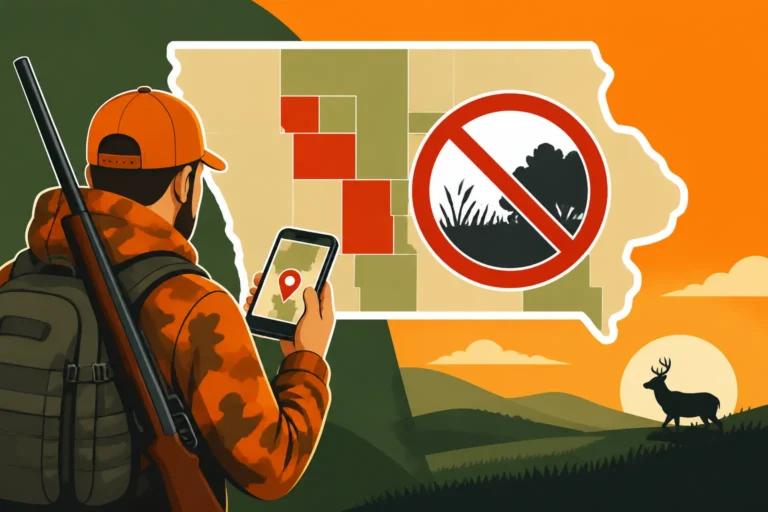
One of the biggest frustrations hunters face in the Loess Hills is simply figuring out where they can go. The forest is often interspersed with private land, and not all public land has obvious or easy access. This makes mapping tools an absolute necessity for anyone venturing into this area. Services like onX Hunt or GoHunt are invaluable for clearly delineating public land boundaries, identifying legal access points, and showing property lines. Relying solely on a general paper map or hoping to "figure it out" when you arrive is a recipe for frustration and potentially trespassing.
Before you even leave home, spend considerable time E-scouting. Look for public road access, designated parking areas, and any public easements that cut through private property. Pay close attention to the contours of the land, noting how the terrain might funnel or restrict access, and where natural barriers like steep drop-offs could prevent easy movement. Remember, just because it’s public land doesn't mean it's easy to get to, and a long walk-in is often the norm. Downloading Iowa Public Land Maps and onX Layers for Iowa Land Status are great resources to get started with mapping.
Understanding Regulations for Stands and Blinds
Hunting on public land comes with a specific set of rules regarding temporary structures like treestands and ground blinds. In Iowa, generally, you are allowed to use portable treestands and ground blinds on public hunting areas. However, these stands usually must be removed daily or within a certain timeframe after the season closes. It's crucial to check the most current Iowa DNR regulations for Loess Hills State Forest specifically, as rules can sometimes vary by management area. Screw-in steps are typically prohibited on public timber, for example, to prevent damage to trees.
When selecting a spot for your stand or blind, consider not only game movement but also visibility to other hunters. The Loess Hills can be popular, especially during peak deer season. Positioning your stand discreetly, away from obvious trails and access points, can help you maintain your solitude and avoid conflicts. If using a ground blind, remember to brush it in naturally to ensure it blends with the environment, not just for deer, but also to make it less conspicuous to other users. Portable Stand Rules on Iowa Public Ground offers more details on these regulations.
Managing Hunting Pressure and Other Users
The rugged nature of the Loess Hills means that certain areas will naturally see less hunting pressure due to their inaccessibility. Hunters willing to put in the extra effort and hike deeper into the forest will often be rewarded with less disturbance. However, during popular seasons like the shotgun deer season, even remote corners can see increased activity. It's important to be aware of other hunters and practice good etiquette, like giving others ample space and communicating if you encounter them.
One strategy to mitigate pressure is to hunt during weekdays rather than weekends, or to focus on late-season opportunities when many hunters have packed it in. Also, consider hunting parcels that might appear less attractive on a map but offer a long, tough walk-in, as these often deter casual hunters. Understanding that you won't always have a vast tract of land to yourself is key, and being respectful of others who are also trying to enjoy the public resource will go a long way. Hunting Pressure After Opening Weekend delves into how hunting pressure affects deer movement and hunter strategy.
Strategic Hunting Tactics for Loess Hills State Forest
Hunting the dramatic landscape of the Loess Hills requires more than just general deer or turkey tactics; it demands strategies specifically tailored to its steep, broken terrain. Forget everything you know about flatland hunting; this is a different game entirely.
Scouting Techniques for Steep, Timbered Terrain
Effective scouting is the bedrock of success in the Loess Hills, and it's a labor-intensive process. Forget driving around in your truck; you'll be putting in serious miles on foot. Focus on identifying key features: saddles between ridges, benches along steep hillsides, and the bottoms of deep ravines that act as natural travel corridors. Look for fresh rubs, scrapes, and well-worn trails, paying close attention to the size of the tracks and rubs to estimate the quality of bucks in the area. Remember, deer will often take the path of least resistance, which in this terrain means contouring rather than constantly climbing straight up and down.
Pre-season scouting is ideal, especially when foliage is down, allowing for better visibility of terrain features and old sign. However, in-season scouting, especially after a fresh snow, can reveal current travel patterns. Use your mapping tools to mark every piece of sign, every potential bedding area, and every funnel. Don't be afraid to backtrack and approach areas from multiple angles to understand how deer are using the terrain. Scouting Iowa Timber and River Bottoms provides foundational knowledge that is critical to success here, emphasizing the need to truly understand the landscape.
Effective Stand and Blind Placement
Once you've identified key travel corridors and bedding areas, the next challenge is stand or blind placement. In the Loess Hills, this often means getting creative. High-percentage spots include saddles connecting two ridges, particularly those with dense cover nearby, or benches on steep slopes that provide a natural pause point for deer traversing the hillside. Funnels created by intersecting ravines or sections of thinner timber adjacent to thick bedding areas are also prime locations. Given the steepness, ladder stands might be difficult to set up or even carry in. Mobile hunting with a treestand or saddle setup becomes a highly attractive option. Mobile Saddle Hunting in Iowa details how to approach this adaptable style of hunting.
When placing a stand, always consider your access route, making sure you can get in and out quietly without alerting deer. Elevated stands are often advantageous as they can give you a better vantage point over the undulating terrain and help your scent dissipate above deer travel routes. For ground blinds, positioning them along field edges or in strategic clearings within the timber can work, but remember to brush them in heavily. The goal is to maximize your shot opportunities while remaining undetected, which is particularly challenging in this unique environment where deer can appear from unexpected angles.
Incorporating Wind and Thermals in Your Strategy
Understanding wind and thermals is paramount in the Loess Hills, perhaps even more so than in flatter areas. The dramatic elevation changes create complex thermal currents that can be incredibly unpredictable. In the mornings, as the sun rises, thermals typically rise, carrying your scent uphill. In the evenings, as the air cools, thermals fall, carrying your scent downhill. However, these patterns can be heavily influenced by terrain features—a deep, shaded ravine might hold cooler air longer, creating a localized downdraft even as general thermals are rising.
Always prioritize playing the wind, but in the Loess Hills, you must also consider thermals. A classic mistake is to set up for a prevailing wind without accounting for how thermals will affect your scent cone at different times of the day. A great strategy is to identify stand locations that offer an advantage during specific times, rather than trying to find one spot that works all day. For instance, a stand near a saddle might be perfect for an evening hunt when thermals are pulling scent down into a ravine, but a poor choice for a morning hunt if deer are moving uphill. Wind and Thermals in River Breaks offers excellent insights into how these atmospheric conditions affect game movement and hunter strategy, principles that are directly applicable to the Loess Hills.
Essential Gear and Preparation for the Loess Hills Hunter
Hunting the Loess Hills is physically demanding and requires specific gear and a level of preparation beyond what you might need for a typical Iowa hunt. Being well-equipped can make the difference between a frustrating trip and a successful, safe outing.
Footwear and Clothing for Demanding Terrain
Your choice of footwear is perhaps the most critical gear decision for the Loess Hills. You need boots that offer exceptional ankle support for navigating steep, uneven ground, and excellent traction to prevent slips on slick mud, wet leaves, or crumbly loess soil. Waterproofing is also non-negotiable, as you’ll likely encounter damp ravines, dewy grass, or unexpected creek crossings. Forget flimsy boots; invest in sturdy, high-quality hiking or hunting boots that can withstand the abuse of this terrain. Boots for Wet Iowa Timber provides a detailed breakdown of what to look for in appropriate footwear.
For clothing, layering is key, regardless of the season. The constant climbing and descending will generate heat, even on cool days, so you'll want to be able to shed layers easily to prevent sweating. Conversely, sitting still on a stand can quickly lead to a chill once you stop moving, especially in the shaded ravines. Durable, quiet fabrics that can stand up to snags from briars and thick brush are also important. Consider a good quality pack that can comfortably carry extra layers, water, and emergency supplies without shifting or digging into your shoulders during steep climbs.
Navigation Tools and Safety Equipment
Given the confusing nature of the terrain, reliable navigation tools are absolutely essential. A GPS unit or a smartphone with a robust mapping app (like onX Hunt) is not just a convenience, but a critical safety tool. Not only will it help you find your stand and track game trails, but it can also guide you back to your vehicle after dark or if you become disoriented. Always download offline maps before heading out, as cell service can be spotty or non-existent in the deep ravines of the Loess Hills.
Beyond navigation, always carry a few key safety items. A high-quality headlamp with extra batteries is crucial for walking in and out in the dark. A whistle can be used to signal for help if you get lost or injured. A basic first-aid kit, some emergency snacks, and extra water are also smart additions to your pack. Inform someone of your hunting plans, including your specific hunting area and expected return time. This is especially important when hunting alone in such rugged country. Leaving a Trip Plan for a Public Hunt is a crucial read for ensuring your safety in the field.
Retrieving Game from Difficult Areas
One of the biggest realities of hunting in the Loess Hills is that if you're successful, you'll likely face a challenging recovery. A deer shot in the bottom of a steep ravine can feel like it doubles in weight when you try to drag it uphill. Planning for game retrieval before you even shoot is a smart move. Consider specialized gear like a heavy-duty game cart, a drag harness, or even a rope and pulley system if you anticipate needing to haul an animal up a particularly steep slope. Quartering a deer in the field might be the most practical approach for many, especially if you're alone or hunting deep in the timber.
Have a plan for how you’ll get the meat cooled quickly, especially during warmer early seasons. Carrying game bags can protect the meat if you need to quarter it and make multiple trips. Understand that recovering an animal from these hills can take hours of arduous work, sometimes extending into the next day. Be prepared physically and mentally for this aspect of the hunt, as it's a significant part of the Loess Hills experience.
Here's a quick overview of some Loess Hills hunting considerations:
| Aspect | Challenge | Strategic Solution | Key Equipment |
|---|---|---|---|
| Terrain | Extremely steep ridges, deep ravines, crumbly soil | Focus on saddles, benches, and ravine bottoms for travel | Sturdy, high-traction, waterproof boots |
| Navigation | Interspersed public/private land, confusing contours | E-scout heavily, use reliable mapping apps | GPS/Smartphone with offline maps (e.g., onX Hunt) |
| Scent Control | Unpredictable thermals, swirling winds | Understand thermal shifts, play the wind meticulously | Layered clothing, scent-reducing outerwear |
| Stand Placement | Limited flat ground, dense cover, difficult access | Mobile stands/saddles, strategic funnel placement | Lightweight treestand, climbing sticks, saddle |
| Game Retrieval | Hauling game uphill from deep ravines | Plan for quartering, use game carts/drag harnesses | Game bags, strong rope, sturdy deer cart |
| Physical Demands | Constant climbing and descending | Regular physical conditioning, carry sufficient water | Breathable layers, hydration pack |
Disclaimer
This article is for general informational purposes only and does not constitute professional advice. Laws, prices and regulations vary by location and change over time. Consult a qualified professional for guidance on your specific situation.