Boots for Wet Iowa Timber
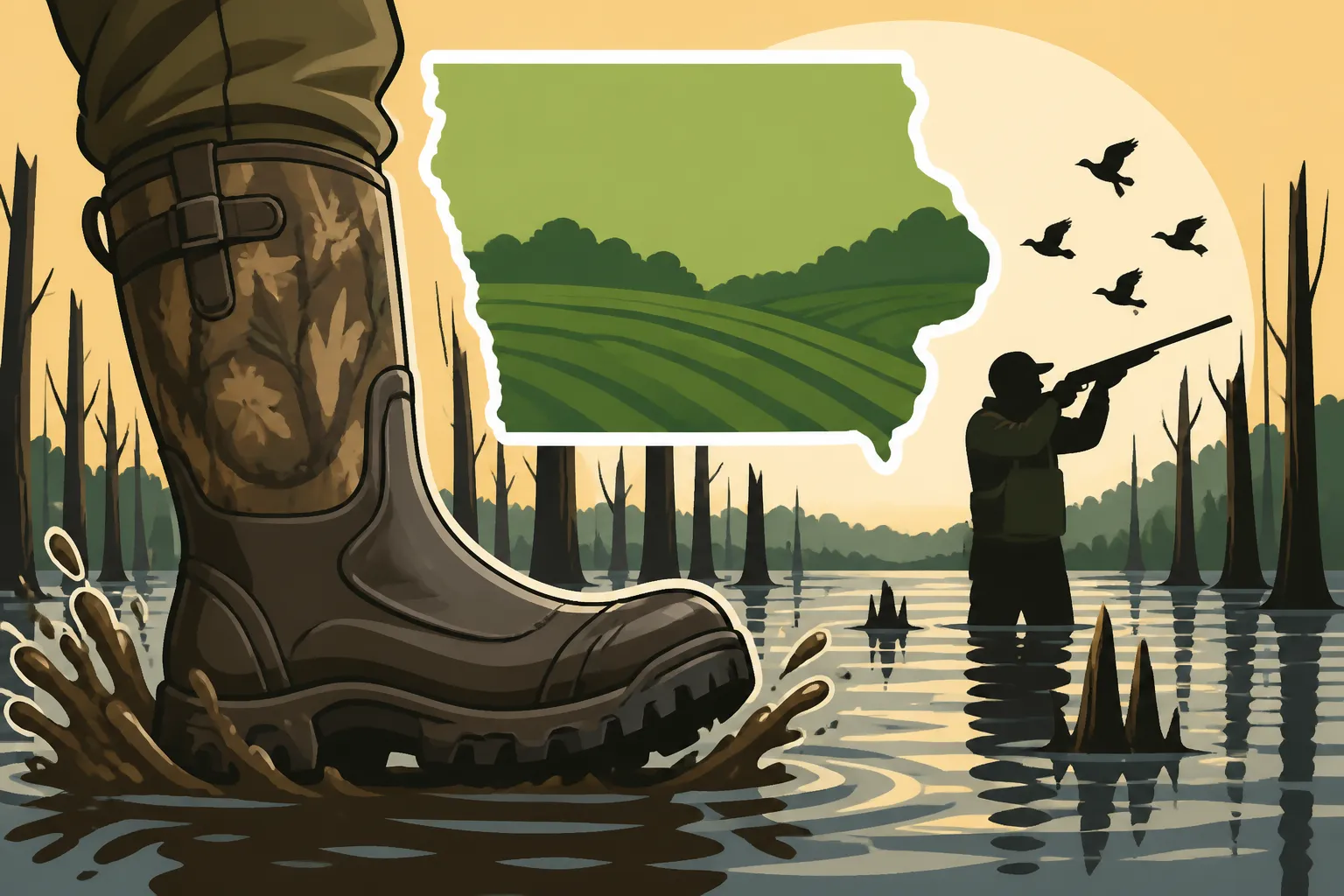
There are few things more miserable on a cold Iowa morning than feeling that tell-tale chill seep into your toes, quickly followed by the squish of water. Wet feet in the deer woods aren't just uncomfortable; they can ruin a hunt, lead to frostbite, and completely shatter your focus. This guide is all about navigating the notorious mud, mucky creek bottoms, and slushy timber of Iowa by helping you choose, care for, and effectively use the right boots to keep your feet warm and dry, no matter what Mother Nature throws your way.
The Unique Challenges of Iowa's Wet Timber
Iowa is a beautiful state, but it's not exactly known for its arid, desert-like conditions. Our timber, especially in creek bottoms and low-lying areas, can be incredibly wet, holding moisture for days or even weeks after a rain or snowmelt. This presents some very specific challenges that your footwear absolutely needs to be ready for.
Mud, Muck, and Creek Crossings
Anyone who's spent time hunting Iowa timber knows the feeling of sinking an inch or two into heavy, black mud with every step. It clings to your boots, adds weight, and can create suction that tries to pull your foot right out. This isn't just a minor annoyance; it’s a constant battle that drains energy. Creek crossings, whether you're hopping over small trickles or wading through deeper stretches, are a common occurrence, especially if you're Scouting Iowa Timber and River Bottoms or accessing those hidden pockets of public land. One misstep, and you're soaked.
The real challenge here isn't just the water itself, but the consistency of the ground. You might encounter soft, silty mud one minute, then slick, exposed roots and rocks the next. A boot that handles deep mud well might slip and slide on wet timber, leading to a nasty fall. This constant variation demands a boot that offers both superior waterproofing and excellent traction across a variety of slick, uneven surfaces. Without the right gear, these simple acts can turn into major obstacles.
Freezing Temps and Unexpected Thaws
Iowa weather is famously fickle. You can start a November morning in single-digit temperatures, only for it to warm into the high 30s by midday, causing a partial thaw. Snow can fall, melt, and then refreeze, leaving behind a treacherous mix of slush and ice underfoot. This cycle of freezing and thawing creates a lot of standing water, icy patches, and slushy snow, all ready to penetrate inadequate footwear.
This fluctuation means your boots need to be versatile. They need enough insulation to keep your feet warm when temperatures plummet during those long, Late-Season Food Source Hunting in Iowa sits, but also be able to breathe a bit so your feet don't sweat excessively during warmer periods, which can ironically lead to cold, wet feet later on. The insulation level needs to be carefully considered, because too much can lead to sweating, and too little leaves you vulnerable when the mercury truly drops.
The Silent Stalker: Scent and Noise in Wet Conditions
When you're sneaking through wet timber, especially during the rut when bucks are cruising, every advantage counts. Wet ground, particularly mud, can amplify sound, making your steps louder and squishier. A boot that's too heavy or clunky will announce your presence long before you want it to. Even worse, wet conditions can make scent control even more critical. Human scent can linger longer in damp, cool air, and if your boots are absorbing water or mud, they're also holding onto and spreading your scent.
The materials and construction of your boots can play a role in how much scent they pick up and retain. Rubber boots, with their non-porous surface, are often favored for their ability to shed scent more effectively than porous leather or fabric. However, even rubber can pick up external odors. Thinking about your boots in the context of Scent Control Products and What They Do is crucial, as is selecting footwear that allows for quiet movement through brush and over fallen leaves, especially when you're trying to slip into a stand or stalk a wary deer.
Understanding Different Boot Constructions for Wet Environments
When it comes to keeping your feet dry in the soggy Iowa timber, not all boots are created equal. Different constructions offer varying levels of waterproofing, durability, and comfort. Let's break down the most common types you'll encounter.
Rubber Boots: The Iowa Standard
If there's one boot type that screams "Iowa deer hunting," it's the rubber boot. These are, hands down, the go-to for many hunters because they offer unparalleled waterproof protection. You can walk through standing water, mud, and slush all day, and as long as the water doesn't go over the top, your feet generally stay bone dry. Brands like LaCrosse and Muck have built their reputations on these qualities, becoming staples in many hunters' wardrobes.
Rubber boots come in various insulation levels, from uninsulated models perfect for early season or Early-Season Bowhunting Over a Pond hunts, to heavily insulated versions designed for the brutal cold of late December. The main drawback for some is breathability; rubber doesn't breathe, so on warmer days, your feet can get sweaty, which can lead to cold feet once you stop moving. However, for sheer waterproof capability and scent control, especially when navigating mucky creek beds or walking through flooded timber for Waterfowl Hunting Iowa River Backwaters, rubber boots are tough to beat. They're also often easier to clean, which is a huge bonus after a messy hunt.
Waterproof Leather/Synthetic Boots
Beyond full rubber, you have a vast category of waterproof leather and synthetic boots. These often look more like traditional hiking or work boots but incorporate waterproof membranes (like Gore-Tex or similar technologies) to keep water out while allowing some vapor to escape, offering better breathability than pure rubber. They typically feature rugged outsoles, extensive ankle support, and often have a more comfortable, customizable fit due to lacing systems.
These boots excel in situations where you need significant ankle support, aggressive traction on uneven terrain, and more breathability than rubber offers. If you're doing a lot of hiking in steep, rugged areas like the Northeast Iowa Driftless Hunting region or covering serious ground in the Iowa State Forests Open to Hunting, a good pair of waterproof leather or synthetic boots might be your preference. The trade-off is that while they are waterproof, they aren't submersible in the same way a tall rubber boot is. Deep creek crossings or extended periods in standing water can eventually overwhelm their defenses, and consistent exposure to mud can degrade their waterproofing faster if not properly cared for.
Hybrid Designs: Combining the Best of Both Worlds
In recent years, we've seen some clever hybrid designs emerge, attempting to blend the best features of both rubber and traditional boots. These often feature a waterproof rubber lower section that extends up to the ankle or mid-calf, combined with a breathable, durable upper made from neoprene, Cordura, or other synthetic materials. This design aims to give you the watertight protection where you need it most (around the foot and lower leg) while offering the comfort, flexibility, and reduced weight of a more traditional upper.
These hybrids can be an excellent compromise for the Iowa hunter who faces varied conditions. They provide strong waterproof performance for shallow creek crossings and muddy trails but tend to be lighter and more comfortable for long walks than full rubber boots. They often incorporate advanced insulation and ergonomic designs, making them a versatile choice. The main consideration here is the seam where the rubber meets the fabric upper; this is a potential failure point for waterproofing over time, so quality construction is key. When you're looking at different options, platforms like GoHunt can be really helpful for comparing features and reading reviews to see how these different boot types stand up to real-world hunting conditions.
| Boot Type | Pros | Cons | Ideal Iowa Use Case |
|---|---|---|---|
| Rubber Boots | 100% waterproof for submersion, excellent scent control | Less breathable, can be heavy/clunky, limited ankle support | Deep mud, creek crossings, standing water, cold weather |
| Waterproof Leather/Synthetic | Breathable, great ankle support, aggressive traction, comfortable | Not fully submersible, waterproofing can degrade over time | Long hikes, uneven terrain, less extreme wet conditions |
| Hybrid Boots | Good balance of waterproof and breathability, often lighter | Potential seam failure, may not be as submersible as full rubber | Varied terrain with moderate wetness, active hunting |
Key Features to Look for in a Timber Boot
Selecting the right boot for Iowa's wet timber goes beyond just choosing between rubber or leather. There are specific features that can make or break your comfort, safety, and ultimately, your success in the field. Let's dig into what really matters.
Waterproofing Technologies and Materials
This is, without a doubt, the most crucial feature for Iowa hunting. For rubber boots, the material itself is the waterproofing, but quality varies. Look for durable, flexible rubber or neoprene that can withstand snags and abrasions from briars and fallen timber. For leather or synthetic boots, you'll want to focus on the waterproof membrane. Technologies like Gore-Tex, eVent, or proprietary brand membranes are designed to create a barrier against water while allowing sweat vapor to escape. However, remember that "waterproof" has limits. If water gets over the top of the boot or through a damaged membrane, your feet will get wet.
Beyond the membrane, pay attention to construction details like seam sealing and gusseted tongues. Every seam is a potential leak point, so well-sealed seams are vital. A gusseted tongue, which is attached to the boot up its sides, prevents water from entering through the lace eyelets or around the tongue itself. Also, consider the height of the boot. In Iowa, a taller boot (15-18 inches) is often a huge advantage for splashing through deeper puddles or making those inevitable Getting a Deer Out of an Iowa Creek Bottom efforts.
Insulation Levels for Varying Seasons
Iowa's hunting seasons span a wide range of temperatures, from mild early archery days to frigid late-season muzzleloader hunts. Your boot's insulation needs to match the conditions you'll be facing. Insulation is typically measured in grams (e.g., 400g, 800g, 1200g).
- Uninsulated or Lightly Insulated (200-400g): Ideal for early archery season when temperatures might still be warm, or for high-activity hunting where you're generating a lot of body heat. These boots prioritize breathability.
- Medium Insulation (600-800g): A good all-around choice for general fall hunting, covering most of October and November, including the heart of the rut. This level offers warmth without being overly bulky for active movement.
- Heavy Insulation (1000g+): Reserved for the coldest late-season hunts in December and January. These are essential for long, stationary sits in a treestand when you're bundled up in Cold Weather Stand Clothing but your feet are still exposed to the cold ground.
Remember that insulation works best when your feet are dry, and your socks are appropriate. Too much insulation can cause your feet to sweat, and then that sweat gets cold, making your feet feel colder than they would in a less insulated boot with dry socks. It’s a delicate balance.
Traction and Outsole Design for Slippery Conditions
Walking through wet timber, over fallen logs, up and down muddy banks, or across icy patches demands an aggressive outsole. Look for deep, multi-directional lugs that can bite into soft mud and shed it easily. A self-cleaning lug pattern is a real bonus, as it prevents mud from building up and turning your outsole into a slick, flat surface.
The material of the outsole also matters. Softer rubber compounds tend to offer better grip on wet rocks and roots but may wear faster. Stiffer outsoles provide more support for long treks and climbing, but can be less flexible for sensitive ground feel. Consider a boot with an aggressive heel brake, which helps prevent slipping when descending muddy slopes. Whether you're navigating a timber draw or scrambling up a river bank, reliable traction is paramount for safety and silent movement.
Fit, Comfort, and Support for Long Hauls
Even the most waterproof and insulated boot is useless if it's uncomfortable. A proper fit is crucial. Too tight, and you restrict blood flow, making your feet colder. Too loose, and you'll get blisters and your foot will slide around, leading to instability. Always try boots on with the type of socks you plan to wear while hunting. Stand up, walk around, and try to simulate climbing or descending if possible.
Look for good arch support and ample ankle support, especially if you're navigating uneven terrain. A stiff midsole provides stability for carrying heavy loads (like a deer!) and reduces fatigue over long distances. The overall weight of the boot is also a factor; a lighter boot will be less tiring to wear all day, particularly if you're covering a lot of ground or planning Mobile Saddle Hunting in Iowa. Don't overlook the importance of lacing systems on traditional boots; they should allow for snug, secure tightening without creating pressure points. When considering options, some hunters use resources like GoHunt to research user reviews, often finding specific feedback on fit and comfort from fellow hunters who have put boots through similar paces.
Maintaining Your Boots for Longevity and Performance
You've invested in a good pair of hunting boots, and they've served you well through mud, snow, and everything in between. But their performance and lifespan aren't just about the initial purchase; proper maintenance is key. Neglecting your boots, especially after being exposed to Iowa's harsh elements, is a sure-fire way to shorten their life and compromise their waterproofing.
Cleaning and Drying After Each Hunt
This might seem obvious, but it's often overlooked when you're tired after a long hunt. As soon as you get home, take the time to clean your boots. Use a hose or a stiff brush to remove all mud, dirt, and debris from the exterior, paying close attention to the outsole lugs where mud loves to cling. Leaving mud on the boots, especially on synthetic or leather materials, can dry out and crack the material, compromising waterproofing.
Once clean, the most critical step is thorough drying. Never, ever dry your boots near a direct heat source like a campfire, radiator, or wood stove. High heat can damage waterproofing membranes, melt adhesives, and crack leather. Instead, remove the insoles and open up the boot as much as possible to allow air circulation. Stuffing them with newspaper can help absorb moisture. For a faster, safer dry, invest in a boot dryer. These circulate warm, ambient air and are a game-changer for extending the life of your footwear and ensuring they're ready for the next hunt. This is just as important as Cleaning a Muzzleloader Between Sits for your other gear; proactive care prevents future problems.
Conditioning and Waterproofing Treatments
For leather and synthetic boots, periodic conditioning and re-waterproofing are essential. Over time, the factory DWR (Durable Water Repellent) coating on the exterior will wear off, and the leather can dry out. Using a recommended leather conditioner or treatment will keep the material supple and prevent cracking. Many waterproofing sprays and waxes are available to restore the DWR finish, helping water bead up and roll off the boot's surface, which in turn protects the internal waterproof membrane.
Rubber boots generally require less fuss, but they too can benefit from occasional cleaning with mild soap and water to remove grime that might degrade the rubber over time. Some hunters even use specific rubber boot conditioners to prevent the material from drying out and cracking, especially if they're stored for long periods. Always follow the manufacturer's recommendations for any cleaning or treatment products to ensure you don't inadvertently damage your boots.
Storage Tips to Prevent Deterioration
How you store your boots between hunts, and especially during the off-season, can significantly impact their longevity. Once clean and completely dry, store them in a cool, dry place away from direct sunlight and extreme temperatures. Sunlight can degrade rubber and synthetic materials over time, making them brittle. Avoid leaving them in a hot garage or shed all summer.
If you have rubber boots, consider storing them upright to prevent creases or folds that can eventually lead to cracks. For all boot types, keeping them in a well-ventilated area helps prevent mildew and unpleasant odors. Some hunters even place cedar shoe trees inside their leather boots to help maintain their shape and absorb moisture. Proper storage ensures that when the next season rolls around, your boots are in prime condition, not dried out, cracked, or riddled with mildew.
Common Pitfalls and How to Avoid Them
Even with the best intentions and top-notch gear, hunters sometimes make mistakes that lead to cold, wet, or uncomfortable feet. Understanding these common pitfalls can help you avoid them and ensure your feet stay happy in the Iowa timber.
Under-Insulation in Cold, Wet Weather
One of the most frequent complaints I hear is about cold feet, even with "insulated" boots. Often, the issue isn't the boot's insulation itself, but a mismatch with the conditions or activity level. For instance, a 400-gram insulated boot might be perfect for an active stalk in 20-degree weather, but completely inadequate for a stationary five-hour sit in a treestand when it's 10 degrees. Your body generates less heat when you're still, and your feet are particularly vulnerable to conductive heat loss through the ground or stand platform.
To avoid this, honestly assess your hunting style and the season. If you're primarily a still-hunter or treestand hunter in late season, lean towards more insulation (800g-1200g+). If you're covering miles on foot, less insulation might be better to prevent sweating. Remember that wet insulation is useless insulation, so if your feet sweat from being over-insulated during a walk in, that sweat will quickly turn cold once you stop moving, making your feet feel colder than if you had chosen a less insulated boot with good socks. It's better to slightly over-insulate for stationary hunts and manage sweat with good socks than to be under-insulated.
The "Waterproof Until It Isn't" Scenario
Many hunters have experienced the heartbreak of buying "waterproof" boots only to have them fail after a few hunts. There are several reasons this happens, and it's rarely because the boot was misrepresented. First, all waterproof membranes and DWR coatings have a lifespan; they will eventually wear out, especially with heavy use and inadequate cleaning. Abrasion from briars, rubbing against rocks, or even just repeated flexing can compromise a membrane.
Second, water often gets in where you least expect it. A low-cut boot is easily overwhelmed by a slightly deeper puddle. Water can wick down your pants leg into the top of your boot. And sometimes, a factory defect might be present. To minimize this, always check your boots for small tears or worn areas before each season. Treat them with DWR sprays regularly. Wear rain pants that go over the tops of your boots to create a drip edge. And finally, when navigating truly deep water, a tall rubber boot is still the most reliable solution; don't expect a mid-height leather boot to perform like a full wader when you're Hunting Saddles and Pinch Points in Rolling Timber that cross seasonal creeks. Using a mapping tool like those found on GoHunt can sometimes help you identify areas with a high probability of water crossings, so you can plan your footwear accordingly.
Forgetting the Importance of Good Socks
This might seem basic, but your socks are just as crucial as your boots in keeping your feet warm and dry. Cotton socks are the enemy in cold, wet conditions. Cotton absorbs moisture and holds it against your skin, rapidly drawing heat away from your feet. Once cotton gets wet, it stays wet, leading to cold, clammy feet and increasing your risk of blisters and frostbite.
Always wear wool or synthetic socks. Merino wool is an excellent choice as it wicks moisture away from your skin, provides insulation even when damp, and is naturally odor-resistant. Synthetic blends also perform well. Choose a sock thickness appropriate for your boots and the temperature – a thin liner sock paired with a thicker outer sock can be a great layering system that enhances moisture wicking and insulation. Having multiple pairs of clean, dry socks in your pack is also a wise move. If your feet get sweaty during the walk in, changing into a fresh, dry pair of socks once you're in the stand can make a huge difference in comfort and warmth for the rest of your sit.
Disclaimer
This article is for general informational purposes only and does not constitute professional advice. Laws, prices and regulations vary by location and change over time. Consult a qualified professional for guidance on your specific situation.