Scope Magnification for Slug Guns
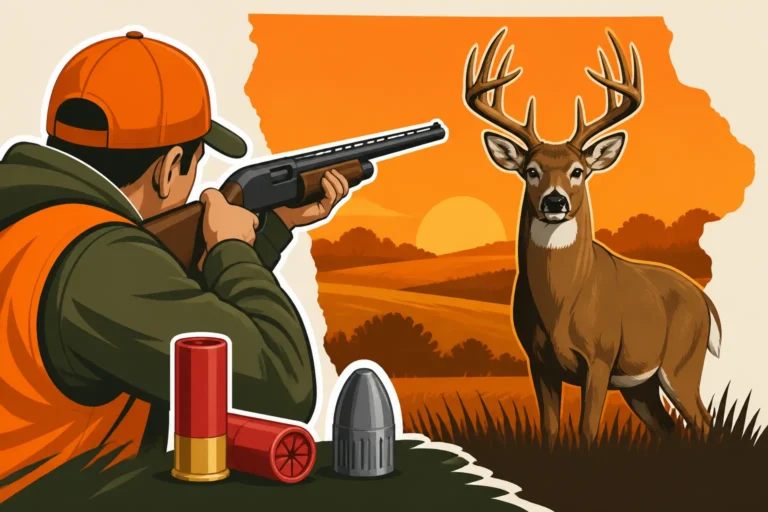
Hunting with a slug gun in Iowa can feel like a bit of a balancing act, can't it? On one hand, you’re often in dense timber or brush, where quick, close-range shots are the norm. On the other, you might pop out onto a field edge or cut bean field, suddenly needing to reach out a bit further. It leaves many hunters scratching their heads about what kind of scope magnification truly makes sense. This guide is here to walk you through the nuances of choosing the right scope magnification for your slug gun, ensuring you’re prepared for whatever Iowa’s diverse hunting landscapes throw your way.
The Iowa Slug Gun Reality: Why Magnification Choices Matter So Much
Let's be honest, slug guns aren't typically known for their pinpoint accuracy at extreme distances, but modern setups have come a long way. What hasn't changed much is the terrain we often hunt in Iowa during shotgun season. We're often working through thickets, creek bottoms, and timber pockets where visibility is limited, and opportunities can arise quickly. This unique mix of potential shot distances and cover types means your scope's magnification isn't just a number; it's a critical component of your success.
Understanding Iowa's Typical Slug Gun Shot Distances
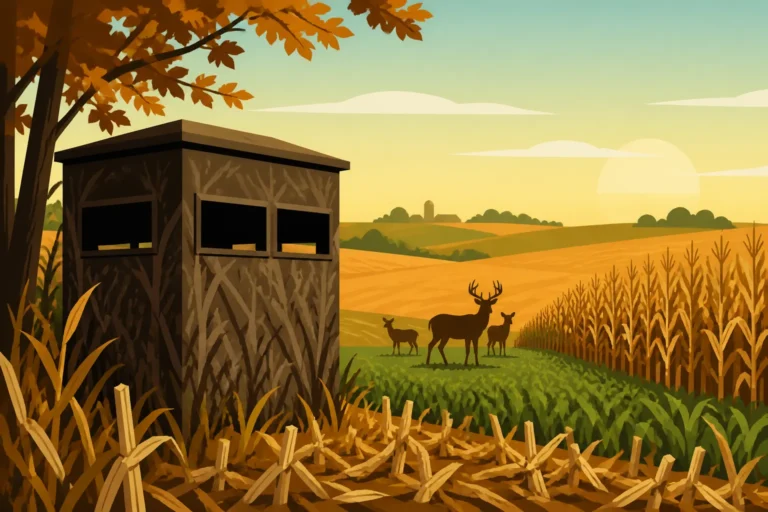
Think about your average shotgun season hunt in Iowa. You might be still-hunting through a section of Stephens State Forest, where the timber is fairly open, but the range of sight is probably limited to 50-70 yards at best. Or maybe you're sitting on the edge of a standing corn field, waiting for deer to filter out, and a shot could be 100 yards or more. Then there's the classic deer drive in smaller timber tracts, where deer can bust out at warp speed at twenty yards. Each of these scenarios demands a different approach to your aiming solution, and scope magnification plays a huge role in how effectively you can react.
The frustration often comes from trying to make one setup do everything. If your scope is cranked up too high in dense cover, finding a fast-moving deer in your field of view can be nearly impossible. You end up seeing nothing but fur, or worse, losing the deer entirely as it darts through the trees. Conversely, if your magnification is too low for an open-field shot, you might struggle to place your slug precisely, especially as the distance increases. It's a common dilemma, and understanding your typical shot distances and limitations is the first step in making an informed choice. It's really about maximizing your effectiveness within the Slug Gun Range Limits in Iowa and your comfort zone.
The Trade-offs of High vs. Low Magnification
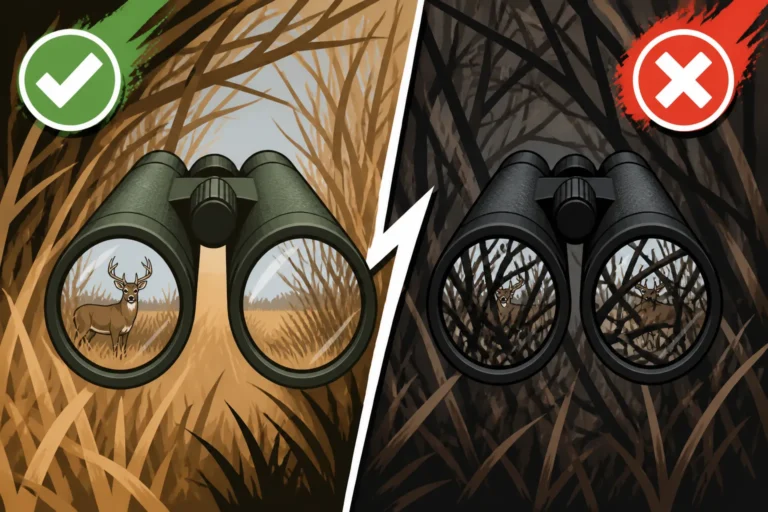
Every choice in hunting gear comes with a trade-off, and scope magnification is no different. A high-magnification scope, say 9x or 12x, offers incredible detail and precision for those longer, more deliberate shots. You can clearly pick out a specific patch of vitals on a deer at 100 yards, which is fantastic for confidence. However, that high magnification dramatically shrinks your field of view. Imagine trying to track a running deer through thick brush at 25 yards when your scope is set to 9x – it's like looking through a straw. The deer simply disappears from your sight picture before you can even react.
On the flip side, a low-magnification setting, like 1x or 2x, gives you a massive field of view, making it incredibly easy to acquire targets quickly, even if they're moving fast or in tight cover. This is a huge advantage for those close-range, reactionary shots that are so common during a Shotgun Season Drives in Small Timber. But when that big buck finally steps out at 80 yards across a picked bean field, a 1x or 2x setting might not give you the confidence to make a precise shot, especially if you're aiming for a smaller target like a deer's vitals rather than just "the deer." It's about finding that sweet spot that suits your hunting style and the specific areas you frequent.
Decoding Magnification Numbers: Fixed vs. Variable and What They Offer
When you look at scope specifications, you'll see numbers like "1-4x," "2-7x," or sometimes just "4x." These numbers tell you a lot about the scope's magnification capabilities. Understanding what they mean is fundamental to picking the right optic for your slug gun, as each type serves a different purpose on your Iowa hunting adventures.
Fixed Magnification Scopes
A fixed magnification scope, like a 4x or 6x, has only one power setting. What you see is what you get, always. This might sound limiting, but it offers some distinct advantages, especially for certain slug gun setups. Fixed power scopes often have fewer internal moving parts, which can translate to increased ruggedness and reliability – things you appreciate when you’re out in the elements. They also tend to be lighter and more compact, which is a bonus if you’re covering a lot of ground in the timber.
For a slug gun, a good fixed power could be a 2.5x or 4x. These low-to-moderate magnifications provide a decent field of view for close-range work while still offering enough zoom to comfortably aim at deer out to 75-100 yards, which is often the practical limit for most slug guns. The simplicity of a fixed power scope means no fumbling with a power ring when a deer suddenly appears. You just shoulder your gun and shoot. This can be a huge confidence booster, especially for newer hunters or those who prefer a less cluttered aiming experience. They’re generally more affordable, too, which is always a plus!
Variable Magnification Scopes
Variable magnification scopes, identified by a range like "1-4x" or "2-7x," are by far the most popular choice for most hunters, and for good reason. They allow you to adjust the magnification to suit changing conditions in the field. This versatility is incredibly valuable when hunting in diverse Iowa terrain. You can dial it down to 1x or 2x for fast target acquisition in thick cover, almost like a red dot sight, and then crank it up to 4x, 6x, or even 7x for a more precise shot across a larger opening.
The key to success with a variable power scope on a slug gun is to manage that versatility wisely. Many veteran hunters will tell you to keep your variable scope set on its lowest power setting when you're moving or in thick cover. That way, you're always ready for a close-range shot, and if a longer shot presents itself, you have the option to quickly increase magnification. Brands like GoHunt often feature articles and videos showcasing various scope setups for different hunting scenarios, which can be a great resource for learning how to best utilize variable power for your specific needs. This adaptability is why variable scopes are so popular, despite being a bit heavier and often more expensive than their fixed-power counterparts.
Optimal Magnification Ranges for Common Iowa Scenarios
Now that we understand the types of magnification, let's talk about what works best in specific hunting situations you’ll encounter here in Iowa. There isn't a single "perfect" magnification, but there are definitely ranges that excel in different scenarios.
For Dense Timber and Quick Shots
When you're slipping through the heavy cover of a river bottom or a dense cedar thicket, where shots are typically under 50 yards and often come as quick, fleeting opportunities, minimal magnification is your best friend. A 1x to 3x setting is often ideal here. At 1x, some scopes offer true "true one power," allowing you to shoot with both eyes open, giving you an expansive field of view that rivals a red dot sight. This is crucial for tracking deer that explode out of cover. Imagine a deer bursting from a brush pile during a drive; having a wide field of view lets you acquire it instantly.
With a 2x or 3x setting, you still retain an excellent field of view, but gain just enough zoom to make aiming a bit more precise than open sights or a red dot, especially if the shot is 30-50 yards. This range significantly reduces the "tunnel vision" effect that higher magnifications create, making it much easier to pick up a deer moving through a tangled backdrop of branches and saplings. You're trying to hit a vital zone, not just the deer, and these lower powers give you that balance of speed and sufficient precision. This approach works wonders when you're Hunting Saddles and Pinch Points in Rolling Timber where deer often appear quickly and close.
For Field Edges and Longer Shots
Iowa is famous for its agricultural landscape, and that means plenty of opportunities to hunt field edges, whether it's standing corn, picked beans, or alfalfa. Here, shots can stretch out a bit further, often in the 50-125 yard range for a capable slug gun setup. For these scenarios, a magnification range of 3x to 7x hits a sweet spot. A 3x or 4x setting provides enough magnification to clearly see your target at 75-100 yards, allowing for careful shot placement, but still offers a wide enough field of view to handle a deer that might be walking or trotting.
If your slug gun is particularly accurate and you're confident in its capabilities out to 125-150 yards (a definite stretch for many slug guns, but some modern setups can do it), then a scope that can reach 7x or even 9x might be considered. However, I’d caution against relying too heavily on the higher end of that range for most slug gun applications. Over-magnifying a target at typical slug gun distances can actually make aiming harder due to increased hand shake and diminished light gathering. The goal is clarity and confidence at your effective range, and for many, Zeroing a Slug Gun at Fifty Yards is a great benchmark for determining that maximum ethical distance.
The Versatility of a Mid-Range Variable
For most Iowa slug gun hunters, a variable scope with a magnification range like 1-4x, 1-6x, 2-7x, or even 3-9x is going to offer the most practical versatility. This type of scope allows you to adapt to whatever the hunting day brings. Start your morning commute into your stand or your still-hunt with the scope on its lowest setting (1x or 2x) for maximum field of view and rapid target acquisition. If you settle into a stand overlooking a vast field, you can then easily dial up to 4x or 6x for a clearer view of any deer that might step out further away.
The key is to practice with your scope at various magnification settings, so adjusting it becomes second nature. Don't wait until opening morning to figure out how quickly you can turn that power ring. This adaptability makes a mid-range variable an excellent choice for hunters who traverse different types of terrain in a single hunt or simply want to be prepared for any shot opportunity that might arise. It allows you to move from Hunting the Iowa Pre-Rut in Late October in dense timber to a wide-open field edge in the afternoon with confidence, just by twisting a dial.
Here's a quick reference table to help visualize the sweet spots:
| Hunting Scenario | Typical Shot Distance (Yards) | Recommended Magnification Range | Pros | Cons |
|---|---|---|---|---|
| Dense Timber/Brush | 10 – 50 | 1x – 3x (low variable/fixed) | Fast target acquisition, wide field of view | Limited precision at longer ranges |
| Mixed Timber/Openings | 25 – 75 | 2x – 5x (mid-range variable) | Good balance of speed and precision | Might feel low for very long shots |
| Field Edges/Open Country | 50 – 125 | 3x – 7x (mid-to-high variable) | Excellent precision at moderate ranges | Narrower field of view at higher settings |
| Dedicated Long-Range (Opt) | 100 – 150 (if gun allows) | 4x – 9x (higher variable) | Maximum precision | Very narrow field of view, harder to track |
Beyond Magnification: Features That Complement Your Slug Gun Scope
While magnification is crucial, it’s far from the only factor to consider when choosing a scope for your Iowa slug gun. Several other features can significantly impact your hunting experience, affecting everything from light gathering in the dim hours of dawn and dusk to how quickly you can make follow-up shots.
Eye Relief and Field of View
Good eye relief is absolutely critical on a slug gun. Recoil from a 12-gauge slug can be substantial, and you definitely don't want your scope kissing your eyebrow after a shot. Aim for scopes with generous eye relief, typically 3.5 inches or more. This provides a safe distance between your eye and the ocular lens, preventing those nasty "scope bites" and allowing for quicker, more comfortable shooting. Always check this before you buy, and practice mounting your gun to ensure it feels natural and safe.
Field of view, which is how wide an area you can see through the scope at a given distance, is directly related to magnification. Lower magnification provides a wider field of view, making it easier to spot, track, and shoot moving targets, especially in tight quarters. This is why Low Power Scopes for Timber Shots are often recommended. Conversely, higher magnification narrows your field of view, which can be frustrating in dense timber but advantageous for precise aiming at stationary targets at longer distances. Finding a balance between safe eye relief and an appropriate field of view for your typical hunting environment is key.
Reticle Design and Illumination
The reticle (the crosshairs or aiming point inside your scope) can make a big difference in how effectively you aim your slug gun. Simple duplex reticles are tried and true, offering a clean sight picture that's quick to acquire. However, many hunters find value in reticles that offer some form of bullet drop compensation (BDC) or holdover points. Given the ballistic trajectory of slugs, having subtensions or dots below the main crosshair can help you make accurate shots at varying distances without having to guess your holdover. Just be sure to Check Zero Before Opening Day and confirm those holdover points with your specific slug load.
Illuminated reticles are another fantastic feature, especially for hunting in Iowa's low-light conditions at dawn and dusk, or on overcast, rainy days. A dimly lit reticle can make all the difference in seeing your aiming point against a dark background, like a deer in deep shadows. You don't want a reticle that's so bright it washes out your target, but a subtle glow can significantly improve target acquisition and confidence. Just remember to manage battery life, as an illuminated reticle is useless if the battery dies at a critical moment.
Durability and Lens Quality
A slug gun is often used in rough, unforgiving conditions – rain, snow, cold, and thick brush are all common during Iowa's shotgun seasons. Your scope needs to be built tough. Look for scopes that are advertised as waterproof, fog-proof, and shockproof. A good quality scope will have nitrogen or argon purging to prevent internal fogging, which can ruin a hunt faster than anything. The housing should be robust, typically a single-piece tube construction, to withstand the recoil and inevitable bumps and scrapes of hunting.
Lens quality is equally important. High-quality glass with multiple layers of anti-reflective coatings will transmit more light, giving you a brighter, clearer image, especially in low-light conditions. This means you can often hunt effectively closer to legal shooting light limits. While top-tier optics can be a significant investment, there are many excellent mid-range options that offer superb clarity and durability without breaking the bank. Don't skimp on lens quality; it's what ultimately determines how well you can see your target and make an accurate shot. When researching gear, remember that resources like GoHunt often provide detailed reviews and comparisons of different optics, which can guide your decision-making process.
Disclaimer
This article is for general informational purposes only and does not constitute professional advice. Laws, prices and regulations vary by location and change over time. Consult a qualified professional for guidance on your specific situation.