Ground Blinds for Iowa Field Edges
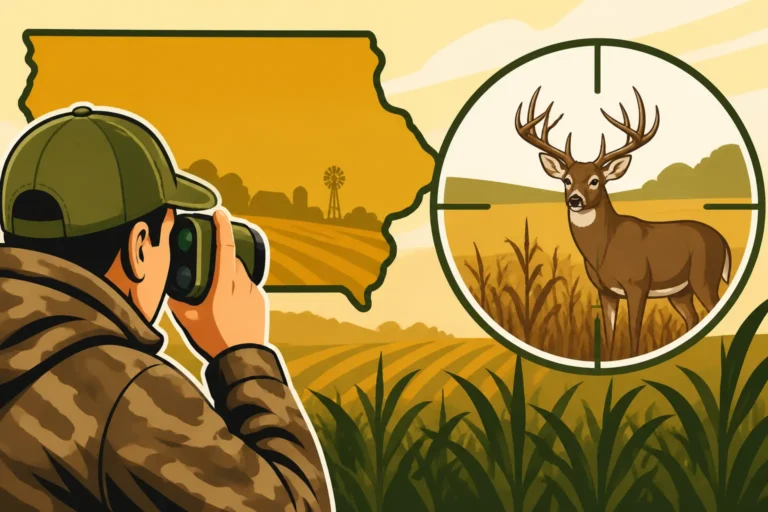
Oh, the field edge in Iowa! It’s a love-hate relationship for many deer hunters, isn't it? We all know those beautiful, sprawling fields of corn and soybeans are absolute magnets for deer, especially as the season progresses and they need that consistent, high-energy food source. But hunting those open edges effectively, without sticking out like a sore thumb, can feel like an impossible puzzle. This guide is all about demystifying ground blinds for these critical spots, helping you blend into the landscape, minimize your footprint, and maximize your chances of tagging a Hawkeye State giant right where they love to feed.
The Allure of Ground Blinds for Iowa Field Edges
Hunting field edges can be incredibly productive, but it also presents unique challenges. Unlike the deep timber where you might disappear into the shadows, a field edge often lacks natural cover. That's where a ground blind can become your best friend, transforming an exposed situation into a concealed advantage.
Why Field Edges Are Deer Magnets
Let's be honest, Iowa is known for its agriculture, and that means endless acres of corn and soybeans. Deer absolutely thrive on this abundant food. In the early season, they're often browsing on green soybeans and tender corn stalks. As fall progresses and crops are harvested, the leftover waste grain becomes a crucial late-season food source. Bucks especially will cruise these edges, scent-checking for does, particularly during the pre-rut and rut. The transition line between dense cover and open food is a natural travel corridor, a place where deer feel safe enough to move during daylight, but are still close to bedding. Ignoring these edges means missing out on prime opportunities. Understanding Standing Corn and Bean Field Deer Patterns is crucial for maximizing your success here.
Advantages of Ground Blinds Over Treestands
While treestands are fantastic in many timber settings, they can be limiting on a field edge. First, finding a suitable tree directly on an edge that offers both concealment and a good shooting lane can be tough. Often, the best trees are too far back or too sparse. Second, getting into and out of a treestand quietly, especially against a wide-open backdrop, is a huge challenge. With a ground blind, you have a portable, self-contained unit that offers complete concealment. You're out of the elements, allowing for longer sits in comfort, which is invaluable during those cold November days or rainy October evenings. Plus, the ability to stretch, move around a bit, and even glance at your phone without being busted is a game-changer. For hunters who struggle with heights or mobility issues, ground blinds are often the only way to hunt effectively.
Ideal Scenarios for Blind Hunting Field Edges
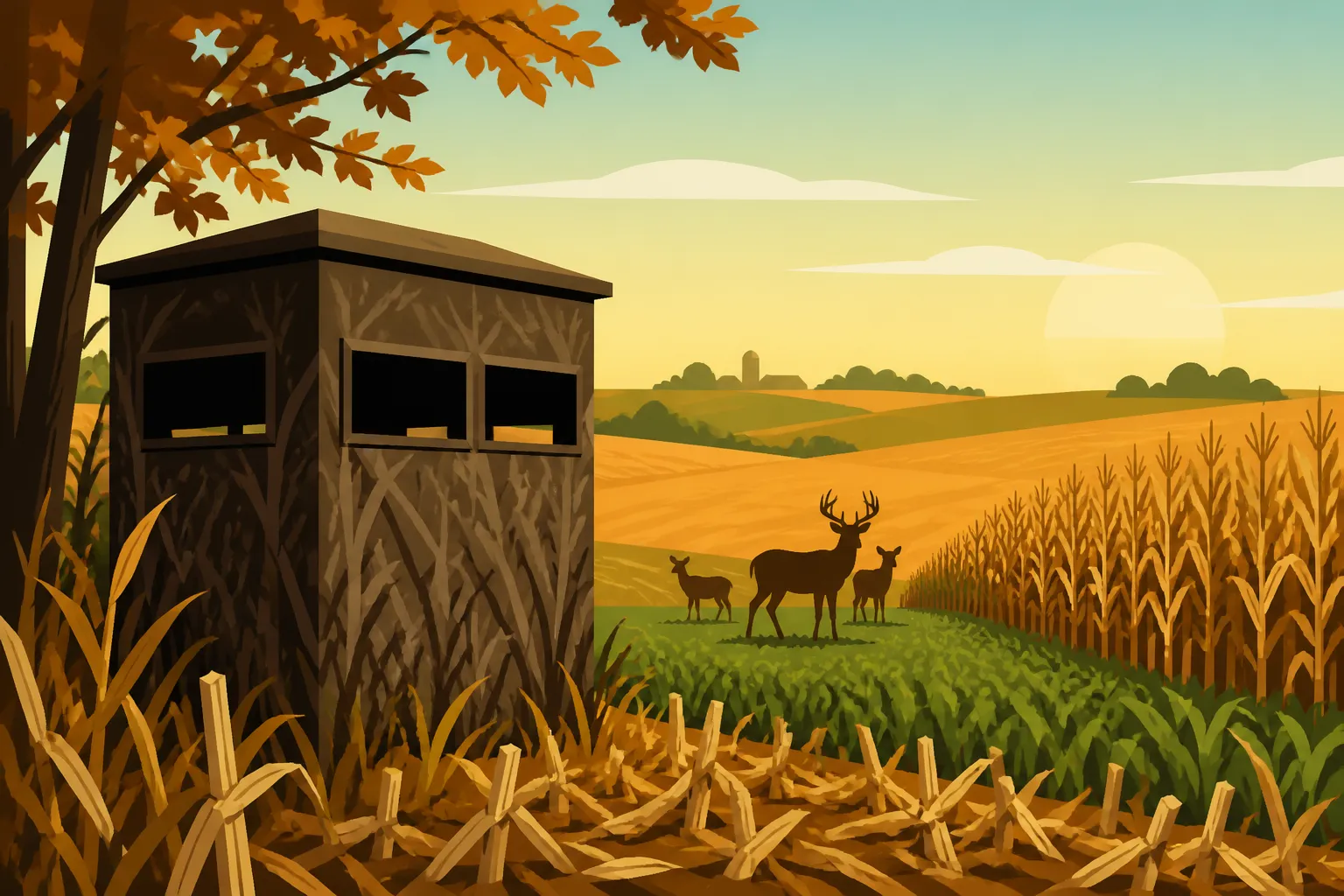
A ground blind truly shines in several specific field edge scenarios. Think about those "inside corners" where two crop fields meet a patch of timber, or where a deep finger of woods extends into a field. These are natural funnels where deer will naturally cut corners or follow the contour of the cover. Another prime spot is along a brushy fence line separating a field from a bedding area. Here, the blind can be tucked right into the existing scrub, becoming virtually invisible. Late-season hunting, when standing crops are cut and snow covers the ground, often forces deer to specific food sources. Setting up a blind on the edge of a picked cornfield near a thicket can be incredibly effective then. These are the places where you can use the blind to disappear, waiting for deer to emerge from cover into the food plot or agricultural field. Hunting Inside Corners of Crop Fields is a perfect example of a scenario where a ground blind excels.
Here's a quick look at why ground blinds can be so advantageous on Iowa field edges:
| Feature | Advantage of Ground Blind | Challenge for Treestand |
|---|---|---|
| Concealment | Full 360-degree visual cover, blocks movement. | Exposed on a platform, movement easily detected. |
| Comfort | Sheltered from wind, rain, snow; more room to move. | Exposed to elements, limited movement in tight spaces. |
| Scent Control | Contains some scent, especially with good ventilation strategy. | Scent disperses easily with changing thermals and wind. |
| Versatility | Easily relocatable, can be set up almost anywhere with cover. | Requires suitable trees, limited by timber density. |
| Safety | On solid ground, no risk of falls from height. | Fall risk is always present, even with safety harness. |
| Ease of Use | Quicker setup in many cases, simpler for less mobile hunters. | Can be physically demanding to hang, especially alone. |
Selecting Your Field Edge Fortress
Choosing the right ground blind isn't just about grabbing the first one you see. There's a lot to consider, especially when you're going to rely on it for hours, sometimes days, out on an Iowa field edge. You need something that can stand up to the elements and keep you hidden.
Key Features to Look For in a Ground Blind
When you're out on those Iowa field edges, durability is paramount. Wind can whip across open fields, and we all know how quickly the weather can turn. Look for blinds with sturdy hubs and thick, reinforced poles. The fabric itself should be heavy-duty, ideally a 300D or higher denier, to resist tears and stand up to UV degradation. A quiet fabric is a non-negotiable; nothing spooks a deer faster than the rustle of cheap polyester in a slight breeze. Check the zippers – make sure they operate smoothly and quietly. Windows are also critical. Some blinds offer silent magnetic closures or toggles, which are far superior to noisy Velcro. Consider the number and placement of windows, especially if you plan to shoot a bow or a crossbow, as you'll need clear shooting lanes at various angles.
Size and Portability Considerations
The size of your blind will depend on your hunting style. Are you a solo hunter, or do you often bring a friend, a child, or a camera operator? A larger blind provides more space to stretch out, store gear, and reduce the chance of brushing against the walls and creating noise. However, larger blinds are generally heavier and bulkier, which impacts portability. If you're hiking a long distance to your preferred field edge, a lightweight, compact blind is crucial. Think about the packed dimensions and weight – can you comfortably carry it with your other gear? Some blinds are designed for quick, one-person setup, which is a huge bonus when you're trying to get in before legal light without making a ruckus.
Camouflage Patterns and Material Durability
While any camouflage pattern will help break up your outline, it’s worth considering patterns that mimic the specific environment of Iowa's field edges. Patterns with corn stalks, dried grass, or leafy patterns tend to blend in better. However, don't get too hung up on hyper-realistic patterns; the primary function is to break up your shape. More importantly, focus on the fabric's matte finish to avoid any glare, which can easily give you away. The material's durability, as mentioned, is key. It needs to withstand constant folding and unfolding, exposure to sun, rain, and snow, and the occasional branch poke. A blind that quickly fades or starts to fray after one season is a waste of your hard-earned money. Many seasoned Iowa hunters will tell you that a well-made blind is an investment that pays off season after season.
Mastering Ground Blind Placement and Setup
Just having a good blind isn't enough; you need to know how to use it effectively. Proper placement and setup are absolutely critical, especially when hunting the notoriously wary Iowa whitetail on an open field edge. This is where your scouting and strategy really come into play.
Reading the Wind and Sun for Optimal Advantage
This is probably the single most important factor when placing your ground blind. You absolutely must position your blind downwind of where you expect deer to approach or travel. Deer rely heavily on their sense of smell, and even the slightest whiff of human odor will send them packing. Always consider the prevailing winds for your chosen spot. If the wind is inconsistent, you might need a secondary location or a completely different strategy.
Beyond wind, think about the sun. Position your blind so that the rising or setting sun isn't shining directly into your shooting windows, creating a silhouette or glare that gives away your position. Ideally, the sun should be at your back or to your side. This not only keeps you hidden but also improves your visibility into the field. You can use tools like the GoHunt app or other mapping software to analyze wind patterns and sun angles for specific locations before you even step foot in the woods. This kind of e-scouting can save you a ton of time and prevent mistakes.
Brushing In: Blending Your Blind into the Landscape
A ground blind, no matter how well camouflaged, will look like an alien blob if you just plop it down in the middle of a field edge. You must brush it in. This means gathering natural materials from the surrounding environment – corn stalks, tall grass, cedar branches, multiflora rose, whatever is available – and covering your blind to break up its perfect geometric shape. The goal is to make it look like just another clump of natural cover. Don't be afraid to overdo it! Think about the deer's perspective: they are constantly scanning for anything out of place.
When you're brushing in, pay special attention to the corners and the roofline, which often stand out the most. Leave enough room around your shooting windows to operate, but otherwise, make that blind disappear. If you set it up a few days or even a week before you plan to hunt, deer will have a chance to get accustomed to its presence, further increasing your odds. This tactic is so important, there's even a specific internal resource dedicated to it: Brushing In a Ground Blind.
Strategic Access and Exit Routes
You've set up the perfect blind, brushed it in beautifully, and the wind is ideal. But how are you going to get in and out without spooking every deer in a half-mile radius? Your access and exit routes are just as important as your blind placement. Always plan routes that keep you out of primary bedding areas and away from known deer travel corridors. Use natural terrain features like ditches, creek bottoms, or standing corn rows to conceal your approach. Avoid skylining yourself on ridges.
When possible, enter and exit the blind under the cover of darkness. This means arriving well before legal shooting light and staying until well after dark. If you absolutely must leave during daylight, do so when deer activity is at its lowest, typically midday. The quieter you can be, the better. Consider parking your vehicle well away from your chosen spot to avoid tipping off other hunters or, more importantly, the deer. Thinking about Access Routes That Do Not Bump Deer before you even leave your truck is crucial.
Avoiding Common Pitfalls and Maximizing Success
Hunting from a ground blind, while offering distinct advantages, also comes with its own set of challenges. Overcoming these common pitfalls is key to turning those long sits into successful hunts.
Scent Control When Hunting from a Blind
Many hunters assume that because they're inside a blind, scent control isn't as critical. This couldn't be further from the truth. While a blind does offer some barrier, it's not airtight, and your scent will eventually escape. Just like with treestand hunting, meticulous scent control is essential. Shower with scent-free soap, use scent-free laundry detergent for your hunting clothes, and store them in airtight containers. Dress in layers, especially in cold Iowa weather, so you can adjust your clothing to avoid overheating and sweating on your walk in.
Once inside the blind, be mindful of how you position yourself. Open only the shooting windows you absolutely need, and try to keep your body low. The natural convection of warm air (and your scent) rising can still carry your odor out of the blind, especially from the top vents. Think about how the wind currents might carry your scent from the blind's openings. Remember, deer might not see you, but they will absolutely smell you if you're not diligent.
Managing Movement and Noise Inside the Blind
The complete concealment of a ground blind can be a double-edged sword. It's easy to get complacent and start fidgeting, moving around, or making noise, assuming you're completely hidden. This is a common mistake. Deer have incredible hearing, and sudden, unnatural sounds will put them on high alert. If you're going to use a chair, make sure it's silent and comfortable. Arrange your gear (bow, gun, calls, rangefinder) so it's easily accessible without shuffling or fumbling.
Practice quiet movements. When a deer approaches, minimize your motion to only what's necessary for a shot. If you need to shift position, do it slowly and deliberately, when the deer's head is down feeding or it's looking away. Even subtle movements like checking your phone or drinking from a noisy water bottle can be picked up by a wary whitetail. It's all about being disciplined and patient. For more tips on keeping quiet, check out Hunting From a Blind Without Movement.
Visibility Considerations and Shooting Lanes
When setting up your blind, consider your actual shooting lanes. While you might have a clear view out a window, a low-hanging branch or a clump of tall grass just outside can obstruct your shot. Trim any necessary shooting lanes before the season, if allowed and practical, or immediately after setting up your blind. Be aware of the limitations of your weapon; a slug gun or straight-wall rifle will have different effective ranges than a bow.
Also, think about your backdrop. If you're looking out into a wide-open field, a deer might be able to pick up movement behind your shooting window, especially if the light is bad. Some hunters use dark fabric inside their blinds to create a black-out effect, making it even harder for deer to see in. Conversely, you need to be able to see out. Ensure your windows are clean and clear. If using the GoHunt app for scouting, pay close attention to topography and vegetation layers to predict potential shooting scenarios from your chosen blind location.
Longevity and Responsible Blind Use
A ground blind is an investment, both in terms of cost and the effort you put into setting it up. Making sure it lasts and that you're using it responsibly, especially on public or walk-in access land, is important for both your success and the hunting community.
Care and Storage for Your Ground Blind
After a long season of braving Iowa's weather, your ground blind needs some TLC. Before packing it away for the off-season, make sure it's completely dry. Storing a damp blind will lead to mildew, rot, and a ruined investment. Set it up in your garage or a dry spot, open all the windows, and let it air out for a few days. Clean off any mud, dirt, or debris. Check for any tears or damaged poles and repair them promptly. A small tear can quickly become a large one if left unattended.
Store your blind in its carry bag, ideally in a cool, dry place where rodents can't get to it. You don't want to pull it out next fall only to find a mouse nest or chewed-through fabric. Proper care ensures your blind will be ready for action year after year.
Leaving No Trace: Public vs. Private Land Rules
This is a big one, especially in Iowa where public land access is valued. Always be aware of the rules regarding ground blinds on the land you're hunting. On private land with permission, you generally have more leeway, but still, be respectful. On public lands, however, rules can vary. Some wildlife areas allow temporary blinds but require them to be removed daily, while others might allow them to be left for longer periods, often with specific tagging requirements. It's crucial to know these rules to avoid fines or losing your blind.
Even if you're allowed to leave a blind, make sure it's securely anchored so it doesn't blow away and become litter. And when you do remove it, take everything with you – no trash, no zip ties, no stray pieces of fabric. The principle of Leaving No Trace on Iowa Walk-In Ground applies to all your hunting activities, including blind use. If you're unsure, it's always safer to remove your blind after each hunt.
Planning Your Hunt with Scouting Tools
Gone are the days of just driving around until you see a deer. Modern hunting in Iowa, especially when targeting specific field edges, relies heavily on good planning and scouting. Tools like the GoHunt app have revolutionized how hunters approach their craft. You can use these platforms to pore over aerial imagery, identifying potential field edges, pinch points, bedding areas, and access routes long before you ever step foot on the property.
Look for subtle terrain features, small drainages that offer travel corridors, or areas where timber fingers extend into fields. Mark potential blind locations and plan multiple access routes based on varying wind directions. You can also use these tools to research property lines, ensuring you're always on legal hunting ground, whether it's public land or a private parcel where you've secured permission. Combining effective e-scouting with on-the-ground reconnaissance will drastically improve your success rate when blind hunting Iowa field edges. This diligent preparation is as vital as the blind itself.
Disclaimer
This article is for general informational purposes only and does not constitute professional advice. Laws, prices and regulations vary by location and change over time. Consult a qualified professional for guidance on your specific situation.