Yellow River State Forest Acres
When you're dreaming of hunting Iowa, images of vast cornfields and hidden creek bottoms often come to mind. But what if your heart longs for towering timber, rugged bluffs, and the challenge of true wilderness? Many hunters find themselves frustrated by the perception that Iowa is all agriculture, overlooking the incredible opportunities nestled away in places like the Yellow River State Forest. This guide is here to unravel the mysteries of this expansive public land gem, giving you a clear picture of its sheer size and what it means for your next hunting adventure.
The Sheer Scale of Northeast Iowa's Timbered Gem
Yellow River State Forest, nestled in the picturesque "Driftless Area" of northeast Iowa, isn't just another patch of public ground. It's a vast expanse that often surprises hunters who expect Iowa to be nothing but flat farmland. We're talking about thousands upon thousands of acres of contiguous timber, steep ridges, and deep ravines that feel a world away from the state's characteristic row crops. This isn't your average small county park; this is serious big woods hunting, offering a unique challenge and immense reward for those willing to put in the effort.
The scale of Yellow River State Forest fundamentally changes how you approach your hunt. Unlike smaller parcels where deer might quickly run across a property line, here you have the luxury of truly getting lost in the woods – in a good way, of course! You can follow ridge lines for miles, drop into forgotten hollows, and explore areas that rarely see human pressure. This massive acreage allows for different hunting strategies, from deep penetration hunts with a pack on your back to carefully planned still-hunts along known deer travel corridors. It's a place where you can escape the road hunters and find genuine solitude, which is a rare commodity on public land these days.
Unique Landscape and Terrain
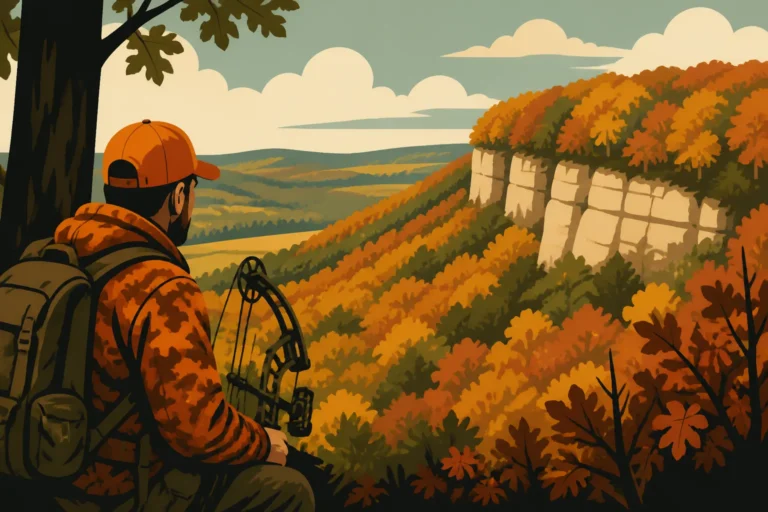
What sets Yellow River State Forest apart is its dramatic topography, a stark contrast to much of Iowa. The Driftless Area, so named because it was untouched by glaciers, features deeply carved river valleys, towering limestone bluffs, and incredibly steep slopes. Picture walking a ridge, and then suddenly dropping hundreds of feet into a creek bottom before climbing another steep bluff. This isn't flat ground where you can see for miles; it's dense, often thick timber with significant elevation changes that will test your physical endurance and navigational skills.
This rugged terrain directly impacts deer movement and, consequently, your hunting tactics. Deer often use the steep terrain to their advantage, bedding on benches or near the tops of bluffs where they have a commanding view and can detect danger approaching from below. They'll utilize the saddles between ridges as natural travel corridors, moving between bedding areas and remote food sources. Understanding these natural highways and hideaways is key to success here. You'll want to pay close attention to the Wind and Thermals in River Breaks when planning your approach, as they can be highly unpredictable in such varied terrain.
Unlocking Hunting Opportunities in Yellow River
Given its expansive and unique landscape, Yellow River State Forest offers a diverse range of hunting opportunities that go beyond just whitetails, though deer are certainly a main attraction. Hunters come here from all over to experience a different side of Iowa hunting, one that often feels more like a mountain hunt than a Midwest farm country pursuit. The sheer size of the forest allows for healthy populations of various game species and provides ample room for hunters to spread out and find their own piece of quiet.
The diverse habitats within the forest—from mature oak and hickory timber on the ridges to dense cedar thickets and brushy creek bottoms—support a thriving ecosystem. This habitat diversity is crucial for supporting different game animals throughout the year. Whether you're chasing elusive whitetails or calling in spring gobblers, the opportunities here are robust. It's truly one of the crown jewels of Public Hunting Land in Iowa, offering a rich experience for those willing to learn its nuances.
Whitetail Deer Hunting in the Bluffs
Whitetail deer are, without a doubt, the primary draw for many hunters venturing into Yellow River State Forest. The combination of nutrient-rich soil, abundant mast crops (acorns, hickory nuts), and expansive, often inaccessible cover allows bucks to grow to impressive sizes and ages. This isn't just a place to fill a tag; it's a place to pursue mature whitetails that have learned to navigate the challenging terrain and evade pressure. Expect to work hard for your deer here, but know that the potential rewards are significant.
Hunting whitetails in the Yellow River bluffs requires a different mindset than hunting agricultural areas. Instead of focusing solely on crop edges, you'll be reading timber draws, identifying subtle benches on steep slopes, and scouting for rub lines and scrapes deep within the forest. Iowa Whitetail Hunting Tactics Through the Rut become even more critical here, as bucks will be covering vast amounts of ground, checking traditional scrapes and cruising for does. Mobile hunting setups, like those used in Mobile Saddle Hunting in Iowa, are particularly effective for adapting to the changing conditions and deer patterns found in this rugged environment.
Spring Turkey Chasing in the Timber
Beyond deer, Yellow River State Forest is an exceptional destination for spring wild turkey hunting. The Eastern wild turkey population thrives in this heavily timbered region, benefiting from vast roosting areas and ample foraging opportunities. When the spring woods come alive with gobbling, there are few places in Iowa that can match the excitement and challenge of working a bird in this rugged terrain. The forest's contours can play tricks with sound, making it a truly engaging experience.
Chasing turkeys in the timbered bluffs means being ready to cover serious ground. You might roost a bird on one ridge, only to find yourself scrambling across a deep ravine to get into position before fly-down. Understanding Iowa Turkey Hunting Tactics for Spring Gobblers is crucial, as is having the physical stamina to keep up with an on-the-move gobbler. The dense timber provides excellent cover for both you and the birds, making stealth and strategic calling paramount. Don't be surprised if you find yourself calling across vast valleys, listening for that booming gobble to echo back.
Small Game and Waterfowl Potential
While deer and turkey often get the spotlight, Yellow River State Forest also offers opportunities for small game and, in specific areas, even waterfowl. The thick undergrowth, brushy creek bottoms, and timbered edges provide excellent habitat for squirrels and rabbits. These hunts can be a fantastic way to introduce new hunters to the outdoors, or simply to extend your time in the woods after deer or turkey seasons close. A quiet walk through the timber with a .22 or a shotgun can be incredibly rewarding.
For the waterfowler, while the forest itself is primarily dry land, the presence of the Yellow River and its proximity to the mighty Mississippi River offers some unique possibilities. Hunters willing to explore the backwaters and small impoundments within or adjacent to the forest might find ducks and geese during migration. This often requires specialized knowledge of the local waterways and specific regulations, but it adds another layer to the diverse hunting portfolio of this incredible area. Always check specific regulations for river hunting, as rules can vary.
Navigating and Scouting Yellow River State Forest
Successfully hunting a large, rugged area like Yellow River State Forest begins long before you set foot in the timber. Navigation and thorough scouting are not just helpful; they are absolutely essential. Without a solid plan and the right tools, you can quickly become disoriented in the maze of ridges and valleys. This is where modern technology really shines, but it's also where old-fashioned boot leather and keen observation skills come into play.
Many hunters underestimate the physical demands of this area until they are deep in it. What looks like a short distance on a map can be a grueling trek up and down steep bluffs. Understanding the lay of the land, identifying potential pinch points, and mapping out escape routes are critical for both safety and success. Resources like the Iowa Hunting Atlas are invaluable for getting a general overview, but you'll need to go deeper to truly unlock the forest's secrets.
Leveraging Digital Maps like onX Hunt
In today's hunting world, digital mapping applications are indispensable, and nowhere is that more true than in a vast, rugged area like Yellow River State Forest. Tools like onX Hunt allow you to download offline maps, mark waypoints for potential stand locations or deer sign, identify property lines, and track your movement in real-time, even without cell service. This level of detail is a game-changer for navigating the countless draws, ridges, and hidden pockets that characterize the forest.
Before you even leave home, you can spend hours e-scouting, identifying access roads, potential bedding areas (often on south-facing slopes or thick cedar patches), and funnels where deer movement is concentrated. Using onX Hunt to analyze contour lines will reveal subtle benches and saddles that might be overlooked by the casual observer. It allows you to see the "big picture" of the landscape, helping you devise an entry and exit strategy that minimizes disturbing deer. Don't just rely on a paper map; let technology guide your initial exploration and help you stay found when deep in the wilderness. Another great resource for general hunting information and draw odds for other states, which can help in broader planning, is GoHunt.
Physical Scouting Challenges and Rewards
While e-scouting is a powerful starting point, nothing replaces boots on the ground. Physical scouting in Yellow River State Forest is physically demanding but incredibly rewarding. You'll want to focus on finding fresh deer sign – rub lines, scrapes, tracks, and droppings – that indicate current deer activity. Look for trails that parallel ridge tops, cross saddles, or lead from bedding areas down to food sources. Pay close attention to subtle terrain features, like small points or changes in vegetation, that can funnel deer.
The sheer size of the forest means you won't be able to scout every acre, so prioritize areas that look promising on your digital maps. Look for thick, inaccessible cover that offers security, especially on north-facing slopes in warmer weather or south-facing slopes for sun in late season. The more time you spend in the woods, the better you'll understand how deer use this unique landscape. Remember, Scouting Iowa Timber and River Bottoms requires patience and a keen eye for detail. The forest tells a story to those who know how to read it.
Access Points and Parking Considerations
Accessing Yellow River State Forest is generally straightforward, with several designated parking areas scattered along its perimeter roads. However, during peak hunting seasons, these spots can fill up quickly, especially on opening weekends. It’s always a good idea to have a backup plan for parking. Some hunters choose to park further away and walk in, embracing the deeper woods and hoping to avoid areas of higher pressure. This approach can be particularly effective in areas where Hunting Pressure Patterns on Iowa Public Land might push deer into more secluded pockets.
The key is to understand that "access" doesn't always mean easy walking. Even from established parking areas, you might immediately be confronted with steep climbs or descents. Plan your entry and exit routes carefully, considering both the terrain and the wind direction. Walking in before legal light or exiting after dark in this rugged environment requires a good headlamp and careful foot placement. Always let someone know your hunting plans, especially when venturing deep into such a large and challenging area.
Rules and Regulations for Yellow River State Forest
Hunting in Yellow River State Forest, like any public land in Iowa, comes with a specific set of rules and regulations. While many of these are standard statewide Iowa hunting laws, there are often site-specific nuances for state forests that hunters need to be aware of. Neglecting to review these rules can lead to fines, loss of hunting privileges, or even dangerous situations. It's not just about following the law; it's about respecting the land and ensuring a safe, enjoyable experience for everyone.
Understanding the regulations before you go is a fundamental part of responsible hunting. This includes everything from specific weapon restrictions during certain seasons to rules about stand placement and camping. Iowa's commitment to public land access is strong, but that access comes with the responsibility of being a good steward of the resource. Always assume that if a rule isn't explicitly stated for a specific area, the general statewide regulations apply.
General Iowa Hunting Regulations to Remember
Before you even think about setting up a stand in Yellow River, make sure you're squared away with Iowa's general hunting laws. This includes having the correct licenses and tags for the species you're pursuing, adhering to season dates, and understanding bag limits. Iowa has specific requirements for Iowa Hunter Education and Licensing Basics, especially for younger hunters or those new to the state. It's a non-negotiable step to ensuring you're legally prepared for your hunt.
Beyond licensing, remember the basics: legal shooting hours, blaze orange requirements during certain seasons (critical if you're hunting during gun seasons in Yellow River), and rules against baiting. While Yellow River offers a sense of wilderness, you're still hunting under Iowa's umbrella of regulations. Make sure your weapon is legal for the season you're hunting – whether it's archery, shotgun, or late muzzleloader. It's easy to get caught up in the excitement of the hunt, but a quick review of the current Iowa hunting regulations before heading afield can save you a lot of grief.
Specific Yellow River State Forest Rules
Yellow River State Forest has some specific rules that differ from general Iowa public land. For example, some areas within the forest might have designated refuge or non-hunting zones, especially near campgrounds or sensitive wildlife areas. While portable treestands and ground blinds are generally allowed, there are often rules about how long they can be left unattended and whether screw-in steps are permitted. Always check the Iowa Department of Natural Resources (DNR) website or the current hunting regulations booklet for the most up-to-date information specific to state forests.
Another important consideration is vehicle access. While there are main gravel roads, many trails and fire lanes are closed to motorized vehicles. Understand where you can and cannot drive or park. This means being prepared to walk significant distances to reach your hunting spots. In a state forest of this size, it's particularly vital to respect these access rules to minimize impact and preserve the quality of the hunting experience for everyone. Leaving no trace is paramount when utilizing these beautiful wild spaces.
Camping and Overnight Stays
For those looking to immerse themselves fully in the Yellow River experience, camping is a popular option. The forest offers several developed campgrounds, ranging from primitive sites to those with some amenities. These can be a great base camp for multi-day hunting trips, allowing you to be right on the edge of your hunting grounds when legal shooting hours begin. However, like all facilities, these campgrounds operate under their own set of rules, including fees, quiet hours, and restrictions on things like firewood.
If you're planning a truly primitive, backcountry hunt, some state forests might allow dispersed camping in specific areas, but this is less common or more restricted in Iowa's state forests compared to western states. Always verify the rules for Camping on Iowa Public Hunting Land directly with the Iowa DNR for Yellow River State Forest. Understanding these options, whether it's a developed campsite or a more primitive experience, helps you plan your logistics and ensures you have a legal and comfortable place to rest between hunts.
Here's a quick overview of Yellow River State Forest's characteristics:
| Feature | Description | Impact on Hunting |
|---|---|---|
| Total Acres | ~8,500+ acres of contiguous timber | Ample room to spread out, find secluded areas, pursue deep woods hunts |
| Primary Terrain | Steep bluffs, deep ravines, river breaks, heavily timbered | Physically demanding, requires careful navigation, influences deer movement |
| Major Game Species | Whitetail Deer, Eastern Wild Turkey, Squirrel, Rabbit, some waterfowl | Diverse opportunities, focus on timber tactics for deer and turkey |
| Key Habitat | Oak/Hickory timber, cedar thickets, brushy creek bottoms, river corridors | Excellent cover and food sources, supports healthy game populations |
| Access | Several designated parking areas, gravel roads, many trails closed to vehicles | Expect to walk, e-scouting with tools like onX Hunt is crucial for planning |
| Hunting Pressure | Can be high near access points, but deep timber offers seclusion for those willing to work | Go deep to find less pressured animals, plan quiet entry/exit routes |
Disclaimer
This article is for general informational purposes only and does not constitute professional advice. Laws, prices and regulations vary by location and change over time. Consult a qualified professional for guidance on your specific situation.