Loess Hills State Forest Acres
It's no secret that finding truly unique and challenging hunting grounds in Iowa can feel like an uphill battle, especially when you're used to the flat crop fields and predictable timber draws that dominate so much of the state. Many hunters dream of a place where the landscape itself adds another layer to the chase, demanding more than just a well-placed stand. If you've ever felt that pull towards something different, something rugged and wild, then the Loess Hills State Forest in western Iowa is probably on your radar, or it absolutely should be. This guide is going to walk you through everything you need to know about navigating and hunting these incredible acres, from understanding their unique geology to planning your next adventure.
Unveiling the Loess Hills State Forest: A Unique Iowa Landscape
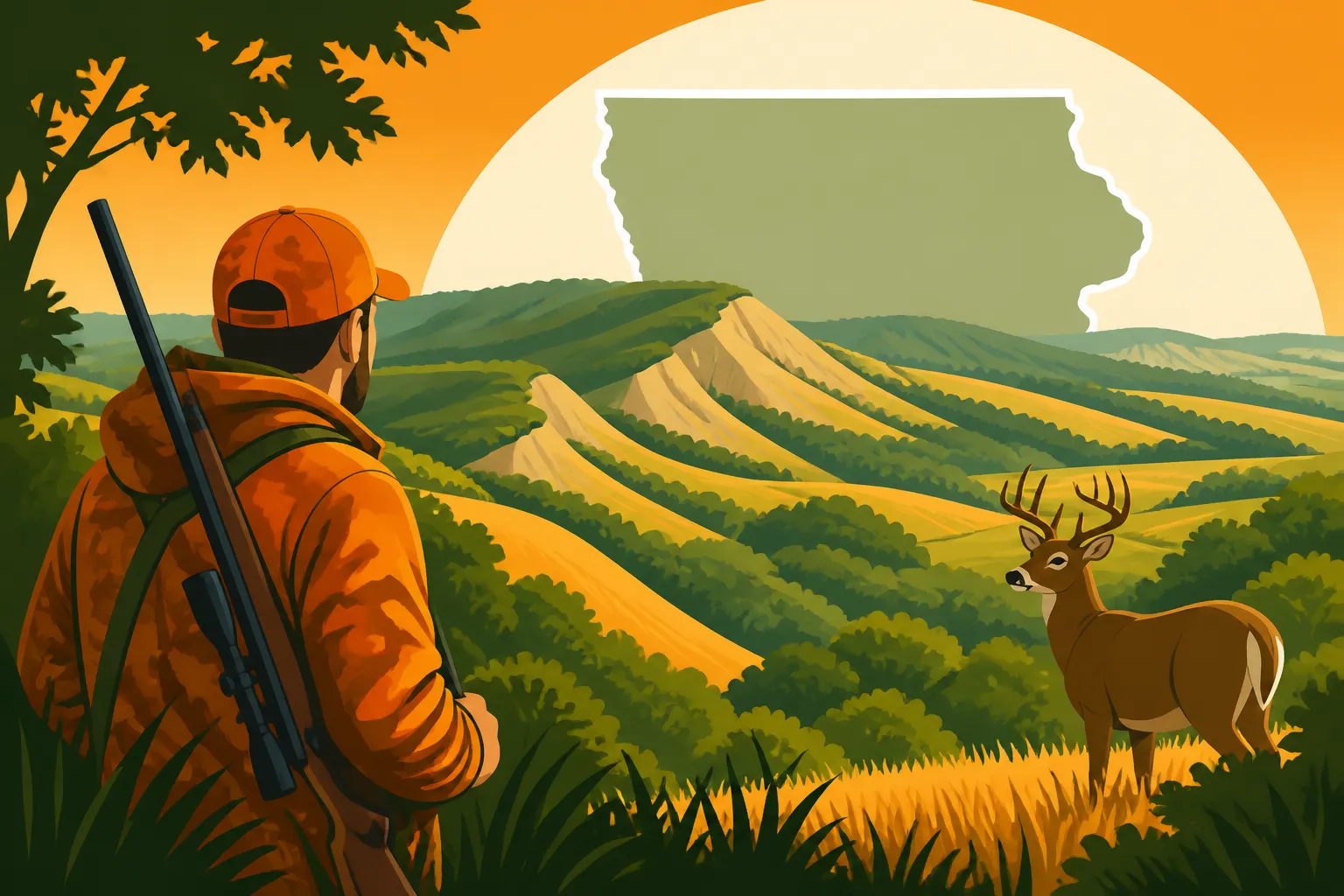
When you hear "Iowa," you probably picture rolling cornfields stretching to the horizon, right? But the Loess Hills are here to shatter that stereotype, offering a landscape unlike anything else in the state, and indeed, much of the world. These hills are a true geological marvel, sculpted by wind and time, creating an incredibly diverse and challenging environment for hunters and outdoor enthusiasts alike. Understanding what makes these hills so special is the first step to appreciating their hunting potential.
The Geology and Geography of the Loess Hills
The Loess Hills are a testament to the power of ancient winds. Formed over thousands of years from wind-deposited silt (loess) left behind by glaciers, these hills stand tall and incredibly steep, characterized by sharp ridges and narrow, winding valleys. Imagine walking on what feels like compacted dust, but shaped into dramatic, almost alpine-like formations. Unlike typical hills that are rounded and gradual, the Loess Hills are razor-backed, with some slopes reaching angles that feel more akin to climbing a wall than walking a hill. This unique geological structure creates a myriad of microclimates and distinct habitat types that directly influence wildlife patterns.
Because of this unique formation, the terrain is often very loose and crumbly, especially on steep slopes. You'll find deep gullies and cuts that can appear almost out of nowhere, making travel difficult and requiring constant vigilance. This isn't your grandfather's flat Iowa timber. These are hills that demand respect, good boots, and a healthy dose of determination. The sheer scale and convoluted nature of the landscape mean that even a short distance as the crow flies can be a grueling trek on foot, full of ascents and descents that will test your endurance.
Habitat and Biodiversity in the Loess Hills
Despite their dramatic appearance, the Loess Hills State Forest is a mosaic of different habitats, each playing a crucial role in supporting the diverse wildlife found here. The most prominent habitat is the extensive timber, primarily oak and hickory, clinging to the steep slopes and filling the deep valleys. These woodlands provide crucial cover, bedding areas, and food sources for whitetail deer and wild turkeys. The timber can be incredibly dense in places, offering fantastic security cover for mature animals but also making visibility a challenge for hunters.
Interspersed within the timber and crowning the ridge tops are remnants of native prairie. These dry, loess-adapted prairies are home to unique plant species and provide open foraging areas, especially for turkeys and small game. You'll also find scattered cedar thickets and brushy draws, offering additional bedding and thermal cover, especially important during the colder late seasons. Creek bottoms, though less common than in other parts of Iowa, often hold pockets of thicker, wetter vegetation, attracting deer during dry spells. This mix of dense timber, open prairie, and brushy draws creates a dynamic ecosystem that deer and turkeys utilize throughout the year, constantly moving between cover and food sources dictated by the season and weather. When you're scouting, keep an eye out for these transitions, as they often mark prime ambush points.
Hunting the Loess Hills: What to Expect
Hunting the Loess Hills State Forest is an experience unlike anywhere else in Iowa. It's not just about the game; it's about pitting your skills and endurance against the land itself. While the focus is often on deer and turkey, the opportunities extend to other species as well, each presenting its own unique set of challenges within this rugged landscape.
Whitetail Deer Hunting in the Hills
The Loess Hills are renowned for their potential to produce trophy whitetail deer. The combination of dense cover, diverse food sources, and challenging terrain often allows bucks to reach maturity, leading to impressive antler growth. However, harvesting one of these bucks is no easy feat. The deer here are masters of their environment, utilizing the steep topography and thick vegetation to their advantage. They can seemingly vanish into thin air, dropping into a deep ravine or topping a ridge before you even realize they were there. This isn't flatland hunting where you can see a deer from a quarter-mile away. Here, encounters are often close, fast, and require quick decision-making.
Scouting is paramount for deer hunting in the Loess Hills. You need to understand how deer travel these steep contours, identify pinch points where the terrain funnels movement, and locate bedding areas within the thickest cover. Expect deer to use the wind and thermals to their advantage, often bedding on leeward slopes or just below a ridge top where they can smell danger from below and watch for it from above. Many successful hunters here adopt mobile tactics, using lightweight treestands or saddles to move with the deer, rather than committing to a single stand for the entire season. For a deeper dive into deer movement, check out Reading an Iowa Timber Draw for Deer Sign.
Turkey Hunting Opportunities
If you love chasing gobblers, the Loess Hills offer an exhilarating experience that will test your lung capacity as much as your calling skills. Wild turkeys thrive in this mix of timber and open prairie. You'll find them roosting high on the timbered ridges, and their booming gobblers can echo across the valleys. However, getting a hung-up tom to commit to your setup in this steep terrain is a whole different ballgame. You'll often hear birds that sound close, only to realize they are across a deep ravine, or they might be on a bench just above or below you, making it impossible for them to see your decoys or hear your subtle clucks.
Calling a henned-up tom in the Loess Hills requires patience and strategic positioning. Often, you'll need to use aggressive calling to get their attention, but then switch to softer, more subtle calls to draw them in. Sometimes, the best strategy is to get above the birds, letting your calls drift down to them, or to position yourself on a bench where you have good visibility and can intercept birds moving along a contour. Don't be afraid to try some run-and-gun tactics, especially in the afternoon. The key here is persistence and being willing to move often to get into the right position. More information on turkey hunting can be found in Iowa Turkey Hunting Tactics for Spring Gobblers.
Other Game Species
While deer and turkey steal the spotlight, the Loess Hills State Forest also offers opportunities for other game. Small game such as squirrels and rabbits are abundant in the timber and brushy areas, providing excellent opportunities for a less intense hunt. You'll also find various furbearers, including coyotes, fox, and raccoon, which can be pursued under Iowa's general hunting and trapping regulations. Remember to always check current regulations for specific seasons and licensing requirements for any species you plan to pursue. This diverse habitat truly supports a wide range of wildlife, making it a great place to explore if you're open to different hunting experiences.
Navigating the Rugged Terrain: Access and Tools
One of the biggest hurdles for any hunter planning a trip to the Loess Hills State Forest is simply understanding how to get around and access the vast tracts of public land. The ruggedness that makes it so appealing also makes it incredibly challenging to navigate, so having the right tools and knowing what to expect is crucial.
Understanding Public Access Points
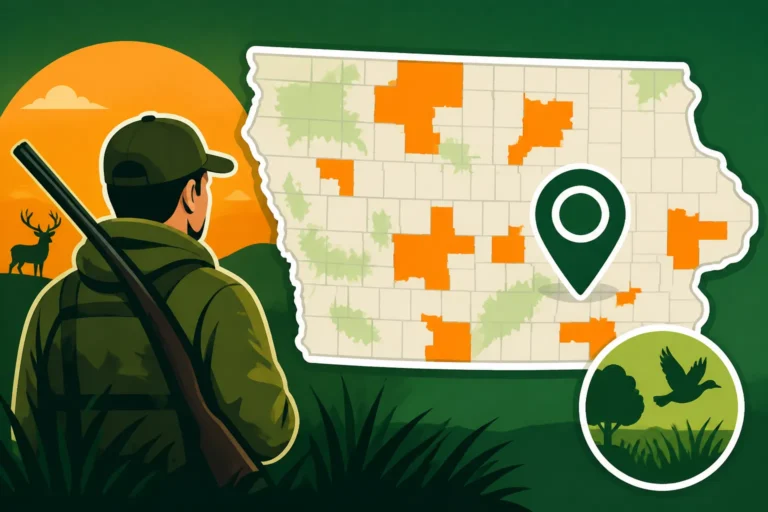
Accessing the Loess Hills State Forest primarily involves designated parking areas and walk-in access points. You won't find many roads cutting deep into the core of the forest; most of the vehicle access is along the perimeter roads. This means you should be prepared for significant hikes into your hunting areas. Look for small, gravel parking lots, often marked with signs indicating public hunting ground. It’s imperative to respect private land boundaries, which can often abut the public forest land, sometimes in a very irregular pattern. Loess Hills State Forest Hunting covers more specific details on accessing these areas.
When you scout or hunt, pay close attention to where you parked and how you plan to return. In this terrain, it's incredibly easy to get turned around, especially when focused on a game trail or animal sign. What looks like a straight shot on a map can be a series of steep climbs and descents on the ground. Always ensure your access routes are clearly defined, and consider leaving yourself breadcrumbs or waypoints on your GPS device or phone app.
Essential Mapping Tools
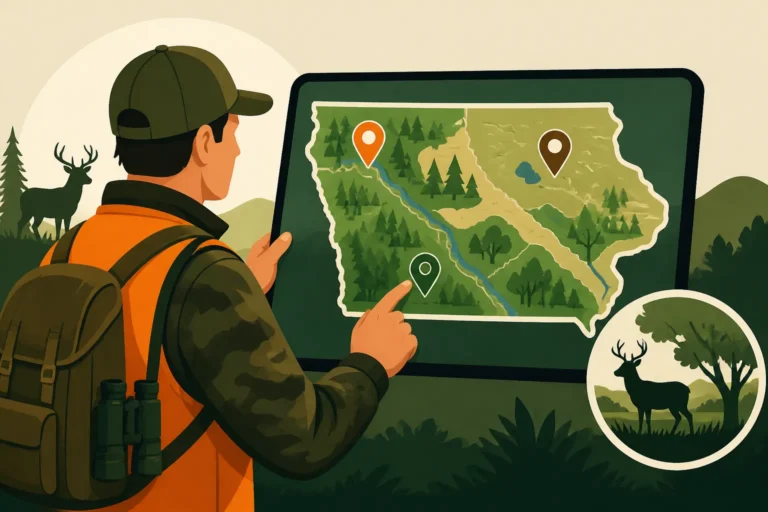
In the Loess Hills, a reliable mapping system isn't just a convenience; it's a necessity. Traditional paper maps are a great backup, but digital mapping apps truly shine here. Tools like onX Hunt are absolutely invaluable for navigating this complex landscape. With onX Hunt, you can clearly see public land boundaries, private property lines, topo lines that show elevation changes, and satellite imagery that reveals timber, open areas, and potential access routes. You can drop pins for your vehicle, potential stand locations, game sign, and even create routes before you ever set foot in the woods. This is especially helpful for identifying those hidden benches, deep draws, and access routes that avoid bedding areas.
Beyond simply showing you where you are, these apps allow you to understand the lay of the land from the comfort of your home. You can analyze terrain features, identify potential funnels or pinch points, and estimate the difficulty of your walk-in. Another great resource is GoHunt, which can provide broader insights into hunting opportunities, although onX Hunt excels specifically at in-field navigation. Being able to download offline maps is also a game-changer, as cell service can be spotty or non-existent in the deeper pockets of the Loess Hills. Never rely solely on cell service for your navigation.
Physical Demands and Preparation
Let's be blunt: hunting the Loess Hills is physically demanding. These aren't flat timber cruises. You'll be climbing steep grades, traversing uneven ground, and often carrying heavy gear uphill. If you're planning a trip, start working on your physical fitness well in advance. Focus on leg strength, endurance, and cardiovascular health. Long walks, stair climbing, and hiking with a weighted pack can help prepare your body for the rigors of the Loess Hills.
Beyond physical conditioning, smart packing is key. Every ounce you carry will feel like a pound by the end of the day. Prioritize essential gear: water, snacks, first-aid, a reliable knife, and your navigation tools. Consider using lightweight gear for your stand or saddle setup if you plan to go deep. Your boots are perhaps your most critical piece of equipment; invest in high-quality, supportive, and comfortable hiking boots that are well broken-in. Ankle support is paramount on these uneven slopes. Being prepared physically and with the right gear can make the difference between a miserable trip and a successful, enjoyable hunt.
Strategies for Success in Loess Hills State Forest
Hunting the Loess Hills requires a distinct approach compared to other parts of Iowa. The unique terrain dictates different strategies for scouting, stand placement, and understanding game movement. Adapting your tactics to this rugged environment is paramount for consistently finding success.
Scouting the Hills: E-Scouting and Boots on the Ground
Effective scouting in the Loess Hills involves a two-pronged approach: extensive e-scouting from home followed by diligent boots-on-the-ground investigation. Start with your digital maps, like those offered by onX Hunt or other similar tools. Spend hours poring over the topographic maps and satellite imagery. Look for:
- Ridge lines and saddles: These are natural travel corridors for deer.
- Deep draws and ravines: These offer cover and often contain water sources.
- Bench cuts: Flat spots on steep hillsides where deer might stop, feed, or bed.
- Transitions: Areas where different habitat types meet, such as timber edges meeting prairie.
- Access points: Plan your approach and exit routes, noting the elevation changes.
Once you have a few promising areas identified, it's time for boots-on-the-ground scouting. This is where you verify your e-scouting observations, find actual game trails, rubs, scrapes, and bedding areas. Pay attention to how deer move through the terrain, where they cross the steepest sections, and what escape routes they utilize. The physical effort involved in this type of scouting can be immense, but it's the best way to gain an intimate understanding of the land and its resident deer herd. You might also find it helpful to consult Scouting Iowa Timber and River Bottoms for general timber scouting tips, which can be adapted to this unique terrain.
Stand Placement and Mobile Hunting
Given the dynamic nature of deer movement in the Loess Hills, traditional fixed stand setups can be limiting. Mobile hunting, especially with a saddle or lightweight hang-on stand and climbing sticks, often proves to be the most effective strategy. This allows you the flexibility to move with the deer, adapting to changing conditions, food sources, or pressure.
When considering stand placement, focus on identifying key terrain features that funnel deer. Saddles are classic examples, as deer prefer to cross ridges at their lowest points. Timber points that extend into fields or clearings also create natural travel corridors. Look for benches on steep hillsides where deer might naturally pause. In many cases, positioning yourself just below a ridge crest on the leeward side can be incredibly effective, allowing you to catch deer traveling over the top or cruising along the sidehill without skyline-ing yourself. However, remember the steepness. You might need to set up lower or higher than you normally would to get a good shot angle, and always be aware of your potential shooting lanes. For more on this, check out Mobile Saddle Hunting in Iowa and Best Stand Locations in Rolling Timber.
Understanding Wind and Thermals in Hilly Terrain
Wind and thermals are crucial factors in any deer hunt, but they become even more critical and complex in the Loess Hills. The steep topography can play havoc with predictable wind patterns. What might be a steady breeze at the ridge top could be a swirling mess in a deep ravine.
- Ridge Tops: Wind tends to follow the contours of the ridge, often blowing more consistently.
- Valleys/Ravines: Thermals are powerful here. In the morning, cold air sinks into the valleys, creating an uphill thermal draft. In the afternoon, as the sun warms the slopes, the thermal reverses, pulling air downhill.
- Sidehills: Wind can "roll" over the top of a ridge and then push down the opposite side, or it can funnel directly up or down a draw.
Always pay close attention to the wind direction, but also carry a wind checker (powder or milkweed) to understand localized air currents, especially at your stand site. Don't be surprised if the wind changes direction multiple times during a sit. Planning your approach and exit to avoid busting deer with your scent, especially given these unpredictable air currents, is paramount. You might have to take a longer, more circuitous route to get to your stand undetected. Learning to read and adapt to these subtle shifts in air movement is a skill that will dramatically increase your success in the Loess Hills. Wind and Thermals in River Breaks offers excellent insights that are highly applicable here.
Here's a quick reference for general hunting considerations in the Loess Hills:
| Aspect | Description | Key Takeaway |
|---|---|---|
| Terrain | Extremely steep, razor-backed ridges, deep gullies, crumbly soil. Physically demanding. | Prioritize fitness, sturdy boots, and lightweight gear. |
| Habitat Diversity | Mix of dense oak/hickory timber, native prairie remnants, cedar thickets, brushy draws. | Look for habitat transitions and cover/food edges. |
| Deer Movement | Utilizes terrain for cover; travels ridges, saddles, benches, and thick draws. Highly adaptable and wary. | Mobile hunting, strategic stand placement, focus on funnels and pinch points. |
| Turkey Behavior | Roosts on timbered ridges, can be challenging to call in steep terrain. Often hang up across draws. | Aggressive initial calling, subtle follow-ups, position for visibility and sound travel. |
| Wind & Thermals | Highly unpredictable due to topography. Upslope in morning, downslope in evening. Can swirl in draws. | Use a wind checker constantly, plan silent approaches/exits, hunt specific thermal windows. |
| Access & Navigation | Primarily walk-in access from perimeter roads. Cell service can be spotty. | Use offline digital maps (onX Hunt), carry a physical map/compass backup. |
Disclaimer
This article is for general informational purposes only and does not constitute professional advice. Laws, prices and regulations vary by location and change over time. Consult a qualified professional for guidance on your specific situation.