Green Island Wildlife Area Hunting
Finding accessible public hunting land in Iowa can sometimes feel like trying to solve a complicated riddle, especially when you're looking beyond the well-known hotspots. Many hunters face the frustration of showing up to what they think is public ground, only to find confusing boundaries, overcrowded parking areas, or terrain that's completely different from what they expected. This guide is here to cut through that confusion and give you a comprehensive look at hunting the Green Island Wildlife Area, helping you prepare for a successful and enjoyable experience in this unique corner of Iowa.
Understanding Green Island Wildlife Area
Green Island Wildlife Area is a fantastic example of Iowa's rich, diverse riverine habitats, offering a completely different experience than hunting upland fields or hardwood ridges. It's a place where the landscape is constantly shaped by water, creating a dynamic environment for both wildlife and hunters.
Location and Landscape Features
Nestled along the mighty Mississippi River in Jackson County, Green Island Wildlife Area is truly a jewel for hunters seeking a diverse experience. It’s located just north of Sabula, making it part of the Upper Mississippi River National Wildlife and Fish Refuge complex. What makes this area stand out is its intricate tapestry of sloughs, backwaters, bottomland timber, and marshy areas. This isn't your typical Iowa farm country hunting; instead, you're looking at a vast floodplain ecosystem.
The landscape is a mosaic of habitats: dense stands of silver maple, cottonwood, and willow line the river channels and sloughs, providing excellent cover and bedding for deer and numerous small game species. Interspersed within these timbered areas are oxbow lakes and wetlands that hold water for much of the year, creating prime habitat for migratory waterfowl. During periods of high water, large portions of the area can become inundated, changing access points and animal movement patterns dramatically. Hunters need to be prepared for muddy conditions, standing water, and navigation that often relies on boat access rather than just foot travel. Understanding the ever-changing nature of a river system is key to successfully hunting this dynamic environment.
Primary Game Species
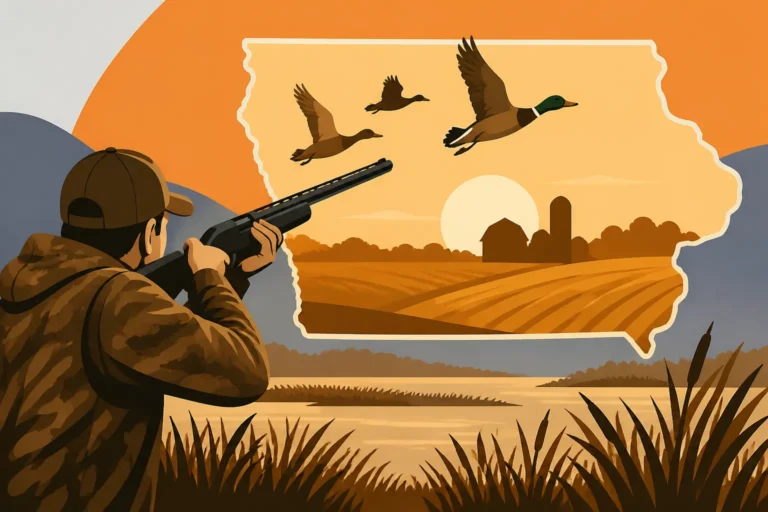
Green Island Wildlife Area truly shines as a multi-species hunting destination, but it’s perhaps best known for its incredible waterfowl opportunities. Being right on the Mississippi Flyway means a consistent flow of migrating ducks and geese throughout the fall and winter. Mallards, wood ducks, teal, and various divers make these sloughs and backwaters their temporary homes, providing exciting jump-shooting or decoy opportunities. Waterfowlers willing to put in the effort to access more remote sloughs can often find exceptional hunting away from the crowds. Waterfowl Hunting Iowa River Backwaters is a great resource if you're looking to dive deeper into those tactics.
Beyond waterfowl, Green Island holds a healthy population of whitetail deer. The dense bottomland timber, thick brush, and natural cover provided by the sloughs offer excellent bedding and browse. While the deer here might not be as numerous as in some of Iowa's prime agricultural areas, the bucks that call this river habitat home can grow to impressive sizes, benefiting from the rich forage and secure cover. Small game hunting is also very popular, with healthy populations of squirrels in the timbered areas and rabbits in the brushy edges. Occasionally, you might even find pheasants or quail using the fringe habitats, though they aren't the primary draw. Given the dense cover, hunting pressure tends to push game into even thicker areas, making for challenging but rewarding hunts.
Unique Challenges and Rewards
Hunting Green Island comes with its own set of unique challenges that aren't always present in other Iowa hunting areas. Access can be a major hurdle; many of the best spots are only reachable by boat, requiring careful navigation through sloughs and channels that can change depth and course with river fluctuations. Muddy conditions are almost a guarantee, especially after rain or snowmelt, and insect pressure, particularly mosquitoes, can be intense during warmer months. Understanding Wind and Thermals in River Breaks is crucial here, as the water can greatly influence air currents, affecting how your scent travels. Hunters also need to be acutely aware of water levels, which can rise and fall quickly, potentially stranding gear or making egress difficult.
However, these challenges come with significant rewards. The remote nature of much of Green Island means less hunting pressure in many areas compared to more easily accessible public lands. This allows deer to mature and waterfowl to rest undisturbed, leading to higher quality hunting opportunities for those willing to put in the extra effort. The sheer diversity of game species available means you can often pursue ducks in the morning and transition to deer hunting in the afternoon, or spend a day chasing squirrels through prime timber. The wild, untamed feel of the river bottom environment also offers an immersive experience that connects you deeply with nature, far from the sounds of traffic and agricultural machinery. It's an area that truly rewards preparation, perseverance, and a love for wild places.
Navigating Access and Regulations
Hunting Green Island Wildlife Area requires a bit more forethought than simply pulling off a gravel road. The unique riverine environment means understanding specific access points, boat considerations, and local regulations is paramount for a safe and successful trip.
Getting There
Accessing Green Island largely depends on the specific unit you plan to hunt and the time of year. While some areas are accessible via roads, particularly from the west side, many of the prime hunting spots within the core of the wildlife area are truly boat-access only. There are a few public boat ramps in the vicinity of Sabula and further north or south along the Mississippi River that can serve as launching points. Hunters often use smaller jon boats, canoes, or kayaks to navigate the shallow sloughs and backwaters, which allows for stealthy access and reaching areas larger boats can't.
Parking is generally available at designated access points or boat ramps. However, during peak waterfowl or deer seasons, these spots can fill up quickly, especially on weekends. It's always a good idea to arrive early or scout alternative parking options. Remember that you’ll often be parking along roads that are part of the larger river access system, so be mindful of local signage and avoid blocking private driveways or farm access points. Using a reliable mapping application like onX Hunt can be incredibly helpful for identifying official parking areas, boat ramps, and understanding the surrounding private property lines, which are often very intertwined in river systems.
Specific Area Regulations
While Green Island Wildlife Area falls under general Iowa hunting regulations, it’s crucial to remember that it is also part of the Upper Mississippi River National Wildlife and Fish Refuge. This means that certain refuge-specific regulations may apply, which can sometimes differ from statewide rules. For example, some units within the refuge might have specific season dates, bag limits, or restrictions on certain hunting methods or equipment that are unique to the refuge system.
It's absolutely imperative to check the most current Iowa hunting regulations booklet and the specific regulations for the Upper Mississippi River National Wildlife and Fish Refuge before planning your trip. These documents are usually updated annually and can be found on the Iowa Department of Natural Resources (DNR) website and the U.S. Fish and Wildlife Service (USFWS) website. Pay close attention to rules regarding baiting, permanent blinds, and any special zones that might be closed to hunting or restrict certain activities. Often, these refuge areas have specific requirements for temporary blinds or boat blind regulations. Ignorance of the rules is never an excuse, and violations can lead to hefty fines and loss of hunting privileges. Upper Mississippi Refuge Hunting Rules is a great place to start your research on these specifics.
Tools for Planning Your Hunt
In a complex, water-dominated environment like Green Island, preparation is your best friend. Gone are the days of just a paper map (though it's still smart to carry one!). Modern technology can dramatically improve your scouting and hunting experience. Mapping applications are an absolute game-changer for this area.
Mapping tools like onX Hunt become invaluable for delineating public access points from private holdings, especially in complex river bottom landscapes where boundaries can be unclear or constantly shifting with water. You can mark potential boat launches, identify hidden sloughs, and even drop pins for possible stand locations or retrieve points. These apps also allow you to download maps for offline use, which is critical in remote areas where cell service might be spotty or nonexistent. Another excellent resource is GoHunt, which can provide additional state-specific data layers that might highlight habitat types or historical hunting pressure. Whether you're using the state's own Using the Iowa DNR Hunter Atlas or a third-party application like GoHunt, understanding the boundaries is paramount. Always cross-reference multiple sources and, if possible, scout the area in person during the off-season to get a lay of the land, observe water levels, and identify game trails or pinch points.
Hunting Strategies for Green Island
Green Island Wildlife Area demands a unique set of hunting strategies due to its distinct riverine environment. Hunters who adapt to the water-dominated landscape and dense cover will find the most success.
Waterfowl Hunting Tactics
Waterfowl hunting is arguably the biggest draw at Green Island, and for good reason. The intricate network of sloughs, backwaters, and open water provides exceptional habitat for migrating ducks and geese. The key here is often mobility and understanding bird patterns. Jump shooting is a popular and effective method, especially for those willing to paddle a canoe or kayak through quieter channels, surprising ducks in small pockets of water. This requires stealth and keen observation skills.
For those looking to set up a spread, focus on scouting prior to your hunt to identify where birds are consistently resting or feeding. Look for areas with current or natural flow, as these areas often remain ice-free longer into the season. Building a makeshift blind from natural vegetation, or using a well-camouflaged boat blind, is essential. Decoy spreads don't always need to be massive; a few dozen well-placed decoys imitating dabblers or divers can be very effective in smaller sloughs. Pay close attention to wind direction and velocity, as this will dictate how ducks approach your spread and where they prefer to land. Often, the early morning hours just after fly-down are the most productive, but patient hunters can find success throughout the day, especially when new birds move into the area. Remember to carry all necessary gear, including waders, waterproof bags, and enough anchor rope for your boat and decoys, as depths can vary dramatically.
Deer Hunting Considerations
Deer hunting in the bottomland timber of Green Island is a different beast compared to hunting agricultural edges. The dense cover, frequent flooding, and thick undergrowth mean deer often behave differently. Instead of relying on vast crop fields, deer here are masters of navigating the thickets and timber, often using subtle elevation changes and dry strips of land as travel corridors. Focus on identifying these natural funnels and pinch points that deer use to move between bedding and feeding areas. Hunting a Narrow Creek Corridor can be a highly effective tactic here, as deer will often follow the driest path.
Mobile hunting tactics, like saddle hunting, are incredibly effective in this type of environment. Mobile Saddle Hunting in Iowa allows you to quickly adapt to changing conditions, move into thicker cover undetected, and adjust your stand location based on fresh sign or current wind patterns. Scout for rubs, scrapes, and fresh tracks along the edges of sloughs, on slightly elevated timber ridges, or where dry ground borders marshier sections. While treestands are common, ground blinds can also be very effective, especially if you can brush them in naturally against thick cover. Hunting during the late season, when food sources might be scarcer elsewhere, can concentrate deer in specific areas that still offer browse. Always be prepared for potentially dragging a deer through mud and water, making a deer cart or game sled an invaluable piece of gear.
Small Game and Upland Bird Opportunities
Don't overlook the excellent small game hunting opportunities at Green Island. The mix of timber and brushy edges creates fantastic habitat for both squirrels and rabbits. For squirrels, focus on the mature timber stands, particularly those with oak or hickory trees where nuts are abundant. Early morning or late afternoon hunts are often most productive, and still-hunting through the woods or sitting quietly near active feeding trees can yield good results. Squirrel Hunting Iowa Oak Timber provides excellent tips for this.
Rabbit hunting can be fantastic in the dense brush piles, multiflora rose thickets, and overgrown fence rows that often border the timber and marshy areas. Pushing these thickets, especially with a partner or a dog, can flush out cottontails. Remember to wear tough brush pants and good boots, as you'll be navigating some very dense cover. While pheasants and quail aren't the primary game, isolated pockets of upland grasses or brushy edges on higher ground might hold a bird or two, particularly on the western fringes of the wildlife area that transition into more agricultural landscapes. This diverse small game opportunity can provide a fun alternative or addition to your waterfowl and deer hunts, especially during less active periods.
Essential Gear and Safety
Successfully hunting Green Island Wildlife Area means being prepared for its unique demands. The right gear can make or break your hunt, and prioritizing safety is absolutely non-negotiable in this challenging environment.
Recommended Gear for Green Island
Given the prevalent water and varied terrain at Green Island, your gear selection needs to be robust and adaptable. Waterproof everything is a good rule of thumb. High-quality chest waders are often indispensable for waterfowl hunting and for accessing many deer and small game areas without boat assistance. Layered Cold Weather Stand Clothing is crucial, especially for late-season sits, as damp cold can be bone-chilling. Think waterproof outer shells, insulated jackets, and warm base layers.
For navigation, a reliable GPS unit or a smartphone with offline mapping capabilities (like onX Hunt or GoHunt) is essential. The intricate sloughs and timber can be disorienting, and it's easy to get turned around, especially in low light conditions or dense fog. Don't forget a headlamp with extra batteries – you'll likely be walking in or out in the dark. A good quality knife, game bags (especially in warmer weather), and a way to move harvested game (like a deer cart or drag harness) are also critical. If you're using a boat, ensure it has all required safety equipment, including life jackets, oars, and a proper anchor. Bug spray is also a non-negotiable for warmer periods, as mosquitoes and ticks can be relentless. Tick Season in Early Bow Season is a real concern in this habitat.
Safety Precautions
Safety at Green Island starts with respecting the water. If you're using a boat, always wear a life jacket, especially in cold water conditions. Be aware of changing river currents, submerged obstacles, and fluctuating water levels. Let someone know your detailed hunting plan, including your intended access point, hunting area, and expected return time. This is especially important when hunting alone in remote areas. Leaving a Trip Plan for a Public Hunt isn't just a good idea; it could be a lifesaver.
Always be aware of your surroundings and other hunters, particularly during busy seasons. The area can attract a lot of activity, especially waterfowl hunters. Positive identification of your target and what lies beyond it is paramount. If you're party hunting for deer, ensure everyone understands Party Hunting Rules and Safe Drives and has clear shooting lanes and safe zones of fire. When navigating dense cover, consider wearing blaze orange even when not legally required for your specific season, just for added visibility to other hunters. Always handle firearms and bows safely, and be mindful of property boundaries. Trespassing is a serious offense, and in complex river bottoms, boundaries can be tricky to discern without a mapping app. Pack a first-aid kit and know basic first aid. Being prepared for minor injuries, or even something more serious, can make a huge difference in an area that might be hours from medical help.
Green Island Hunting Overview
To give you a clearer picture of what you might expect, here's a brief overview of the hunting landscape at Green Island:
| Game Species | Primary Habitat | Best Season(s) | Typical Access Method | Key Strategy |
|---|---|---|---|---|
| Waterfowl | Sloughs, backwaters, open water, river channels | Fall (Oct-Dec) | Boat, Wading | Scouting, mobile blind, decoy placement, jump shooting |
| Whitetail Deer | Bottomland timber, thick brush, slough edges | Archery (Oct-Jan), Late Muzzleloader (Dec-Jan) | Foot, Boat, Wading | Still-hunting, mobile stands, identifying pinch points |
| Squirrel | Mature timber (oak/hickory stands) | Early Fall (Sep-Oct) | Foot | Still-hunting, sitting near active trees |
| Rabbit | Brush piles, thickets, overgrown edges | Fall/Winter (Oct-Jan) | Foot | Pushing cover, hunting with a dog |
This table serves as a quick reference, but remember that conditions and animal behavior can change daily. Flexibility and observation are your greatest assets when hunting Green Island.
Disclaimer
This article is for general informational purposes only and does not constitute professional advice. Laws, prices and regulations vary by location and change over time. Consult a qualified professional for guidance on your specific situation.