Iowa January Antlerless Hunts
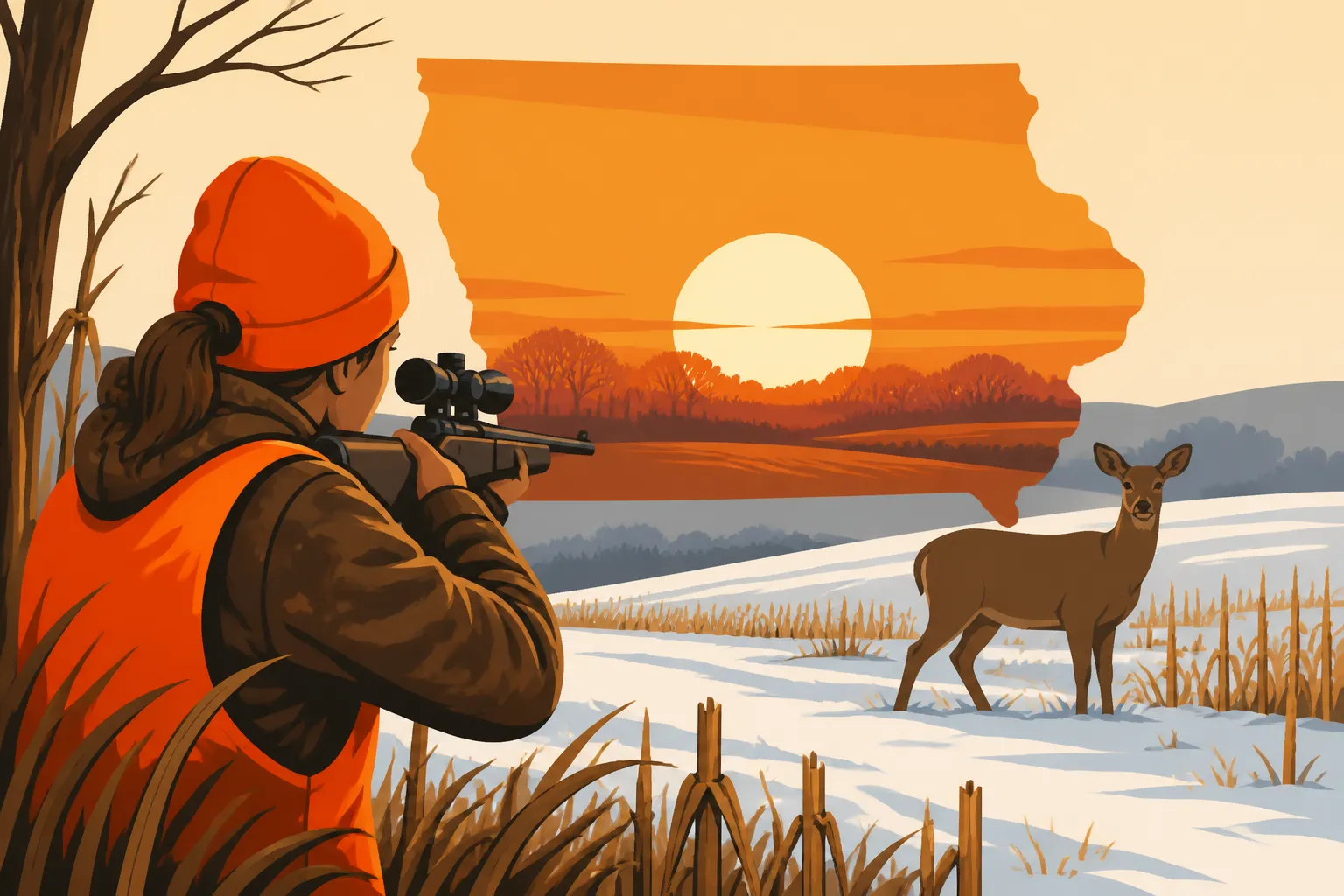
The chill of January in Iowa can feel like it seeps into your bones, and for many hunters, the thought of heading out into that frigid landscape after the main gun seasons have closed just isn't appealing. But for those dedicated to filling the freezer and extending their time in the timber, the Iowa January antlerless hunt presents a unique, often overlooked opportunity. This guide will walk you through everything you need to know to brave the cold and successfully tag a deer during this challenging but rewarding season.
Understanding the January Antlerless Season in Iowa
Hunting in January in Iowa isn't for the faint of heart, but it offers a distinct advantage: a chance to hunt when many others have hung up their gear. This season is specifically designed to manage deer populations, particularly does, contributing to a healthier herd overall by ensuring harvest objectives are met. It's a critical tool for the Iowa Department of Natural Resources (DNR) in keeping deer numbers in balance with habitat and reducing crop damage.
Key Season Dates and Regulations
The Iowa January antlerless season typically runs from January 11th through January 26th, but these dates can shift slightly year to year, so always double-check the current regulations with the Iowa DNR. It's crucial to understand that this is an antlerless hunt, meaning only does and fawns can be harvested. No antlered bucks are legal during this period, no matter how tempting a late-season cruiser might be. The weapon choice is generally restricted to shotguns, muzzleloaders, and straight-wall cartridge rifles, adhering to the same rules as the regular gun seasons. Knowing these specifics is vital, as ignoring them can lead to serious legal trouble.
One of the most important aspects to remember is the specific zones and counties where these tags are valid. Not every county in Iowa offers January antlerless tags. These tags are usually issued for counties that have higher deer densities and specific management needs. Before you even think about applying, head to the Iowa DNR website or use a resource like the Iowa DNR Hunter Atlas to confirm which counties have quotas for this season. The tags often sell out in popular areas, so knowing the application window and acting quickly is key. For more on specific timelines, check out our piece on Iowa January Antlerless Dates.
Who Can Participate: Residents vs. Nonresidents
For residents, participating in the Iowa January antlerless hunt is a straightforward affair, assuming tags are available in your desired county. You'll need to purchase an antlerless-only deer license for the specific county or zone you plan to hunt. The cost for these tags is generally quite reasonable for residents, making it an accessible way to extend your deer season. Many residents will have already secured their tags during the main application period, but often, leftover tags are available for the January season.
Nonresidents face a different set of challenges. Historically, nonresident antlerless tags for the January season have been very limited or non-existent in many counties, with preference given to residents to manage local herds. While nonresidents can apply for specific antlerless tags during the primary draw, drawing a January antlerless tag as a nonresident is extremely difficult. It's always best for nonresidents to consult the most current Iowa hunting regulations, often found on the Go Outdoors Iowa website, to understand their eligibility. If you're a nonresident with a valid any-deer or antlerless tag from a previous gun season (say, a second shotgun season tag you didn't fill), you might be able to utilize that tag during the January antlerless season if it falls within the legal weapon type and specific county restrictions. However, this is rare and needs careful verification. The focus of this season is heavily geared towards in-state harvest to address local population management goals.
The Purpose of January Antlerless Hunts
The January antlerless hunt isn't just a bonus hunting opportunity; it's a strategic component of Iowa's deer management plan. The primary purpose is to help control the deer population, particularly the doe segment, in areas where densities are high or where agricultural damage is a significant concern. By extending the season for antlerless deer, the DNR aims to achieve specific harvest quotas that contribute to a healthier, more balanced ecosystem. Without adequate doe harvest, deer populations can quickly outgrow their habitat, leading to over-browsing, increased disease transmission, and more deer-vehicle collisions.
From a hunter's perspective, this hunt serves several vital functions. Firstly, it offers a chance to fill the freezer with venison after the hustle and bustle of the earlier seasons. Many hunters cherish the opportunity to put more organic, lean meat on the table for their families. Secondly, it provides an additional opportunity to get out and enjoy nature during a time of year when many outdoor activities are dormant. The quiet, snow-covered woods of Iowa in January offer a stark beauty that is truly unique. Finally, for those who truly embrace the challenge, it's a test of skill and perseverance against some of the harshest conditions the Midwest offers.
Deer Behavior in the Dead of Winter
By January, the whitetail deer in Iowa have been through a lot. The rut is long over, the pressure from multiple gun seasons has settled in, and the harsh realities of winter are undeniable. Understanding how deer adapt to these extreme conditions is paramount to finding success during the January antlerless hunt. Their priorities shift dramatically, becoming almost solely focused on survival.
Extreme Cold and Snow Impact
Iowa winters can be brutal, often featuring deep snow, sustained sub-zero temperatures, and biting winds. These conditions directly impact deer behavior and movement patterns. Deer conserve energy in several ways: reducing their overall movement, seeking thermal cover, and focusing intensely on high-energy food sources. You won't see the wide-ranging cruising bucks of November. Instead, deer will typically move just enough to feed and then retreat to dense bedding areas to shelter from the elements.
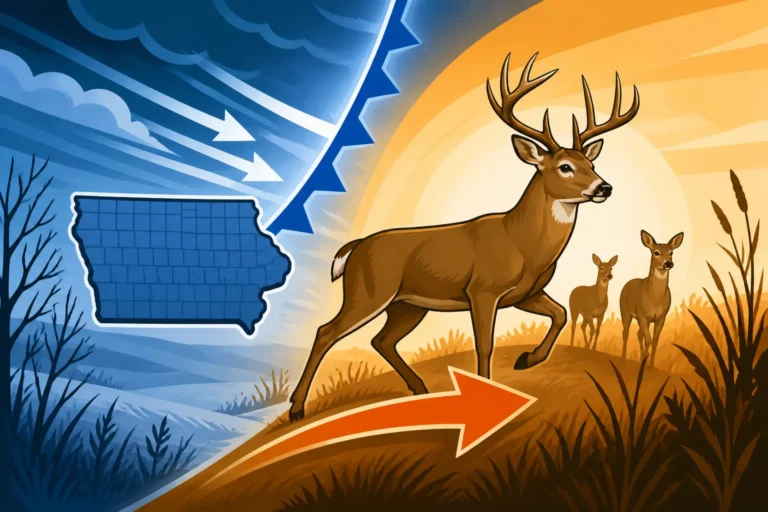
Snow depth is a huge factor. In areas with several inches or more of snow, deer will often create trails or "yards" where they can move with less effort. These well-worn paths can be excellent indicators of travel corridors between bedding and feeding. A sudden cold snap after a mild period can dramatically increase deer activity around food sources as their bodies demand more calories to stay warm. Conversely, during periods of extreme cold and heavy snow, deer might hole up for days, only moving minimally, making them incredibly difficult to locate. Keeping an eye on the weather forecast and understanding December Cold Front Deer Movement can provide valuable insights.
Primary Focus on Food Sources
In January, deer are calorie-starved. Their primary objective is to find and consume as much high-energy food as possible to maintain body temperature and stave off starvation. The lush green fields of summer are long gone, and even acorns are likely buried under snow or already consumed. This makes concentrated food sources absolute magnets for deer.
Think about what's available: standing corn or bean fields are gold mines. Farmers often leave a few rows of corn standing, or mechanical harvesters miss some beans, providing crucial sustenance. These fields will draw deer from a wide radius. Areas with late-dropping acorns, if you can find them under the snow, can still be productive. Food plots designed to last through winter, like brassicas or winter wheat, are also prime locations. Even timber with palatable browse that remains available, like honeysuckle or multiflora rose, can become a critical food source. Your entire strategy should revolve around identifying these high-value food sources. This aligns perfectly with tactics for Late-Season Food Source Hunting in Iowa.
Bedding and Thermal Cover Patterns
Just as crucial as food is thermal cover. Deer need places to bed down that offer protection from the wind and cold. This often means dense conifer stands like cedar thickets, thick willows in creek bottoms, or extremely dense patches of multiflora rose and sumac. These areas trap heat and block the wind, allowing deer to conserve precious energy. South-facing slopes that catch direct sunlight are also preferred bedding areas, as the sun can warm the ground, offering a slightly more comfortable spot.
Look for bedding areas that are close to prime food sources. Deer want to minimize their travel distance between feeding and bedding to conserve energy. This often results in patterns where deer feed heavily in a field and then retreat to a thicket just inside the timber edge or a brushy draw nearby. Scouting these transition zones and understanding how deer utilize topography to their advantage, particularly regarding wind and sun exposure, will be key to pinpointing their precise locations. Pay close attention to trails leading into these thickets; a well-worn path in the snow is a highway for deer movement.
Scouting and Locating Deer in January
Finding deer in January requires a disciplined and strategic approach. The woods are quiet, snow can conceal sign, and deer are not moving much. However, with their survival instincts at an all-time high, their movements become more predictable around the necessities of life. This predictability is your greatest asset.
E-Scouting for Winter Food Sources
Before you even step foot in the woods, dedicate time to e-scouting. This is where modern tools truly shine. Platforms like GoHunt, or even Google Earth and the Iowa DNR's public hunting atlas, become indispensable. Start by looking for unharvested agricultural fields, specifically corn and soybeans, as these are premium late-season food sources. Pay attention to properties with CRP (Conservation Reserve Program) acres adjacent to these fields; the thick grass provides excellent bedding.
Beyond ag fields, identify dense timber blocks, particularly those with conifers (evergreens), which offer superior thermal cover. Look for river bottoms and creek drainages that often hold thick cover and might have remaining browse. Use topographic maps to find south-facing slopes. These areas will warm up in the winter sun, making them attractive bedding locations. GoHunt can often overlay property boundaries and public land access points, making it easier to pinpoint potential hunting spots that also offer legal access. Identify potential access routes to minimize disturbance, thinking about how you can get to a stand with the wind in your favor without bumping deer.
On-the-Ground Sign Reading: Tracks, Browsing, and Droppings
Once you've narrowed down potential areas through e-scouting, it's time for on-the-ground investigation. January snow can be both a blessing and a curse. It hides deer, but it also reveals their every move. Fresh tracks are your most valuable intel. Look for heavily used deer trails, especially those connecting identified food sources to thick bedding cover. Pay attention to the size and freshness of tracks; larger, deeper tracks indicate mature deer, and crisp edges mean recent activity.
Beyond tracks, look for browsing. Deer will strip bark from saplings, nip off small branches, and dig for buried mast. These feeding signs confirm deer are actively using an area. Fresh droppings are another clear indicator of recent presence. In extremely cold weather, deer droppings might appear more pelletized and dry due as their digestive system slows down to conserve energy. The abundance and freshness of these signs will tell you if deer are consistently using an area or if it's just a travel corridor. Remember, with limited daylight movement, you're looking for signs of consistent activity rather than just sporadic tracks.
Using Trail Cameras for Real-Time Intel
Trail cameras are invaluable for understanding deer behavior in January, especially when deer movements are so limited. Place cameras on the edges of major food sources, focusing on trails leading into these fields from known bedding areas. Consider setting them up on heavily used pinch points or funnels between blocks of cover. The goal is to identify when and where deer are moving during daylight hours, as this is your crucial hunting window.
In winter, battery life in trail cameras can be significantly reduced due to the cold. Use high-quality lithium batteries for extended life and consider a solar panel accessory if you plan to leave cameras out for prolonged periods. Check your cameras sparingly to avoid pressuring the area. Every visit you make can disrupt deer patterns. If you're using cellular cameras, this becomes even easier, allowing you to get real-time updates without disturbing the area. However, always be mindful of Trail Camera Rules on Iowa Public Land if you're hunting public ground, as regulations can vary. The intelligence gathered from trail cameras can provide the confidence you need to endure a long, cold sit, confirming that deer are indeed using the area.
Effective Hunting Tactics for January Antlerless Deer
By January, deer have faced months of hunting pressure and brutal weather. Their survival instincts are razor-sharp. Your tactics need to be precise, low-impact, and capitalize on their predictable need for food and thermal cover. Forget the rut-crazed antics of November; this is a chess match against a wary, cold opponent.
Stand Hunting Over Preferred Food
The most common and often most effective tactic for January antlerless deer is stand hunting over a primary food source. As discussed, standing corn or beans, or a well-maintained winter food plot, will draw deer like a magnet. Identify the main entry and exit points deer use to access these fields from their bedding areas. Your stand placement should be designed to intercept deer during their limited daylight movement.
This typically means setting up on a timber edge overlooking the field, or even within a standing cornfield if cover allows, especially for evening hunts. For morning hunts, consider setting up between bedding and feeding, perhaps along a travel corridor or pinch point, to catch deer returning to bed. Wind direction is paramount. Always approach and hunt with the wind in your favor, especially with the minimal cover available in leafless timber. Consider a ground blind if the wind is swirling or if you need more concealment; just ensure it's brushed in well and set up in advance, so deer are accustomed to it. A good set of Cold Weather Stand Clothing is non-negotiable for these long, frigid sits.
Small Drives and Pushing Cover
In certain scenarios, particularly with a small group of hunters and specific terrain, small deer drives can be highly effective during the January antlerless season. This tactic is particularly well-suited for pushing dense, isolated pockets of cover where deer are likely bedded, such as a cedar thicket, a dense patch of honeysuckle along a creek bottom, or a small block of timber surrounded by fields. The key is "small drives"—these are not large-scale, scatter-gun operations.
For a successful small drive, you typically need 2-4 hunters. One or two hunters act as "blockers" or "watchers," positioned silently on the downwind side, typically on a known exit route or funnel. The other hunters act as "pushers," slowly and quietly moving through the cover, making just enough noise to encourage deer to move. The goal isn't to blast through, but to gently prod deer out to the watchers. Safety is paramount: know where every hunter is at all times, wear blaze orange, and have a clear understanding of shooting lanes and safe zones. This method is often best employed in terrain that naturally funnels deer, like a timber point between two fields or a narrow creek corridor. Understanding Iowa Party Hunting Rules and safe practices is critical before attempting any drive.
Still Hunting and Stalking Approaches
Still hunting or stalking can be incredibly challenging but immensely rewarding in January, especially after a fresh snow. The snow not only quiets your footsteps but also reveals fresh tracks, which can guide your approach. This tactic is best employed during periods of light snowfall or when the wind is strong enough to mask your movement, particularly in areas with good visibility like open timber or along field edges with some residual cover.
The key to successful still hunting is extreme patience and slow movement. Take 1-2 steps, then pause for several minutes, scanning the woods ahead for any sign of movement, a horizontal line, or a flick of an ear. Use your binoculars constantly. Focus on moving into the wind or with a crosswind, always being mindful of your scent. Look for deer bedded in thermal cover, often on south-facing slopes soaking up the sun. The leafless trees can make spotting deer at a distance easier, but it also makes it easier for them to spot you. This method demands exceptional stealth and a keen eye. It's truly a test of your hunting prowess, allowing you to immerse yourself fully in the winter landscape. When the ground is crunchy and frozen, stalking is almost impossible, but a fresh blanket of soft snow can make you feel like a ghost in the woods.
Gear and Preparation for Extreme Cold Weather Hunting
Hunting in Iowa in January means facing some of the most challenging weather conditions of the year. Your gear isn't just about comfort; it's about safety and your ability to stay in the field long enough for an opportunity to arise. Proper preparation is non-negotiable.
Layering Strategies for Iowa Winters
Effective layering is the single most critical factor for staying warm in bitter Iowa cold. Forget heavy, bulky coats that restrict movement and trap sweat. Instead, focus on a system of multiple thinner layers that can be added or removed as your activity level or the temperature changes.
- Base Layer: Start with a moisture-wicking base layer, ideally made of merino wool or a synthetic blend. This layer is crucial for pulling sweat away from your skin, preventing that clammy, cold feeling. Never use cotton as a base layer in cold weather, as it retains moisture and will make you colder.
- Mid-Layers: These are your insulation layers. Fleece jackets, down vests, or synthetic puffy jackets work well. You might use one or several mid-layers depending on the severity of the cold. The idea is to create dead air space that traps warmth.
- Outer Layer: Your outermost layer needs to be windproof and water-resistant (or waterproof if snow is falling). It also needs to be quiet for stealth. Look for insulated parkas and bibs designed for extreme cold. Brands like Sitka, Kuiu, or even more budget-friendly options from Cabela's or Bass Pro Shops offer excellent cold-weather outer layers. Remember, you'll be sitting for long periods, so your outer layers need to provide maximum warmth without restricting movement for a shot. For more detailed advice, check out our guide on Cold Weather Stand Clothing.
Essential Cold Weather Gear: Boots, Handwarmers, and More
Beyond your clothing system, several pieces of specialized gear are absolutely essential for January hunting:
- Insulated Boots: This is where many hunters fail. Your feet are particularly susceptible to cold. Invest in high-quality, heavily insulated (1000g+ Thinsulate equivalent) waterproof boots. Make sure they are a size or two larger than your street shoe to allow for thick socks and to prevent circulation restriction. Brands like Lacrosse, Kenetrek, or Irish Setter are popular choices. Remember to wear moisture-wicking sock liners under your heavy wool socks. Our article on Boots for Wet Iowa Timber offers more insights, applicable to snow and cold too.
- Hand and Foot Warmers: These are a hunter's best friend in January. Carry plenty of chemical hand and toe warmers. Place them in your gloves, pockets, and inside your boots. Reusable warmers or small catalytic heaters can also be invaluable. For tips on maximizing their effectiveness, read up on Hand and Toe Warmers That Last.
- Headwear: You lose a significant amount of body heat through your head. A warm, windproof beanie or balaclava is crucial. Consider one that covers your neck and face for maximum protection.
- Gloves/Mitts: A good pair of insulated, windproof gloves or convertible mitts that allow finger dexterity for shooting is important.
- Pack: A comfortable daypack is needed to carry extra layers, snacks, water, and emergency supplies. Make sure it's quiet and doesn't snag on brush. For ideas on what to carry, see our article on Pack Size for a Day in the Stand.
- Emergency Supplies: Always carry a fully charged phone (with a portable charger), a headlamp with extra batteries, a knife, a fire-starting kit, and a small first-aid kit. Tell someone where you're going and when you expect to return.
Weapon Considerations for Cold and Snow
While your primary focus is on staying warm, don't forget your weapon. Shotguns, muzzleloaders, and straight-wall cartridge rifles are the typical legal choices for January antlerless in Iowa. Each has specific considerations for cold weather.
- Shotguns and Straight-Wall Rifles: These are generally robust and less affected by cold. However, ensure your optics (scope or red dot) are fog-proof. Practice shooting with your heavy winter clothing to understand how it affects your mount and swing. Keep exposed metal parts wiped down to prevent rust, especially if going from warm indoor to cold outdoor conditions.
- Muzzleloaders: Muzzleloaders require extra attention. Moisture is their enemy. Keep your powder dry! Use waterproof caps or covers for your breach and muzzle, and consider using pre-measured powder charges in sealed containers. Cold weather can also affect powder ignition and velocity, so ensure your loads are consistent and reliable in freezing temperatures. Practice shooting your muzzleloader in cold conditions to verify point of impact. Wipe down after each hunt, particularly if snow or moisture gets into the action.
Regardless of weapon choice, always sight in your chosen firearm before the season, ideally in similar cold conditions if possible. Cold air is denser than warm air, which can slightly affect bullet trajectory, though typically negligible at typical deer hunting ranges. The most significant factor will be your own ability to make a steady shot while bundled in heavy clothing and shivering. Practice is key.
Processing and Post-Harvest Considerations in Winter
Successfully harvesting an antlerless deer in January is a fantastic achievement, but the work isn't over. The cold weather presents both advantages and unique challenges for field dressing, transport, and meat care.
Field Dressing in Freezing Temperatures
Field dressing in freezing temperatures has its pros and cons. The primary advantage is rapid cooling of the carcass, which is crucial for meat quality. Unlike early season hunts where you're racing against the clock in warm weather to cool the meat, January cold immediately starts the chilling process, preventing bacterial growth. This can actually simplify meat care, as the cold acts as a natural refrigerator.
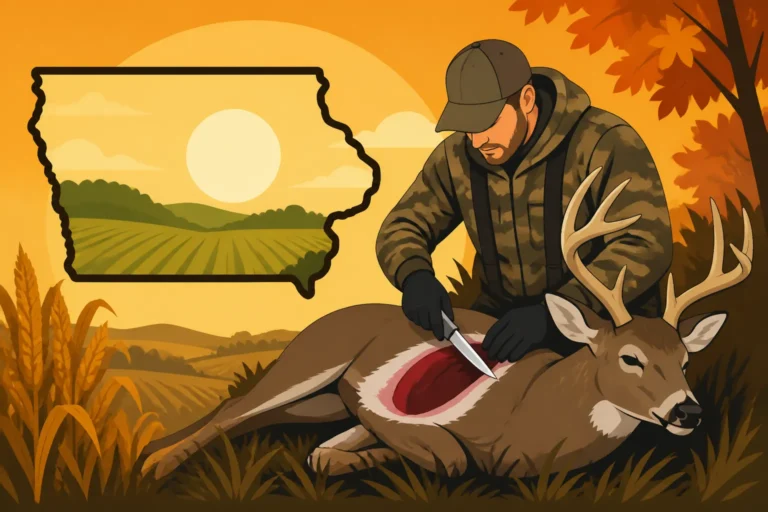
However, the cold also brings challenges. Your hands will get cold, fast. Wear thin, disposable nitrile gloves under heavier insulated gloves that you can easily take off and put back on. Keep a spare pair of warm gloves or hand warmers nearby. The deer's internal organs can be stiff and cold, making removal a bit more physically demanding. If you prefer the gutless method, where you quarter the deer in the field without gutting it, the cold can make the meat firm and easier to work with, but cutting through frozen fat or muscle can be tough. Ensure your knife is razor-sharp, and consider having a spare. For more on processing in less ideal conditions, you can check out tips on Field Dressing in Warm October Weather and reverse-apply some principles.
Transporting and Cooling Your Harvest
Once field dressed, the cold temperatures are your ally for transportation. The deer will quickly cool down, often freezing solid if left out long enough in extreme conditions. This eliminates the urgency of getting it to a cooler filled with ice, which is a major relief. You can often transport the whole carcass in the bed of a truck, covered to protect it from road grime, and it will stay perfectly chilled.
If you're hunting public land or remote areas, getting the deer out can be physically demanding. Deep snow can make dragging extremely difficult. This is where a good deer cart becomes invaluable. A sturdy cart with large wheels can navigate snow and uneven terrain much more easily than dragging by hand. For insights on making this easier, look into Deer Carts on Iowa Walk-In Ground. If the deer is too large or the terrain too rugged for a cart, quartering the deer in the field and packing it out in game bags is an excellent option. The cold makes this much more pleasant than in warmer weather. This method is detailed in our guide on Quartering a Deer in the Field.
Dealing with Locker Plants and Home Processing
The January antlerless hunt often concludes just before or during the slower period for many local locker plants. While they might still be busy with late-season deer from other states, you might find a bit more flexibility in drop-off times compared to the peak of the shotgun seasons. Call ahead to your preferred locker plant to confirm their hours and capacity. If the meat is already frozen solid, discuss with them the best way to handle it, as they might need to thaw it before processing, which can add to the turnaround time.
For home processors, the cold weather is a huge advantage. You can hang your deer whole in a garage or shed, allowing it to age beautifully for several days, assuming temperatures stay consistently above freezing but below about 40°F (4°C). This natural cold storage dramatically improves the tenderness and flavor of the venison. You'll need appropriate hanging equipment and space, but the January hunt provides the perfect conditions for dry-aging your deer at home before butchering. Ensure the carcass is protected from scavengers and rodents while hanging.
January Antlerless Hunting Checklist
| Clothing Layers | Moisture-wicking base layer (wool/synthetic), multiple insulating mid-layers (fleece/down), windproof/water-resistant outer shell (parka/bibs). |
|---|---|
| Footwear | Heavily insulated (1000g+), waterproof boots, moisture-wicking sock liners, heavy wool socks. |
| Head & Hands | Windproof beanie/balaclava, insulated gloves/mitts, extra hand warmers. |
| Optics | Binoculars (8×42 or 10×42), rangefinder, fog-proof scope/red dot on weapon. |
| Weapon & Ammo | Legal shotgun, muzzleloader, or straight-wall rifle; reliable ammunition sighted-in for cold weather. |
| Scouting Aids | Digital mapping app (e.g., GoHunt, onX, Gaia), compass, physical map (laminated), trail camera (lithium batteries). |
| Safety & Survival | Fully charged phone, portable charger, headlamp with extra batteries, knife, fire-starting kit, basic first-aid kit, whistle. |
| Post-Harvest | Sharp knives, disposable gloves, game bags, deer cart or drag harness, large cooler (if applicable). |
| Comfort Items | Hot coffee/tea in a thermos, high-energy snacks, insulated seat cushion for stand. |
Disclaimer
The information provided in this guide is for general informational purposes only and does not constitute legal advice. Hunting regulations in Iowa are subject to change. Always consult the most current Iowa Department of Natural Resources (DNR) regulations and local ordinances before engaging in any hunting activities. It is your responsibility to know and abide by all applicable laws and regulations. Stay safe and hunt ethically.