Hunting Iowa Road Ditches
It’s a common frustration, isn't it? You’re driving through Iowa’s beautiful farm country, seeing endless acres of potential habitat, and it all looks like prime hunting ground. Then, you spot a pheasant burst from a roadside ditch, or a deer jump a fence right next to the gravel. Naturally, your mind goes there: "Can I hunt that ditch?" It seems like an easy, accessible option, especially when private land access feels like finding a unicorn. But before you even think about stepping out of your truck, let's talk about the nuances, the rules, and the realities of hunting Iowa road ditches. It’s far more complicated than it looks, and there are some serious considerations to chew on.
The Legal Landscape of Hunting Iowa Road Ditches
Navigating the legalities of hunting along roadsides in Iowa can feel like trying to untangle a ball of fishing line. It’s not as simple as "if there’s public access, I can hunt it." There are layers of ownership, safety regulations, and trespass laws that hunters absolutely must understand to stay on the right side of the law and, more importantly, stay safe and respectful.
Understanding Right-of-Way Ownership
The ditch you see beside an Iowa road isn't always "public" in the way many hunters might assume. Often, the right-of-way, which includes the road, the shoulder, and the ditch, is legally owned by the state or county for transportation purposes. However, the underlying land within that right-of-way often still belongs to the adjacent private landowner. This distinction is absolutely crucial because while the public might have the right to travel on the road, that doesn't automatically grant them the right to hunt the vegetation and ground within the ditch.
Think of it like this: you can walk on a city sidewalk, but you can't set up a barbecue pit in the grass strip between the sidewalk and the street if that grass is maintained by the homeowner whose property abuts it. The same principle often applies to ditches. Without explicit permission from the adjacent landowner, you could very well be trespassing, even if you feel like you're on public access. Always assume private ownership unless you can prove otherwise.
Knowing who owns what can be incredibly difficult to discern just by looking at a ditch. Property lines can be tricky, sometimes extending well into what appears to be part of the public thoroughfare. Relying on tools like onX Hunt can be invaluable here, as they overlay property boundaries onto satellite imagery, helping you understand where public access ends and private land begins. However, even with these tools, it's always best practice to err on the side of caution.
Iowa's Shooting from a Road Rules
Beyond the issue of land ownership, Iowa has very specific and stringent laws about discharging firearms or bows from or across a public road or right-of-way. This isn't just a suggestion; it's a hard-and-fast rule designed for public safety. You simply cannot shoot from the traveled portion of a public road, or even from the ditch or shoulder, if that shot crosses over or into the roadway.
The danger here is obvious: stray projectiles, even those from a shotgun slug or a bow, can travel much further than people realize and pose a severe risk to motorists, homes, and livestock. These laws are in place to prevent tragic accidents, and violating them carries hefty penalties, including significant fines and potential loss of hunting privileges. It's a risk that's absolutely not worth taking for any game animal.
Furthermore, even if you found a ditch that was genuinely public property and you weren't shooting across a road, you still have to consider the direction of your shot. If you're shooting parallel to the road, or into an adjacent field, you must still have permission to retrieve any game that falls on private land. This brings us to the next critical point: trespass.
Trespass Laws and Adjacent Private Property
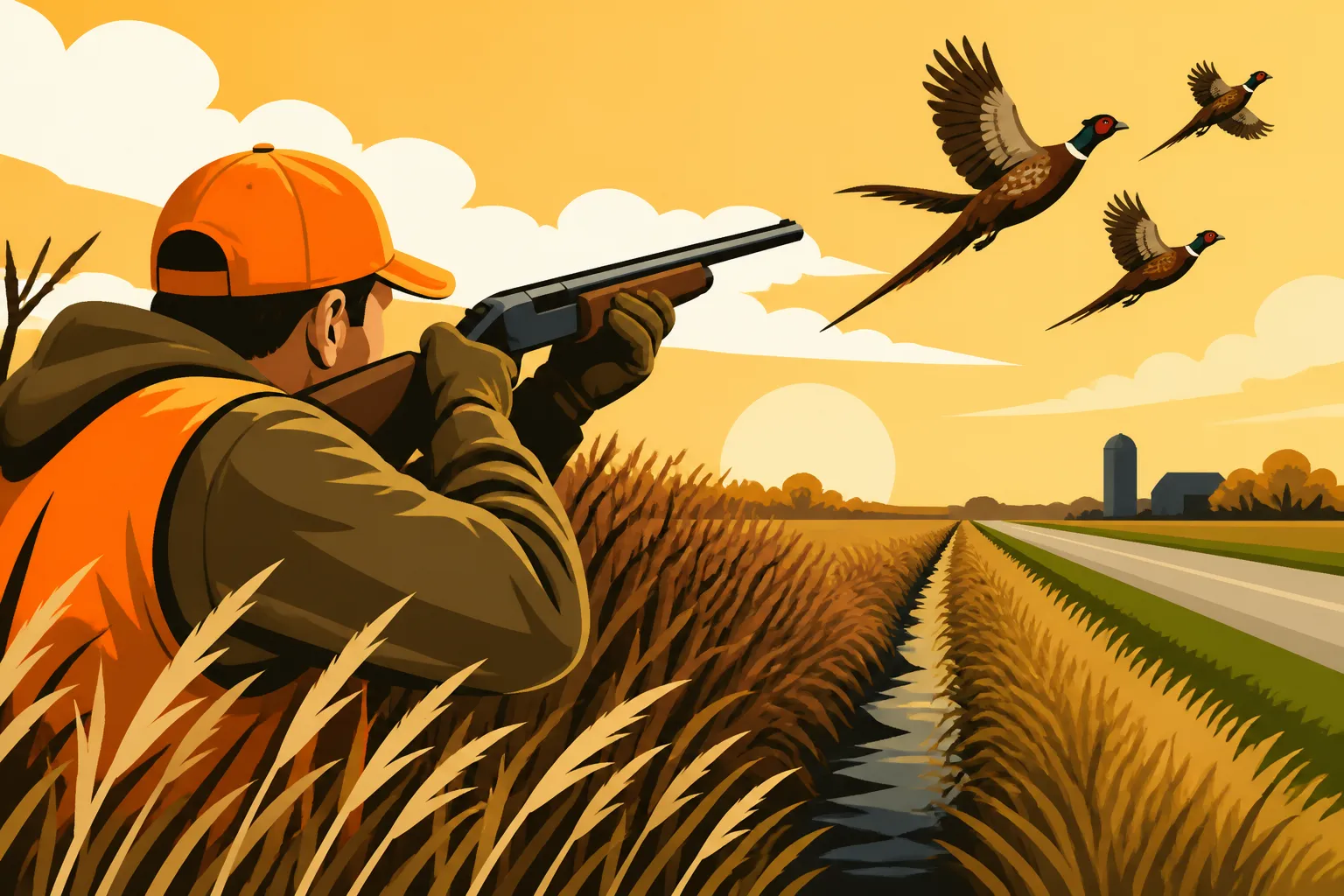
This is where hunting road ditches becomes particularly precarious. Even if you manage to find a rare segment of ditch that is genuinely public and you adhere to all shooting-from-a-road laws, the moment your game crosses onto private land without permission, you become a trespasser. This scenario plays out repeatedly: a pheasant flushes from a ditch, you make a legal shot, but it sails over the fence and lands in the farmer's standing corn.
Now you're in a tough spot. Do you risk retrieving it and potentially facing legal consequences or the wrath of a landowner? Or do you leave your bird, having gone through all the effort for nothing? The answer, legally and ethically, is you must seek permission to retrieve it. This often means knocking on a farmhouse door, which can be an uncomfortable conversation if you haven't already established a relationship with the landowner. Iowa Landowner Permission Basics is a great resource to understand how to respectfully ask for access.
Tools like onX Hunt can help you visualize these boundaries clearly, but they don't give you permission. It's simply not worth the risk of a trespass charge or, worse, creating a negative interaction that sours landowners on all hunters. One bad experience can close doors for an entire community of respectful sportsmen.
Practical Considerations for Ditch Hunting
Even if you managed to jump through all the legal hoops, there are a host of practical and ethical considerations that make ditch hunting a far less appealing prospect than it might initially seem.
Safety First: Visibility and Other Hunters
Let's be brutally honest: hunting alongside active roads is inherently dangerous. You are in close proximity to fast-moving vehicles, and even on quiet gravel roads, a passing car can create a dangerous situation, especially if you're focused on flushing game. Visibility is key, and while blaze orange is often legally required during specific gun seasons for deer, wearing it universally when hunting ditches, regardless of species or season, is just plain common sense. Drivers often aren't expecting to see hunters in these areas, and anything you can do to increase your profile is vital.
Beyond vehicles, there's the risk of other hunters. While these areas might seem overlooked, the very "accessibility" that draws you to them might attract others, sometimes less experienced or less safety-conscious individuals. Imagine a scenario where you're working a ditch and another hunter, unaware of your presence, shoots in your direction. It’s a terrifying thought, and one that highlights the need for extreme vigilance and communication if you’re hunting with a partner. Always prioritize your safety and the safety of others over a shot at a bird or a rabbit.
Species and Habitat: What You Might Find
Ditch habitat in Iowa, while often sparse, can serve as critical cover, especially in intensely farmed areas. Pheasants, rabbits, and sometimes even quail can hunker down in the taller grasses, multiflora rose, or brushy edges of a ditch. Deer might use them as travel corridors or for quick bedding, especially in areas where timber is scarce. Walking Grass Waterways for Pheasants can give you a better idea of how these linear strips of cover can hold birds.
However, the quality of this habitat is often marginal. These areas are frequently mowed, sprayed, or disturbed, making them less consistent than dedicated wildlife areas. Hunting them is often more opportunistic—you might jump a pheasant while driving by, rather than strategically working a prime piece of cover. While a ditch might hold game, it's typically not the kind of high-density, consistent habitat you'd find on a well-managed public land or a private farm with good cover.
Ethical Hunting and Public Perception
This is perhaps the most significant non-legal reason to reconsider ditch hunting. Hunters already face an uphill battle in maintaining a positive public image. When non-hunters or landowners see someone hunting directly alongside a road, it can create a very negative impression. It can look unsafe, disrespectful, or even desperate, regardless of whether you're technically legal. This perception can lead to increased anti-hunting sentiment, more restrictive regulations, and a harder time for everyone else trying to gain private land access.
As hunters, we are ambassadors for our sport. Every action we take in the field reflects on the entire hunting community. Making a questionable decision, even if technically legal, can have far-reaching negative consequences. Is a single pheasant or rabbit worth contributing to a negative stereotype that could impact hunting opportunities for future generations? Most ethical hunters would say no. We have a responsibility to conduct ourselves in a manner that garners respect, not criticism.
Alternatives and Better Options for Public Access
Instead of risking the legal and ethical pitfalls of ditch hunting, Iowa offers some fantastic, legitimate public access options that are far safer and more rewarding. Why settle for marginal, high-risk ditches when there are so many better places to pursue game?
Iowa's Habitat and Access Program (IHAP)
One of the absolute best alternatives to ditch hunting is Iowa's Habitat and Access Program (IHAP). This program pays private landowners to open up their property for public hunting, fishing, and trapping access. These aren't just small, isolated parcels; many IHAP tracts consist of excellent habitat, including timber, CRP fields, and wetlands, offering prime opportunities for deer, pheasants, turkeys, and more. How Iowa IHAP Works can provide a deeper dive into the program.
The beauty of IHAP is that it's clearly marked with bright yellow signs, leaving no doubt about where you can and cannot hunt. This eliminates the trespass risk inherent in ditch hunting. You can find these areas using the Iowa DNR's hunting atlas or via mapping apps like GoHunt or onX Hunt. These tools make it incredibly easy to scout and navigate these properties, offering a much more enjoyable and productive hunting experience. Plus, by using these areas, you're supporting a program that directly benefits both landowners and hunters, ensuring more public access for years to come. For ideas on how to approach these lands, check out Hunting Iowa Walk-In Ground Without Burning It Out.
State and County Public Lands
Iowa also boasts a diverse array of state and county-owned public hunting lands, including Wildlife Management Areas (WMAs), State Forests, and County Conservation Board areas. These tracts range from vast timbered blocks to expansive grasslands and marshy wetlands, providing habitat for nearly all of Iowa's game species. While some popular WMAs can experience higher Hunting Pressure Patterns on Iowa Public Land, especially on opening weekends, there are still plenty of opportunities to find solitude and success, especially if you're willing to walk a bit further or hunt during weekdays.
The great thing about these lands is they are clearly designated for public use. You don't have to worry about property lines or trespassing, making for a much more relaxed hunt. The Iowa DNR website is an excellent resource for finding these areas, often providing detailed maps and information about permitted activities. You can learn a lot more about them in Iowa Wildlife Management Areas and Public Hunting Land in Iowa. Many county conservation boards also offer hunting on their properties, but it's crucial to check local regulations, as rules can vary significantly from one county to the next.
Seeking Private Land Permission
While it might seem daunting, respectfully asking for permission from private landowners remains one of the most effective and rewarding ways to gain access to prime Iowa hunting ground. Many landowners are open to granting permission, especially if you approach them with courtesy, respect, and a willingness to help out. Showing up clean-cut, offering to help with chores, or providing references can go a long way.
This approach not only opens up incredible hunting opportunities but also fosters positive relationships between hunters and landowners, which is vital for the future of hunting. It's a stark contrast to the potential for negative interactions that can arise from hunting questionable ditch areas. Prioritizing these personal connections can lead to years of exclusive access to quality habitat, far surpassing anything a roadside ditch could offer.
Gear and Tactics for Marginal Cover
Even if you're not specifically hunting ditches, understanding how to effectively hunt small, marginal cover can be incredibly useful when you encounter similar situations on public lands or even granted private access. Sometimes, that small patch of brush or narrow tree line is exactly where the game is hiding.
Essential Gear for Small Cover Hunting
When you're working small, linear cover like a ditch or a narrow strip, mobility is key. You don't want to be bogged down by heavy gear. A lightweight shotgun, perhaps a 20-gauge, loaded with appropriate shot size for pheasants or rabbits, is often ideal. If you're bowhunting a narrow creek corridor or Hunting a Narrow Creek Corridor, a lighter bow setup and minimal gear would be your best bet. Forget the big deer stand; think light and efficient.
Beyond your weapon, essential gear includes good, waterproof boots for navigating potentially wet or muddy ditches, and a light pack to carry essentials like water, snacks, a small game bag, and a basic first-aid kit. And, as always, high-visibility clothing like blaze orange is paramount for safety, especially if you're working near roads or in areas where visibility is limited. A good pair of binoculars, even a compact set, can help you scan ahead without having to walk directly into every small pocket.
Effective Techniques for Ditch-Like Habitat
Hunting linear cover, whether it's a ditch, a fence line, or a narrow timber strip, often calls for a methodical approach. The "slow walk" is your best friend. Instead of busting through, take your time, pause frequently, and be ready for quick flushes. Game animals in these small covers are often on edge and will hold tight until the last moment, or bolt before you even see them.
If you're hunting with a partner, you can use simple blocking and driving tactics. One person walks the cover, while the other positions themselves at the end to intercept game that tries to escape. This works well for pheasants or rabbits. However, always ensure clear communication and pre-determined safe shooting lanes before attempting any drives, especially in open country. Party Hunting Rules and Safe Drives is worth reviewing if you're considering this.
For deer, these narrow corridors might be used as escape routes or quick bedding spots. A quick "still-hunt" through them, moving slowly with the wind in your face, might jump a deer, but don't expect them to hang around. It's more about being opportunistic than setting up for a long sit.
Scouting and Reading Small Pockets
Even the smallest patches of cover require some level of scouting. Don't just assume a ditch will hold game. Look for signs of activity: tracks, droppings, or worn-down paths. What's the vegetation like? Is it thick and thorny, offering good escape cover? Or is it sparse and open, offering little sanctuary? The thicker and more diverse the cover, the more likely it is to hold game.
Using aerial maps, especially from onX Hunt, is incredibly helpful for this. You can identify stretches of ditch that connect to larger blocks of timber or crop fields, forming natural travel corridors. Look for bends, culverts, or thicker patches of brush that might serve as temporary bedding. These visual cues can tell you a lot about how game might be using these linear features, helping you predict where an animal might be hiding or traveling. E-Scouting Iowa Farm Country From Home offers excellent tips that apply even to these smaller features.
In essence, while hunting Iowa road ditches might seem like a tempting shortcut to access, the legal complexities, safety hazards, and ethical considerations far outweigh the potential benefits. Iowa has incredible legitimate public lands and the IHAP program provides fantastic opportunities. Seek those out, build relationships with landowners, and always prioritize safety and ethical conduct. You'll find the hunting far more rewarding, and you'll be a better ambassador for our cherished outdoor traditions.
| Hunting Option | Legality | Safety Concerns | Effectiveness | Public Perception |
|---|---|---|---|---|
| Road Ditches | Highly complex (right-of-way, trespass, shooting laws) | High (traffic, other hunters, stray projectiles) | Low to Moderate (opportunistic, marginal habitat) | Often Negative (looks unsafe, disrespectful) |
| IHAP Lands | Clearly legal (signed public access) | Moderate (other hunters, personal responsibility) | High (dedicated habitat, good game density) | Positive (supports landowners, good program) |
| WMA/State Forests | Clearly legal (designated public hunting ground) | Moderate (other hunters, personal responsibility) | High (managed habitat, diverse game, can be pressured) | Neutral to Positive (expected use, managed areas) |
| Private Land (Permission) | Clearly legal (explicit landowner permission) | Low to Moderate (depends on landowner rules, personal responsibility) | Very High (exclusive access, often prime habitat, less pressure) | Very Positive (builds relationships, respectful access) |
Disclaimer
This article is for general informational purposes only and does not constitute professional advice. Laws, prices and regulations vary by location and change over time. Consult a qualified professional for guidance on your specific situation.