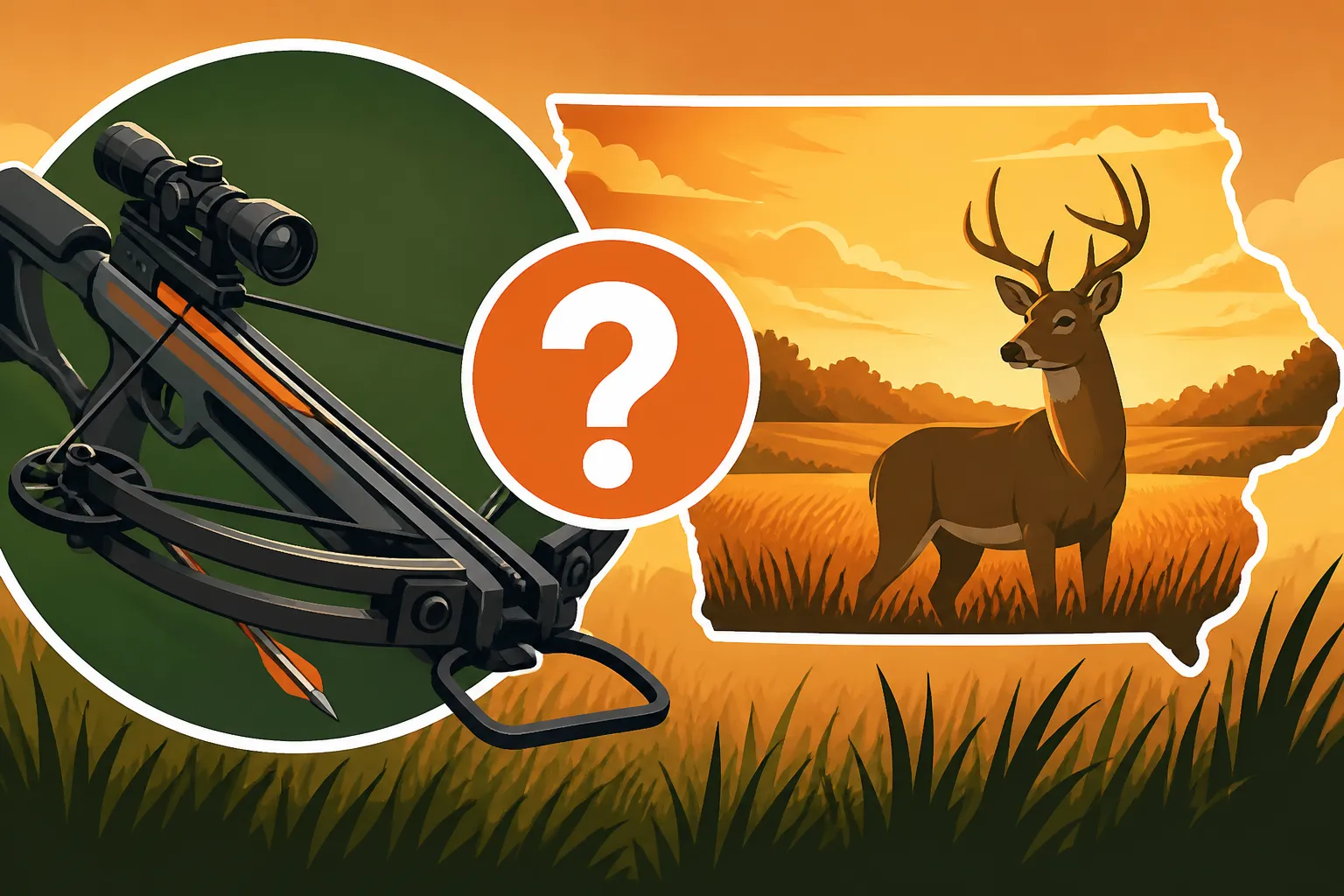
Are Crossbows Legal in Iowa Archery Season?
Navigating the specific regulations for hunting in Iowa can sometimes feel like trying to untangle a spool of monofilament after a windy day – confusing, frustrating, and prone to snags. One of the most common questions I hear, especially from folks new to the Hawkeye State or those coming from areas with different rules, revolves around crossbows in archery season. It's a topic that has generated a fair bit of discussion over the years, and it's easy to get conflicting information. This guide will walk you through the precise legalities and practicalities of using a crossbow for deer hunting in Iowa's archery season, cutting through the confusion so you know exactly where you stand.
Understanding Iowa's Archery Regulations for Deer
The world of archery hunting has changed a lot over the decades, and with new technology comes new discussions about what fits into traditional frameworks. Iowa's deer hunting regulations reflect some of these long-standing debates, especially when it comes to equipment.
The Traditional Bowhunting Ethos vs. Modern Equipment
For many seasoned archers, bowhunting has always conjured images of stick bows, recurves, and later, compound bows, where the hunter draws and holds the full weight of the bowstring. This pursuit is deeply rooted in tradition, emphasizing close-range encounters, extensive practice, and a profound connection to the animal and the landscape. There's a certain satisfaction that comes from mastering a vertical bow, and it's something many of us hold dear.
However, modern archery equipment, particularly crossbows, has opened the door to hunting for many who might otherwise be unable to participate. Whether due to physical limitations, age, or a steeper learning curve associated with vertical bows, crossbows offer a stable, high-precision alternative. This creates a natural tension between those who cherish the "traditional" challenge and those who see the value in expanding access to the hunting experience. It's understandable that regulations would try to balance these perspectives, leading to rules that might seem a bit convoluted at first glance. The frustration often comes from wanting clear, consistent guidelines that allow everyone to enjoy the outdoors responsibly.
Key Legal Definitions: Bows vs. Crossbows in Iowa Law
To truly understand if crossbows are legal in Iowa's archery season, we need to look at how the Iowa Department of Natural Resources (DNR) legally defines the equipment. In Iowa, a "bow" generally refers to a traditional vertical bow, whether it's a longbow, recurve, or compound bow, where the string is drawn by hand and held under tension by the shooter until release. These are the primary tools for the general archery season.
A "crossbow," on the other hand, is a weapon consisting of a bow-like assembly horizontally mounted on a stock, which propels an arrow or bolt by means of a string that is mechanically held under tension. This distinction is crucial because Iowa's regulations have historically treated crossbows differently from vertical bows, specifically for the general archery deer season. This isn't about one being "better" or "easier" than the other, but about the legal framework that has been established, recognizing the mechanical differences and their implications for how and when they can be used.
When and How Crossbows Are Permitted in Iowa
So, let's get right to the heart of the matter. Can you use a crossbow during Iowa's archery deer season? The answer, like many things in life, isn't a simple yes or no for everyone. It comes with specific conditions and exceptions.
General Archery Season Rules for Crossbows
For the vast majority of hunters participating in Iowa's regular archery deer season, the straight answer is: no, crossbows are generally not permitted as a primary weapon. The general statewide archery season for deer is reserved for traditional vertical bows (compound, recurve, or longbow). This is a stark contrast to many other states where crossbows are considered just another form of archery equipment, available to all hunters throughout the archery season. This regulation can be a point of contention for hunters moving into Iowa or those accustomed to more liberal crossbow rules elsewhere.
The intent behind this rule, as often articulated by the DNR, is to maintain a certain level of challenge and opportunity within the existing archery season framework. It shapes the way many archers scout, set up stands, and practice, knowing they need to get a deer within a more constrained range than might be typical with some crossbow setups. If you plan to hunt the regular archery season, make sure your equipment is a vertical bow that meets the Bow Draw Weight and Arrow Rules in Iowa.
Specific Exemptions: Youth, Disabled Hunters, and Late Seasons
Now, here's where the "yes, but" comes into play. While the general rule restricts crossbows for most, there are very specific circumstances under which they are legally permitted. These exemptions are designed to broaden participation and provide opportunities for hunters who might otherwise be excluded.
1. Youth Hunters: Iowa allows youth hunters to use crossbows during the youth deer season and, crucially, during the regular archery season. This is a fantastic initiative to introduce younger generations to hunting, allowing them to gain confidence with a more stable platform before transitioning to a vertical bow if they choose. Youth hunters must meet specific age requirements and generally must be accompanied by a licensed adult. The cost of a youth deer license is typically reduced, making it more accessible for families. You can find more details regarding Iowa Youth Deer Season Dates and Iowa Youth Deer Licence Cost to plan accordingly. This provision acknowledges that the learning curve for a vertical bow can be steep, and a crossbow offers a bridge into the sport.
2. Disabled Hunters: Hunters with certain physical disabilities can obtain a permit to use a crossbow during any deer season that allows archery equipment. This is a critical accommodation, ensuring that a physical limitation doesn't entirely prevent someone from enjoying the hunt. The process involves applying to the Iowa DNR with documentation from a physician detailing the disability. The disability must prevent the hunter from being able to draw and hold a vertical bow. This permit is individual and must be carried while hunting. We'll delve deeper into this application process in the next section. For more information on season specifics, refer to Iowa Disabled Hunter Seasons.
3. Late Muzzleloader Season: This is often overlooked, but crossbows can also be used during the late muzzleloader season, typically in January. This is not an archery season, but rather a late firearm season where muzzleloaders and, for some hunters, pistols and crossbows are allowed. It offers a unique late-season opportunity, especially for those who might struggle with the cold or the technicalities of a muzzleloader. This flexibility during the late season provides an additional window for legal crossbow hunting without needing a disability permit, as long as it aligns with the season's dates and weapon allowances. Always double-check the current year's regulations booklet for exact dates and allowed weapons.
These exceptions highlight Iowa's pragmatic approach, aiming to strike a balance between maintaining hunting traditions and ensuring inclusivity for various hunter demographics.
| Hunter Type | Archery Season | Youth Season | Late Muzzleloader Season | Notes |
|---|---|---|---|---|
| General Adult | Not Permitted | N/A | Permitted | Requires a valid Late Muzzleloader tag. Not allowed in regular archery. |
| Youth Hunter | Permitted | Permitted | Permitted | Must comply with youth hunting regulations and supervision. |
| Disabled Hunter | Permitted | Permitted | Permitted | Requires a special permit from the Iowa DNR, with physician's certification. |
This table summarizes general guidelines. Always consult the official Iowa DNR regulations for the most current and specific details.
Navigating the Application and Permitting Process
If you fall into one of the exempted categories, specifically as a disabled hunter, there's a process you'll need to follow to ensure you're hunting legally with a crossbow. It's not overly complex, but it does require attention to detail.
Applying for a Disabled Hunter Permit
For disabled hunters, obtaining a permit to use a crossbow is a crucial step. It ensures that the spirit of the law is upheld while providing necessary accommodation. Here’s a general rundown of what that process entails:
-
Understand the Criteria: The Iowa DNR's core requirement is that your disability prevents you from being able to draw, hold, or operate a vertical bow. This isn't about preference but genuine physical limitation. Conditions like significant upper body weakness, joint immobility, or other permanent physical impairments are typically considered. Temporary injuries might not qualify for a long-term permit but always check with the DNR for specific guidance.
-
Gather Documentation: You will need certification from a licensed physician (M.D., D.O., or equivalent) attesting to your disability and its impact on your ability to use a traditional bow. This usually involves a specific form provided by the DNR that your doctor will need to fill out and sign, detailing the nature of your disability and why it necessitates the use of a crossbow. Be thorough in collecting this information; incomplete applications can lead to delays.
-
Submit Your Application: Once you have your doctor's certification, you'll submit it to the Iowa DNR for review. This can often be done online through platforms like Go Outdoors Iowa or by mailing in a physical application. Make sure all fields are filled accurately. It’s always a good idea to keep copies of everything you submit for your records. This is where a tool like GoHunt can become useful, not just for general scouting, but also for checking the Iowa DNR website for the latest forms and submission guidelines, making sure you don't miss any critical updates to the process.
-
Allow Processing Time: Don't wait until the last minute before the season opens. The DNR needs time to review your application and issue the permit. Processing times can vary, so apply well in advance of when you plan to hunt. Once approved, you’ll receive a physical permit that you must carry with you whenever you are hunting with a crossbow during seasons typically reserved for vertical bows. This permit is your proof of legal exemption.
Missing a step here could mean a spoiled hunt or even legal trouble, so be diligent.
Understanding Youth Hunter Regulations
Youth hunters have a bit of an easier path, as the permission to use a crossbow is generally built into their hunting privileges for specific seasons. However, there are still important regulations to keep in mind:
-
Age Requirements: Iowa has specific age guidelines for youth hunters. Generally, youth under a certain age (check current regulations for specifics) are eligible for the youth season and associated privileges, including crossbow use in the archery season. This typically falls within the 16 and under range, but again, rules can change, so always confirm with the latest Iowa hunting regulations.
-
Supervision is Key: A youth hunter must be accompanied by a properly licensed adult at all times while hunting. This adult must meet specific criteria, often being at least 18 years old and having a valid hunting license and habitat fee. This supervision is crucial for safety and for teaching responsible hunting practices. It’s a great opportunity for mentorship, allowing experienced hunters to pass on their knowledge. Iowa Mentored Youth Hunting goes into more detail about these programs.
-
Specific Tags and Seasons: Youth hunters will need the appropriate deer tags for the season they are hunting. While they can use a crossbow during the regular archery season, they'll need an archery deer tag. During the dedicated youth deer season, they'll need a youth deer tag. Understanding Iowa Deer Season Dates by Weapon is essential to ensure they have the correct tag for their chosen hunt period.
The youth provisions are designed to foster new hunters, recognizing that a crossbow can be a stepping stone to building confidence and skills. It’s a fantastic way to get kids excited about being in the deer woods.
Practical Considerations for Crossbow Hunting in Iowa
Once you're legally squared away to use a crossbow in Iowa, it's time to think about the practical aspects of hunting with one. It's more than just pointing and shooting; responsible and ethical hunting requires preparation and understanding of your equipment.
Crossbow Selection and Setup for Iowa Deer
Choosing the right crossbow for Iowa's terrain and deer can significantly impact your success and ethical execution. You want a reliable, accurate, and powerful enough crossbow to humanely harvest an Iowa whitetail.
-
Draw Weight and Speed: Crossbows come in a variety of draw weights and speeds. While Iowa doesn't specify a minimum draw weight for crossbows (as it does for vertical bows), it's crucial to select a model powerful enough to deliver sufficient kinetic energy for a clean pass-through on a deer. Modern crossbows are incredibly efficient, but generally, anything in the 150+ pound draw weight range should be adequate, producing bolt speeds that are plenty for deer. You should also consider Crossbow Draw Weight for Whitetails to ensure you’re making an ethical choice.
-
Bolt Selection: Don't overlook the importance of your bolts and broadheads. A well-matched bolt and broadhead combination is paramount for accuracy and penetration. Heavier bolts often carry more kinetic energy downrange, which can be beneficial. Mechanical or fixed-blade broadheads are both effective, but always practice with your chosen broadhead to ensure it flies true with your setup. For more insights on this, you can check out Crossbow Bolt Weight and Speed.
-
Optics: Most crossbows come with a scope, and a good one is essential for accuracy. Practice at various ranges to understand your crossbow's trajectory and holdovers. Iowa deer hunting often involves shots in varying conditions, from tight timber to open field edges, so familiarity with your optic is key.
-
Sighting In: Zero your crossbow carefully. A solid rest and consistent form are critical. Practice from elevated positions if you plan to hunt from a stand, as angles can affect point of impact. Knowing your limits is important; even with a crossbow, ethical shots on deer require precision.
Ethical Considerations and Fair Chase
The debate surrounding crossbows often touches on ethical hunting and the concept of "fair chase." Regardless of your stance, once you're legally using a crossbow, your responsibility is to hunt ethically and ensure a humane harvest.
-
Shot Placement: Just like with any other weapon, shot placement is paramount. A crossbow can be incredibly accurate, but it's still up to the hunter to place the shot in the vital zone. Practice aiming at 3D targets to understand anatomical landmarks. Remember, even with a crossbow, you need to understand where to aim for the best results. Shot Placement on a Whitetail at Twenty Yards offers great advice that applies to crossbows as well.
-
Range Limitations: While a crossbow can extend effective range compared to many traditional bows, it's still crucial to know your personal and your equipment's limitations. Don't push shots beyond what you've confidently practiced. Factors like wind, deer movement, and dense cover can all affect accuracy. Ethical hunting means taking high-percentage shots only.
-
Tracking and Recovery: Even with a well-placed shot, tracking can be necessary. Crossbow bolts can sometimes leave a different blood trail than traditional archery arrows, so be prepared to track effectively. Knowing what to do if a deer doesn't drop in sight is crucial, especially in challenging terrain like CRP fields or thick timber.
Respecting the animal and striving for the quickest, most humane harvest is the cornerstone of ethical hunting, regardless of the tool in hand.
Public Land Rules and Crossbows
If you're planning to use your legally permitted crossbow on Iowa's extensive public lands, remember that all general public land rules still apply. These rules are in place to ensure safety, minimize environmental impact, and provide equitable access for all users. Using resources like GoHunt can be invaluable here. Their mapping features often highlight public land boundaries, access points, and even topo lines which can help you Scouting Iowa Public Land Before the Opener and navigate specific areas like Iowa Walk-In Ground Without Burning It Out.
-
Stand and Blind Regulations: Check specific regulations for hanging stands or setting up ground blinds on public land. Many areas have rules against screw-in steps or leaving stands overnight. Always follow these guidelines to avoid violations and maintain good standing as a public land hunter. For example, knowing portable stand rules on Iowa public ground can save you a headache.
-
Access and Parking: Public land often has designated parking areas and access points. Respect these, and avoid driving or walking through restricted areas. The goal is to leave no trace and ensure that the hunting experience remains accessible for everyone.
-
General Conduct: Be mindful of other hunters and users. Public lands are shared resources. Whether you’re using a crossbow under an exemption or a traditional vertical bow, courteous behavior and adherence to all regulations ensure a positive experience for all. Using the Iowa DNR Hunter Atlas is a critical tool for understanding exactly where you can go and what rules apply.
By understanding and adhering to these practical considerations, you can ensure a safe, ethical, and successful crossbow hunting experience in Iowa, whether you’re a youth, a disabled hunter, or pursuing deer during the late muzzleloader season.
Disclaimer
This article is for general informational purposes only and does not constitute professional advice. Laws, prices and regulations vary by location and change over time. Consult a qualified professional for guidance on your specific situation.