Iowa Mentored Youth Hunting
The world of hunting can feel incredibly intimidating when you're just starting out, especially for young people. The endless regulations, licensing requirements, and the need for formal hunter education can seem like a huge hurdle, preventing many families from passing down a cherished tradition. Thankfully, Iowa offers a fantastic solution: the Mentored Youth Hunting program, designed to safely introduce young enthusiasts to the outdoors under expert guidance, and this guide will walk you through every step.
Kicking Off the Hunting Journey with Iowa's Mentored Youth Program
Getting started in hunting is more than just pulling a trigger; it's about connecting with nature, understanding wildlife, and embracing a time-honored tradition. For many families in Iowa, the desire to share this experience with their children is strong, but the practicalities can be daunting. The Mentored Youth Hunting program cuts through some of that initial complexity, making it easier and safer for kids to get their boots dirty.
What the Mentored Program Is All About
At its heart, the Iowa Mentored Youth Hunting program is a bridge. It allows young hunters, who haven't yet completed the state's mandatory hunter education course, to gain invaluable hands-on experience in the field. The philosophy is safety-first, ensuring that every step of the learning process is under the direct, watchful eye of an experienced, licensed adult. This isn't just about getting a tag; it's about fostering a deep understanding of ethical hunting practices, wildlife conservation, and outdoor responsibility from an early age.
Unlike the traditional path where a new hunter must complete a rigorous hunter education course before they can even purchase certain licenses, the mentored program flips the script. It recognizes that some of the best learning happens in real-time, in the woods, with a patient teacher beside them. It's a fantastic way to immerse a child in the hunting experience, letting them learn the sounds, smells, and rhythms of the wild without the pressure of an immediate certificate. This program helps ensure that the future of hunting is nurtured by creating a new generation of informed and responsible conservationists, deeply connected to Iowa's natural heritage.
Who Can Participate and Under What Conditions
So, who exactly is eligible to participate in this wonderful program? In Iowa, the Mentored Youth Hunting program is specifically designed for young hunters who are under 16 years of age. The crucial element here is the "mentor" part. These young individuals must be accompanied by a licensed adult who is at least 18 years old. This adult is not just a chaperone; they are the direct supervisor, responsible for the youth's safety and education throughout the hunt.
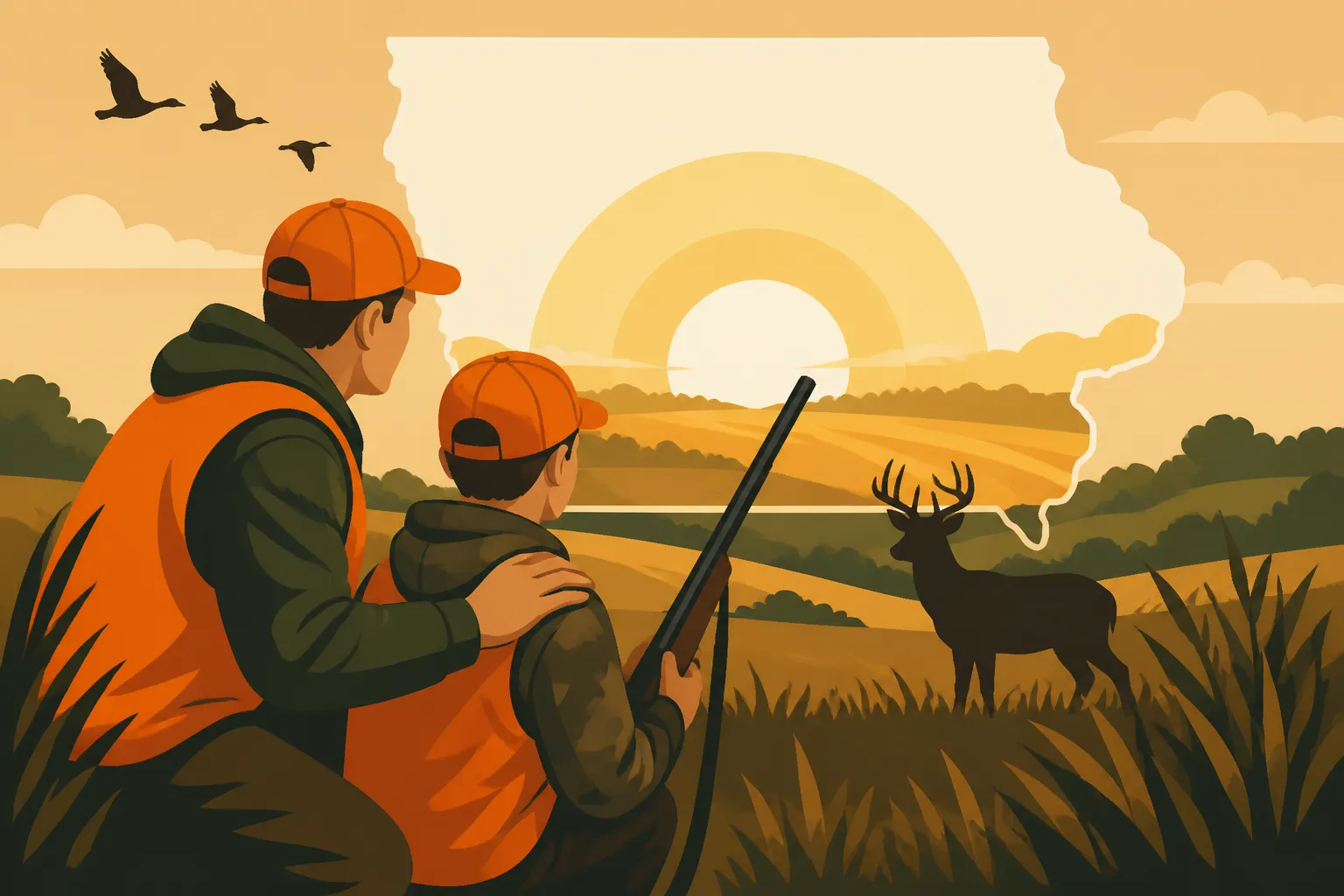
The term "direct supervision" in Iowa's hunting regulations isn't just a suggestion; it's a strict requirement. It means the mentor must be close enough to the youth to exercise immediate, continuous control and can take immediate possession of the hunting device (bow, shotgun, muzzleloader) at any given moment. Imagine a parent walking right beside their child in the pheasant field, or sitting shoulder-to-shoulder in a deer stand. This isn't a situation where the youth is out on their own while the adult is simply in the general vicinity. The mentor is actively engaged, teaching, guiding, and ensuring safety above all else. This strict guideline is what makes the program so incredibly safe and effective, giving parents and guardians peace of mind as their young charges explore the hunting world.
Benefits Beyond the Field for Young Hunters and Families
The advantages of Iowa's Mentored Youth Hunting program extend far beyond just putting meat in the freezer or collecting a trophy. For many families, it's an incredible opportunity for bonding and creating lasting memories. Imagine spending a crisp autumn morning in the timber with your child, sharing stories, spotting deer tracks, and experiencing the quiet beauty of an Iowa sunrise together. These moments build character, teach patience, and instill a deep respect for nature that often lasts a lifetime.
One of the often-unseen benefits is the relief it offers to families who might struggle to fit a traditional hunter education course into their busy schedules. While completing hunter education is eventually necessary for independent hunting, this program removes that initial barrier, allowing immediate participation. It gives kids a chance to truly experience hunting firsthand before committing to the full course. It's an excellent way to gauge their interest and passion. Furthermore, by being immersed in the actual hunting environment, young participants learn not just the mechanics of shooting, but also critical field craft: how to move quietly, read game sign, understand wind direction, and appreciate the full scope of an outdoor pursuit. It nurtures a lifelong passion, teaching responsibility, self-reliance, and an appreciation for the conservation efforts that make these opportunities possible.
Deciphering the Regulations: Licenses, Tags, and Permitted Game
Navigating the various licenses, tags, and specific rules for hunting can be a bewildering experience even for seasoned hunters, let alone for a family trying to introduce a youngster to the sport. Iowa's Mentored Youth Hunting program simplifies much of this, but it still has its own set of guidelines to ensure ethical and safe participation.
Understanding Youth and Mentor Licensing Requirements
For the mentor, the requirements are straightforward: you must possess all the necessary licenses and stamps that you would normally need to hunt the specific game animal yourself. This typically includes a valid Iowa hunting license and the habitat fee. If you're hunting migratory birds, you'd also need a federal duck stamp and state migratory bird fee, for instance.
For the youth under the mentored program, things are a bit different and very convenient. Iowa offers a specific "Mentored Youth Hunting License." The beauty of this license is that the youth does not need to have completed hunter education to obtain it. This license is usually available at a reduced cost or even free, depending on the specific game and season. For instance, a youth participating in a special youth deer or turkey season will typically receive a free tag specifically allocated for that hunt. All these licenses can be easily acquired through the Go Outdoors Iowa online portal or at any authorized license vendor. It's a streamlined process designed to encourage participation, keeping in mind that the mentor's license and supervision are the primary safeguards. It stands in stark contrast to the general Iowa Hunter Education Requirements that independent hunters must meet.
Which Species and Seasons are Open for Mentored Youth
The Mentored Youth Hunting program in Iowa is quite generous in the opportunities it provides. Young hunters, under the direct supervision of their mentor, can pursue most of Iowa's common game species. This includes a wide array of small game and furbearers like squirrels, rabbits, pheasants, and quail during their respective open seasons.
When it comes to big game, the program shines. Mentored youth are often eligible for special youth deer seasons, where they might receive a free antlerless or any-sex deer tag. These seasons are typically held prior to the regular firearm seasons, often in September or December, offering less pressure and unique opportunities. For turkey, mentored youth can often participate in specific spring youth turkey seasons, again, frequently with a free tag. It's worth noting that while they can hunt during these dedicated youth seasons, they can also participate in general seasons (like the regular shotgun deer seasons) provided they adhere to all rules, including the strict supervision requirement. Understanding the Iowa Spring Turkey Season Dates or Iowa Pheasant Season Dates is just as important for a mentored youth as it is for any other hunter. Always check the current Iowa DNR regulations for precise dates and tag allocations, as these can vary slightly year to year.
Legal Equipment and Crucial Safety Protocols
When a mentored youth is in the field, they are generally allowed to use the same legal equipment as the adult hunter for the specific season and species being pursued. This means if it's shotgun deer season, they can use a legal shotgun. If it's archery season, a legal bow. Iowa allows a variety of weapons for deer, including bows, shotguns, muzzleloaders, and straight-wall cartridge rifles during specific seasons. There aren't unique caliber or draw weight restrictions for youth hunters within the mentored program, beyond what's legal for everyone else. The emphasis is entirely on the mentor ensuring the youth can safely handle the chosen weapon and make an ethical shot.
However, safety protocols are paramount and cannot be overstated. During any gun season where blaze orange is required, both the youth and the mentor must wear it. This is not just a suggestion; it's a legal and life-saving necessity. The rule about the mentor being able to take "immediate control" of the weapon is the program's cornerstone safety measure. This means if the youth is using a firearm, the mentor should be close enough to grab the barrel or action if necessary. If it's a bow, the mentor needs to be able to intervene instantly. It means constant vigilance, ensuring that the youth is always pointing the muzzle in a safe direction, that the safety is engaged until ready to shoot, and that they understand their target and what is beyond it. These stringent safety guidelines are what make the Mentored Youth Hunting program a trusted pathway into hunting.
| Feature | Mentored Youth Hunter (Under 16) | Standard Hunter (16+) |
|---|---|---|
| Hunter Education | Not required initially | Required to purchase license |
| Supervision | Direct, continuous adult supervision required | Hunts independently, no supervision needed |
| License Type | Special Mentored Youth License (often free) | General Hunting License + specific tags |
| Mentor Requirement | Must hunt with a licensed, 18+ adult | N/A |
| Weapon Use | Same legal weapons as mentor/season | Same legal weapons as season |
| Season Access | Special Youth Seasons + general seasons with supervision | All open seasons |
| Tag Cost (Deer/Turkey) | Often free for youth tags | Standard tag fees apply |
Crafting Memorable and Effective Mentored Hunts
The goal of mentored youth hunting isn't just about bagging an animal; it's about building character, teaching responsibility, and creating experiences that will last a lifetime. A successful mentored hunt is one where the young hunter learns, grows, and leaves the field with a smile, regardless of whether they harvested game.
Preparing for the Field: From Practice to Mindset
Successful hunts, especially with youth, start long before you ever step foot in the timber or field edge. Patience is truly a virtue here. For a very young or first-time hunter, start small. Squirrel hunting or rabbit hunting can be fantastic introductions, offering plenty of action and teaching basic gun safety and shot placement without the intense pressure of a deer hunt. Even something like dove hunting provides excellent wing-shooting practice in a relaxed social setting.
Before any hunt, range time is non-negotiable. Ensure your mentee is completely comfortable and proficient with their chosen weapon. Start close, focusing on fundamentals like breath control, trigger squeeze, and follow-through. It’s also important to discuss realistic expectations. Most hunts don't end with a harvest, and that's perfectly okay. Frame the experience around the journey, the observation, and the time spent outdoors. Encourage questions and engage their curiosity. Making sure they are comfortable physically is also key; investing in proper Cold Weather Stand Clothing and comfortable, waterproof boots can make or break an all-day sit. No one enjoys being cold and miserable, especially a kid!
On the Ground: Teaching Beyond the Shot
Once you're actually in the field, the teaching opportunities abound. This is where the magic of mentorship truly happens. Instead of just focusing on finding an animal, draw attention to everything around you. Point out deer tracks, explain how to Reading an Iowa Timber Draw for Deer Sign, identify different tree species, or explain the effects of wind on scent and sound. Consider using modern mapping tools like the ones from GoHunt or the Iowa DNR's own Using the Iowa Hunting Atlas to show them property lines, topo maps, and even historic harvest data while you're in the field, connecting the physical landscape to digital information.
If a shot is taken, the learning continues. Emphasize ethical shot placement before and after the shot. If an animal is hit, teach them the art of Blood Trailing in CRP and Multiflora Rose, explaining how to carefully search for signs and what to look for. After a successful harvest, involve them in the Field Dressing in Warm October Weather process (appropriate for their age and comfort level) and the respectful care of the animal. Explain where the meat comes from, the importance of cooling it quickly, and how their role in the hunt contributes to sustainable wildlife management. These experiences teach respect for the animal and the invaluable skill of self-sufficiency.
Cultivating Patience and a Lifelong Passion
The ultimate goal of mentored youth hunting is to instill a love for the outdoors and a passion for responsible hunting that will last a lifetime. This means prioritizing enjoyment and education over the size of the harvest. For younger children, keep hunts short. An hour or two of observing nature might be more effective than an all-day sit that leads to boredom and discomfort. Gradually increase the duration as their interest and stamina grow.
Celebrate the small victories: a successful stalk, identifying a new bird, finding a shed antler, or just quietly observing a squirrel gather nuts. Use positive reinforcement constantly, focusing on effort and good choices rather than just the outcome. Remind them that hunting is a tradition, a connection to the past, and a vital part of conservation. Share stories of your own hunts, both successful and unsuccessful, and the lessons you learned. By creating a positive, supportive, and educational environment, you're not just teaching them to hunt; you're cultivating a responsible outdoor enthusiast and a steward of Iowa's natural resources for years to come.
What Comes Next: Transitioning to Independent Hunting
The Mentored Youth Hunting program is an incredible stepping stone, but it's not the final destination for most young hunters. Eventually, they will want to spread their wings and hunt independently, and for that, there's a clear path forward.
The Path to Independent Hunting: Hunter Education
The Mentored Youth Hunting program provides invaluable field experience, but it’s crucial to remember that it's a temporary allowance. Once a youth turns 16, or if they wish to hunt without direct adult supervision before that age, they must complete a certified hunter education course. This is a non-negotiable requirement in Iowa, and for good reason. Hunter education covers essential topics like firearm safety, wildlife identification, hunting ethics, first aid, conservation principles, and state regulations in a structured classroom or online setting.
Iowa offers several ways to complete hunter education, catering to different learning styles and schedules. There are traditional classroom courses, which often include practical field days for hands-on experience. Many states, including Iowa, also offer online courses, which can be completed at the student's own pace, followed by a mandatory field day where skills are tested. Encourage your mentee to transition to this formal education when they are ready. It consolidates all the practical lessons learned in the field with the theoretical knowledge needed to be a safe, ethical, and fully legal independent hunter.
Resources and Continued Learning for Young Hunters
Even after completing hunter education and obtaining their own licenses, the learning journey for a young hunter is far from over. In fact, it's just beginning! Iowa offers a wealth of resources to help them continue to grow their skills and knowledge. The Iowa Department of Natural Resources (DNR) website is a treasure trove of information, offering detailed regulation booklets, season dates, harvest reports, and maps of public hunting areas.
Encourage them to explore tools like the Iowa DNR's Public Hunting Land in Iowa map or even commercial apps like GoHunt that provide detailed satellite imagery, property boundaries, and other critical scouting information. These tools empower young hunters to plan their own adventures and take ownership of their hunting experiences. Joining local conservation groups or youth hunting organizations can also provide a community of like-minded individuals, offering mentorship, friendship, and opportunities for continued education. The best hunters are always learning, always refining their skills, and always respecting the land and its creatures.
Disclaimer
Please remember that hunting regulations, season dates, and licensing requirements can change. Always consult the current Iowa Department of Natural Resources (DNR) official regulations and publications before planning any hunting activity. This guide is intended for informational purposes only and should not be considered legal advice.