Squirrel and Rabbit Hunting in Iowa Timber
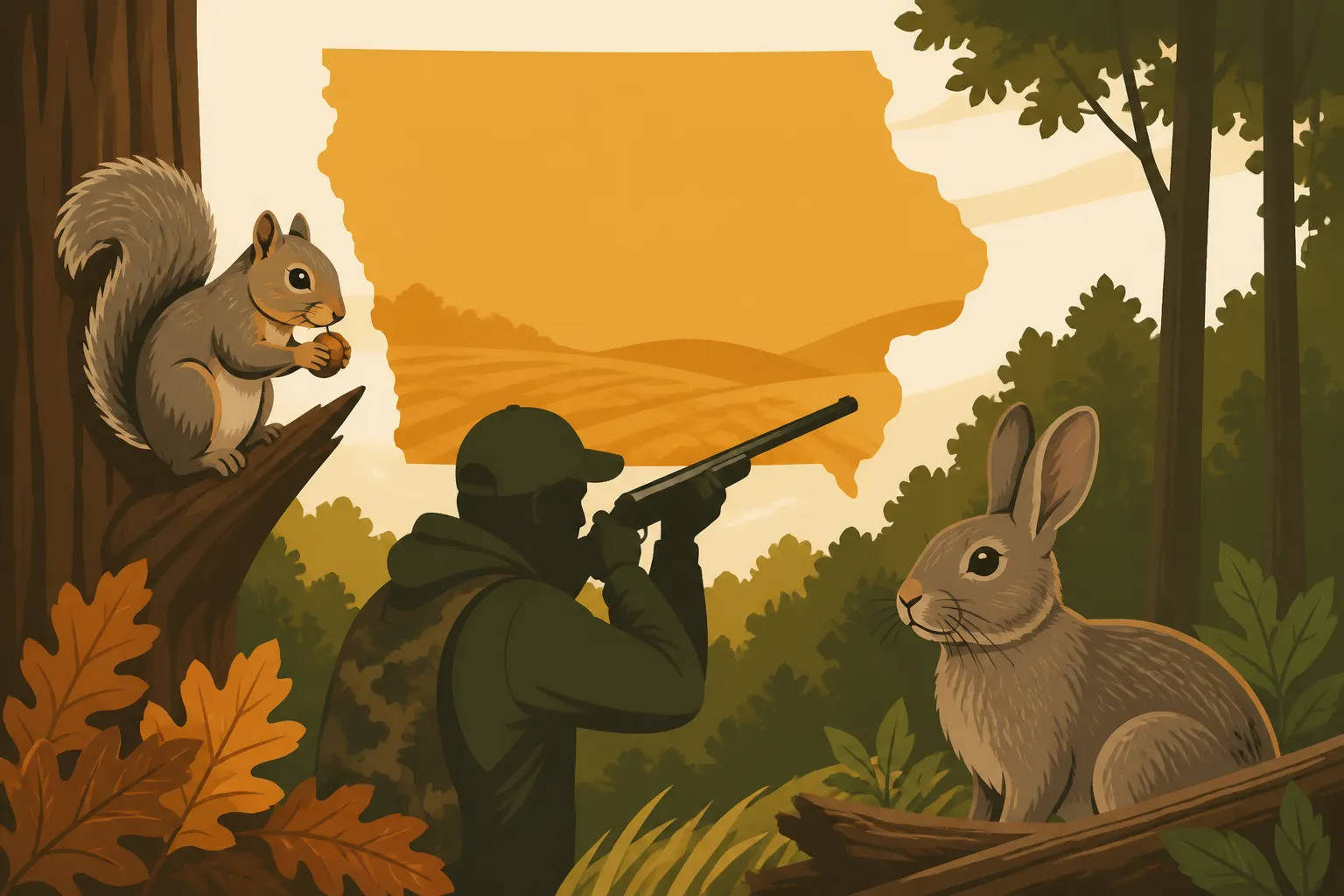
There's nothing quite like the crisp air of an Iowa autumn or winter morning, the crunch of leaves underfoot, and the promise of a small game hunt. But for many of us, especially those new to hunting or transitioning from deer, figuring out the best ways to find and ethically harvest squirrels and rabbits in Iowa's diverse timber and brush can feel a bit daunting. This guide is here to unravel the mysteries of chasing these often-overlooked, yet incredibly rewarding, game animals, making your next outing successful and enjoyable.
Understanding Iowa's Small Game Seasons and Regulations
Before you even think about heading afield, you need to understand the rules of the game. Iowa's hunting regulations are designed to ensure healthy populations and fair chase, and they’re essential knowledge for any responsible hunter. Getting caught off guard by a season closure or an incorrect bag limit is a frustration no one needs.
Key Dates and Legal Shooting Hours
Iowa generally offers generous seasons for both squirrels and rabbits, which is fantastic because it means you can often combine these hunts or simply enjoy a long season of chasing them. Squirrel season, encompassing both fox squirrels and gray squirrels, typically opens in early September and runs all the way through January. This gives you plenty of time, from the early fall, when leaves are still thick and squirrels are busy caching nuts, right into the colder months when the timber is open and they're more visible. Rabbit season, focusing on cottontail rabbits, usually kicks off a bit later, in early September, and extends through February. This overlap is great, allowing for mixed-bag opportunities in many timbered areas.
Legal shooting hours for small game in Iowa typically begin a half-hour before sunrise and end a half-hour after sunset. This generous window means you can hit the woods early, catching those initial movements as animals start their day, or hunt until dusk, taking advantage of their evening activity. Always double-check the current Iowa DNR hunting regulations booklet, which is updated annually, for the most precise dates and times. It’s your go-to source for any last-minute changes, and honestly, a physical copy in your truck or on your phone, perhaps via an app like the GoHunt mapping tool, is a must-have.
Licensing Requirements and Bag Limits
To hunt small game in Iowa, you’ll need a valid Iowa hunting license and a habitat fee, just like for most other game species. If you’re not an Iowa resident, don't sweat it; nonresident small game licenses are readily available. Youth hunters have specific provisions, often including discounted licenses and mentored hunting opportunities, which is a fantastic way to introduce the next generation to the outdoors. Make sure to check the specific age requirements and any hunter education certifications needed. Many states, including Iowa, require hunters born after a certain date to have completed a hunter education course. For new hunters, understanding the Iowa Hunter Education and Licensing Basics is a critical first step.
The daily bag limits for squirrels and rabbits are quite generous, reflecting their healthy populations across the state. For squirrels, the typical daily bag limit is six, with a possession limit of twelve. For rabbits, it's usually ten daily, with a possession limit of twenty. These limits mean you can have a very productive day in the woods and still stay well within the legal harvest numbers. It’s always a good practice to manage your harvest responsibly, taking only what you need and will use. Remember, these limits are in place to ensure sustainable populations for future hunts, so always count your harvest carefully.
Public vs. Private Land Rules for Small Game
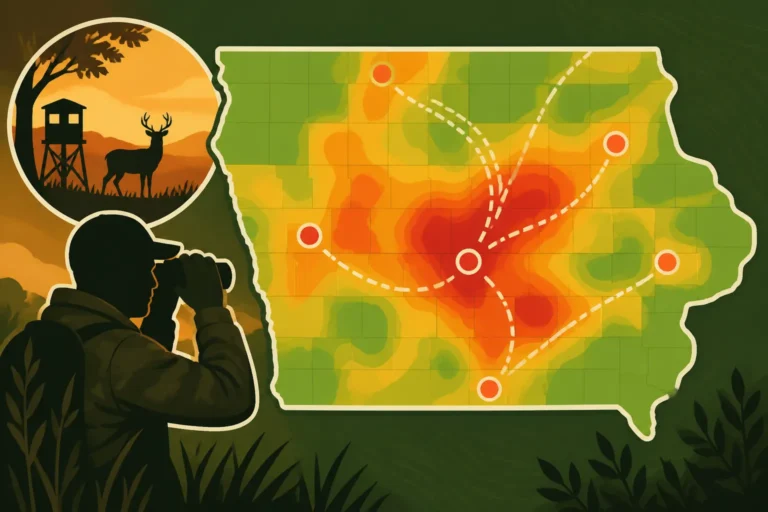
Iowa boasts a surprising amount of public hunting land, especially when you factor in state forests, wildlife management areas (WMAs), and county conservation board lands. These areas are fantastic resources for small game hunters, offering accessible timber and brush habitat. However, it's crucial to understand the specific rules that might apply to different types of public land. For instance, some areas might have restrictions on certain types of firearms or special access rules. You can find detailed maps and regulations for these areas through the Iowa DNR's online hunting atlas, or by using a mapping app like GoHunt, which overlays public land boundaries directly onto aerial imagery, helping you understand Public Hunting Land in Iowa.
When it comes to private land, written permission from the landowner is absolutely essential. We often take for granted that asking a farmer who lives out in the country to hunt some squirrels in their timber might be easy, but land access is a privilege, not a right. Always ask respectfully, preferably in person, and always have written permission if you get the green light. Establishing a good relationship with landowners can open up incredible opportunities for small game hunting, often providing access to less-pressured areas. Never assume unspoken permission, as trespassing laws in Iowa are strictly enforced. Understanding landowner relations is key to sustainable hunting, whether it's for deer or small game.
Essential Gear for Bushy-Tail and Cottontail Chasing
Hunting small game might not require the same extensive gear list as a week-long elk hunt, but having the right equipment makes a world of difference. Being prepared means you can focus on the hunt, not on cold feet, a tangled map, or an inaccurate shot.
Firearms and Ammunition Choices
When it comes to pursuing squirrels and rabbits, you have a few excellent options for firearms, each with its own advantages.
- Rimfire Rifles: The classic .22LR rifle is arguably the quintessential squirrel gun. Its low recoil, quiet report, and inexpensive ammunition make it perfect for precise shots on small targets without causing too much disturbance. A .22LR is also incredibly versatile for rabbits. Other rimfire calibers like the .17 HMR or .22 Magnum offer increased range and flatter trajectories, which can be useful in more open timber or for longer shots, but they can be a bit more destructive to meat, so shot placement is even more critical.
- Shotguns: A shotgun, typically a .410, 20-gauge, or 12-gauge, loaded with small shot sizes (like 6 or 7.5), is an excellent choice, especially for rabbits flushed from heavy cover, or for squirrels moving quickly through branches. Shotguns offer a wider pattern, increasing your chances of hitting a fast-moving target. The downside is that they can be more destructive to the meat, especially at close range, so try to take head or neck shots if possible.
- Air Rifles: High-powered air rifles, particularly those in .22 or .25 caliber, have become increasingly popular for small game. They are exceptionally quiet, often more so than a .22LR, and when properly matched with pellets, they can be incredibly accurate and lethal on squirrels and rabbits out to considerable ranges. Their quiet nature makes them fantastic for areas where noise might be a concern, or for not disturbing other game nearby.
Regardless of your choice, spend time at the range to get proficient with your chosen firearm. Knowing your ethical range and being able to consistently place accurate shots is paramount for clean kills and minimal meat damage.
Here's a quick comparison of popular small game firearms:
| Firearm Type | Caliber/Gauge | Pros | Cons | Ideal Use Case |
|---|---|---|---|---|
| Rimfire Rifle | .22LR | Quiet, accurate, inexpensive ammo, low meat damage | Limited range, requires precise shot placement | Still hunting squirrels, careful rabbit shots |
| .17 HMR / .22 Mag | Flatter trajectory, increased range | More expensive ammo, can cause more meat damage | Longer range squirrel shots, open timber | |
| Shotgun | .410, 20ga, 12ga | Good for moving targets, wider pattern, versatile | Louder, can damage meat, less precise | Flushing rabbits, fast-moving squirrels, brush hunting |
| Air Rifle | .22, .25 | Very quiet, accurate, ethical range up to 50+ yards | Higher initial cost, can be single-shot, not for all | Urban fringe, noise-sensitive areas, deliberate shots |
Clothing, Footwear, and Essential Accessories
Layering is your best friend when hunting in Iowa, especially during the long small game season that spans changing weather. Early season hunts can be warm, requiring light, breathable clothing, while late season often demands serious insulation. Think about durable, quiet fabrics that won't snag easily on brush or rustle loudly. For safety, especially during shotgun seasons for deer, wearing some blaze orange is not just a good idea, it's often legally required. Check the current regulations for Iowa Blaze Orange Requirements.
Your feet will thank you for comfortable, waterproof boots with good ankle support. You’ll be doing a lot of walking, often over uneven terrain, through mud, snow, or wet leaves. Nothing sours a hunt faster than cold, wet feet. Consider boots like those from LaCrosse or Muck for ultimate waterproof performance in soggy Iowa creek bottoms and thawing snow.
Don't forget the small stuff:
- Game Pouch/Vest: A good game vest or backpack with a dedicated game pouch makes carrying your harvest much easier and keeps it clean.
- Water: Staying hydrated is crucial, even in cold weather.
- Snacks: Small game hunting can be quite active, so pack some energy bars.
- Knife: A sharp knife for field dressing is essential.
- First-Aid Kit: Basic first aid for minor cuts and scrapes is always a smart addition.
- Gloves: Protect your hands from briars and cold.
- Compass/GPS/Phone with Mapping App: Essential for navigation, especially in unfamiliar timber.
Optics and Navigation Tools
While you won't need a high-power rifle scope for most small game situations, a good set of binoculars can be invaluable for spotting squirrels high in oak trees or discerning a rabbit hiding motionless in thick cover. A compact 8×32 or 10×42 binocular is usually perfect for this. They allow you to survey the canopy without constantly moving, which can spook wary game.
For navigation, a GPS unit or a smartphone with a reliable hunting app like GoHunt or onX Hunt is an absolute game-changer. These tools allow you to pinpoint your location, track your path, mark spots where you've seen game, and clearly identify property lines, especially important on Iowa public land. Before heading out, download offline maps, as cell service can be spotty in many timbered areas across Iowa. Knowing exactly where you are and how to get back is not just convenient, it’s a critical safety measure. This kind of technology also comes in handy if you're trying to figure out if you're on a Walk-In Only Access on IHAP Ground property or a standard WMA.
Tactics for Locating and Hunting Squirrels in Iowa Timber
Hunting squirrels is a fantastic way to hone your woodsmanship skills. It teaches patience, observation, and quiet movement—all transferable to bigger game like deer. Iowa's oak, hickory, and walnut timber are squirrel havens, especially during the fall when they are actively foraging.
Reading the Timber for Squirrel Sign
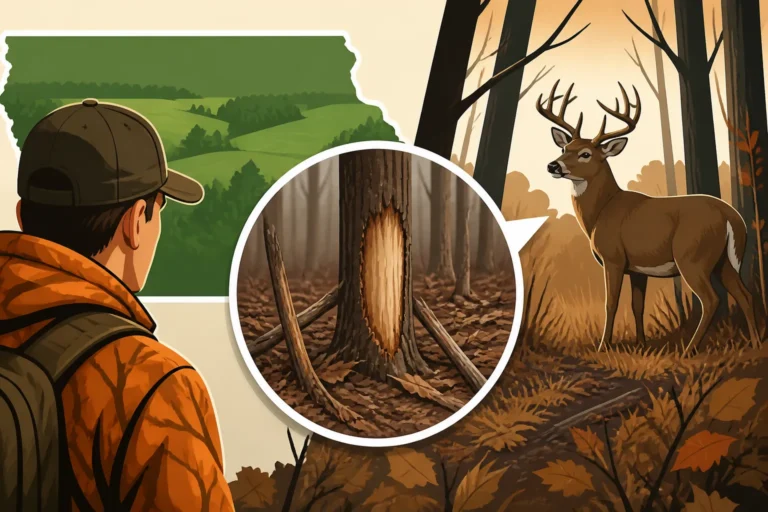
Before you even see a squirrel, you should be able to read the timber for their signs. Look for areas with a high concentration of nut-bearing trees like oaks, hickories, and walnuts. In late summer and early fall, you’ll find clipped nut cuttings on the ground beneath these trees—a sure sign that squirrels are actively feeding. Pay attention to the size and freshness of the cuttings; a pile of fresh chips indicates recent activity. You might also spot "leaf nests" high in the branches, which squirrels use for shelter.
Squirrels are creatures of habit. They’ll often use the same travel routes between feeding areas, den trees (often old hollow trees), and water sources. Look for rubbed bark on trees from their claws, especially around den entrances. Understanding where squirrels are feeding and bedding will dictate your approach. If you're interested in really understanding Iowa's timber, take a look at resources on Scouting Iowa Timber and River Bottoms. Identifying active feeding areas is key, whether you're hunting squirrels or scouting for deer.
Still Hunting and Stalking Approaches
Still hunting is arguably the most effective method for squirrels. It involves moving slowly and deliberately through the timber, stopping frequently to scan the trees and listen. The key is to be incredibly patient. After moving a short distance, stop for 5-10 minutes, allowing the woods to settle. Squirrels that may have spooked will often resume their activity, or you might spot one that was previously hidden. Use your binoculars to thoroughly check every branch, crotch, and tree trunk.
When you spot a squirrel, especially one on the ground, use available cover to stalk closer for an ethical shot. If a squirrel sees you and runs up a tree, try the "hide-and-seek" method. Quietly move to the opposite side of the tree from where you last saw it. They often try to keep the tree between you and them. A quick peek around the trunk might reveal them. Patience is really rewarded here; a squirrel that bolts often won't run far and will eventually reappear. For more localized advice, check out Squirrel Hunting Iowa Oak Timber to really dig into specific tree types.
Using Calls and Decoys for Squirrels
While not as common as for turkeys or deer, calls can be effective for squirrels. A simple "bark" call can often get a squirrel to respond, revealing its location. There are commercial squirrel calls available that mimic their barks and chirps, or you can even learn to make similar sounds with your mouth. Sometimes, a series of agitated barks can convince a curious squirrel to pop its head out for a look.
Decoys are less frequently used for squirrel hunting, but in specific scenarios, they can work. A realistic squirrel decoy placed strategically on a branch or at the base of a tree might attract a curious squirrel, or at least draw its attention, giving you a shot. This works best in areas where squirrels are already active and feel relatively safe. It's a niche tactic, but one worth considering if you're trying to get a wily old bushy-tail into range.
Strategies for Finding and Hunting Rabbits in Iowa Timber
Rabbits, particularly cottontails, are found in slightly different habitat than squirrels, though there's often overlap where timber meets brushy edges. They thrive in areas with dense cover, giving them protection from predators and the elements.
Identifying Prime Rabbit Habitat
Cottontail rabbits prefer edge habitat: where timber meets a field, where brushy draws cut through open ground, or where thickets and old fencerows provide refuge. Look for areas that offer a mix of food and cover. This includes overgrown fields, CRP (Conservation Reserve Program) ground, multiflora rose thickets, plum thickets, brush piles, and creek bottoms choked with briars and saplings. These are the places where rabbits feel safe, can forage for tender shoots, and escape predators.
During colder weather, rabbits often concentrate in the densest cover they can find – thick evergreens, deep brush piles, and even underground burrows. In southern Iowa, areas with a good mix of timber and dense brush provide ideal habitat. Think about Cedar and Locust Thickets as Bedding Cover or even CRP Grass and Where Bucks Bed as these areas often hold good numbers of rabbits too, especially along their edges. Understanding these habitat preferences is the first step to a successful rabbit hunt.
Brush Piles, Thickets, and Covert Hunting
Hunting rabbits often involves working these dense cover areas directly. This can be done effectively by walking slowly through or around brush piles and thickets, kicking at the base of heavy cover, or even using a stick to rustle through the vegetation. The goal is to flush the rabbit out into a more open area where you can get a shot. Rabbits often bolt at the last second, so be ready to mount your gun quickly and shoot.
When approaching a brush pile, circle it first to see if you can spot a rabbit sitting on the outside edge, hoping to go unnoticed. If you don't see anything, start working it methodically, moving from one side to the other. Pay close attention to any "runs" or tunnels rabbits might have created through the dense vegetation. These are often indicators of high activity. For a deeper dive into this specific tactic, check out Rabbit Hunting Brush Piles.
Driving and Flushing Techniques
For larger areas of dense cover, especially during the shotgun seasons when you're already geared up for bigger game, driving techniques can be highly effective for rabbits. This works best with two or more hunters. One or more "drivers" walk through the thick cover, pushing rabbits towards "blockers" positioned at the other end, ready for a shot. Communication is key during these drives for safety and success.
When driving, the goal is to make enough noise and commotion to get the rabbits moving, but not so fast that they break back through the line of drivers. Walk slowly and systematically, ensuring you cover the entire area. Blockers should be positioned in spots where rabbits are likely to run out – often along field edges, old roads, or trails that provide easier escape routes. These drives can be very exciting and productive, offering fast-paced action and a good social hunting experience. Just ensure everyone involved understands the Party Hunting Rules and Safe Drives for safety and legality.
Field Care and Processing Your Iowa Small Game Harvest
The hunt doesn't end when the shot rings out. Proper field care is critical to ensuring your hard-earned harvest makes it to the table in top condition. Neglecting this step can quickly ruin good meat, and nobody wants that.
Immediate Field Dressing Best Practices
Once you've retrieved your squirrel or rabbit, immediate field dressing is usually the best practice, especially if the weather is warm. This involves removing the internal organs to allow the carcass to cool down quickly. For squirrels, a common method is to make a cut across the back, then stand on the tail and pull up on the hind legs to start skinning, removing the entrails through the abdominal cavity. For rabbits, a similar method can be used, often starting with a cut around the waist and pulling the hide off like a pair of overalls.
Removing the entrails prevents bacterial growth and gamey flavors. If you're squeamish about doing it in the field, practice at home first. You’ll be surprised how quickly you become proficient. Carry disposable gloves to keep things clean, and a sharp, small knife is invaluable for precise work. If you're new to this, there are plenty of excellent video tutorials available online that can walk you through the process step-by-step.
Transporting and Cooling Your Game
After field dressing, the next priority is cooling. If you're hunting on a cool day, simply placing your game in a game bag (mesh bags work great to allow airflow) and carrying it in your game pouch or pack is usually sufficient. However, if it’s a warm early-season hunt, you'll want to get that meat on ice as soon as possible. A small cooler with some ice in your vehicle is a smart idea. Place your field-dressed game directly on the ice, or in zip-top bags on the ice, to prevent spoilage.
Avoid piling warm game together in a plastic bag, as this traps heat and can quickly degrade the meat. Air circulation is key. If you're combining your small game hunt with a longer day for deer, make sure your squirrel and rabbit carcasses are stored separately and kept cool. Thinking ahead about Getting a Deer Cooled in October can also apply to these smaller critters in warmer weather. The goal is to get the internal temperature down rapidly.
Skinning and Butchering at Home
Once you’re back home, it's time for the final processing. Skinning small game is relatively straightforward. For squirrels, many hunters use the method mentioned earlier where you make an incision across the back, step on the tail, and pull the hide off. For rabbits, once the initial cut is made, the hide often peels off quite easily. Be careful not to cut into the meat unnecessarily.
After skinning, you’ll typically remove the head and feet. Then, you can either keep the carcass whole or section it into smaller pieces. For squirrels, the front and back legs are often separated from the body. Rabbits are usually sectioned into front legs, back legs, and a loin section. Rinse the meat thoroughly to remove any hair or debris, then pat it dry. At this point, the meat is ready for cooking, or for packaging and freezing. Vacuum sealing is the best option for long-term freezer storage, preventing freezer burn and maintaining quality. Remember that proper processing is what truly makes Which Iowa Game Meat Tastes Best a reality.
Disclaimer
Always consult the official Iowa Department of Natural Resources (DNR) hunting regulations booklet for the most current and accurate information regarding seasons, licensing, and rules before heading into the field. Regulations can change, and it is the hunter's responsibility to know and follow all applicable laws.