River Oxbows and Deer Movement
For many of us who chase whitetails in Iowa, those big river systems can feel like an overwhelming puzzle, especially when you start looking at all the twists and turns. It's easy to get lost in the sheer scale of it, but overlooking specific features like river oxbows means you're missing out on some of the best, most consistent deer habitat out there. This guide is all about peeling back the layers on these unique landscape features, helping you understand exactly why deer are drawn to them, how they use them, and crucially, how you can hunt them successfully without bumping every deer out of the county.
The Allure of the Oxbow – Why Deer Love These River Bends
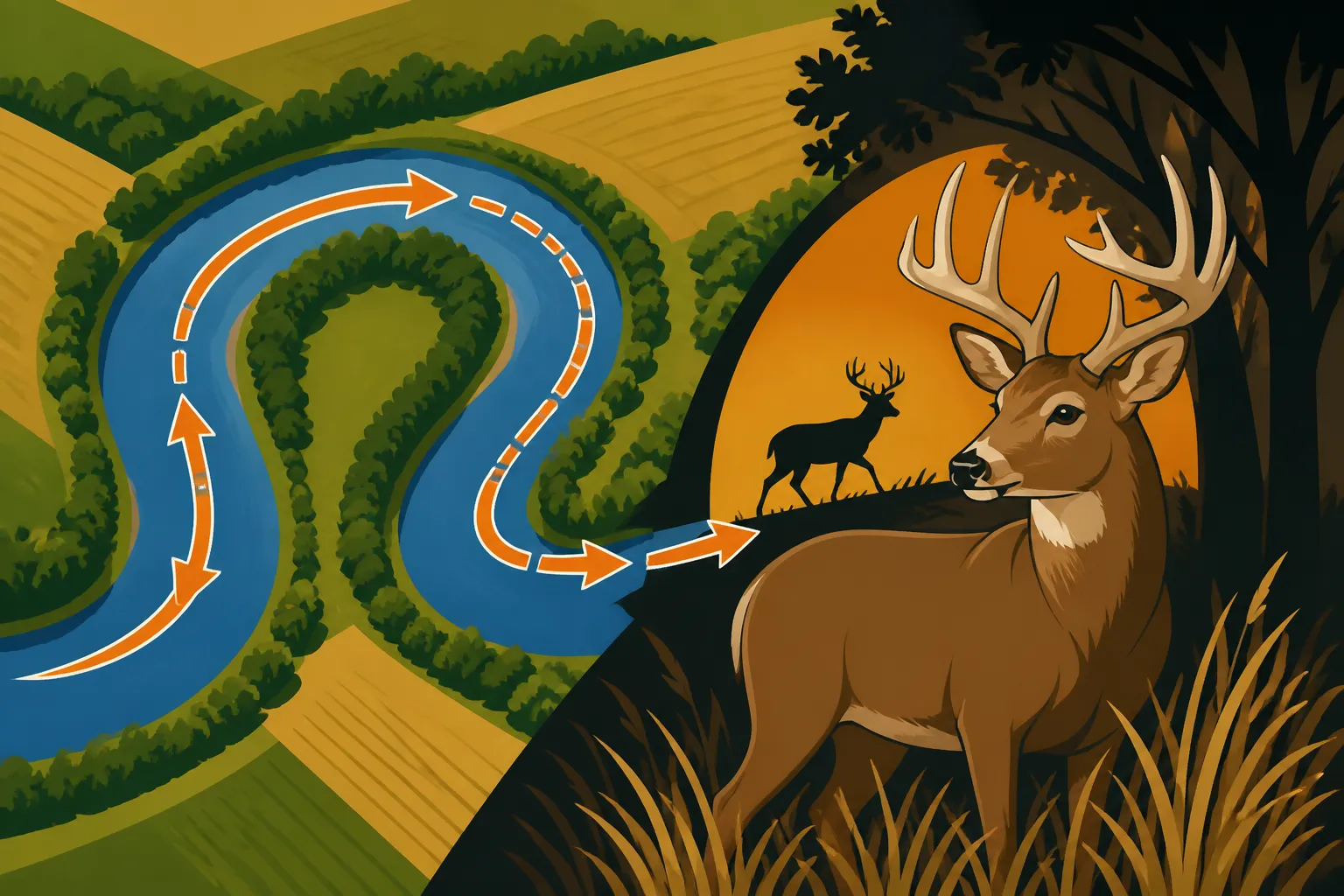
If you've ever stared at a satellite map of an Iowa river system and noticed those crescent-shaped pockets of water or timber that seem detached from the main channel, you've spotted an oxbow. These aren't just random puddles; they're dynamic, often ancient remnants of a river's meandering past, and they hold an incredible secret for deer hunters. Deer aren't looking for the easiest path; they're looking for security, and oxbows deliver it in spades.
Formation and Unique Habitat
River oxbows are formed over geological time as a river loops and bends. The current erodes the outside bank of a bend, while depositing sediment on the inside bank. Eventually, the neck of the loop becomes so narrow that the river cuts through it, leaving the old bend isolated from the main flow. What's left behind is often a U-shaped or crescent-shaped lake, pond, or wetland, surrounded by a distinct habitat that's different from the surrounding uplands or even the current river bottom.
This formation process creates a landscape typically dominated by a mix of mature timber, dense undergrowth, and wetland vegetation. Think thick stands of willows, cottonwoods, and silver maples, often interwoven with tangles of multiflora rose, dogwood, and other brushy cover. Even if the water in the oxbow itself dries up during parts of the year, the residual moist soil and dense cover provide incredible thermal and visual sanctuary for deer. This intricate patchwork of cover, water, and varied forage is precisely why deer find these areas so appealing, offering everything they need in a compact, often hard-to-reach package.
Sanctuary from Pressure
This, my friends, is the golden ticket when it comes to oxbows, especially on public land or heavily hunted private ground. Because oxbows are often difficult to access—surrounded by water, marshy ground, or impenetrable thickets—they naturally become deer sanctuaries. Hunters, for good reason, often gravitate towards easier-to-reach timber blocks or field edges. This leaves these dense, swampy havens relatively undisturbed.
Deer, being incredibly intelligent creatures, quickly learn where they are safe. When the orange army descends during shotgun season, or even after a few weekends of archery pressure, deer will filter into these oxbows like a magnet. They offer a place to escape the constant human intrusion, lie low, and feel secure. This makes them prime locations to target when general hunting pressure is high elsewhere, offering a different kind of hunting challenge but with a potentially massive reward. The frustration of feeling like all the deer have "left" after opening weekend often stems from not knowing where they've gone to hide, and more often than not, an oxbow is that precise refuge.
Deciphering Deer Movement Within Oxbow Landscapes
Understanding that deer love oxbows is one thing; knowing how they use them is another entirely. It's not just a random hangout spot. Deer utilize these unique features for specific purposes, creating predictable patterns if you know what to look for. Think of an oxbow as a multi-purpose deer apartment complex, offering different 'rooms' for different needs throughout the day and the season.
Bedding and Thermal Cover Havens
The dense, often tangled cover found in oxbows is absolutely ideal for bedding. Deer will seek out the thickest parts of these areas, often on slightly elevated ground within the oxbow itself, or along the 'rim' where the oxbow transitions to higher, drier land. Here, they can bed down, hidden from predators and harsh weather alike. The thick canopy of trees and dense underbrush provide excellent thermal cover, keeping deer warmer on frigid December days and cooler during early October heatwaves.
You'll often find clusters of beds, indicating doe family groups or bachelor groups of bucks using these hidden pockets. Pay particular attention to areas where the sun can still reach through the canopy on cold days – south-facing slopes or small openings within the thickets can be prime bedding spots for deer looking to soak up some warmth. This dense cover also provides security for young fawns, protecting them from coyotes and other predators, contributing to a healthy deer population.
Travel Corridors and Natural Funnels
While the interior of an oxbow is fantastic for bedding, the edges and any drier, higher ground within it often serve as vital travel corridors. Deer will naturally follow the path of least resistance. These old river bends, even if cut off, often maintain a distinct contour that deer will instinctively follow. They act as natural funnels, directing deer movement along specific paths as they travel between bedding areas, food sources, and other cover.
Look for areas where the oxbow narrows, or where there are distinct "land bridges" or higher strips of ground. These can become major thoroughfares, connecting the oxbow to larger timber blocks, agricultural fields, or even other river bottom features. Bucks, especially during the rut, will use these hidden travel lanes to cruise for does, feeling secure within the dense cover. Identifying these routes is key to understanding Reading an Iowa Timber Draw for Deer Sign and intercepting deer on the move.
Food and Water Accessibility
Beyond cover, oxbows are often incredibly rich in food and water. The typically fertile, moist soil supports a wide variety of vegetation, including browse species that deer love. Oak trees are common in many Iowa river bottoms, meaning acorns – a primary food source – are often abundant in and around oxbows. Other mast crops like persimmons or wild plums might also be found.
And of course, there's the water. Even if the oxbow isn't directly connected to the main river, many hold water for much of the year, providing a reliable drinking source. During dry periods, when other small ponds or ephemeral streams dry up, these persistent oxbow waters become even more critical, drawing deer from surrounding drier areas. This combination of prime cover, consistent food, and readily available water makes oxbows a true haven for whitetails throughout the entire hunting season.
Strategic Scouting for Oxbow Success
Hunting river oxbows successfully isn't about stumbling into them; it's about intentional, calculated scouting. These aren't always easy places to get into, but with the right approach, you can unlock their deer-holding potential. It's a blend of high-tech tools and good old-fashioned grit, and often a test of your patience and observation skills.
Aerial Reconnaissance and Topo Maps
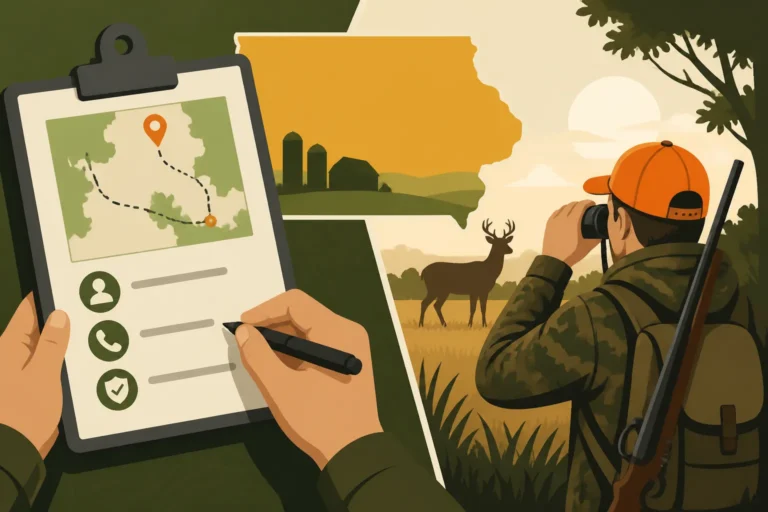
Your scouting journey for oxbows should always start from the comfort of your home, with aerial imagery and topographical maps. Online mapping tools like the Iowa DNR Hunter Atlas or powerful platforms such as GoHunt are invaluable here. Zoom in on river systems and look for those telltale crescent or U-shaped features. Pay attention to the subtle elevation changes that topo maps reveal; even a few feet of elevation can mean the difference between dry ground and a bog.
Identify potential entry and exit points into these oxbows from surrounding timber, fields, or even the main river channel. Look for natural pinch points where deer traffic might concentrate. Does the oxbow connect to a large block of timber? Is there a subtle ridge that leads into it? Are there areas of thicker cover that stand out even from above? This initial digital scouting allows you to narrow down vast areas and pinpoint specific spots that warrant a closer look. It's truly the foundation for E-Scouting Iowa Farm Country From Home.
Boots-on-the-Ground Verification
Once you have a few promising oxbows circled on your map, it's time to lace up your boots and get dirty. Nothing beats on-the-ground scouting for confirming what you see from above and discovering the subtle nuances deer hunters live for. When you're out there, look for definitive deer sign: heavy main trails, fresh rubs and scrapes (especially during the pre-rut and rut), and clusters of fresh beds in the thickest cover.
Pay close attention to where deer are entering and exiting the oxbow. Are they crossing a shallow section of water? Are they following a subtle ridge that connects to a cornfield? Where are the dominant bucks leaving their calling cards? This is where you connect the dots between the aerial view and the deer's actual movement. Don't be afraid to get into the nastiest, thickest parts of the oxbow; that's often exactly where the deer are hiding. This deep dive into a specific area is crucial, much like Scouting Iowa Timber and River Bottoms.
Understanding Wind and Access Challenges
Oxbows, due to their often low-lying and heavily timbered nature, can be a nightmare for wind. Swirling thermals and unpredictable gusts are common, making stand placement a true art. Before you even think about hanging a stand, spend time observing the wind patterns. Consider how air currents will funnel through the timber or be blocked by dense vegetation. Remember that early morning thermals often pull scent downhill into the low-lying areas, while evening thermals rise. Understanding Wind and Thermals in River Breaks is paramount here.
Access is another huge hurdle. Many oxbows are surrounded by private land or are simply too marshy to approach directly. You need to find a way in that won't spook deer or leave a scent trail that alerts them to your presence. Can you use a watercraft to access an island-like oxbow? Is there a sneaky route along a ditch or field edge that keeps you hidden until you're in position? The key is to have a stealthy, low-impact entry and exit plan. Never compromise on your access route, as it directly impacts how deer will react to your presence. Prioritizing Access Routes That Do Not Bump Deer is non-negotiable for success in these sensitive areas.
Here's a quick look at how different oxbow features influence deer and how you should react:
| Oxbow Feature | Primary Deer Usage | Key Hunting Strategy | Critical Scouting Priority |
|---|---|---|---|
| Dense Thickets | Bedding, Thermal/Visual Cover | Still hunting, Ground Blind | Fresh beds, hidden trails |
| Higher Ridges | Travel corridors, Lookout | Treestand (rim), Ambush points | Rubs, scrapes, worn main trails |
| Water Sources | Drinking, Escape Routes | Ambushes near crossings | Tracks, fresh droppings, crossing points |
| Connecting Funnels | Major travel routes | Stand near bottlenecks/constrictions | Heavy main trails, transition zones |
| Edge Transition | Feeding, Staging Area | Stand on field/timber edge | Fresh browse, acorn concentrations |
Hunting Tactics Tailored for River Oxbows
Once you've done your homework and found those promising oxbows, it's time to put a plan into action. Hunting these areas requires a specific mindset and often different tactics than what you might use in open timber or field edges. Remember, the goal is to leverage the unique advantages these areas offer without blowing out their sanctuary appeal.
Stand Placement for Entry/Exit and Bedding Areas
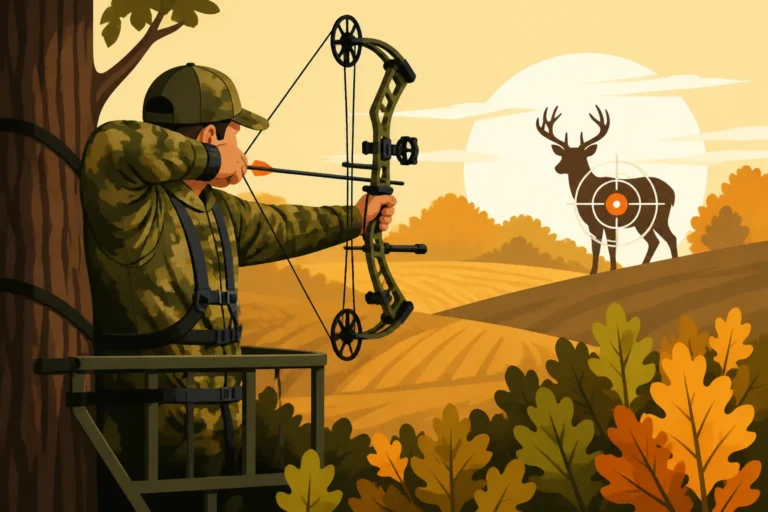
When it comes to stand placement in oxbows, you're primarily looking for two things: intercepting deer moving in or out, and catching them near their bedding. Positioning your stand on the "rim" of the oxbow, overlooking the dense cover, is often a high-percentage play. This allows you to spot deer as they transition from the thick bedding areas to food sources, or as they enter the oxbow seeking refuge. Look for pinch points created by water, dense brush, or changes in elevation.
In the early season, focus your efforts closer to the food sources surrounding the oxbow, as deer will be moving in daylight to feed. As the season progresses and pressure builds, shift your focus to the bedding areas themselves, trying to catch deer moving during midday or just after they get up from their beds. During the peak of the rut, bucks will be cruising relentlessly, and stands overlooking those travel corridors within the oxbow or connecting to it can be phenomenal. Think about the tips from Best Stand Locations in Rolling Timber and apply them to the unique contours of an oxbow.
Utilizing Mobile Tactics and Ground Blinds
The nature of oxbows—often swampy, thick, and with limited suitable trees for traditional stands—lends itself perfectly to mobile hunting tactics. A saddle hunter, for instance, can quickly and quietly slip into a dense area, set up on a marginal tree, and adapt to changing conditions. The ability to quickly move and reset based on fresh sign or shifting winds is a huge advantage in these dynamic environments.
Ground blinds are another excellent option, especially when natural cover is abundant. You can brush in a blind so effectively in the thickets of an oxbow that it practically disappears. This allows you to hunt those super-thick bedding areas without the need for a climbable tree, and it gives you the flexibility to hunt with challenging winds or to introduce kids to hunting in a comfortable setting. The key to both mobile stands and ground blinds is minimizing your footprint and staying incredibly quiet.
Timing Your Hunt and Pressure Considerations
Timing is everything when hunting oxbows. These spots shine brightest during periods of high hunting pressure. When the gun seasons open, or even during intense archery pressure, deer will flee to these natural fortresses. If you can slip in undetected during these times, you stand a great chance of encountering a mature buck seeking refuge. Similarly, oxbows can be excellent during the peak of Iowa Whitetail Hunting Tactics Through the Rut, as bucks are cruising for does, using the dense cover for concealment.
However, oxbows are also very sensitive to pressure. A single, ill-fated hunt with poor wind or noisy entry can blow out an oxbow for weeks, if not the rest of the season. Deer that have sought sanctuary there will quickly relocate if they feel threatened. Therefore, it's crucial to minimize your visits, only hunting when conditions are perfect, and having a meticulous entry and exit strategy. Treat these areas like delicate ecosystems, knowing that your actions have a direct impact on the deer's willingness to use them as sanctuaries. Be mindful of Hunting Pressure Patterns on Iowa Public Land and plan accordingly.
Disclaimer
Hunting is an activity with inherent risks. Always prioritize safety, understand and follow all Iowa hunting regulations, and ensure you have the necessary licenses and permits. This guide provides general information and should not replace professional instruction or official DNR guidelines. Conditions in the field can change rapidly, and hunters should always exercise good judgment.