Using a Tracking Dog Legally in Iowa
There's nothing quite like the crushing feeling in the pit of your stomach when you know you've made a shot on a beautiful Iowa whitetail, but the blood trail just… vanishes. Maybe it's a marginal hit, maybe heavy rain washed away every sign, or maybe the deer just ran into the densest CRP cover imaginable. The despair of a lost animal is real, and it’s a situation many hunters face. This comprehensive guide will walk you through how to legally and ethically use a tracking dog in Iowa to help recover a deer, turning that despair into a chance for recovery.
The Gut-Wrenching Reality of a Lost Deer and Why Dogs Help
Every hunter strives for a clean, ethical kill. We practice our shots, study anatomy, and wait for the perfect broadside opportunity. But the woods are unpredictable, and sometimes, despite our best efforts, things don't go as planned. A branch deflects an arrow, a deer suddenly lurches, or the shot just doesn't land exactly where you intended. The result? A wounded animal, a sparse blood trail, and a hunter left with a heavy heart, desperately searching for any sign.
The Emotional Toll of a Poor Shot or Faded Blood Trail
It's a scene etched into the memory of too many hunters: hours spent on hands and knees, eyes strained, scanning every leaf, twig, and blade of grass for a speck of red. You replay the shot endlessly in your mind, agonizing over what could have been different. The darkness starts to creep in, or a sudden downpour washes away the last visible signs, and you’re left with nothing but doubt and a growing sense of defeat. This isn't just about losing a deer; it's about the deep responsibility we feel towards the animals we pursue. Leaving a wounded animal in the woods is, for most of us, the worst possible outcome. It weighs heavily on your conscience, making the experience of hunting, which should be fulfilling, feel like a failure. This deep frustration is precisely where a specialized tracking dog can step in and offer a glimmer of hope.
How a Dog's Nose is a Game Changer
While our human eyes might struggle to pick up a few drops of diluted blood or a faint track on hard ground, a dog's nose operates on an entirely different level. Their olfactory sense is orders of magnitude more powerful than ours, allowing them to detect microscopic scent particles that we can’t even imagine. A trained tracking dog isn't just following blood; they're often following the unique scent of a wounded animal, a combination of blood, interdigital gland scent, disturbed earth, and even the unique metabolic odor of an animal under stress.
Think about trying to find a needle in a haystack blindfolded – that's often what we're asking our eyes to do on a blood trail. A dog, however, is using its most powerful sense, systematically working through cover that would be impossible for a human. They can differentiate between the trail of your deer and other deer in the area, navigate dense multiflora rose thickets or tall CRP grass, and even follow a trail that’s hours, or even a day, old. Their ability to work through obstacles like creek bottoms or over rocky terrain where blood might be nonexistent is truly astounding. They don’t get frustrated by a lack of visible sign; they simply follow the scent.
Iowa's Regulations for Deer Tracking Dogs
Before you even think about calling in a canine cavalry, it’s absolutely vital to understand Iowa’s specific rules regarding the use of tracking dogs. The Iowa Department of Natural Resources (DNR) has clear guidelines in place, and knowing them will keep you legal and ethical.
Understanding the "Leashed" Requirement and Other Key Rules
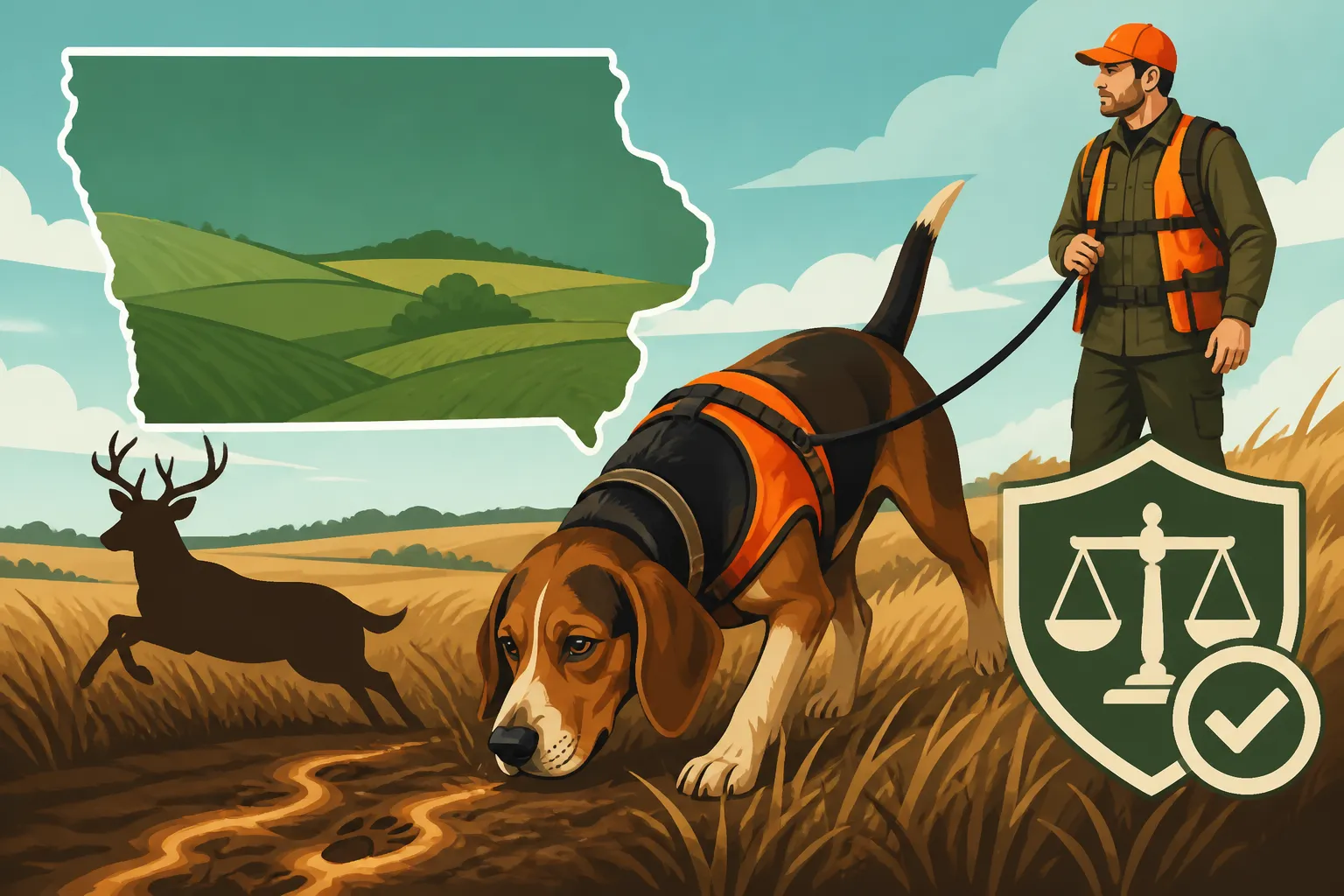
This is the most critical piece of information: in Iowa, any dog used to track a wounded deer or turkey MUST be on a leash. There’s no ambiguity here. You cannot let your dog, no matter how well-trained, run free to track. The entire purpose of the dog is to lead you to the animal, not to pursue or take it on its own. The handler must maintain physical control of the dog at all times. This rule is in place to ensure fair chase and prevent any dog from harassing or injuring a wounded animal.
Furthermore, the person handling the dog must be properly licensed for the species they are tracking. So, if you're tracking a wounded deer, you need to possess a valid Iowa deer hunting license and an unfilled tag for the deer you are attempting to recover. This ensures accountability and adherence to established hunting regulations. While Iowa doesn't require a special permit for the dog itself, the handler's licensing is paramount. For example, you can't have a friend who isn't licensed in Iowa come track your deer with their dog, even if they aren't carrying a weapon. The person in control of the dog, engaged in the act of tracking a wounded game animal, must meet the state's hunter licensing requirements. This also aligns with principles discussed in sections like Iowa Hunter Education Requirements.
When and Where You Can Deploy a Tracking Dog
The "when and where" aspects of tracking with a dog can be a bit nuanced, but adhering to the spirit of the law and common sense is key. Generally, tracking a wounded deer is permitted within legal shooting hours and beyond, especially if the animal is presumed dead. However, if you're tracking a deer that might still be alive and require a finishing shot, that shot must occur during legal shooting hours. Many professional tracking services operate outside of typical hunting hours because their primary goal is recovery of a deceased animal, not taking a live one.
The most important "where" factor is landowner permission. If the deer crosses a property line, you absolutely, unequivocally need to obtain permission from the landowner or tenant before stepping foot on their property, with or without a dog. This is not just a courtesy; it's the law. Trespassing, even to recover a wounded animal, is illegal and can lead to severe penalties, damaging the reputation of all hunters. This concept of respecting boundaries is also key to Retrieving Game From Private Land in Iowa. Many tracking services, like those you might find through a GoHunt search or social media groups, are very experienced in respectfully approaching landowners to gain this crucial permission. They often carry liability insurance and understand how to navigate these sensitive situations. If you're utilizing public land, be aware that while dogs are generally allowed for tracking, specific rules about vehicle access or sensitive areas might apply, just as they would for Leaving No Trace on Iowa Walk-In Ground. Always consult the specific WMA or state forest regulations if tracking on public ground.
| Feature | Human Tracking | Dog Tracking (Leashed) |
|---|---|---|
| Primary Sense | Sight (blood, tracks, disturbed vegetation) | Smell (blood, interdigital gland scent, wounded animal odor) |
| Effectiveness | Highly dependent on visible sign and conditions | Effective even with minimal/no visible sign, varying conditions |
| Speed | Slow, methodical, easily lost | Faster, more consistent, less prone to losing trail |
| Conditions | Challenged by rain, darkness, dense cover, old trails | Less impacted by adverse weather, excels in thick cover, can follow older trails |
| Frustration | High, especially with long, sparse trails | Lower, dog driven by instinct to follow scent |
| Legality | Always legal with permission | Legal in Iowa only if dog is on a leash and handler is licensed |
| Cost | Free (your time and effort) | May involve a fee for professional services |
Finding and Working with a Professional Tracking Dog Service
While the thought of training your own deer tracking dog might be appealing, the reality is that it takes a significant amount of dedication, time, and specialized knowledge. For most hunters, the best approach is to utilize the services of a trained professional and their specialized canine partner.
Why Hire a Trained Professional and What to Look For
A truly effective deer tracking dog isn't just a pet with a good nose; it's an athlete with years of specialized training. These dogs, often breeds like Bavarian Mountain Hounds, Bloodhounds, or other scent hounds, are specifically conditioned to focus on the faint scent of a wounded animal, ignoring distractions like other deer, predators, or human scent. Their handlers are equally trained, learning to "read" their dog's behavior, understand subtle cues, and interpret what the dog is communicating through its actions on the leash.
When looking for a service, don't hesitate to ask questions. A reputable tracker will be happy to discuss their experience, the training their dogs have received, and their general success rate. They should be clear about their fees, travel radius, and what information they need from you. Look for trackers who:
- Are insured: This is crucial, especially when operating on private land.
- Prioritize ethics: They should emphasize quick, humane recovery and respect for landowners.
- Communicate clearly: You'll be anxious, and a good tracker will keep you informed.
- Have references: Ask for testimonials or contact information from previous clients. Many are active on platforms where they share success stories.
- Are familiar with local conditions: Someone who regularly tracks in Iowa's diverse terrain, from river bottoms to standing corn fields, will be invaluable.
A great resource for finding professional tracking dog services in Iowa is often through online hunting forums, social media groups dedicated to Iowa hunting, or even contacting local DNR conservation officers who might be aware of reputable trackers in their area. Some services might even be listed on platforms like GoHunt that help connect hunters with resources. Remember, this isn't a casual endeavor; it's a serious commitment to recovery.
Preparing for the Tracker's Arrival and Maximizing Success
Once you've made the difficult decision to call a tracking dog, your actions before the tracker arrives can significantly impact their success. The most important thing you can do is to minimize further disturbance to the area.
Here's a checklist for what to do:
- Mark the Last Known Blood/Impact Site: Use bright flagging tape or even a piece of toilet paper to clearly mark the exact spot where you last saw blood or where you believe the deer was hit. This provides the dog with a strong starting point, often referred to as the "point of impact" (POI).
- Note Key Information: Jot down everything you remember: the exact time of the shot, shot placement (even if you think it was poor), the direction the deer ran, and the last place you saw it. Was it running hard or stumbling? Did you hear a crash? What weapon were you using? All these details, even if seemingly small, can help the tracker. For instance, knowing if it was a quartering-away shot on a whitetail at twenty yards can give a tracker a better idea of what organs might have been hit.
- Do NOT Contaminate the Trail: Resist the urge to keep "looking around." Every step you take, every person you bring in to help search, adds new human scent to the area, which can make the dog's job much harder. Stay out of the suspected trail area once you've marked your POI.
- Stay Calm and Trust the Process: It’s easier said than done when emotions are running high, but try to remain calm. Let the tracker and their dog work. They have a system. Listen to their instructions and follow them. This process is very different from Blood Trailing in CRP and Multiflora Rose with just human eyes.
By following these steps, you provide the best possible conditions for the tracking dog to do its amazing work, maximizing the chances of recovering your deer.
Ethical Considerations and Best Practices
Using a tracking dog is a powerful tool, and with great power comes great responsibility. Ethical behavior and adherence to best practices are not just good manners; they are essential for preserving the future of hunting and the privilege of using these services.
Respecting Property and Fellow Hunters
The absolute bedrock of ethical tracking, especially in a state like Iowa with a checkerboard of private land, is landowner permission. This cannot be stressed enough. If your deer crosses a property line, your first action, even before calling a tracker, should be to attempt to contact the landowner for permission to enter their property. Be polite, explain the situation clearly, and respect their decision, whatever it may be. A good tracking service will always insist on this before proceeding. Many hunters are wary of unknown individuals on their property, and a polite request for a wounded animal often garners more sympathy than a demand. This proactive approach helps uphold the positive image of hunters in the community, reinforcing good relations that allow access for things like Party Hunting Rules and Safe Drives or even future private land access.
Furthermore, if you're tracking near other hunting properties or public land, be mindful of other hunters. A tracking dog can be an unfamiliar sight, and you want to avoid disturbing someone else's hunt. Communication, even a quick heads-up, can go a long way in fostering good relationships within the hunting community.
Responsible Tracking and When to Call It Quits
Knowing when to call a tracking dog is a crucial part of responsible hunting. If you have a questionable shot, especially on a large Iowa whitetail, waiting a few hours (or even overnight, depending on weather and shot placement) before tracking can be the most ethical choice. This gives the animal time to bed down and expire, rather than being pushed further by human pursuit. A good tracker will ask you these questions to determine the best course of action. They might advise waiting before bringing the dog in.
There also comes a point where, despite the best efforts of an amazing dog and handler, a deer simply cannot be found. This is a difficult reality to accept, but it happens. A professional tracker will be honest with you about the decreasing odds as time goes on or if the trail genuinely goes cold. It’s important to understand when to call it quits, even though it's heartbreaking. Prolonged searching can cause unnecessary disturbance to other wildlife and doesn't always lead to a positive outcome. The goal is humane recovery, and sometimes, that means acknowledging an animal is truly lost, despite our best efforts. This decision, though tough, is part of being an ethical hunter, respecting the game, and doing your best to minimize suffering. This also directly ties into your responsibilities for Iowa Deer Harvest Reporting Rules if you do successfully recover the animal.
Disclaimer
Please be aware that hunting regulations, including those pertaining to the use of tracking dogs, can change. While this article provides information based on current knowledge and common practices, it is your responsibility to consult the most up-to-date Iowa Department of Natural Resources (DNR) hunting regulations annually before engaging in any hunting activities. This content is for informational purposes only and should not be considered legal advice.