January Antlerless Season Tactics
The snow is deep, the wind bites, and the regular deer seasons have come and gone. Many hunters feel that mix of cabin fever and disappointment after the main rut and gun seasons pass, believing their chances are over. But for those dedicated to filling the freezer and participating in critical herd management, Iowa’s January antlerless season offers a unique, challenging, and often highly rewarding opportunity. This guide will walk you through the specific tactics and considerations needed to succeed during this frigid, late-season hunt.
The Unique Challenge of Iowa's January Antlerless Season
Hunting in January in Iowa isn't for the faint of heart, but it offers a distinct advantage for those willing to brave the elements: deer patterns are highly predictable. Unlike the chaotic frenzy of the rut or the widespread pressure of shotgun season, January deer are focused almost entirely on survival, and their movements revolve around immediate necessities. This makes understanding the season's specific rules and its ecological purpose crucial for any hunter.
Navigating the Regulations and Season Timing
First things first, you need to know the rules. The Iowa January antlerless season is specifically designed to reduce doe populations in areas where the Iowa Department of Natural Resources (DNR) identifies a need for additional harvest. This means tags are often limited to certain counties or zones, and sometimes they sell out quickly. You really need to be on top of the regulations, checking the DNR website or the latest hunting proclamation well in advance. For more detailed information on tags and quotas, you might want to review the specifics on Iowa Antlerless Tags and Quotas.
The season itself typically runs for the entire month of January, though exact dates can vary slightly year to year. While it's primarily an antlerless season, certain circumstances, like having an unfilled antlered tag from an earlier season (if legal in that specific zone and weapon type), might allow for other harvest during this period. However, the primary focus is antlerless deer. Always double-check your specific tag type and county regulations before heading afield, because an honest mistake can still lead to a costly citation.
The Importance of Antlerless Harvest
Hunting antlerless deer in January isn't just about putting venison on the table; it's a vital component of sound deer herd management. Excessive doe populations can lead to overbrowsing, damage to agricultural crops, and even increased disease transmission within the herd. By targeting does, hunters help balance the buck-to-doe ratio and ensure the long-term health and sustainability of Iowa's renowned deer herd. It's a way to contribute directly to the overall well-being of the deer population while also enjoying an extended hunting opportunity.
Moreover, the deer you harvest in January have likely been eating corn and soybeans for months, resulting in some of the highest quality venison of the year. The deer are generally in excellent physical condition, having put on considerable fat reserves to endure the winter. For hunters who prioritize meat for their family, the January season is an unparalleled opportunity to stock the freezer with lean, healthy protein.
Unlocking Late-Season Deer Movement Patterns
By January, the landscape of Iowa is stark and unforgiving. Leaves are long gone, exposing timber, and fields are often blanketed in snow. Deer are no longer cruising for mates or randomly browsing. Their world has shrunk, and their daily routines are dictated by only a few crucial elements: food, thermal cover, and water. Identifying and understanding these critical resources is the key to success.
Food Sources are King
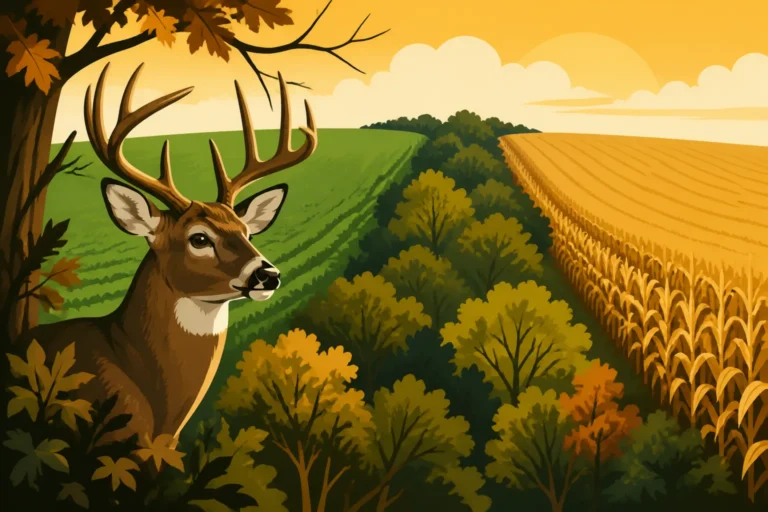
In January, food becomes the absolute number one driver of deer movement. With most crops harvested and natural browse depleted or covered by snow, deer concentrate heavily on the remaining, most accessible, and most nutritious food sources. This often means standing rows of corn or soybeans that were intentionally left by farmers, or fields that couldn't be harvested due to wet conditions. These unpicked agricultural fields are gold mines.
Beyond standing crops, don't overlook cut crop fields where waste grain remains abundant. While not as appealing as standing crops for protection, deer will dig through snow to access leftover kernels of corn or beans. Additionally, areas with oak trees that still hold acorns under the snow, or even specific types of browse like honeysuckle and multiflora rose, can become critical food plots. A powerful tool for locating these areas is using mapping software like the GoHunt app or the Iowa DNR Hunter Atlas to identify different agricultural practices and timber stands from home. You can often see which fields might still have standing crops or be prone to holding waste grain. Focusing your efforts on Late-Season Food Source Hunting in Iowa is paramount.
Thermal Cover and Bedding Areas
Just as important as food is thermal cover. In the bitter cold of January, deer need places to get out of the wind and soak up whatever meager warmth the winter sun provides. South-facing slopes, thick cedar or pine stands, dense brush, river bottoms, and even tall, unharvested CRP grass can provide crucial thermal protection. These areas offer a refuge from the wind and help deer conserve energy.
Deer will often bed in these dense cover areas, especially during the day, only moving out to feed during the warmest parts of the afternoon or under the cover of darkness. When scouting, look for tracks leading in and out of these thickets. Pay attention to how deer use the terrain. A south-facing hillside with thick cedars bordering a standing corn field is a classic late-season hotspot. Understanding the interaction between bedding and feeding is critical, as deer will often take the path of least resistance between these two points.
Water as a Consistent Draw
While often overlooked in winter, water sources remain essential. Deer need water daily, even when temperatures are freezing. Ponds, creeks, and river oxbows that haven't completely frozen over, or areas with consistent snowmelt, will draw deer. On very cold days, deer may even eat snow to hydrate, but they prefer open water. Focus your scouting on areas where water is consistently available and easily accessible from bedding and feeding locations.
In a scenario where fields are frozen and snow is sparse, exposed creek bottoms or even drainage ditches can become consistent travel corridors and water sources. These areas not only provide water but also often offer some level of cover and easier travel than slogging through deep snow. Combine water availability with nearby food and cover, and you've found a high-probability deer movement corridor.
Effective Hunting Approaches for Late Season Antlerless Deer
With the deer's world so narrowly defined by survival, your hunting tactics should reflect this. Gone are the days of blind luck; January demands precision, patience, and often, a willingness to adapt your approach. Whether you prefer still hunting or setting up a stand, understanding how to leverage the cold weather and deer behavior is crucial for success. For insights on how deer behave once the gun seasons are over, consider researching Hunting Deer After the Guns Are Done.
Strategic Stand Placement and Ambush Hunting
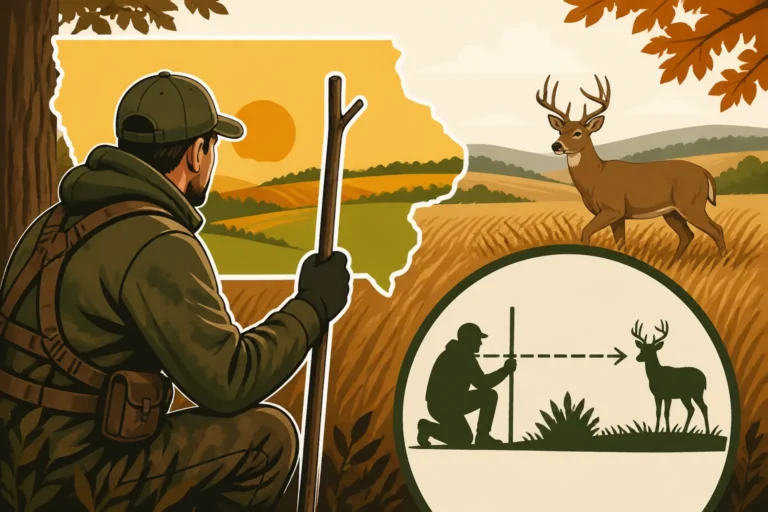
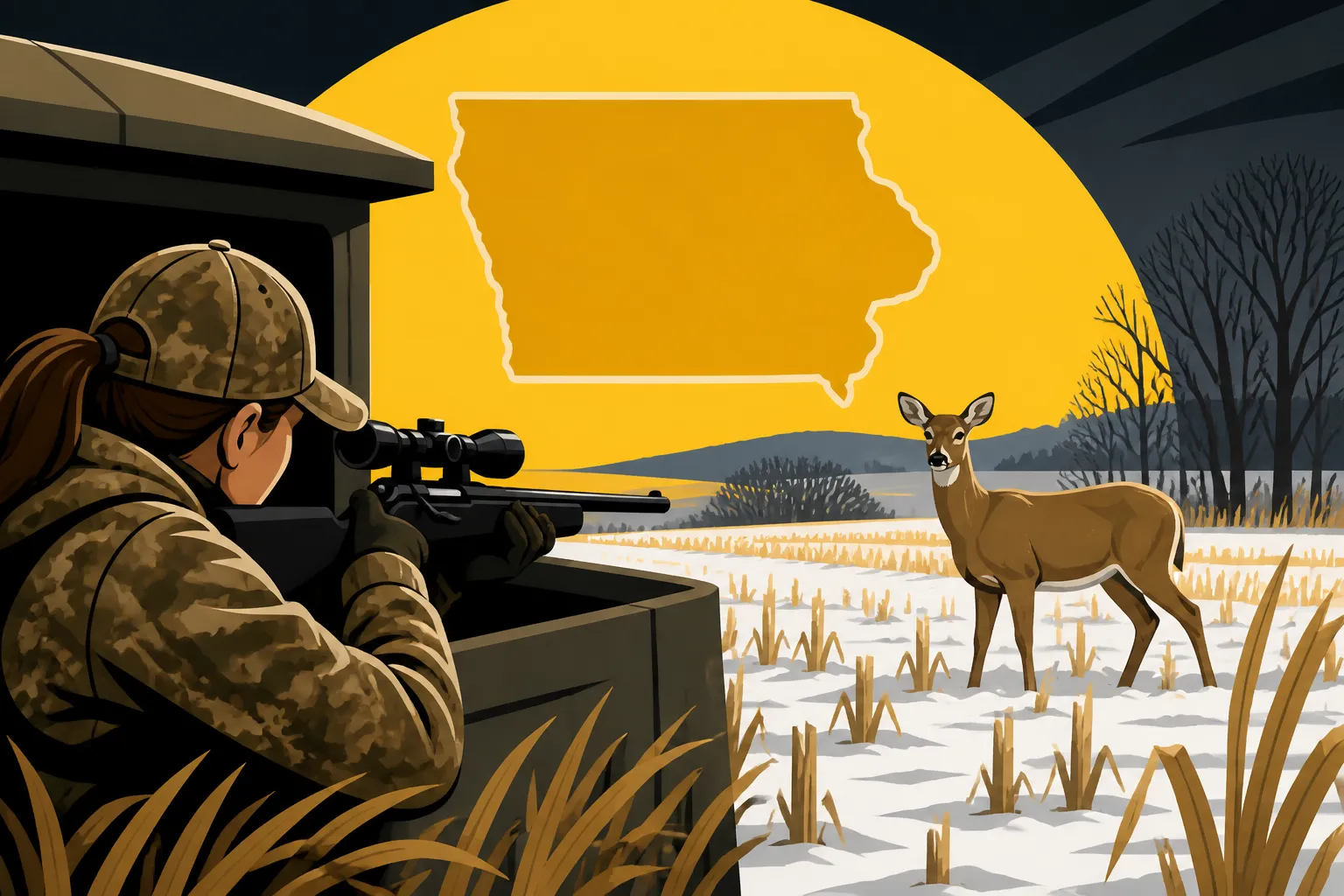
In January, deer are hyper-alert due to previous hunting pressure and the exposed landscape. Therefore, ambush hunting from a stand remains one of the most effective tactics. However, your stand placement needs to be absolutely precise. Focus on pinch points between known bedding cover and preferred food sources. Look for trails leading directly from a thick cedar bedding area to a standing cornfield. Deer will use the path of least resistance and often the most sheltered route.
Consider access carefully. Your entry and exit routes must not alert deer. This often means walking a long way around, using creek beds, or leveraging terrain features to stay hidden. Furthermore, because deer often move during the warmest parts of the day, you might not need to be in your stand before legal light. A mid-morning hunt, arriving around 9 or 10 AM, can be incredibly effective, especially if you set up on a food source that deer will hit around midday. Just remember, once you're in, you need to be prepared for a long sit, potentially through the worst of the December Cold Front Deer Movement.
The Art of Still-Hunting
For the more adventurous and patient hunter, still-hunting can be incredibly productive during the January antlerless season, especially if snow cover provides a quiet, crunch-free walk. Still-hunting involves slowly, almost imperceptibly, moving through an area, pausing frequently to observe and listen. This tactic works best in areas with diverse cover and terrain, like river bottom timber or large tracts of hardwoods and thickets. The key is to move at a snail's pace, taking only a few steps every few minutes, scanning every shadow and brush pile.
When still-hunting, focus on traversing the edges of bedding areas or slowly working through known travel corridors between cover and food. Always hunt into the wind, paying close attention to thermal drafts that can shift unpredictably in rolling terrain. If you spot deer, analyze their behavior. Are they bedded? Feeding? Moving quickly? A well-executed still-hunt requires supreme patience and an intimate knowledge of the terrain, but it can lead to close-range opportunities on unsuspecting deer.
Small-Scale Drives for Reluctant Deer
Sometimes, deer are simply locked down in thick cover, unwilling to move during daylight hours, no matter how good the food source is. This is where small, strategic drives can be incredibly effective, especially if you have a hunting partner or two. The goal isn't to blast through the woods making a racket; it's to subtly nudge deer out of their security cover and into an area where a stander can get a shot.
A classic scenario involves one or two "pushers" slowly and quietly walking through a known bedding thicket while another hunter (or two) waits on a downwind exit, a natural pinch point, or a field edge where deer are likely to escape. Communication is key, often using two-way radios. The pushers should move slowly, stopping frequently, making occasional soft noises rather than a continuous ruckus. This pressure often causes deer to slowly walk out rather than bolt, offering a cleaner shot opportunity for the stander. Remember, safety is paramount during any drive, and everyone involved needs to know the layout, shooting lanes, and each other's positions precisely. Iowa also has specific Iowa Party Hunting Rules that should be reviewed.
Essential Gear and Cold Weather Survival
January hunting in Iowa means dealing with frigid temperatures, potential snow, and icy conditions. Being unprepared for the elements isn't just uncomfortable; it can be dangerous. Your gear choices and preparation for recovery and meat care are crucial for a successful and safe late-season hunt.
Dressing for the Deep Freeze
Staying warm is non-negotiable. Layering is the name of the game. Start with good quality moisture-wicking base layers, followed by insulating mid-layers (fleece or down), and topped with a waterproof and windproof outer shell. Don't forget extremities: an insulated hat, neck gaiter, heavy gloves or mittens, and truly warm, waterproof boots are essential. Many hunters swear by merino wool for its warmth-to-weight ratio and ability to retain warmth even when damp. Consider heated vests or hand warmers for those truly brutal days. Investing in good Cold Weather Stand Clothing and understanding how to effectively layer for Staying Warm on a December Sit can make or break your hunt.
The trick is to dress warmly enough for the sit, but not so warm that you sweat profusely on your walk in. Sweating makes you cold fast. You might consider carrying your outer layers to your stand and putting them on once you arrive, allowing you to regulate your body temperature more effectively during the walk.
Successful Blood Trailing and Recovery
Even in cold weather, a precise shot is always the goal, but sometimes deer don't go far, and a blood trail is needed. Snow cover can be a blessing and a curse. Fresh, light snow can make blood tracking incredibly easy, but a fresh snowfall after the shot can quickly erase any sign. Be prepared for either scenario. Always wait a sufficient amount of time after the shot, especially if you suspect a marginal hit. In freezing temperatures, blood can congeal quickly, making it harder to spot.
Carry a powerful headlamp or spotlight for tracking after dark, along with flagging tape to mark the trail. If the blood trail is sparse or the snow is tricky, a tracking dog (where legal) can be an invaluable asset. Know your legal recovery options and be prepared for a long, arduous recovery in deep snow or frozen terrain. If you're tracking through difficult cover like CRP or multiflora rose, having strategies for Blood Trailing in CRP and Multiflora Rose can save you a lot of frustration.
Post-Harvest Care in Winter Conditions
Once you've recovered your antlerless deer, meat care remains a priority. While the cold temperatures are generally your friend, allowing you more time, proper field dressing is still critical. Get the deer gutted quickly to allow the body heat to dissipate. If it's warm enough that the meat might spoil (even in January, direct sun or a warm spell can be an issue), you might want to review tips like Field Dressing in Warm October Weather for general principles of rapid cooling.
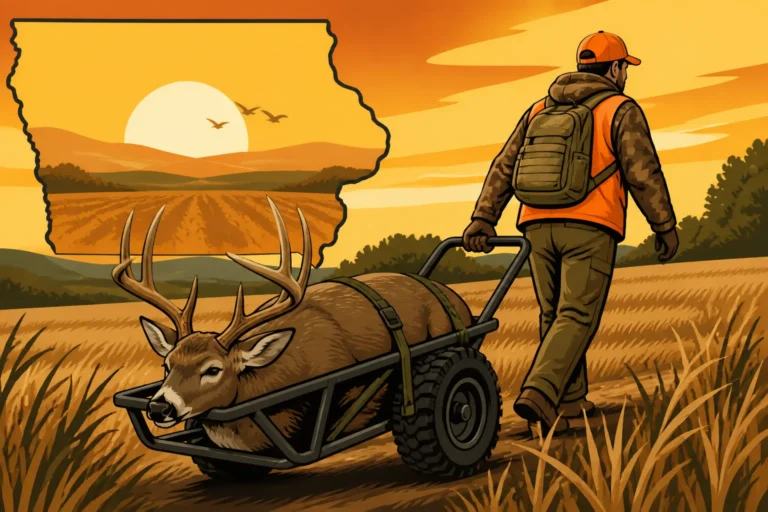
If you're hunting in a remote area, consider quartering the deer in the field to lighten the load for extraction. A good quality game cart or heavy-duty sled can be a lifesaver when dragging a deer through deep snow or frozen fields. The cold weather often means less worry about flies or rapid spoilage, but protect the meat from dirt, debris, and predators. Transport your deer promptly to a locker plant or begin home processing as soon as possible, ensuring the hard-earned venison is well-cared for.
| January Antlerless Tactics Overview | Primary Focus | Key Considerations |
|---|---|---|
| Stand Hunting | Food Sources | Precision placement, scent control, minimal movement, long sits, warm clothing. |
| Still-Hunting | Cover & Travel | Slow movement, observation, wind direction, quiet footfall (snow helps). |
| Small-Scale Drives | Thick Bedding | Communication, safety, subtle pressure, knowing escape routes, having standers. |
| E-Scouting | Food/Cover | Use mapping apps (GoHunt), identify standing crops, thickets, terrain features. |
| Thermal Protection | Bedding Areas | South-facing slopes, evergreens, thick brush, river bottoms, tall grass. |
| Hydration | Water Sources | Unfrozen ponds, creeks, snowmelt. |
Disclaimer
Hunting is an inherently dangerous activity. Always prioritize safety, follow all local and state regulations, and obtain proper landowner permission. The tactics and information provided in this guide are for educational purposes only and should not replace proper hunter education or professional guidance. Always hunt responsibly and respect wildlife and the environment.