Iowa Carcass Transport Restrictions
You've just wrapped up a fantastic day in the field, maybe even punched your tag on a beautiful Iowa whitetail. The adrenaline is still pumping, but then the practical side of hunting kicks in: "How do I get this deer home?" This is where understanding Iowa's carcass transport restrictions becomes absolutely crucial, especially with the growing concerns around Chronic Wasting Disease (CWD). It's not just about getting your hard-earned venison back to the freezer; it's about being a responsible hunter and protecting the future of the deer herd. This guide is here to walk you through the ins and outs, so you don't face any unwelcome surprises.
Understanding Why Carcass Transport Rules Exist
For many of us, the rules and regulations can sometimes feel like an overwhelming stack of paperwork designed to make things complicated. But when it comes to carcass transport, these rules are rooted in sound science and a genuine desire to protect our wild deer populations. It's not about making your life harder; it's about safeguarding the very resource we love to pursue.
The Looming Threat of Chronic Wasting Disease (CWD)
Chronic Wasting Disease (CWD) is a neurological disease that affects deer, elk, and moose. It's part of a group of diseases called Transmissible Spongiform Encephalopathies (TSEs) and, unfortunately, it's always fatal. The disease is caused by misfolded proteins called prions, which can persist in the environment for a very long time, making them incredibly difficult to eradicate once a landscape is contaminated. Imagine finding out your favorite hunting spot, a place you've poured years of sweat and scouting into, suddenly has a CWD outbreak. It's a real fear, and it’s why these rules are so important.
The scariest part about CWD is how it spreads. It can be transmitted through direct contact between animals, but also indirectly through contaminated soil, plants, and even water. Carcass parts, particularly the brain, spinal cord, and lymph nodes, are known to contain high concentrations of these infectious prions. If an infected carcass is left in an area where healthy deer live, those prions can enter the environment and potentially infect other animals for years to come. Iowa, like many other states, is actively working to monitor and contain CWD, and hunter compliance with transport rules is a cornerstone of this effort. Understanding how the disease works drives home why we have to be so careful with our harvest. If you want to dive deeper into this, we have an entire article on Chronic Wasting Disease in Iowa Deer that really breaks down the science and local impact.
Preventing the Spread Beyond Iowa's Borders
Think about the effort involved in planning an out-of-state hunt to Iowa – the scouting, the application process for Iowa Nonresident Deer Draw Explained, the travel. Now imagine unknowingly bringing a disease back with you that could devastate the deer herd in your home state. That's precisely what carcass transport rules aim to prevent. It's not just about protecting Iowa's deer; it's about protecting deer across the country.
The parts of a deer carcass that pose the highest risk are those containing central nervous system tissue. This includes the brain, spinal cord, eyes, and certain lymph nodes. These are the "hot spots" for CWD prions. By requiring hunters to remove these parts before transporting a carcass across county or state lines, wildlife agencies drastically reduce the chance of spreading the disease. It’s a collective effort, and every hunter plays a vital role. Proper field dressing, especially when you plan to travel, is more than just good hygiene; it's disease prevention.
Navigating Iowa's Specific Carcass Transport Restrictions
Alright, let's get down to the nitty-gritty of what you can and can't bring home from your Iowa hunt. The Iowa Department of Natural Resources (DNR) has established clear guidelines, and while they might seem a little daunting at first glance, they're quite manageable once you understand the logic behind them. The goal is to minimize the movement of high-risk CWD materials.
What You Can Transport: Approved Carcass Parts
When you're preparing to leave the field, the good news is that most of the parts you actually want to keep are perfectly fine to transport. The emphasis is on removing the high-risk tissues. Here’s what’s generally allowed:
- Deboned Meat: This is the safest and most common way to transport your venison. Once the meat is completely deboned, there's no risk of CWD transmission from the skeletal system. This means taking your deer down to its most basic, edible form right there in the field or at a local processor. This also has the added benefit of making your haul lighter and easier to cool, which is especially important if you're dealing with Field Dressing in Warm October Weather.
- Cleaned Skull Plate (Antlers Attached): If you've bagged a trophy buck, you absolutely want to keep those antlers. You can transport the skull plate with antlers attached, as long as all brain and nervous tissue has been completely removed and the skull plate is thoroughly cleaned. This usually involves boiling or pressure washing. Leaving any brain matter behind is a no-go, so take your time and do a meticulous job.
- Capes (for taxidermy): For those looking to get a shoulder mount, the cape (hide and skull with brain tissue removed) can also be transported. Again, the critical point here is the complete removal of brain material. Many taxidermists prefer to handle the skull cleaning themselves, so you might just need to ensure the head and neck are separated from the rest of the carcass with the required cleaning.
- Hides/Skins: Clean hides or skins, with no meat or tissue attached, are generally fine for transport.
- Teeth: If you want to age your deer or keep a trophy set of teeth, individual teeth are also acceptable once cleaned of any tissue.
The key takeaway here is cleanliness. Any approved part must be free of brain, spinal, or lymphatic tissue. If you're unsure, err on the side of caution and remove more.
What You Cannot Transport: High-Risk Materials
This is where the restrictions come into play, specifically targeting the parts that pose the greatest risk for CWD transmission. These are the items you absolutely need to leave behind in Iowa or have processed by a licensed facility within the state:
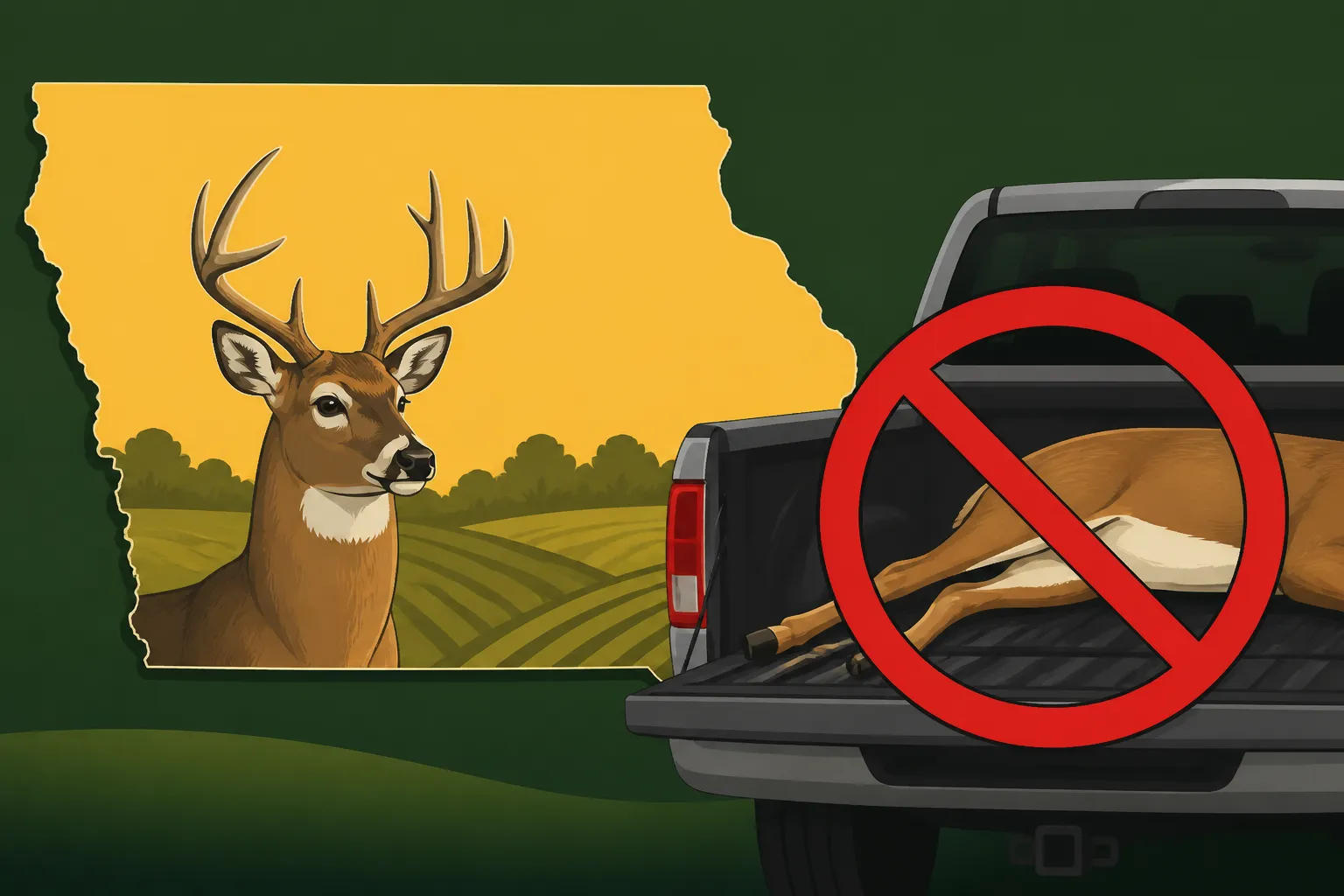
- Whole Carcass: You cannot transport a whole deer carcass out of Iowa, or even from a designated CWD zone to a non-CWD zone within Iowa, unless it has been processed to the approved components listed above. This means no strapping an entire deer to the roof of your SUV and heading for the state line. The brain, spinal cord, and other high-risk tissues are all intact, making it a vector for potential CWD spread.
- Brain and Spinal Cord: These are at the top of the "prohibited" list. They contain the highest concentrations of CWD prions. When you field dress, you naturally remove much of the intestinal tract, but the brain and spinal column remain. This is why deboning or professional processing is so important.
- Lymph Nodes: These small glands, often found in the neck and abdominal cavity, can also harbor CWD prions. While harder for the average hunter to identify and remove comprehensively, professional processors are skilled in handling these.
- Eyes: The eyes are also considered high-risk tissue. If you're planning to take a skull plate, ensure the eyes are removed.
Essentially, anything that contains significant amounts of nervous system tissue is restricted. The idea is to localize the potential contamination to the immediate harvest area or a contained processing facility within Iowa. This allows the DNR to better manage any potential CWD spread.
Special Rules for CWD Zone Counties
Iowa has identified specific counties where CWD has been detected or where there's a higher risk of its presence. These are often referred to as "CWD surveillance" or "mandatory sampling" counties. If you harvest a deer in one of these counties, there might be additional requirements beyond the general statewide carcass transport rules. For instance, the DNR might mandate that deer harvested in these areas be submitted for CWD testing, and the transport rules can be even stricter for moving deer out of those specific counties.
It's paramount to check the current Iowa DNR regulations before your hunt, especially if you plan to hunt in south-central or northeast Iowa, which have seen CWD detections. For example, if you get a deer in Allamakee County, which has had CWD cases, you need to be extra diligent about processing it down to the approved parts before leaving that county. You can find up-to-date information on Iowa CWD Mandatory Sampling Counties and how to comply. The best practice is always to perform a thorough field dressing at the kill site, removing as much of the restricted material as possible. In some cases, you might even be required to leave the head at a designated drop-off location for CWD testing, so knowing Where to Drop an Iowa CWD Sample is vital.
Practical Steps for Compliant Carcass Handling
Knowing the rules is one thing; putting them into practice is another. For many hunters, especially those traveling from out of state or hunting in remote areas, the logistics of carcass handling can feel like a daunting task. However, with a little planning, it's entirely manageable and ensures you stay compliant while taking care of your valuable venison.
Field Dressing and Quartering in the Field
The most effective way to comply with carcass transport rules, especially for out-of-state hunters, is to process your deer right there in the field. This might sound intimidating if you've only ever gutted a deer and hauled it whole to a processor, but it's a skill worth learning.
First, field dress the deer immediately after the shot to begin the cooling process. This means removing the entrails. Once that's done, you're ready to start quartering. The "gutless method" is an excellent technique for this, as it allows you to remove all the prime cuts of meat without having to completely eviscerate the deer or even flip it over. You'll work methodically to debone the backstraps, tenderloins, hindquarters, and front shoulders. As you do this, you'll naturally separate the high-risk tissues (spinal column, brain, etc.) from the edible meat. You can learn more about this detailed process in our guide on Quartering a Deer in the Field. Pack along a sharp knife, a bone saw, and good quality game bags to keep your meat clean and protected.
Once the meat is deboned and bagged, you'll be left with the skeletal frame, skull (with brain and eyes, unless you’ve cleaned the skull plate for antlers), and other internal organs. These are the parts that typically need to be left at the kill site or disposed of properly in Iowa. It sounds like a lot, but this method not only ensures compliance but also makes the pack-out significantly lighter and helps the meat cool much faster, which is crucial for quality, especially during the October Bow Season Heat Strategy.
Utilizing Commercial Processors or Taxidermists
For many hunters, the easiest and most convenient way to comply with carcass transport restrictions is to utilize a licensed commercial deer processor or taxidermist within Iowa. These professionals are well-versed in the state's regulations and have the facilities to properly dispose of high-risk carcass materials.
When you take your deer to an Iowa processor, they will handle the full breakdown, deboning the meat, and ensuring all prohibited parts are managed correctly. They also know what to do if your deer needs to be sampled for CWD in a designated county. For trophy animals, a taxidermist will be able to properly cape your deer and clean the skull plate to legal transport standards. Just make sure to communicate your plans clearly: let them know if you're taking the meat out of state, or if you need the skull plate prepared for transport. This option takes a lot of the guesswork and physical labor out of carcass handling, allowing you to focus on the hunt itself. If you're curious about doing it yourself, check out Processing Your Own Deer at Home, but remember the transport rules apply before you even get it there.
Essential Planning for Out-of-State Hunters
If you're a non-resident hunter, the carcass transport rules add an extra layer of complexity to your hunt planning. You’re not just dealing with Iowa's regulations, but potentially those of your home state and any states you might travel through. Failing to plan ahead can lead to serious headaches, confiscated meat, or even fines.
Before you even leave for Iowa, do your homework. First, familiarize yourself thoroughly with Iowa's specific regulations, especially any CWD-zone rules for the counties you intend to hunt. Then, critically, research the carcass import regulations for your home state. Many states have similar restrictions on bringing in high-risk carcass parts from other states, particularly those with known CWD prevalence. For example, some states may only allow deboned meat, clean skull plates, and capes. Resources like the GoHunt application can often provide valuable information for e-scouting and understanding regulations, helping you pre-plan your strategy effectively.
Consider your options for processing. Will you be prepared to quarter your deer in the field, or will you locate a reputable Iowa-licensed processor beforehand? Having a plan B is always a good idea. Make sure you have enough coolers, ice (or frozen jugs for Getting a Deer Cooled in October), and game bags to store your deboned meat safely for the journey home. Don't underestimate the importance of a detailed plan, right down to your route and where you might stop. Planning is the cornerstone of a successful and compliant hunt. For general planning, even looking at things like E-Scouting Iowa Farm Country From Home can help you map out potential processing stops or areas where you can field dress more thoroughly.
| Carcass Part Category | Allowed for Transport | Prohibited for Transport (Must be processed in Iowa) | Notes |
|---|---|---|---|
| Meat | Deboned meat | Meat on the bone | Deboned meat is the safest and preferred method for out-of-state transport. |
| Antlers/Skull | Cleaned skull plate | Skull with brain/nervous tissue, uncleaned | All brain and nervous tissue must be completely removed from the skull plate. |
| Hide | Cleaned hide/skin | Hide with meat or tissue attached | Ensure hide is free of any muscle, fat, or other tissues. |
| Head | N/A | Whole head | Cannot transport whole head; must be processed to a clean skull plate or cape. |
| Spinal Column | N/A | Spinal column/Vertebrae | Must be left at the kill site or processed by licensed facility. |
| Organs | N/A | Brain, eyes, lymph nodes, internal organs | Remove these during field dressing. |
| Whole Carcass | N/A | Untouched or partially field-dressed carcass | Not permitted for transport out of Iowa or between CWD zones without processing. |
Disclaimer
Please remember that hunting regulations can change. While I've done my best to provide the most current and accurate information, it is always your responsibility as a hunter to consult the official Iowa Department of Natural Resources (DNR) regulations before heading into the field. This guide is for informational purposes only and should not be considered a substitute for the current legal hunting proclamation. Pay special attention to the Iowa Regulation Booklet Release Date to ensure you have the latest rules.