Iowa Blaze Orange Requirements
It's incredibly frustrating trying to keep up with all the hunting regulations, especially when it comes to something as critical as safety gear like blaze orange. Many of us have stood in front of a hunting vest display, scratching our heads, wondering if what we’re about to buy truly meets Iowa’s specific legal requirements or if we’re just making an educated guess. This guide is designed to cut through that confusion, giving you a clear, detailed understanding of Iowa’s blaze orange rules so you can hit the woods confidently and compliantly, ensuring your safety and that of your fellow hunters.
The Core Principle of Iowa's Blaze Orange Mandate
Iowa's regulations concerning blaze orange are rooted firmly in hunter safety. The primary goal is to ensure that hunters are clearly visible to other hunters, especially in dense cover or during low-light conditions, drastically reducing the risk of accidental shootings. It's not just a suggestion; it's a critical legal requirement during specific hunting seasons, and understanding these rules is paramount for anyone venturing into the field.
What Exactly is "Blaze Orange" in Iowa?
When the Iowa Department of Natural Resources (DNR) talks about "blaze orange," they're referring to a specific, highly visible fluorescent orange color. It's often called hunter orange, safety orange, or fluorescent orange, but the key is its brightness and distinctiveness from natural colors found in the environment. It's designed to stand out dramatically against the browns, greens, and grays of timber, fields, and brush, even in challenging weather conditions like fog or light snow.
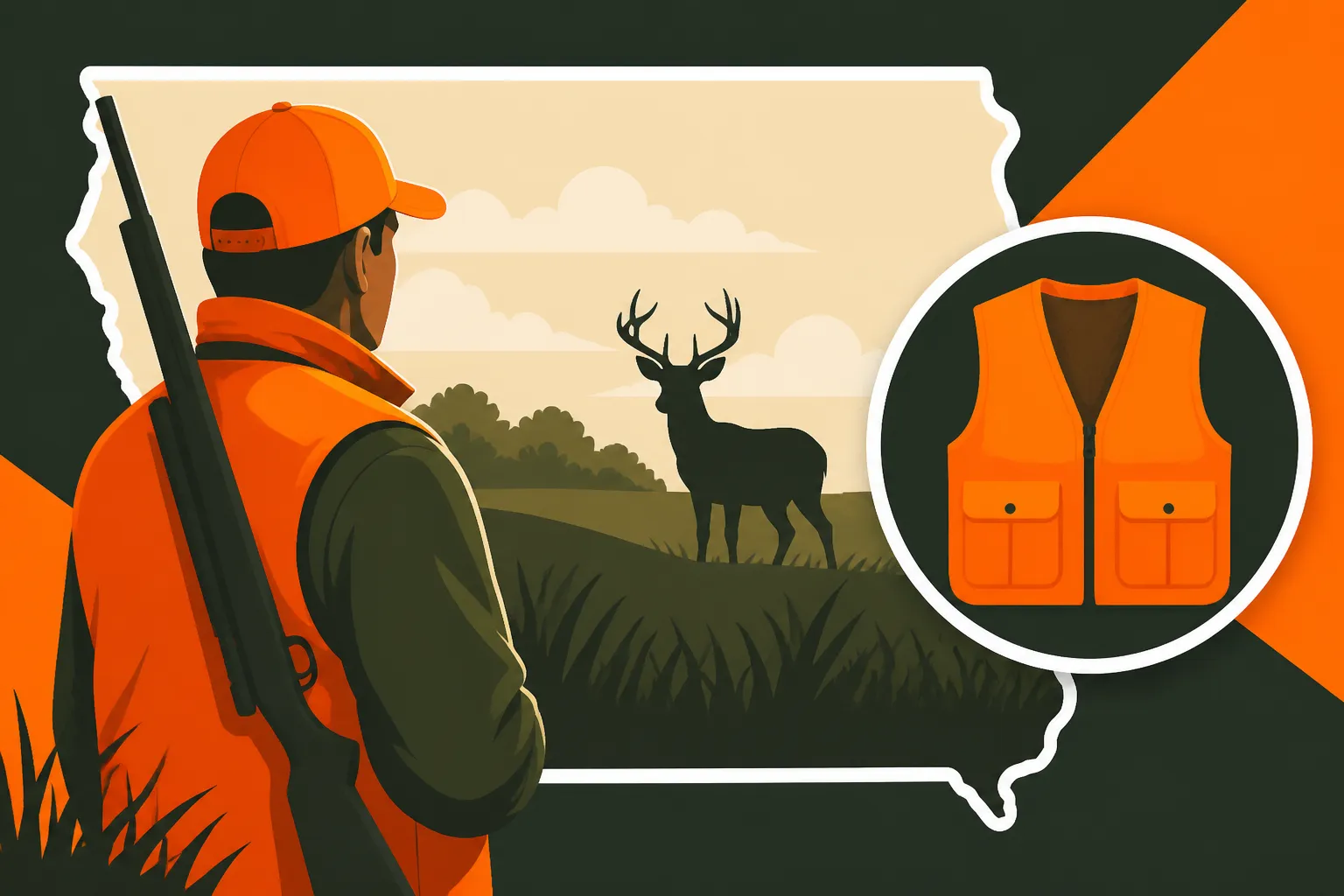
The legal requirement isn't just about color; it's also about coverage. Generally, hunters must display at least 100 square inches of solid blaze orange material. This isn't a small patch; it's roughly the size of a large dinner plate. More importantly, this blaze orange must be "visible from all sides." This means a vest, jacket, or a combination of items that ensures you can be seen whether someone is looking at you from the front, back, or either side. A simple blaze orange hat, while a good idea, often isn't enough on its own to meet the minimum coverage and visibility requirements unless specified for particular hunting scenarios. Understanding these nuances is crucial before you head out, and checking resources like the Iowa DNR's official regulations or even specialized hunting apps like GoHunt can help clarify any uncertainties.
Why Blaze Orange Matters for Hunter Safety
The emphasis on blaze orange isn't just about avoiding a ticket; it’s about saving lives. Human eyes are incredibly good at detecting movement, but in the dense timber of Stephens State Forest or the rolling hills of northeast Iowa, separating a deer from a fellow hunter can be incredibly difficult, especially at a distance or in poor light. Blaze orange provides an unmistakable signal that says, "I am a human being, not game."
Consider a scenario in a thick cedar stand during the Iowa First Shotgun Season Dates. A deer might be moving through at a quick pace, and another hunter might glimpse a flash of movement. Without blaze orange, that fleeting image could easily be mistaken for game, leading to a tragic accident. With a brightly colored vest and hat, however, there's an immediate, undeniable recognition of a human presence. This simple piece of gear drastically reduces the chances of "mistaken for game" incidents, which, tragically, are still a leading cause of hunting accidents across the country. It reinforces the fundamental rule of hunter safety: always identify your target and what's beyond it before pulling the trigger. This communal understanding and adherence to safety gear are part of why Iowa is such a fantastic state for hunters, fostering a safer environment for everyone. If you're new to hunting or just need a refresher on best practices, reviewing something like Iowa Hunter Education Requirements can provide a solid foundation in all aspects of responsible hunting.
Specific Seasons Requiring Blaze Orange
Iowa's hunting regulations are designed to be specific about when and where blaze orange is mandatory, primarily to enhance safety during periods of higher hunter density and during firearms seasons. It’s not a one-size-fits-all rule, so knowing the specifics for each season you plan to hunt is crucial.
Shotgun and Muzzleloader Deer Seasons
These are the seasons where blaze orange is absolutely non-negotiable. During both Iowa First and Second Shotgun Seasons and the Iowa Late Muzzleloader Season, any person hunting deer with a firearm must wear blaze orange. This includes youth hunters, adult hunters, and even those simply accompanying a hunter who is legally carrying a firearm for deer. The requirement is for at least 100 square inches of solid blaze orange material, visible from all sides. This typically means a vest or jacket, sometimes augmented by a blaze orange hat.
Imagine you're participating in one of the popular Party Hunting Rules and Safe Drives in a timber block. Hunters are strategically placed, and deer are being pushed. In such a high-activity environment, clear visibility is paramount. Every participant, whether a driver or a blocker, needs to be unmistakable as a human. The same applies during the solo hunts of the muzzleloader season. Even though hunter numbers might be lower, the dense cover of winter timber still demands maximum visibility. For example, if you're taking part in Small Timber Drives With Two Hunters, both of you need to be highly visible to each other and any other hunters in the vicinity. This is not the time to rely on camouflage; safety trumps concealment in these seasons. Before heading out, make sure your gear meets the requirements. Many experienced hunters even pack an extra blaze orange vest in their pack just in case one gets torn or dirty.
Archery Hunters During Gun Seasons
This is where some confusion often creeps in. If you are hunting deer with a bow or crossbow during a time when any firearms deer season (shotgun, muzzleloader, or youth season) is also open in the same county, you must wear blaze orange. This rule exists even though archery hunting doesn't typically require blaze orange on its own. The rationale is simple: if there are firearms hunters in the woods, archers need to be just as visible for their own safety.
For instance, during the overlap when bow season is open but so is the youth deer season or early muzzleloader season, an archery hunter needs to don blaze orange. You might be meticulously trying to avoid detection from a wary whitetail, practicing your Mobile Saddle Hunting in Iowa techniques, but your safety is still the priority. This means an archery hunter targeting deer might need to adjust their typical camouflaged approach to incorporate blaze orange for part of their season. It's a key distinction often overlooked, leading to potential violations and, more critically, increased risk. Always double-check the Iowa Deer Season Dates by Weapon each year to understand exactly when these overlaps occur in your hunting zone.
Upland Bird and Small Game Hunting
While deer hunting gets a lot of attention, blaze orange is also critical for upland bird and small game hunters. If you are hunting pheasant, quail, or Hungarian partridge, Iowa law requires you to wear at least 100 square inches of solid blaze orange material. This regulation applies regardless of whether other firearm seasons are open. The reason is similar to deer hunting: these types of hunts often involve multiple hunters moving through thick cover, and fast-flying game requires quick decisions, making visibility vital.
Think about a pheasant hunt in a dense CRP field or along a fencerow. Dogs might be working, birds flushing, and hunters are often spread out. In this environment, a blaze orange vest or jacket makes you stand out against the tall grass and brush. While not legally required for hunting species like rabbits or squirrels, wearing blaze orange is still highly recommended, especially if you're out during any active firearms deer or upland bird season. Even if you're only targeting squirrels in an oak timber, the presence of other hunters pursuing deer or birds means an increased risk, and blaze orange is your best defense. Many hunters consult detailed resources from their planning efforts with tools like GoHunt to understand these overlaps and ensure compliance.
Nuances, Exceptions, and Practical Considerations
Understanding the basic requirements for blaze orange is a great start, but Iowa’s regulations, like those in many states, have nuances and specific interpretations that are important to grasp. This isn't just about reading the rulebook; it's about applying it thoughtfully to real-world hunting scenarios.
Public Land vs. Private Land Rules
One common question is whether blaze orange requirements differ between public and private land. In Iowa, the short answer is no; the blaze orange requirements are the same regardless of whether you are hunting on public or private land. If the season you are hunting in requires blaze orange, you must wear it, period. This means if you're on a tract of Public Hunting Land in Iowa or a friend's private farm during shotgun season, the rules remain consistent.
However, the implications of these rules can feel different. On crowded public lands, like those within the vast Iowa Wildlife Management Area Acres, the need for visibility is inherently higher due to more hunters. On private land, with fewer hunters, some might mistakenly feel less compelled to adhere strictly to the rules. This is a dangerous mindset. Accidents can happen anywhere, and the law applies equally to all hunting grounds. Therefore, always plan your gear and tactics with safety as the absolute top priority, regardless of land ownership.
What "Visible From All Sides" Truly Means
The regulation's insistence on blaze orange being "visible from all sides" is crucial and often misunderstood. It means that from any angle a fellow hunter might view you, they should see blaze orange. A small patch on your back or front isn't enough. This is why vests and jackets that cover the torso are so popular and effective.
Consider this: if you're wearing a blaze orange hat and a small arm band, and you're turned sideways to another hunter, they might only see camouflage. This isn't "visible from all sides." The DNR's intent is to make you identifiable as a human from any direction. This typically means wearing a vest or jacket that wraps around your body, possibly paired with a blaze orange cap. When planning your outfit for an all-day sit in December, remember to incorporate your blaze orange over your Cold Weather Stand Clothing layers so it remains visible, not hidden underneath. Even something as simple as a backpack can sometimes obscure a vest, so positioning your gear to maintain maximum visibility is a critical detail. This rule is particularly vital during times when visibility is naturally reduced, such as at dawn or dusk, close to Iowa Legal Shooting Hours.
Blaze Orange for Youth and Mentored Hunters
Iowa's hunting culture strongly supports getting young people involved, and the state has specific youth hunting seasons. During these youth deer seasons, just like adult firearm seasons, blaze orange is mandatory for the youth hunter and any accompanying adult. This provides an extra layer of safety for our newest hunters as they learn the ropes.
Furthermore, Iowa offers a mentored youth hunting program, allowing unlicensed youth (under age 16) to hunt without first completing a hunter education course, provided they are accompanied by a licensed adult mentor. In any situation where the mentored youth or the mentor is hunting a species or during a season that requires blaze orange, both individuals must comply with the requirements. This ensures that safety is prioritized from the very first hunting experience, instilling good habits early on. The adult mentor's responsibility includes not only guiding the youth in ethical hunting practices but also ensuring they are properly equipped with all necessary safety gear, including correctly worn blaze orange.
Choosing the Right Blaze Orange Gear
Selecting your blaze orange gear isn't just about grabbing the first fluorescent vest you see. It involves considering comfort, durability, and practical application to ensure it meets legal requirements and enhances your safety in the field.
Vests, Hats, and Full-Body Options
The most common and effective blaze orange items are vests and jackets. A quality blaze orange vest, typically made from durable polyester, offers the required 100 square inches of coverage and ensures visibility from all angles when worn over your primary hunting clothes. Many hunters opt for vests that have multiple pockets, allowing them to carry essential items like extra ammunition, a rangefinder, or a snack. For colder weather, a blaze orange jacket or an insulated vest provides warmth while maintaining visibility.
Blaze orange hats are also popular and can supplement a vest, but they rarely meet the 100 square inch "visible from all sides" requirement on their own. They are excellent for increasing overall visibility, especially in dense brush where a vest might be partially obscured. Some hunters even go for full blaze orange suits or bibs, ensuring maximum visibility while also offering insulation and protection from the elements. When you're preparing for the intense activity of Shotgun Season Opening Day Strategy, having gear that fits well and allows for full range of motion is crucial. Don't forget to check the fit over your warmest layers, as you might need a larger size than you typically wear.
Maintaining Your Blaze Orange for Maximum Visibility
Blaze orange material can fade over time, especially with repeated exposure to sunlight and harsh washing detergents. Faded blaze orange loses its vividness and, therefore, some of its effectiveness. It also might no longer meet the legal definition of "blaze orange" if it dulls significantly.
To maintain your blaze orange gear, wash it gently with scent-free detergents (if you're deer hunting) and avoid excessive drying in direct sunlight. Store it in a dark place when not in use. Regularly inspect your gear for fading, tears, or damage. If your blaze orange looks dull or worn, it's time to replace it. This small investment is crucial for your safety and adherence to regulations. When you’re preparing your firearms for the season, like when you're Sighting In Before Shotgun Season, take a moment to inspect your blaze orange gear as well. It’s an integral part of your hunting kit, just as important as a well-tuned firearm or a sharp broadhead. Your safety, and the safety of others in the field, depends on you being as visible as possible.
| Hunting Activity/Season | Blaze Orange Required? | Minimum Coverage (Generally) | Key Notes |
|---|---|---|---|
| Shotgun Deer Seasons | Yes | 100 sq. inches | Must be solid blaze orange, visible from all sides. Applies to all hunters carrying or accompanying a firearm for deer. |
| Muzzleloader Deer Seasons | Yes | 100 sq. inches | Same requirements as shotgun seasons. |
| Archery during Gun Seasons | Yes | 100 sq. inches | Required if any firearms deer season (shotgun, muzzleloader, youth) is open in the county. |
| Youth Deer Seasons | Yes | 100 sq. inches | Applies to youth hunter and accompanying adult. |
| Pheasant, Quail, Partridge | Yes | 100 sq. inches | Applies while hunting these upland game birds. |
| Rabbit, Squirrel | No (Recommended) | N/A | Not legally required, but highly recommended, especially during overlapping firearms seasons, for safety. |
| Spring Turkey | No | N/A | Not required; camouflage is typically preferred for turkey hunting. |
| Fall Turkey (Firearms) | Yes (If with deer firearm season) | 100 sq. inches | If fall turkey hunting with a firearm during an overlapping deer firearm season, blaze orange is required. Otherwise, it's not. |
Disclaimer
The information provided in this guide is for informational purposes only and is not a substitute for the official Iowa Department of Natural Resources hunting regulations. Hunters are responsible for consulting the most current Iowa DNR hunting regulations booklet or website to ensure full compliance with all laws and rules before going afield. Regulations can change, and it is always your responsibility to be aware of the most up-to-date requirements.