Iowa Whitetail Deer and Why They Score So High
You know that feeling, right? You're scrolling through social media, seeing another monster buck laid out in a picked cornfield, and the caption almost always starts with "Iowa." It’s enough to make you wonder what magic potion they’re feeding the deer there. For countless hunters, Iowa isn't just another state; it's the promised land for giant whitetails. This guide will peel back the layers to reveal the undeniable combination of factors that make Iowa a legendary destination for big-antlered bucks, and how it continues to consistently produce some of the largest deer in North America.
The Legend of Iowa Whitetails: Unpacking the Hype
There's a reason Iowa is whispered about in hushed, reverent tones around campfires and in sporting goods stores. It’s not just anecdotal; the numbers back it up. For years, Iowa has consistently held its own, often at the very top, in the record books for trophy whitetail deer. This isn't just about a few lucky hunters; it's a systemic outcome of intertwined environmental, biological, and management factors that create the perfect storm for growing massive bucks.
Consistently High Rankings in Record Books
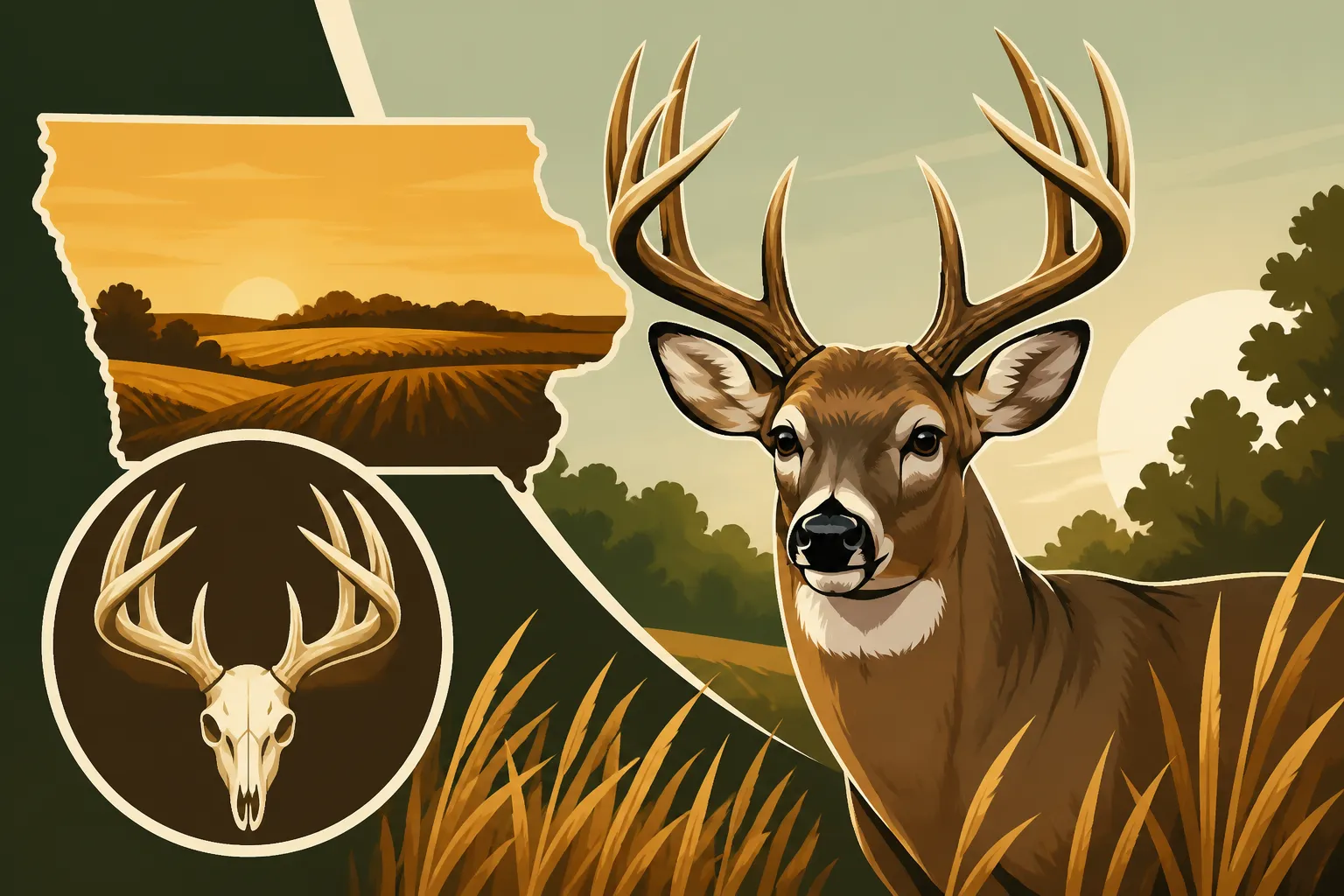
When you dive into the Boone and Crockett Club or Pope and Young Club records, Iowa’s name comes up again and again. It's not uncommon to see multiple entries from Iowa each year, often eclipsing states with far more timber or less human population. This consistent performance isn't a fluke; it's a testament to the fact that the state provides an ideal environment for deer to not only survive but to thrive and reach their full genetic potential. Hunters from all over the country dream of drawing an Iowa tag because they know the odds of encountering a truly world-class animal are higher here than almost anywhere else. It’s a place where a 150-inch buck is a good deer, but a 170 or 180 is always a real possibility, and often what hunters are truly after.
The state's track record includes some legendary deer, like the Tony Lovstuen buck from Appanoose County, which held the non-typical world record for a time. These stories fuel the passion and the belief that Iowa truly is different. While luck always plays a role in hunting, consistent results across decades point to something more profound than mere chance. It’s a reputation earned through a combination of elements that, when aligned, create a whitetail hunter's paradise.
The Allure of Iowa for Trophy Hunters
The pull of Iowa for trophy hunters is immense, bordering on mythical. Many hunters save for years, accumulate preference points, and meticulously plan their trips, all for the chance to hunt one of these coveted zones. The dream isn't just about bagging a deer; it's about the possibility of encountering that once-in-a-lifetime buck, the kind of animal that adorns magazine covers and hunting show intros. This allure has transformed Iowa into a pilgrimage site for serious whitetail enthusiasts, creating a unique hunting culture centered around patience, strategic planning, and the pursuit of mature deer.
But what truly cements Iowa's status isn't just the sheer size of the antlers, but the overall health and impressive body size of its deer herd. These aren't scrawny bucks with big racks; they are often massive-bodied animals, a true challenge to recover and get out of the field. This combination of impressive body size and exceptional antler growth is what truly distinguishes Iowa whitetails and draws hunters back year after year, hoping to unlock the secrets of this remarkable deer country.
Nutritional Goldmine: Fueling Antler Growth
If you want to grow big deer, you need to provide them with top-tier nutrition, and Iowa does exactly that. The state's agricultural landscape, often perceived as a challenge by some hunters, is actually its greatest asset when it comes to growing large, healthy whitetail deer with exceptional antler development. It’s a veritable buffet, packed with the calories, protein, and minerals necessary for peak physical condition and bone growth.
Rich Iowa Soils and Agricultural Abundance
It all starts with the soil. Iowa is renowned for some of the most fertile topsoil in the world, a legacy of ancient glaciers and millennia of prairie grass decomposition. This rich, black earth isn't just good for growing corn and soybeans; it's fantastic for growing everything that deer eat, from natural browse to cultivated crops. The high mineral content in the soil translates directly into the plants that grow there, and consequently, into the bodies and antlers of the deer that consume them. Think of it like a natural vitamin supplement available 24/7.
The extensive farming practices mean that throughout much of the year, deer have access to an almost limitless supply of high-energy, protein-rich food sources. This isn't a landscape where deer are constantly struggling to find enough to eat; it's a place where they can pack on significant weight and dedicate excess energy and nutrients to antler growth. This foundational abundance sets the stage for the kind of antler development that makes Iowa famous.
The Impact of Corn and Soybeans on Deer Diet
It's no secret that corn and soybeans dominate the Iowa landscape, and these crops are the cornerstone of the whitetail deer's diet in the state. During the summer months, growing soybeans provide a highly palatable and protein-rich food source, critical for early antler development and fawn growth. As fall approaches and crops mature, the standing cornfields become an absolute haven. Corn is incredibly high in carbohydrates, providing the immense energy reserves deer need to get through the rut and the harsh Iowa winters.
After harvest, the waste grain left in the fields continues to be a crucial food source, readily available even under light snow cover. This consistent availability of high-quality food, almost year-round, means Iowa deer are rarely stressed nutritionally. Unlike deer in more forested, less agriculturally intense regions that might face periods of scarcity, Iowa whitetails typically have access to an abundant and diverse diet that directly translates into larger body sizes and more impressive antler growth. Understanding these patterns, particularly how deer use Standing Corn and Bean Field Deer Patterns, is crucial for any hunter.
Mineral Availability and Antler Development
Antlers are essentially bone, and bone requires a significant amount of minerals, primarily calcium and phosphorus, along with trace elements. The rich Iowa soils naturally provide an abundance of these critical minerals, which are then absorbed by the crops and native vegetation. When deer consume these plants, they are ingesting a steady supply of the building blocks needed for robust antler growth. This natural mineral intake, combined with the high protein and energy from agricultural crops, creates an optimal environment for bucks to maximize their antler potential.
While some hunters might experiment with supplemental minerals, the truth is that Iowa’s environment often provides what deer need naturally. This consistent mineral availability throughout a buck's life contributes significantly to not only the mass and beam length but also the overall complexity and hardiness of their racks. It's a natural advantage that many other regions simply can't replicate, making Iowa's whitetails truly stand out.
Age Structure and Management: Letting Them Grow
Even with the best nutrition and genetics, deer won't grow massive antlers if they don't live long enough. Iowa's success in producing trophy whitetails is heavily reliant on a healthy age structure within its buck population, allowing deer to reach maturity before being harvested. This isn't just a happy accident; it’s a direct result of hunter preferences, strategic state regulations, and relatively low hunting pressure compared to the potential harvest.
Hunter Preference for Mature Bucks
One of the most significant factors in Iowa's trophy deer production is the hunting culture itself. Many Iowa hunters, and especially the nonresident hunters who draw tags, are focused on harvesting mature bucks. There's a strong unspoken (and often spoken) ethic of "letting them go, so they can grow." This isn't to say every hunter passes on every young buck, but a significant portion of the hunting population actively chooses to wait for older, larger-antlered deer. This collective restraint allows a higher percentage of bucks to survive beyond their younger years, giving them the crucial time needed to develop truly impressive racks.
This philosophy is particularly prevalent in areas with high-quality habitat, where hunters know that if they pass a younger buck, there's a good chance he'll be back next year, bigger and better. This patience pays dividends, not just for individual hunters but for the overall health and age structure of the entire deer herd, fostering a consistent supply of older-class bucks.
Iowa DNR's Role in Herd Management
The Iowa Department of Natural Resources (DNR) plays a vital role in managing the state's deer herd, balancing hunter opportunity with herd health and trophy potential. While Iowa does not have antler point restrictions (APRs) like some other states, its licensing structure effectively promotes the harvest of antlerless deer and limits pressure on bucks. The Iowa Deer Herd Management and Harvest strategy is designed to maintain a healthy buck-to-doe ratio, which supports both reproduction and the overall well-being of the population.
The DNR's efforts include monitoring herd numbers, tracking harvest data, and adjusting tag quotas to ensure sustainable hunting. They understand that a healthy, balanced herd with a good age structure is key to maintaining Iowa's reputation as a top whitetail destination. This thoughtful approach, combined with data from mandatory harvest reporting, allows them to make informed decisions that benefit both the deer and the hunters.
Low Hunter Numbers and Opportunities for Bucks to Age
Perhaps one of the most underestimated factors is Iowa's relatively low overall hunting pressure, especially for nonresidents seeking an "any-deer" tag. While the state is densely populated with deer, it's not nearly as densely populated with hunters as some other states. Nonresident hunters, in particular, face a challenging Iowa Nonresident Deer Draw Explained process, often requiring several Iowa Preference Points and How They Work before successfully drawing a coveted tag. This limitation on nonresident participation, combined with a strong resident hunting ethic focused on quality, means that a good portion of the buck population lives long enough to reach older age classes.
Even during popular seasons like the shotgun seasons, the vast tracts of private land provide ample refuge for deer, limiting the overall impact of hunting pressure. This reduced pressure, particularly on younger bucks, allows a greater number of deer to survive to 3.5, 4.5, and even 5.5+ years old, which are the prime ages for producing truly record-book antlers. This combination of factors creates a unique environment where trophy deer aren't just possible, but consistently present year after year.
Habitat Diversity: Where Giants Hide and Thrive
Iowa's landscape, often characterized by vast agricultural fields, might not immediately scream "prime deer habitat" to outsiders. However, a closer look reveals a surprisingly diverse and interconnected patchwork of cover that provides exactly what whitetail deer need: food, water, and most importantly, security. This mosaic of habitats allows bucks to grow old and develop their impressive antlers without constant human disturbance.
Interspersed Timber and Row Crop Cover
The magic of Iowa's habitat lies in the way timbered creek bottoms, woodlots, and small patches of forest are intricately woven into the expansive agricultural fields. These timbered areas aren't just isolated islands; they form crucial travel corridors and bedding areas that allow deer to move, feed, and escape detection. The edges where timber meets crops are particularly productive, offering both food and cover within easy reach. Deer can bed down deep in a dense woodlot during the day, then emerge under the cover of darkness to feast in a nearby corn or soybean field.
This interspersed cover creates an incredibly efficient environment for deer. They don't have to travel far to find food, reducing energy expenditure and minimizing exposure. The sheer volume of edge habitat is a major advantage, providing countless opportunities for deer to feel secure while still having access to the best nutrition. This is why understanding where a buck might travel through areas like Best Stand Locations in Rolling Timber or Timber Points Between Two Fields is key.
Creek Bottoms and River Corridors as Travel Ways
Iowa is crisscrossed by countless creeks, streams, and rivers, many of which are lined with dense timber and brush. These riparian corridors act as superhighways for deer movement, providing excellent cover, consistent water sources, and natural funnels through the otherwise open agricultural landscape. Bucks, especially mature ones, heavily utilize these creek bottoms to travel between bedding areas and food sources, often avoiding open fields during daylight hours.
These natural travel corridors offer seclusion and a sense of safety, allowing deer to move relatively unmolested. For hunters, scouting these areas, whether it's Reading an Iowa Timber Draw for Deer Sign or identifying a Hunting a Narrow Creek Corridor, is paramount. The terrain variations, natural pinch points, and dense vegetation create ideal ambush sites, especially during the rut when bucks are actively cruising for does. The combination of food security, water, and undisturbed travel routes makes these areas prime for holding mature whitetails.
CRP Grass and Remote Bedding Areas
Beyond the timber, Iowa's landscape also includes significant tracts of Conservation Reserve Program (CRP) land. These areas, often planted with tall native grasses and wildflowers, might look like open fields to the untrained eye, but they are crucial bedding and fawning cover for deer. The dense, chest-high grasses offer incredible thermal protection in cold weather and excellent concealment from predators and hunters alike. Bucks frequently bed deep within these CRP fields, particularly when hunting pressure pushes them out of timbered areas.
These vast, often hard-to-access grass fields provide remote sanctuaries where bucks can feel safe and undisturbed, allowing them to conserve energy and avoid human encounters. This diverse mix of habitats—fertile crop fields for food, dense timber for travel and cover, and expansive CRP for secluded bedding—creates an almost perfect storm for growing and holding trophy whitetails, ensuring they have everything they need to reach their full potential. It's a landscape that rewards meticulous scouting and understanding how deer use every inch of cover.
Genetics: The Unseen Blueprint for Big Antlers
While nutrition and age are critical components, they wouldn't matter as much without a strong genetic foundation. Iowa's whitetail deer herd possesses exceptional genetics that provide the blueprint for impressive antler growth. This genetic advantage, combined with optimal environmental conditions, is what truly allows Iowa bucks to consistently produce those eye-popping racks we all admire.
Healthy Deer Genetics Across the State
Iowa's deer herd generally exhibits robust and healthy genetics. This isn't a population that has suffered severe bottlenecks or widespread inbreeding issues. A combination of historic herd expansion, relatively stable population numbers (despite localized fluctuations), and the natural dispersal of bucks has maintained a diverse and strong gene pool. This genetic diversity ensures that the inherent potential for large body size and impressive antler configurations is present throughout the state.
When you look at the average Iowa buck, even a younger one, you often see a solid frame and the beginnings of good antler development. This suggests that the genetic propensity for growth is widespread, not just concentrated in a few isolated pockets. It's a foundational element that underpins all other factors contributing to Iowa's trophy status.
Natural Selection and Strong Bloodlines
In any healthy deer population, natural selection plays a role in favoring the survival and breeding success of strong, healthy individuals. Bucks that are robust, have good survival instincts, and can navigate the landscape effectively are more likely to pass on their genes. In Iowa, where there’s abundant food and sufficient cover, these traits often coincide with the ability to grow substantial antlers. The reproductive success of these genetically superior bucks further propagates desirable traits throughout the herd.
Furthermore, the hunting pressure, while present, isn't so intense that it removes all mature bucks prematurely. This allows some older, genetically superior bucks to continue breeding, contributing their strong bloodlines to successive generations. The result is a cycle where the genetic potential for large antlers is continually reinforced, leading to a consistently high caliber of deer year after year.
Minimal Genetic Bottlenecks
A "genetic bottleneck" occurs when a population undergoes a drastic reduction in size, leading to a loss of genetic diversity. While deer populations historically faced challenges, modern management practices in Iowa have largely prevented such severe bottlenecks. The state's relatively stable deer numbers and widespread distribution mean that local populations generally maintain good genetic variation. This is crucial because a wide gene pool helps maintain the potential for various antler expressions and overall deer health.
The lack of widespread severe diseases or habitat fragmentation that would isolate populations further contributes to this. By minimizing genetic bottlenecks, Iowa ensures that the inherent capability to grow substantial antlers is not diminished, but rather maintained and enhanced through favorable environmental and management conditions. This underlying genetic strength is a quiet, yet powerful, force behind Iowa's reputation.
Hunting Pressure Dynamics: Less Disturbance, More Opportunity
It's a simple truth: if deer are constantly pressured, they won't live long enough or feel secure enough to reach their full potential. Iowa's unique hunting pressure dynamics, characterized by a predominance of private land and controlled access, play a crucial role in allowing bucks to age and express their genetic and nutritional advantages.
Dominance of Private Land and Controlled Access
A vast majority of Iowa's land is privately owned, with row crop agriculture being the primary use. This private land ownership structure naturally limits public access, thereby limiting overall hunting pressure on large tracts of land. Unlike heavily forested public land states where hunters can roam almost freely, access in Iowa is often tightly controlled by landowners. This means many bucks spend their lives on properties where hunting might be carefully managed, or even light to non-existent, depending on the landowner's objectives.
This controlled access creates sanctuaries where mature bucks can thrive, knowing they have safe havens from constant disturbance. These bucks learn to adapt their movements around human activity on private land, often becoming almost entirely nocturnal in open areas, but they aren't constantly being pushed and stressed by a continuous influx of hunters. This reduction in consistent, widespread pressure is a key ingredient in allowing bucks to grow old and develop those impressive racks. For hunters lucky enough to secure private land permission, the potential is truly exceptional.
Understanding Deer Movement on Public Land
Even on Iowa's more limited public land, understanding and adapting to hunting pressure is critical. While public lands can certainly see significant pressure, especially during opening weekends of shotgun seasons, many hunters still manage to find success. This often involves scouting extensively, even Scouting Iowa Public Land Before the Opener, to find overlooked pockets of cover, difficult-to-access areas, or unique terrain features that offer refuge. Deer on public land quickly learn to seek out these sanctuaries.
Hunters who are willing to put in the extra effort, walk further, or explore less obvious access points, often find success. Mobile hunting tactics, like Mobile Saddle Hunting in Iowa, can be particularly effective for accessing these deeper, less disturbed areas. It’s about being smarter than the average hunter and understanding that deer behavior shifts dramatically when pressure increases. The bucks are still there; they're just harder to find and hunt effectively, which inherently protects many of them from harvest.
The Effect of Low Overall Hunter Density
While Iowa certainly has a passionate hunting community, the overall hunter density, especially for trophy bucks, is comparatively lower than in some other highly sought-after whitetail states. The limited number of nonresident "any-deer" tags (requiring a significant investment in Iowa nonresident deer licence and tag costs and time to accumulate preference points) means that fewer hunters are specifically targeting the state's trophy potential each year compared to the vast deer population.
This lower density translates to fewer encounters for bucks, especially those that become adept at avoiding humans. It’s not just about the absolute number of hunters, but also their distribution and the intensity of their hunting efforts. Many resident hunters might focus on filling doe tags for meat or take a younger buck, further reducing the pressure on the truly mature animals. This overall dynamic creates a hunting environment where the odds are stacked in favor of bucks surviving to an age where they can truly maximize their antler growth.
The Role of Regulation: Balancing Opportunity and Conservation
Sound wildlife management and thoughtful hunting regulations are the bedrock of any successful conservation program. In Iowa, the state's hunting laws and tag structure are meticulously designed to ensure a healthy deer population, balance harvest goals, and, perhaps inadvertently, contribute significantly to the growth of trophy whitetails.
Strategic Archery and Muzzleloader Seasons
Iowa's deer seasons are structured in a way that provides ample opportunity while also offering specific advantages for mature buck hunting. The long archery season, with its early and late segments, allows archers to target deer before the full onset of gun pressure. This early season, often coinciding with the pre-rut and rut, presents prime opportunities to encounter cruising bucks. The relatively quiet nature of archery hunting also contributes to less widespread disturbance across the landscape.
The early and late muzzleloader seasons also play a crucial role. These seasons, particularly the early one in October, offer hunters a chance to hunt with a firearm before the main shotgun seasons. Later, the December muzzleloader season allows hunters to target deer after significant crop harvest and often in colder weather, when deer are focused on late-season food sources like standing beans or leftover corn. The limited range and single-shot nature of muzzleloaders, while not a direct "trophy management" tool, does inherently reduce the overall kill capacity compared to modern centerfire rifles, which in turn helps ensure more bucks survive. For those interested, the Iowa Deer Season Dates by Weapon page offers a full breakdown.
Antlerless Tag Programs for Herd Health
While trophy bucks are the focus of this discussion, the ability to grow them is directly tied to the overall health and balance of the deer herd. Iowa's robust antlerless tag programs are critical for managing the deer population, ensuring that doe numbers remain at sustainable levels. Hunters can purchase Iowa Antlerless Tags and Quotas in various counties, providing flexibility and encouraging the harvest of does. This not only helps control the overall population but also ensures that the available nutritional resources are not overtaxed by too many animals.
A balanced buck-to-doe ratio means healthier does, stronger fawns, and less stress on the habitat. It also ensures that bucks aren't constantly expending energy competing for an overwhelming number of does, allowing them to channel more resources into antler growth. These management efforts, designed for herd health, indirectly create an environment conducive to larger, healthier, and ultimately, bigger-antlered bucks.
Mandatory Harvest Reporting and Data Collection
Every deer harvested in Iowa, whether it's a giant buck or an antlerless doe, must be reported to the Iowa DNR. This mandatory harvest reporting system is an invaluable tool for wildlife biologists. The data collected from these reports allows the DNR to monitor harvest trends, track population estimates (like Deer Density by Iowa County), understand hunter success rates, and identify areas where herd adjustments might be needed. This robust data collection is fundamental to adaptive wildlife management.
With accurate harvest data, the DNR can make informed decisions about future tag quotas, season lengths, and management strategies. This science-based approach ensures that Iowa’s deer herd remains healthy and sustainable for future generations, while also maintaining the conditions that allow so many bucks to reach trophy potential. When planning your next hunt, consider using resources like GoHunt, which often integrates state-specific data and mapping features to help you strategize your E-Scouting Iowa Farm Country From Home efforts. The ability to cross-reference your scouting with reliable harvest data is an immense advantage.
Conclusion
Iowa's reputation as a trophy whitetail haven is no accident. It's a carefully orchestrated symphony of natural advantages and thoughtful human management. From the nutrient-rich soils that fuel massive antler growth to the unique blend of agricultural and timbered habitats offering unparalleled security, every piece of the puzzle contributes to the state's remarkable deer herd. Add to that a hunting culture that values mature bucks, regulations that promote herd health, and a relatively balanced approach to hunting pressure, and you have the perfect recipe for growing giants. For those willing to put in the time, patience, and effort, Iowa truly offers a legitimate shot at the whitetail of a lifetime.
Disclaimer
The information provided in this guide is for general informational purposes only and does not constitute legal advice. Hunting regulations and seasons can change, so it is always the hunter's responsibility to consult the most current Iowa DNR regulations and local laws before engaging in any hunting activities. Stay safe and hunt ethically.