Quail Covey Size and Behaviour
It’s one thing to know quail exist in Iowa, but it's an entirely different challenge to understand how these little powerhouses band together, why they form coveys, and what their social dynamics mean for a hunter trying to put them in the game bag. Many hunters get frustrated, walking through what looks like perfect cover only to hear nothing, or worse, flush a single bird and assume the area is barren. This guide will walk you through the fascinating world of bobwhite quail covey size and behavior in Iowa, giving you insights to increase your hunting success and appreciation for these remarkable game birds.
Understanding the Basics of Quail Covey Dynamics
Before you can effectively hunt bobwhite quail, you need to think like one – or at least understand their strong social instincts. Quail are rarely found alone; they're almost always part of a covey. This isn't just a casual grouping; it's a vital survival strategy.
What is a Covey and Why Do They Form?
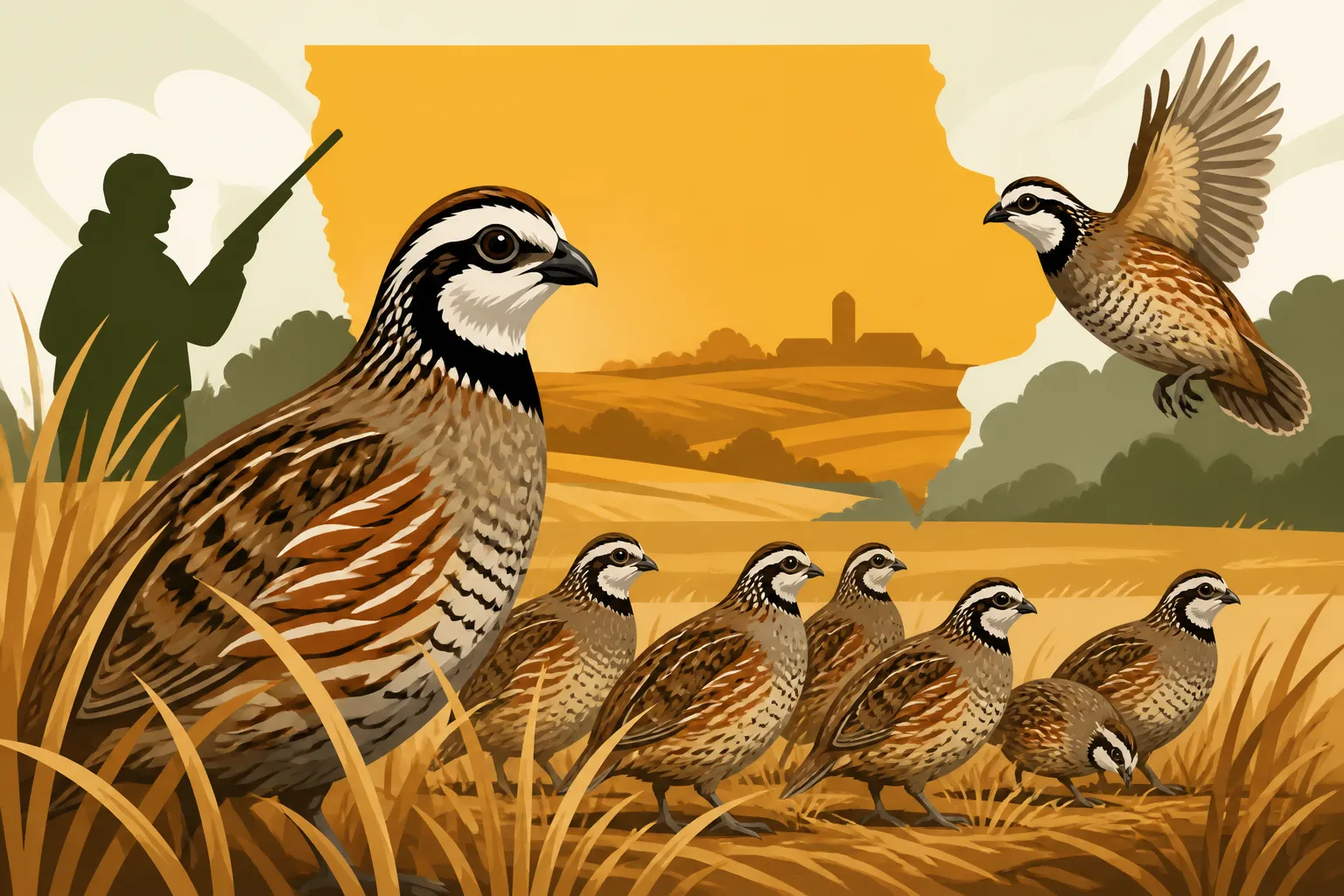
A covey is essentially a social unit of quail, typically consisting of a family group from the past breeding season, sometimes augmented by other stragglers or non-breeding birds. Think of it as their winter survival club. These birds roost together, feed together, and rely on each other for alarm calls and collective defense.
The primary reason for covey formation is survival, especially during the colder months in Iowa. Huddling together conserves body heat, which is absolutely critical when temperatures drop and snow covers the ground. A single quail would quickly freeze or starve, but a tight-knit covey can generate enough warmth to make it through a bitter Iowa winter night. Furthermore, there's safety in numbers. More eyes and ears mean a better chance of detecting predators like hawks, owls, foxes, or coyotes. When one bird sounds the alarm, the whole covey explodes into flight, confusing predators and giving individuals a better chance to escape. It's a testament to their resilience that these small birds make it through tough conditions, and their covey behavior is a huge part of that success.
Typical Covey Sizes in Iowa
The size of a quail covey in Iowa can vary quite a bit, influenced by factors like habitat quality, reproductive success during the prior nesting season, and predator pressure. Generally, you're looking at coveys ranging anywhere from 8 to 20 birds, sometimes even more in exceptional years or prime habitat.
In early fall, after the broods have grown but before winter truly sets in, covey sizes might be larger, as several successful broods might merge. As the season progresses and predation or severe weather takes its toll, coveys can shrink. A covey of fewer than eight birds might indicate a struggling local population or an area with heavy hunting pressure or limited resources. Conversely, finding a covey of 20 or more birds is a clear sign that you’ve stumbled upon a honey hole with excellent habitat and a healthy local population. These larger coveys offer more targets and a more exciting flush, making the effort of finding them all the more rewarding. Understanding Iowa Quail Numbers and Recent Gains can provide good context for what to expect in a given year.
Seasonal Changes in Covey Behavior
Quail behavior isn't static; it changes with the seasons, heavily influenced by weather, food availability, and breeding cycles. This seasonal shift is critical for hunters to understand.
During the fall hunting season, coveys are tight-knit. They spend their days foraging for seeds, insects, and berries, always sticking close to dense cover. They'll venture out into food plots or crop fields but rarely stray far from escape routes into thickets, brush piles, or Cedar and Locust Thickets as Bedding Cover. As winter approaches and food becomes scarcer, their reliance on protective cover intensifies, and they may shift their core areas to focus entirely on thermal cover. Once spring arrives, coveys begin to break up. The urge to reproduce takes over, and birds pair off to establish nesting territories. This means that by late spring, finding a large covey is rare; instead, you'll see pairs or single birds. This seasonal cycle means your hunting tactics need to adapt to the birds' changing needs and social structures. You won't find those big, explosive covey flushes in April like you will in November.
How Covey Behavior Impacts Your Hunt
Knowing why and how quail form coveys is useful, but translating that knowledge into successful hunting means understanding how their behavior directly affects your approach in the field. This includes locating them, approaching them, and being ready for that signature flush.
Locating Coveys: Reading the Landscape
Finding quail isn't about aimless wandering; it’s about reading the landscape for optimal Bobwhite Quail Habitat in Iowa. Coveys need a very specific combination of food, water, and dense cover within a relatively small area, usually just a few acres. They are edge-loving birds, preferring the transition zones where different habitat types meet.
Look for areas with diverse cover: brushy draws, fencerows, native grass stands adjacent to harvested crop fields (especially corn or beans), plum thickets, and multiflora rose patches. These provide not only food but crucial overhead and lateral escape cover. Water sources, even small ones, are also important. A good quail spot in Iowa might be a picked cornfield bordering a thick CRP field, which then slopes down into a brushy creek bottom. Pay close attention to south-facing slopes in winter, as these areas get more sun and can hold less snow, making foraging easier. E-Scouting Iowa Farm Country From Home can give you a massive advantage by identifying these prime habitat mixes before you ever set foot on the ground. GoHunt or similar mapping tools are invaluable for pinpointing these micro-habitats from an aerial perspective.
Approaching a Covey for the Flush
Once you've identified potential quail country, your approach is critical. Quail are masters of camouflage and holding tight, especially in dense cover. They'll often let you walk right past them before exploding into the air.
The best strategy is to walk deliberately, not too fast, and with a keen eye for subtle signs like fresh droppings, dusting bowls, or small tracks. If you're hunting with a dog, trust its nose. A good bird dog will lock up on point, indicating a covey is nearby. Without a dog, it becomes more about grid searching likely cover, kicking brush piles, and being ready for anything. Always try to approach with the wind in your face if possible, as this carries your scent away from the birds and helps a dog pick up scent more effectively. Consider the sun's position too, avoiding situations where you're walking directly into it, which can hinder your vision just as birds flush. Your goal is to get close enough to ensure an ethical shot, but not so close that the covey simply runs ahead of you through the dense cover.
The Explosive Flush and Shot Opportunity
This is the moment every quail hunter lives for: the sudden, thunderous burst of wings as an entire covey rockets into the air. It’s an exhilarating experience, but it can also be overwhelming if you're not prepared.
When a covey flushes, it typically scatters in multiple directions, creating a chaotic, dizzying array of targets. The key is to pick one bird, focus intently, swing smoothly, and get your shot off quickly. Don't try to shoot into the "middle" of the covey; you'll likely miss everything. After the initial flush, resist the urge to immediately try for a second bird from the same covey. Instead, take a deep breath, mark where the majority of the birds went down, and prepare for the follow-up. This explosive behavior is precisely why understanding the covey size helps; a larger covey means more targets and potentially more opportunities for a clean shot, even if the initial chaos makes it feel impossible. Your reaction time and focus are paramount in these few seconds.
| Covey Size Range | Typical Behavior on Flush | Hunting Implications |
|---|---|---|
| 8-12 Birds | Moderate scatter, often in smaller groups. | Good initial shot opportunity, but follow-up can be tricky as singles are few. |
| 12-20 Birds | Explosive, wide scatter, disorienting. | Excellent initial shot opportunity, more singles for follow-up. |
| 20+ Birds | Massive, overwhelming flush, very loud. | Highest chance for multiple initial shots, plentiful singles afterward. |
| Singles (after flush) | Hold tight, often run before flushing again. | Requires patience, good dog work, and careful quartering. |
After the Flush: Re-Coveying and Follow-Up Shots
The initial flush is just the first act of quail hunting. The real skill and enjoyment often come in working the scattered birds and understanding how they try to regroup. This is where patience and good planning truly pay off.
Understanding the Scatter Pattern
When a covey flushes, the birds usually don't just fly randomly. They often follow natural escape routes, seeking the densest available cover to hide. They might fly over an open field to a far treeline, or dive into a thick plum thicket, or even head straight for a creek bottom choked with brush. The scatter pattern is influenced by the terrain, wind direction, and where the primary escape cover is located.
It’s crucial to observe this scatter pattern as best you can. Try to note not just the direction, but if birds split into smaller groups or if a large number went into one specific patch of cover. This observation will guide your follow-up efforts. Quail, particularly bobwhites, have a strong instinct to re-covey. They want to get back together for safety and warmth. This drive to regroup is what makes the second and third acts of a quail hunt so productive if you know how to leverage it. Knowing where they want to go helps you predict their hiding spots.
Calling Birds Back and Single-Bird Hunting
Once the covey has scattered, the hunting shifts from a chaotic flush to a more methodical search for individual birds. This is where a good bird dog truly shines, methodically sniffing out and pointing singles that are hunkered down, often frozen in place. Without a dog, you need to rely on careful observation and systematic quartering of the cover.
Some hunters even use a quail call, mimicking the "covey call" or "assembly call" to draw scattered birds back together or to reveal their location. Patience is key here. After a big flush, give the birds 15-30 minutes to settle down before you start working the area where you saw them land. Singles will often hold much tighter than the original covey, offering a challenging but rewarding shot. Working Pheasant Cover Without a Dog offers some transferable tactics for systematically covering ground, even though quail present a different challenge due to their size and penchant for extremely dense cover. Focus on breaking down the habitat into manageable sections and moving slowly through each one.
The Importance of Habitat for Re-Coveying
The success of a quail covey in re-grouping after a flush is heavily dependent on the quality and availability of suitable habitat in the immediate vicinity. Without adequate cover to hide in and navigate, scattered birds are more vulnerable to predators and less likely to find their way back to their kin.
Ideal re-coveying habitat includes patches of dense, shrubby cover, briar thickets, and tall, stiff grasses. These areas provide protection from aerial predators like hawks and concealment from ground predators. If the area around the flush offers only sparse cover, the scattered birds may have to fly further, exposing them to greater risk, or they may simply never find safe haven. This is why conservation efforts focused on creating and maintaining diverse habitat structure, like those found in the Iowa Habitat and Access Program Explained (IHAP) tracts, are so vital for quail populations. Understanding and targeting these habitat features during your hunt will lead to more opportunities on scattered birds.
Tips for Maximizing Your Quail Hunting Success in Iowa
Quail hunting in Iowa can be incredibly rewarding, but it takes more than just showing up. Success comes from preparation, understanding your quarry, and applying smart tactics.
Gear and Dog Work for Quail
Effective quail hunting relies heavily on the right gear and, ideally, a well-trained dog. For gear, comfortable, briar-proof pants or chaps are non-negotiable when busting through Iowa's thick cover. A good bird vest with large pockets for shells and game, plus a water bladder, will make your day more comfortable. Bells on your dog's collar can help you keep track of them in dense cover, and a GPS collar is an absolute lifesaver for pointing dogs that might range far.
When it comes to dogs, a solid pointing breed like a German Shorthaired Pointer, English Setter, or Brittany Spaniel is invaluable. Their ability to locate scent and hold a steady point allows you to walk into the flush, mentally prepare, and take an ethical shot. Even if you're Working Cover Edges Without a Dog, knowing how dogs work can inform your own movements. Train your dog for steadiness to wing and shot, and for retrieving. A lost bird is a wasted opportunity, and a good retriever minimizes that. Ensure your dog is well-conditioned for long days in the field and that you carry plenty of water for both of you.
Scouting for Quail Sign and Habitat
You don't just stumble upon quail consistently; you scout for them. This means looking for the physical evidence they leave behind and identifying prime habitat zones. Before the season, take walks through likely areas, especially those known for Quail Coveys in Southern Iowa Brush. Look for small, white-splattered droppings, about the size of a dime, usually found on logs or under favored roosting cover. Dust baths—small, shallow depressions in dusty soil—are another clear indicator.
Beyond direct sign, constantly evaluate the habitat. Are there patches of thick, thorny cover adjacent to good food sources? Is there access to water, even a small ditch or pond? Are there "travel corridors" of cover connecting different habitat types? Use aerial maps from GoHunt or similar services to identify these features from home. Understanding the nuances of Reading an Iowa Timber Draw for Deer Sign or similar habitat assessment can be adapted for quail, focusing on edge habitats and thick thermal cover. The more you know about the ground before you hunt, the less time you waste in unproductive areas.
Using Technology to Aid Your Hunt
In today's hunting world, technology can be a huge asset, even for pursuing old-school game like quail. GPS units or smartphone apps with mapping capabilities are absolutely essential. They allow you to mark covey flushes, track your dog's movements (if equipped with a GPS collar), and navigate precisely through complex terrain, ensuring you stay on public ground or within the bounds of private land where you have permission.
Applications like GoHunt excel in showing property boundaries, identifying public land, and providing detailed satellite imagery to scout potential quail cover from your couch. You can mark waypoints for promising brush piles, thickets, or field edges. After a flush, mark the approximate landing zone of the scattered birds. This helps you systematically work the area for singles. Furthermore, knowing your precise location can be critical for safety, especially if you're hunting alone or in unfamiliar areas. Embrace these tools; they don't replace hunting skill, but they sure do amplify it.
Disclaimer
This article is for general informational purposes only and does not constitute professional advice. Laws, prices and regulations vary by location and change over time. Consult a qualified professional for guidance on your specific situation.