Feral Hogs and Iowa Rules
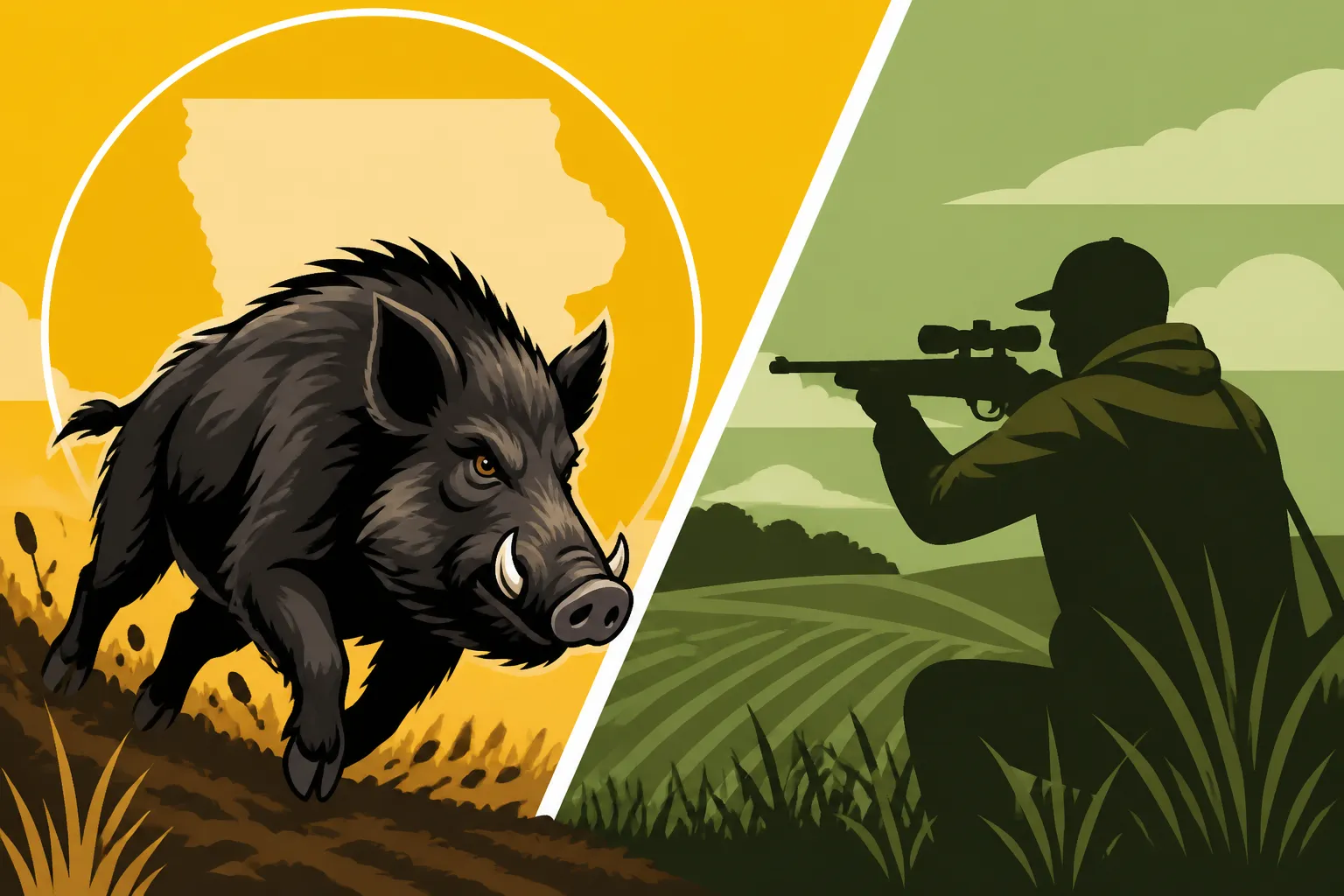
If you've spent any time in Iowa's beautiful outdoors, you might occasionally hear whispers or even see signs warning about an increasingly problematic invader: feral hogs. These aren't your grandpa's barnyard pigs; these are wild, destructive animals that pose a serious threat to Iowa's natural resources and agricultural heartland. This guide will walk you through everything you need to know about feral hogs in Iowa, from understanding their impact to the rules governing how you can help manage this challenging issue.
Understanding the Threat: Why Feral Hogs are a Problem in Iowa
Feral hogs, often referred to as wild pigs or wild boars, are an ecological nightmare. They are not native to Iowa, and their presence, even in small numbers, can have devastating consequences. The problem isn't just about a few rogue pigs; it's about a species that reproduces at an alarming rate and causes widespread damage wherever it establishes a foothold.
Ecological Damage to Crops and Habitat
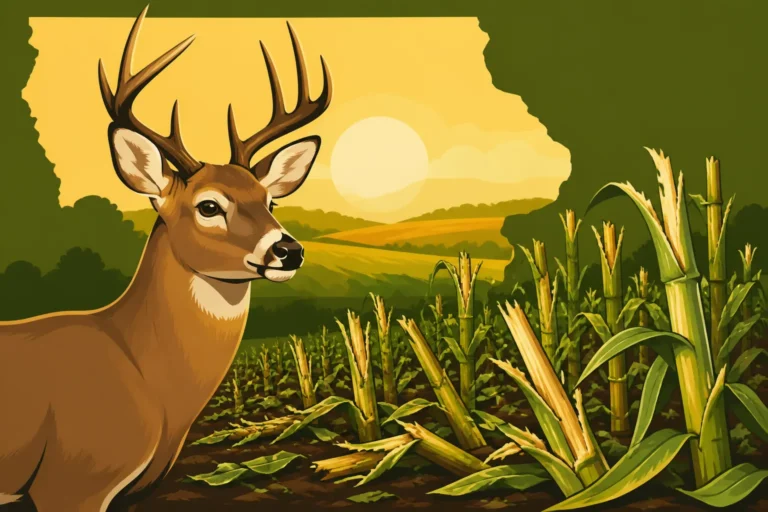
Imagine a rototiller running wild through a pristine field or a delicate wetland – that's essentially what a sounder of feral hogs does. Their natural rooting behavior, where they dig up soil looking for food like roots, tubers, and insects, destroys agricultural crops at an incredible pace. A farmer could lose entire fields of corn or soybeans in a single night, and the financial toll is immediate and severe. This isn't just a nuisance; it's a direct attack on the livelihood of rural Iowans who depend on successful harvests. Beyond row crops, they decimate native plant communities, turning fertile ground into barren, disturbed earth. This directly impacts the food sources and cover for native wildlife like deer, turkeys, and pheasants, disrupting the delicate balance of our ecosystems.
Their destructive rooting also contributes to significant soil erosion, especially along streambanks and in sensitive wetland areas. This erosion then leads to increased sedimentation in Iowa's waterways, harming aquatic life and degrading water quality. It's a cascading effect: what starts as rooting for a meal quickly turns into a broader environmental issue, impacting everything from fish populations to the purity of drinking water. The sheer power and persistence of these animals mean that even small numbers can leave a lasting scar on the landscape.
Disease Transmission and Public Health Concerns
One of the most insidious threats posed by feral hogs is their role as disease vectors. They carry a host of diseases, many of which can be transmitted to domestic livestock, other wildlife, and even humans. Think of diseases like pseudorabies, brucellosis, leptospirosis, and even hog cholera. If these diseases jump to a local hog operation, it could lead to the depopulation of entire herds, causing massive economic losses for Iowa's pork producers. The biosecurity risk they present is enormous, and their free-ranging nature makes containment incredibly difficult.
Furthermore, some of these diseases, such as brucellosis, are zoonotic, meaning they can pass from animals to humans. Hunters who field dress hogs or individuals who come into contact with contaminated soil or water are at risk. While direct transmission to humans might be rare, the potential is always there, adding another layer of concern to their presence. Beyond livestock and humans, feral hogs can also transmit diseases to our beloved wild deer population. Diseases like EHD, though primarily spread by insects, could find new reservoirs in feral hog populations, potentially complicating efforts to monitor and manage Chronic Wasting Disease in Iowa Deer or other deer health issues. It's a constant worry for wildlife managers and public health officials alike, making their eradication a top priority.
Rapid Reproduction and Population Growth
If there's one thing feral hogs are exceptionally good at, it's making more feral hogs. These animals have an incredibly high reproductive rate, reaching sexual maturity as early as six months old and producing multiple litters per year. A single sow can have two litters annually, with an average of four to six piglets per litter, sometimes even more. This means that a small group of hogs, sometimes called a "sounder," can explode into a massive population in just a few years if left unchecked.
This rapid reproductive cycle makes eradication incredibly challenging. You might remove a dozen hogs from an area, but if even a couple of pregnant sows or young boars remain, the population can quickly rebound. This biological reality is why Iowa wildlife agencies take such a hardline stance: these animals aren't just a nuisance; they're an existential threat that must be eliminated before they become permanently established and spread across the entire state, as they have in other parts of the country. This high reproductive capacity means that swift, aggressive action is always necessary when a sighting is confirmed, stressing the importance of immediate reporting and eradication efforts.
Iowa's Stance and Legal Framework for Feral Hogs
Iowa's approach to feral hogs is clear and uncompromising: they are considered an undesirable invasive species, a serious threat that must be eradicated, not managed. Unlike deer, turkeys, or pheasants, which are valued game species with regulated seasons and bag limits, feral hogs receive no such protections.
Classification as a Nuisance Species
In Iowa, feral hogs are not classified as a game animal, nor are they a protected species. Instead, they fall under the category of nuisance wildlife or destructive pests. This classification is crucial because it dictates the legal framework surrounding their presence and removal. Essentially, they are viewed no differently than a destructive rodent or an invasive plant species; the goal is complete elimination. This designation means that the state does not want these animals to become established, and every effort is made to prevent that from happening. There's no interest in maintaining a population for hunting purposes, which is a key distinction from other wildlife.
This clear classification means that if you encounter feral hogs, especially on your own land, you're empowered to act. The state doesn't want you to just observe them; they want you to report them and, if possible and safe, eliminate them. This proactive approach by individual landowners and hunters is a vital component of Iowa's overall strategy to keep these destructive animals out.
No Closed Season, No Bag Limits, No Special License
Given their classification as a nuisance species, the rules for hunting or taking feral hogs in Iowa are remarkably straightforward, almost opposite to those for traditional game animals. There is no closed season, meaning you can pursue them year-round. There are no bag limits, so you can take as many as you encounter. And perhaps most importantly, there is no special license required specifically for hunting feral hogs. If you are lawfully able to hunt in Iowa (meaning you have a valid general hunting license or are exempt, such as a landowner on their own property), you can typically take feral hogs.
This "no holds barred" approach reflects the urgency of the threat. The state wants to remove them by any legal means necessary, as quickly and efficiently as possible. However, it’s important to remember that all other existing hunting and firearm regulations still apply. For instance, if you are hunting on private land, you still need permission from the landowner, just as you would for deer or any other game. Iowa Trespass Law and Posted Land remains in effect. Similarly, while there's no season for hogs, if you're out hunting other game during a specific season, you must still adhere to the rules for that game, including legal shooting hours for whatever you're licensed to hunt. It's a fine line to walk, but the main takeaway is that when it comes to the hogs themselves, the intent is clear: eliminate them whenever and wherever they are found.
Legal Methods and Restrictions
When it comes to the methods for taking feral hogs in Iowa, the state allows for a wide range of legal means, again, reflecting the eradication mindset. Hunters can use any legal firearm, including centerfire rifles, shotguns with slugs, and handguns, without the typical restrictions you might find for deer hunting, such as the Iowa's Legal Deer Hunting Equipment by Season rules. Archery equipment, including compound bows and crossbows, is also perfectly acceptable. Trapping is another highly effective method, especially for removing entire sounders. Landowners, in particular, often find trapping to be the most efficient way to capture multiple hogs at once, as they can be quite trap-shy after initial encounters.
However, a critical nuance to understand is the "baiting" rule. While you can typically bait for feral hogs in many states where they are a common problem, Iowa's general Iowa Baiting Ban for Deer is a strong guideline that permeates hunting ethics. While directly baiting for hogs alone might not be explicitly prohibited in all contexts, any baiting activity must be done in a way that does not attract or influence the movement of deer or other regulated game species, especially on public land. This can be a tricky legal area. For instance, putting out corn to trap hogs could inadvertently attract deer, which would then put the hunter in violation of deer baiting laws. The safest approach, especially on public land or if there's any chance of attracting deer, is to avoid baiting altogether or consult directly with the Iowa DNR for specific guidance on your situation. On private land, landowners have more leeway, but still must be mindful of how their actions might impact regulated game. The emphasis is always on being a responsible hunter and understanding all the regulations that apply, even when dealing with a nuisance species.
Here's a quick comparison of rules for feral hogs versus deer:
| Category | Feral Hogs in Iowa | Whitetail Deer in Iowa |
|---|---|---|
| Species Classification | Nuisance/Destructive Pest | Valued Game Animal |
| Season | No closed season (year-round) | Specific, regulated seasons by weapon |
| Bag Limit | No limit | Specific limits (e.g., one antlered buck) |
| License Required | General hunting license (if not exempt) | Specific deer tag/license required |
| Weapon Rules | Any legal firearm, archery equipment | Specific weapon rules by season |
| Baiting | Generally discouraged/complicated by deer baiting laws; consult DNR | Strictly prohibited |
| Primary Goal | Eradication | Population management for healthy herds |
Hunting Feral Hogs in Iowa: What You Need to Know
Engaging in feral hog removal in Iowa requires a thoughtful approach, focusing on efficacy, safety, and adherence to all applicable laws. It's not just about pulling a trigger; it's about being part of a larger eradication effort.
Legal Methods and Equipment
When planning to hunt feral hogs, you have a lot of flexibility in terms of equipment, which is a major difference from traditional game seasons. For firearms, common choices include rifles chambered in popular straight-wall cartridges, which are legal for deer in Iowa during certain seasons, like the .450 Bushmaster or .350 Legend, as they offer good knockdown power. Shotguns loaded with slugs are also effective at closer ranges. Handguns with sufficient power are also permitted. For archery, any legal bow or crossbow capable of taking deer will certainly be sufficient for a hog.
The key is to select reliable equipment you are proficient with, as quick, clean kills are essential. Since there's no specific season for hogs, you aren't limited by calendar dates, meaning you can choose your equipment based on the terrain, shot distance, and your personal preference. Remember, the goal is removal, not sport. When using firearms, always ensure you have a safe backdrop and are aware of your surroundings, especially if hunting near populated areas or on public land where other users might be present. Always verify that your chosen weapon is indeed legal for the specific area and situation you plan to hunt in.
Public Versus Private Land Considerations
This is where things get a bit more nuanced. While the state wants hogs removed, access laws remain paramount. Hunting feral hogs on private land always requires explicit permission from the landowner. A simple verbal permission might suffice, but it’s always best to get it in writing, especially if you're not a direct family member. Many landowners are incredibly eager to have hogs removed and may welcome hunters who can assist. This is an excellent opportunity to leverage resources like GoHunt, which can help you understand property boundaries and landowner information when seeking permission. Building relationships with landowners is often the most effective way to gain access to areas where hogs might appear.
On public land, the situation is trickier. While feral hogs are not protected, all other rules and regulations of that specific public area still apply. This includes rules about vehicle access, camping, specific weapon restrictions, and of course, existing hunting pressure. Hunting Pressure Patterns on Iowa Public Land can affect where hogs might be found, as they tend to seek out less disturbed areas. Some wildlife management areas (WMAs) might have specific rules or even temporary closures for management activities. Always check with the Iowa Department of Natural Resources (DNR) office responsible for the specific WMA or state forest you intend to hunt. For instance, Yellow River State Forest Hunting or Stephens State Forest Hunting might have unique local regulations. Using mapping tools like those offered by GoHunt or the official Iowa DNR hunting atlas can be invaluable for understanding property lines, access points, and specific area regulations before you even leave your driveway. Never assume that because hogs are a nuisance, all bets are off regarding public land rules.
Safety, Ethics, and Reporting Sightings
Safety is paramount when hunting any animal, and feral hogs are no exception. They are tough, aggressive animals and can be dangerous if cornered or injured. Always hunt with a reliable firearm and practice responsible shot placement. Wear appropriate safety gear, and if hunting in groups, establish clear lines of fire and communication. Ethical considerations also apply: strive for quick, humane kills, and always respect the land you are on, leaving no trace behind.
The most crucial aspect of dealing with feral hogs in Iowa is reporting sightings immediately. The Iowa DNR and USDA Wildlife Services work collaboratively to track and eradicate these animals. Even if you successfully remove a hog, reporting the incident and location is vital. This data helps wildlife managers understand the extent of the problem, identify potential new incursions, and deploy resources effectively. You can usually report sightings through your local DNR office or by contacting USDA Wildlife Services. Prompt reporting can mean the difference between eradicating a small, isolated sounder and facing a widespread, entrenched infestation. Don't hesitate; if you see something, say something.
Preventing the Spread and Future Outlook
The fight against feral hogs in Iowa is an ongoing battle, and every Iowan, especially those who spend time outdoors, has a role to play.
The Importance of Immediate Removal
When it comes to feral hogs, the old adage "an ounce of prevention is worth a pound of cure" couldn't be more true. The moment a hog or a sounder is sighted, the clock starts ticking. Because of their incredibly fast reproductive rates, even a small, unconfirmed presence can quickly spiral out of control. Wildlife agencies universally agree that immediate, aggressive removal is the only effective strategy for eradication. Delaying action by even a few months can mean the difference between eliminating a handful of animals and facing a widespread, established population that becomes virtually impossible to contain. This is why the "no season, no limit" rule exists – the state wants these animals gone yesterday.
This urgency extends beyond just direct hunting. Trapping is often a preferred method for professionals because it allows for the capture of entire sounders, which is critical for truly eradicating a local population. Removing one or two hogs from a group often teaches the others to be trap-shy or nocturnal, making future removal efforts much harder. Therefore, the best course of action upon discovery is always prompt, coordinated, and complete removal. Any less, and Iowa risks becoming another state grappling with a permanent, destructive feral hog problem.
Biosecurity Measures and Responsible Practices
Preventing the spread of feral hogs isn't just about removing existing ones; it's also about preventing new introductions or the movement of existing populations. This is where biosecurity measures and responsible practices become incredibly important for hunters and landowners alike. Never transport live feral hogs, under any circumstances, to another location. This practice, often done with good intentions (or sometimes, unfortunately, with illicit ones for hunting purposes), is one of the primary ways feral hogs have spread across the country. It's a significant wildlife violation and carries severe penalties.
Furthermore, if you hunt in an area with confirmed feral hog activity, always thoroughly clean your vehicles, trailers, and equipment before leaving. Hogs can carry mud, seeds, and even parasites that could inadvertently be transferred to new locations. If you're hunting in a neighboring state where hogs are common and plan to bring any equipment back to Iowa, ensure it's spotless. This vigilance helps ensure you aren't an unwitting vector for their spread. These seemingly small actions collectively contribute to Iowa's broader strategy of keeping the state feral hog-free.
Community Involvement and Vigilance
The success of Iowa's feral hog eradication efforts relies heavily on the eyes and ears of its citizens. Farmers, hunters, hikers, and anyone who spends time in rural areas are the first line of defense. Knowing what to look for—rooting signs, tracks, scat, or direct sightings—is crucial. Information about Reading an Iowa Timber Draw for Deer Sign or other animal tracking skills can easily be adapted to identify hog activity. Educating your community about the threat feral hogs pose helps raise awareness and encourages others to report sightings.
This collective vigilance, combined with swift action by wildlife officials, is Iowa's best hope for remaining free of widespread feral hog problems. The Iowa DNR, in conjunction with USDA Wildlife Services, maintains surveillance and responds to reports, but they can't be everywhere at once. It's truly a community effort, and every reported sighting contributes valuable intelligence to protect Iowa's cherished natural resources and agricultural economy. If you suspect feral hog activity, don't wait for someone else to report it – be the one to make the call.
Disclaimer
This article is for general informational purposes only and does not constitute professional advice. Laws, prices and regulations vary by location and change over time. Consult a qualified professional for guidance on your specific situation.